
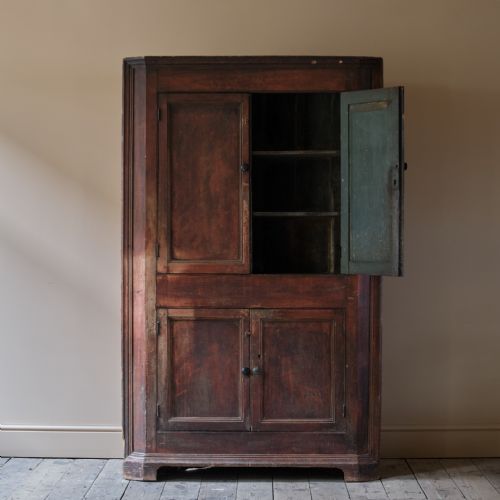




Georgian Painted Wood Panel
A georgian painted wood panel brings historic colour and surface texture to a room, offering genuine period character built from pine and oil paint.
Georgian Painted Wood Panel
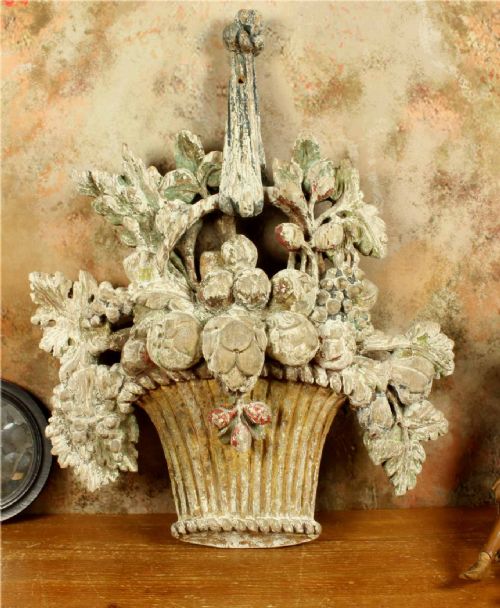
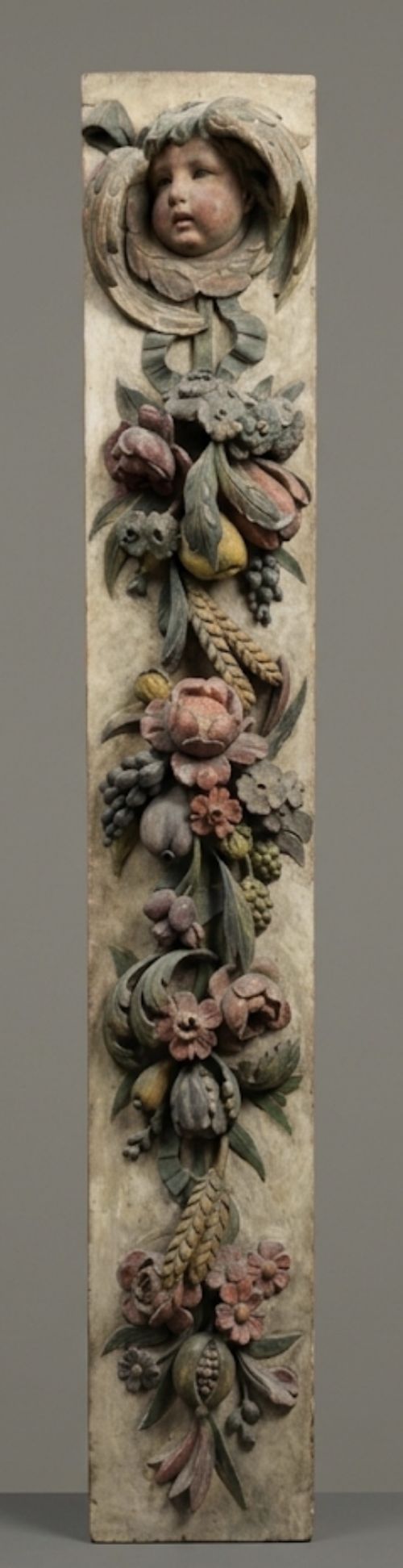
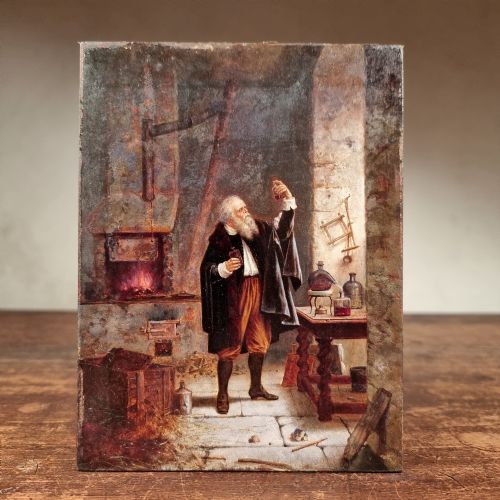
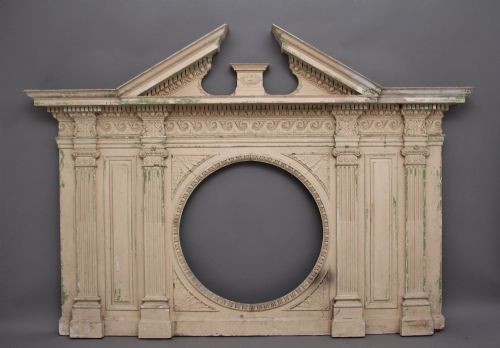
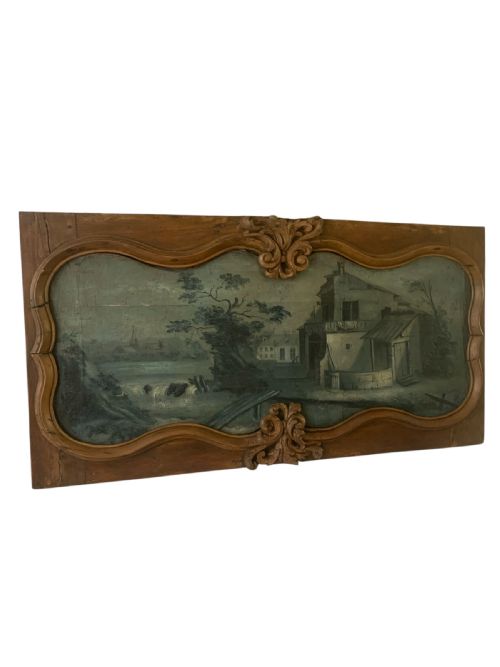
A georgian painted wood panel encompasses architectural fragments, overmantels, heraldic boards, and oil paintings executed on wooden supports during the eighteenth and nineteenth centuries. These pieces carry the marks of age through crackled oil paint and weathered timber surfaces.
Buyers meet architectural elements such as overdoors and wall relief carvings alongside portable oil paintings on panel. Many examples originate from domestic interiors, coaching stock, or decorative screens, often rendered in pine or other native woods.
The style spans Georgian formality, Regency neoclassical lines, and naive folk art traditions. Each object reflects the decorative needs of period interiors, functioning as wall art or integrated architectural woodwork.
How they were made
Makers utilised solid timber panels, predominantly pine, providing a stable rigid base for decorative schemes. Carpenters joined planks and applied carved wood details or mouldings to form architectural reliefs and furniture components.
Artists and decorators applied oil paint directly to the prepared wood surface, sometimes incorporating gold leaf or brass mounts for emphasis. Pigments were layered to create still lifes, portraits, and decorative heraldry that endured across centuries.
A painted coach panel once travelled the roads before finding a permanent home on a wall.
What varies in quality
The sophistication of the brushwork and the ambition of the composition set individual panels apart. Masterful portraiture and finely executed heraldry sit at the higher end, while charming naive wall plaques represent a different aesthetic.
The preservation of the original painted surface dictates the desirability of a piece. Panels retaining undisturbed historic paint layers without heavy overpainting command greater interest from collectors of period woodwork.
William Etty·Sir Thomas Lawrence·Francesco Renaldi
The Georgian Painted Wood Panel Glossary
- Panel
- A flat piece of wood used as a structural support for painting or carving. It provides a rigid alternative to canvas for artists and joiners.
- Overmantel
- A decorative panel or painting positioned directly above a fireplace mantelpiece. These pieces often feature landscape or floral subjects fitted into the architectural woodwork.
- Heraldic panel
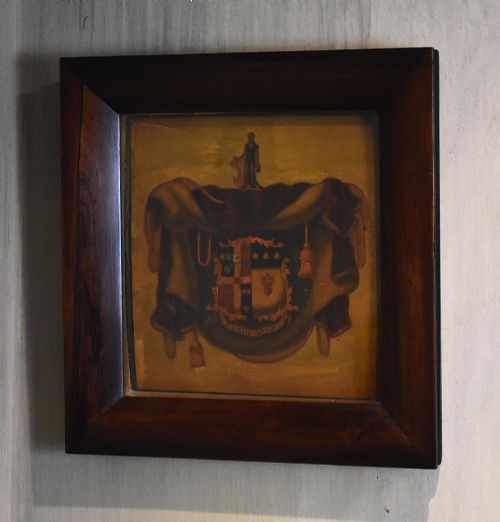
- A painted wooden board displaying armorial bearings or family crests. Such pieces frequently decorated coaching stock or country houses.
- Polychrome
- Decorated in multiple colours. This term describes painted wooden surfaces that retain their varied historic pigment.
- Oil on panel
- A painting technique where oil colours are applied directly to a wooden support. This medium ensures rich depth and durability over centuries.
Georgian Painted Wood Panel: Frequently Asked Questions
Where were painted wood panels hung?
These panels typically functioned as architectural overmantels, overdoors, or wall decorations within period townhouses and country homes. They filled specific alcoves or sat above hearths to anchor the room's decorative scheme.
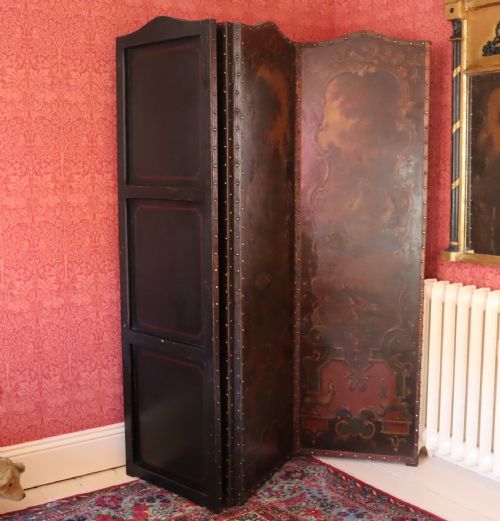
Portable examples also served as framed artworks or painted screens dividing interior spaces. Their placement depended on whether the piece originated as a structural fitting or a movable painting.
How do I care for old painted wood?
Maintain a stable indoor environment away from direct sunlight and sudden temperature shifts to protect the wood and paint. Excessive heat causes timber to warp and paint layers to lift from the support.
Dust the surface gently with a dry, soft cloth and avoid chemical cleaning agents that strip historic finishes. Professional conservators should handle any structural stabilization.
Are these panels all from the Georgian era?
The selection spans the eighteenth century through the nineteenth century, encompassing Georgian, Regency, and later Victorian periods. Makers continued traditional painting and carving methods well into the 1800s.
Stylistic cues such as neoclassical motifs or naive folk execution help distinguish the exact period of manufacture. Construction methods and wood types further clarify the timeline.