




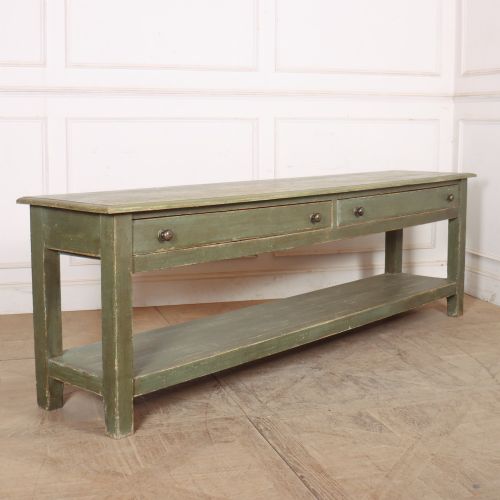

Georgian Painted Server
A georgian painted server brings rustic warmth and storied timber into a room, offering practical surface space with enduring regional character.
Georgian Painted Server
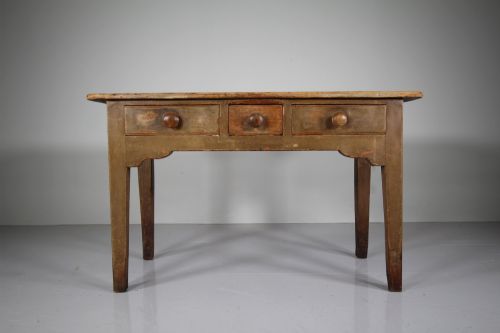
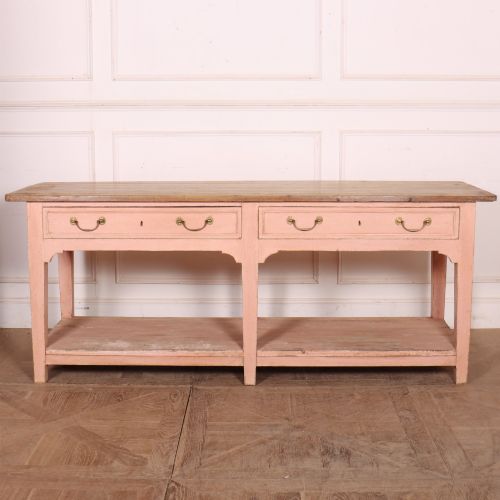
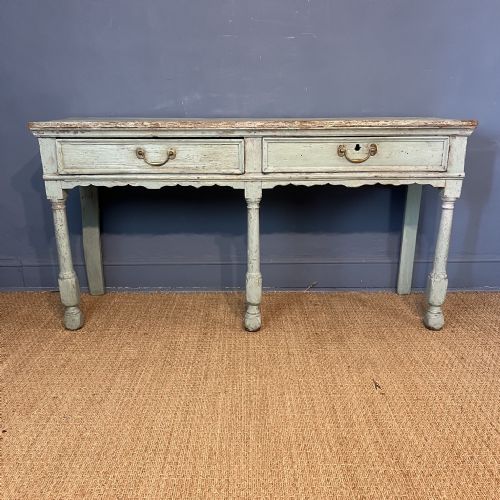
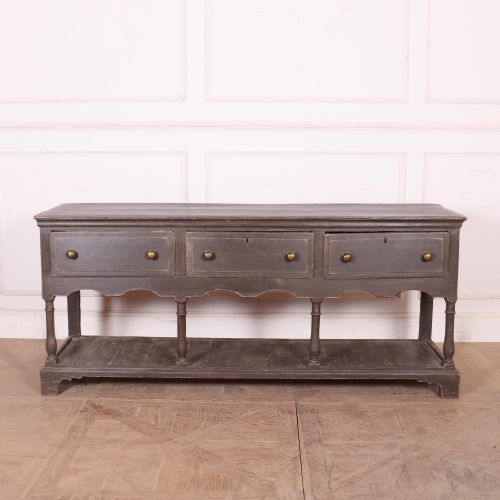
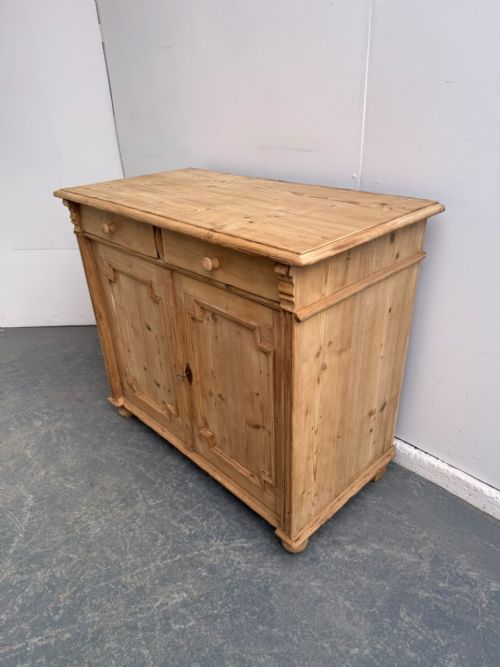
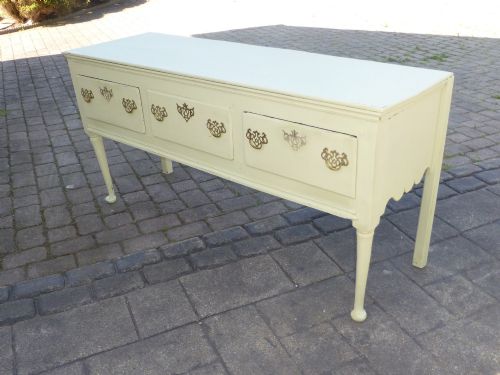
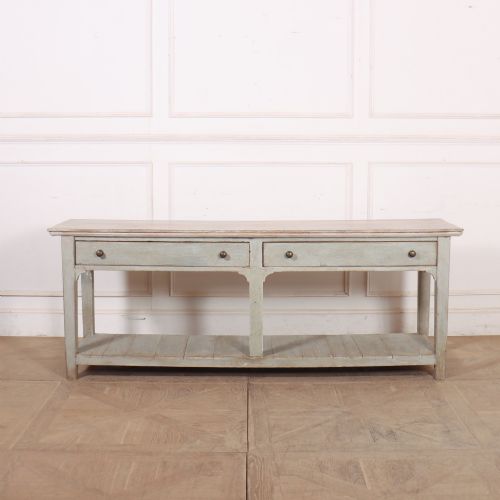
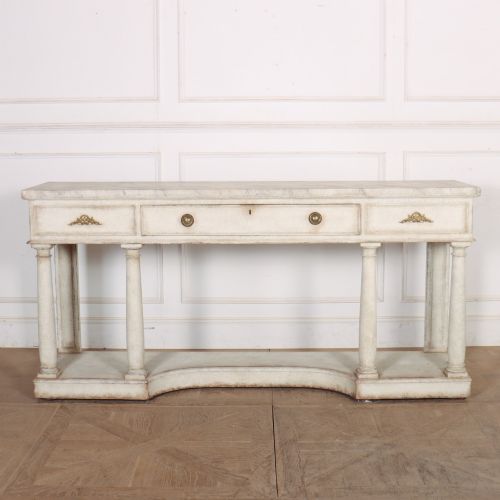
When you search for a georgian painted server, you encounter robust forms primarily categorized across the eighteenth and nineteenth centuries. These sturdy items frequently manifest as dresser bases, serving tables, and potboard units rather than formal dining room furniture.
The pieces on this page lean heavily towards English country house and rustic farmhouse styles. Oak, pine, and painted timber dominate the selection, bringing utilitarian heritage directly into domestic settings.
Materials and construction
Makers utilised solid timbers such as oak and pine, structuring heavy frameworks designed for daily domestic utility. Surfaces frequently received layers of paint, sealing the wood while reflecting regional decorative preferences of the period.
Construction methods rely on traditional joinery techniques suited to heavy dresser bases and serving tables. Potboard lower shelves provide structural stability while offering open storage beneath the main surface.
The listings span from the seventeenth century through the late nineteenth century, predominantly featuring pine, oak, and painted timber.
What separates examples
The integrity of the original timber and the historical layering of paint dictate the standing of an individual piece. Retained structural elements, such as untouched potboard bases and period drawer configurations, separate utilitarian survivors from altered items.
Proportion and regional origin influence character, with early pine and oak examples showing distinct carpentry traits. The depth and handling of the painted finish add another layer of distinction among country house furniture.
The Georgian Painted Server Glossary
- Potboard dresser base
- A low sideboard featuring an open lower shelf used historically for displaying pots and heavy kitchen equipment. This design forms a cornerstone of English country furniture.
- Pine
- A softwood utilised extensively for country furniture due to its availability and workability. It accepts paint readily, creating durable surfaces that age with distinct character.
- Oak
- A hard, durable timber chosen for structural framing and heavy furniture throughout earlier centuries. It provides exceptional longevity and a dark, rich grain when stripped or waxed.
- Serving table
- A large rectangular table designed for food preparation or dining service. These items often feature generous top surfaces and sturdy legs connected by stretchers or potboards.
Georgian Painted Server: Frequently Asked Questions
What is a georgian painted server used for?
These versatile pieces function well as sideboards, console tables, or storage credenzas in contemporary kitchens and hallways. Their sturdy wooden tops provide ample surface area for lamps, decorative items, or serving food.
The open lower potboards and deep drawers offer practical space for storing crockery, books, or linens. They anchor a room with functional heritage while serving daily domestic needs.
How do I identify a period piece?
Examine the timber construction, tool marks, and drawer assembly methods to gauge age and authenticity. Eighteenth-century examples often display hand-sawn boards and traditional joinery rather than modern fasteners.
Paint layers can also reveal age, showing historical wear patterns and craquelure consistent with centuries of domestic use. Comparing the proportion and hardware to documented regional styles helps confirm the era.
Are these pieces made of solid wood?
Yes, construction relies on solid timbers such as oak and pine rather than modern manufactured boards. Carpenters selected these robust materials to withstand heavy daily use in farmhouse kitchens and country houses.
Solid wood construction allows the pieces to be repaired, refinished, and painted over generations while maintaining their structural integrity and weight.
How should I care for painted timber?
Protect the painted finish by dusting regularly with a soft, dry cloth and avoiding harsh chemical cleaning products. Keep the furniture away from direct heat sources and strong sunlight to prevent the timber from warping and the paint from fading.
Applying a gentle wax can help preserve exposed wooden elements and maintain the protective qualities of older painted surfaces over time.