
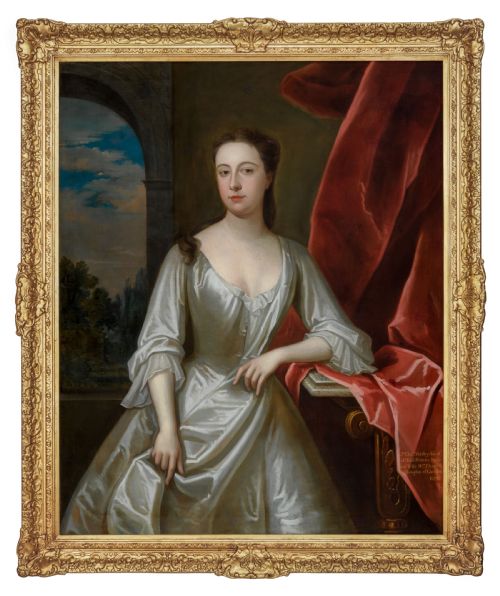
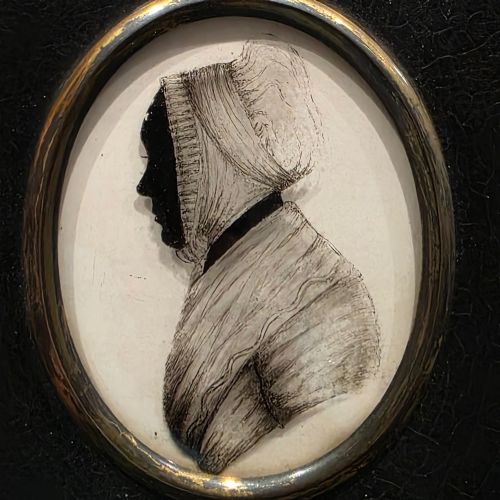


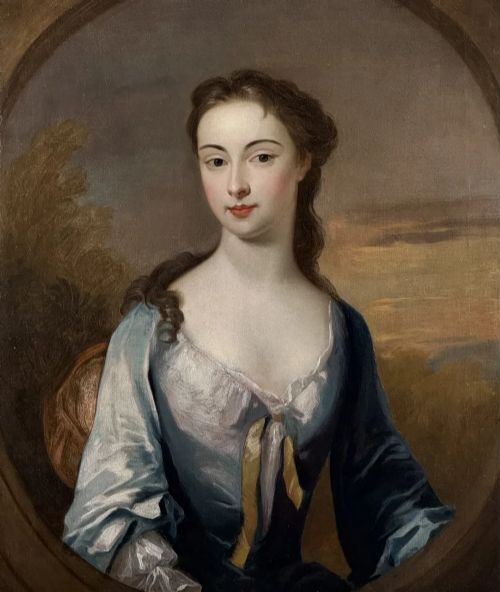
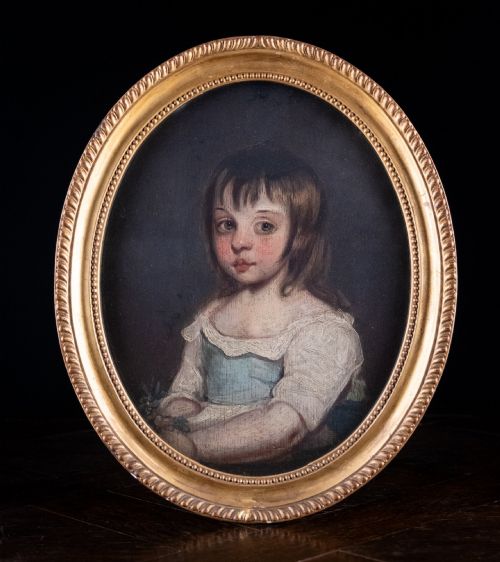
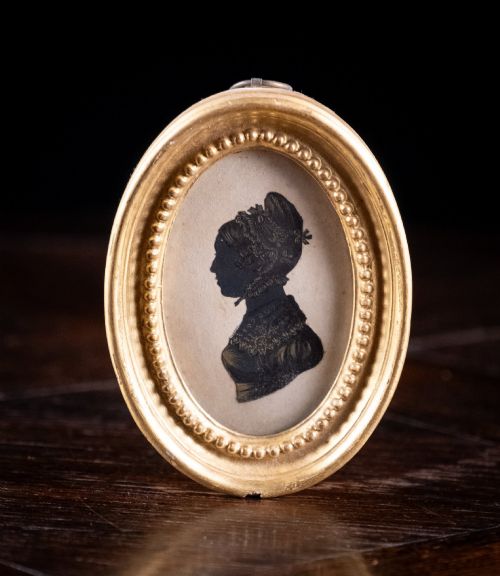
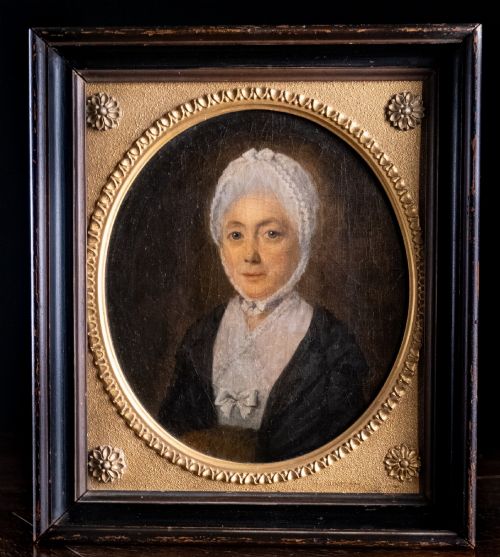
Georgian Oval Portrait Painting
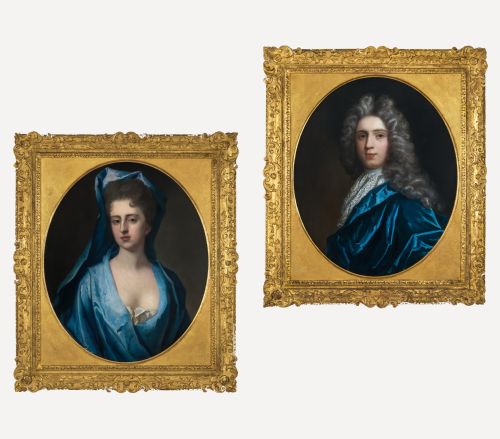
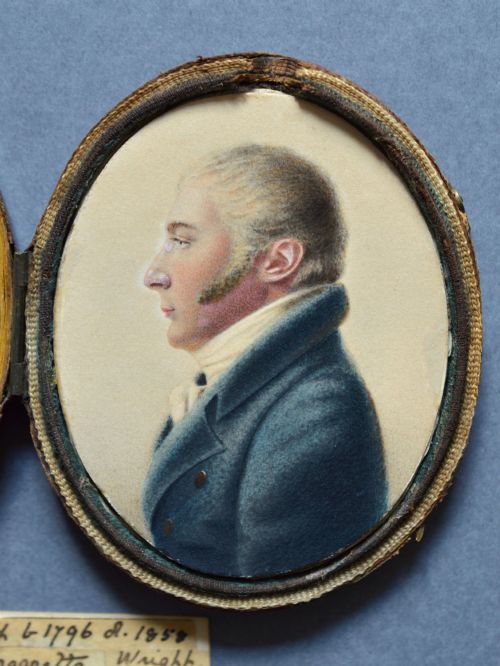
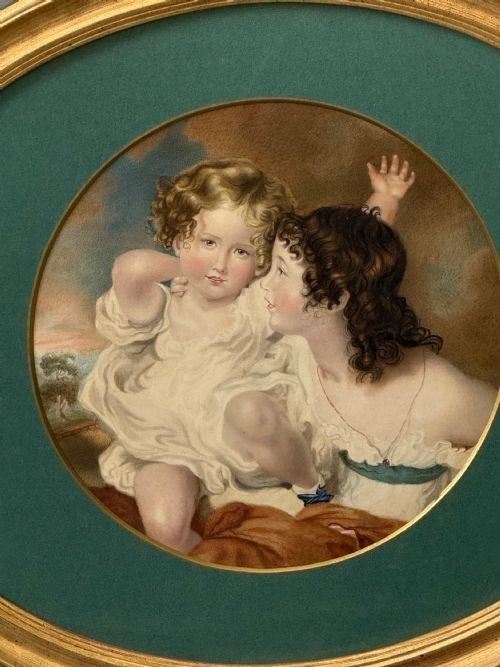
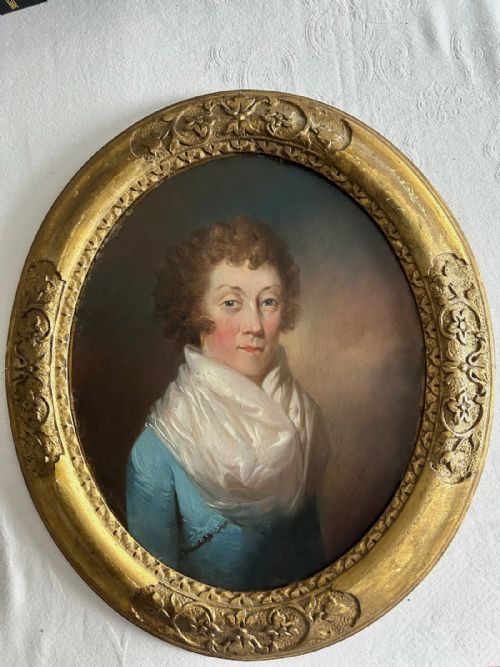
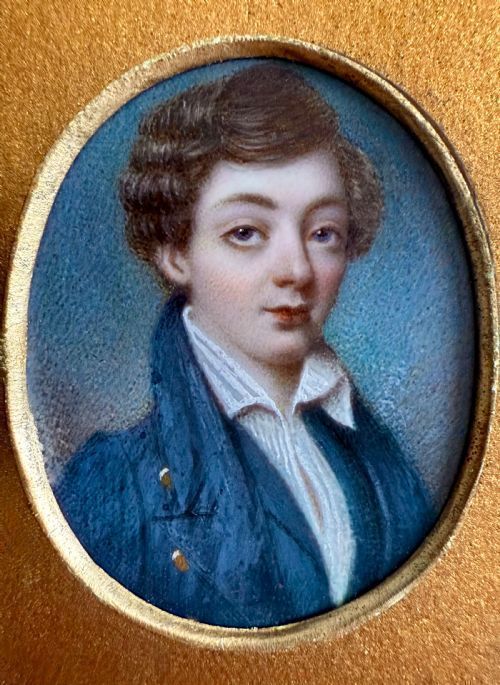
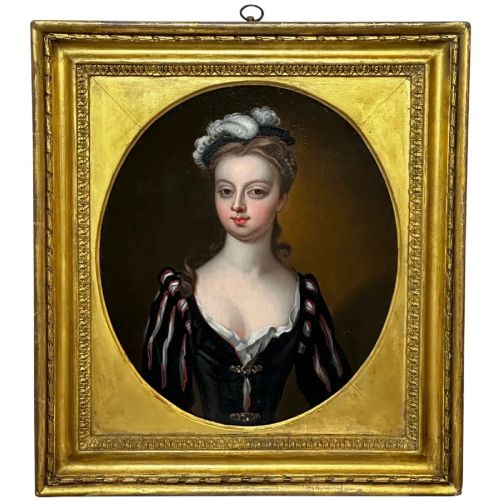
These pieces of georgian oval portrait painting capture likenesses through delicate miniatures and oils framed in curved wood, glass, and gilt.
Georgian Oval Portrait Painting
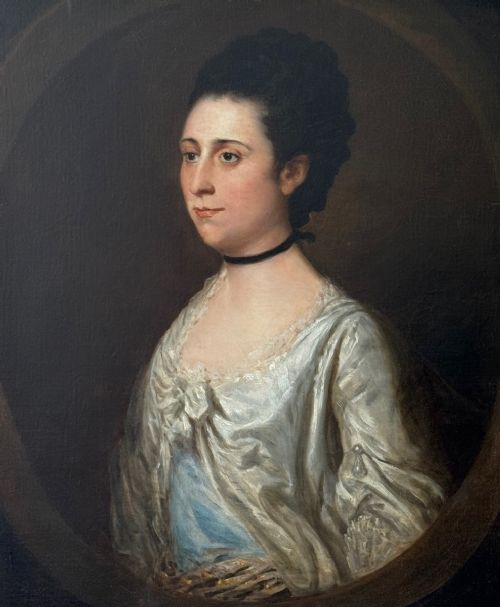
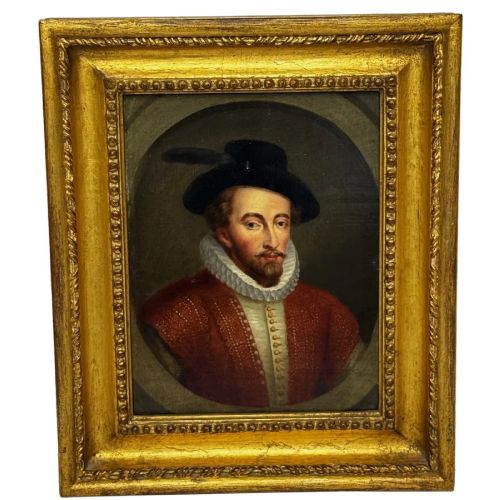
A georgian oval portrait painting brings together intimate likenesses produced across the eighteenth and nineteenth centuries, spanning miniature watercolours on paper and larger oil on canvas works. Buyers find subjects ranging from named nobility and physicians to country girls and children, often preserved behind protective glass.
The format relies heavily on the distinct curved boundary of the oval frame, which directs the eye inward toward the sitter's face. Many examples emerge from British schools, alongside continental and Anglo-Indian works reflecting the broader aesthetic reach of the period.
The selection on this page leans toward portrait miniatures and oils executed in styles from the British Baroque through to the Regency era and later Georgian Revival. These images serve as direct windows into past dress, hairstyle, and portraiture conventions.
How they were made
Frames often incorporate giltwood, glass, and seed pearls, enclosing the painted surface to protect the delicate media beneath. Skilled hands applied pigments with fine brushes to achieve the detailed rendering of lace, clothing, and facial expressions characteristic of the period.
Listings feature works in oil, watercolour, and enamel, spanning the seventeenth to the nineteenth centuries.
What varies in quality
The level of detail in the facial expression and the precision of the brushwork separate standard studio output from exceptional works by named hands. Superior examples display careful handling of light on fabrics and skin tones, whereas lesser pieces show stiffer rendering and less anatomical definition.
The originality and condition of the mounting, including the preservation of the original glass, gold locket, or giltwood frame, heavily influence the overall integrity of the piece. Works retaining documented attributions or strong provenance command greater attention from collectors.
Sir Godfrey Kneller·James Sharples·Henry Bone ARA·Charles Jervas·Michael Dahl·Thomas Murray·John Vanderbank·Thomas Beach·Allan Ramsay·Richard Cosway·John Russell·Jeremiah Davison·Frederick Buck·William Millar
The Georgian Oval Portrait Painting Glossary
- Portrait Miniature
- A small-scale painting capturing a person's likeness, often executed in watercolour on paper or enamel.
- Reverse Painting on Glass
- A technique where the artist paints directly onto the back of a glass panel so the image is viewed through the front.
- Giltwood
- Wood that has been carved and coated with a thin layer of gold leaf or gold paint, frequently used for antique frames.
- Enamel
- A glassy substance fused to a metal substrate through firing, used here for durable portrait plaques.
- Silhouette
- A solid dark profile image of a person, sometimes painted on paper or glass during the eighteenth and nineteenth centuries.
Georgian Oval Portrait Painting: Frequently Asked Questions
What is a portrait miniature?
A portrait miniature is a small, highly detailed painting designed to be held in the hand, worn as a pendant, or displayed in a small room. These works were frequently commissioned to commemorate family members or loved ones.
Artists used watercolours, enamel, or oils on supports like paper, vellum, or copper. Their portable nature allowed sitters to carry images of family across long distances.
How are these paintings dated?
Dating relies on stylistic evidence, including the sitter's costume, wig style, and framing conventions typical of specific decades. Inscriptions on the reverse or accompanying documentation also help place the work in time.
Changes in painting medium and framing materials across the eighteenth and nineteenth centuries provide further clues. Experts compare handling techniques with known works from specific schools to narrow down the period.
Where were these portraits displayed?
Smaller miniatures were often kept inside protective cases, pocket watches, or worn as lockets close to the heart. Larger oil paintings and framed watercolours hung in parlours, drawing rooms, and galleries.
The oval format suited arrangement in clusters on panelled walls alongside other family likenesses. This method of display created a visual lineage within domestic interiors.
How do I care for a miniature?
Miniatures require protection from direct sunlight to prevent the fading of delicate watercolours and paper supports. Maintaining a stable indoor humidity prevents warping in the wooden or paper components.
Original glass coverings should remain intact to shield the painted surface from dust and atmospheric pollutants. Cleaning should be left to conservators who understand antique media.