
Georgian Occasional Table Drawer
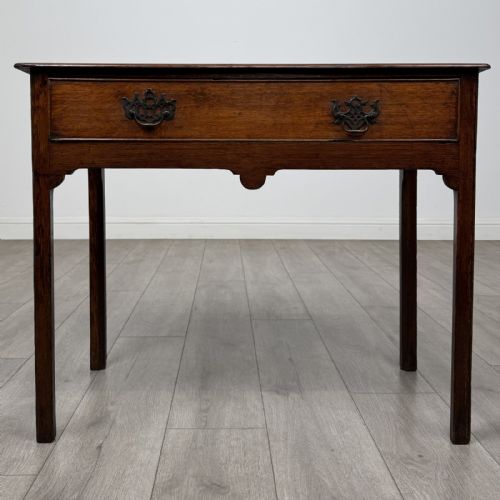
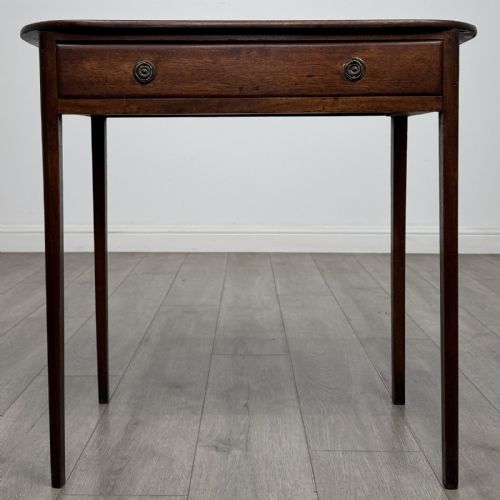
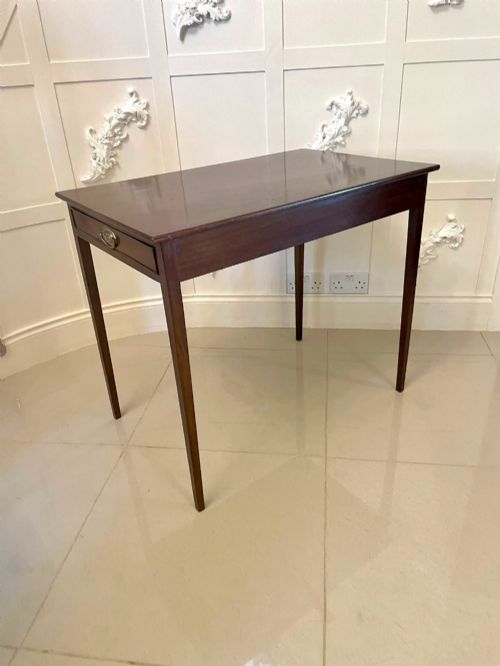
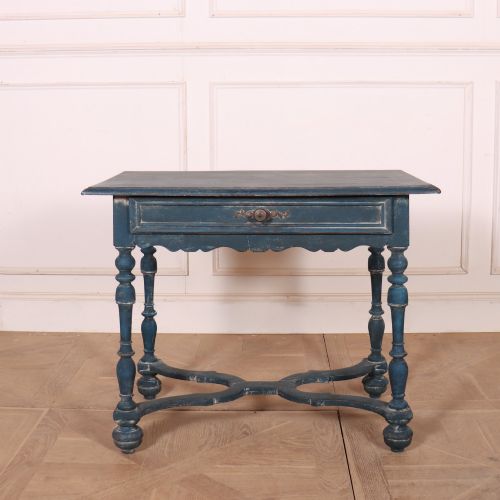
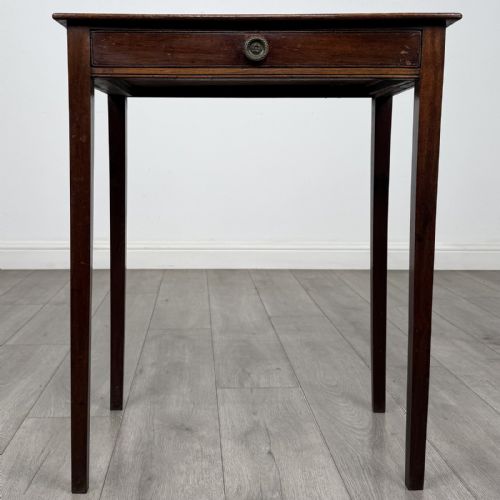
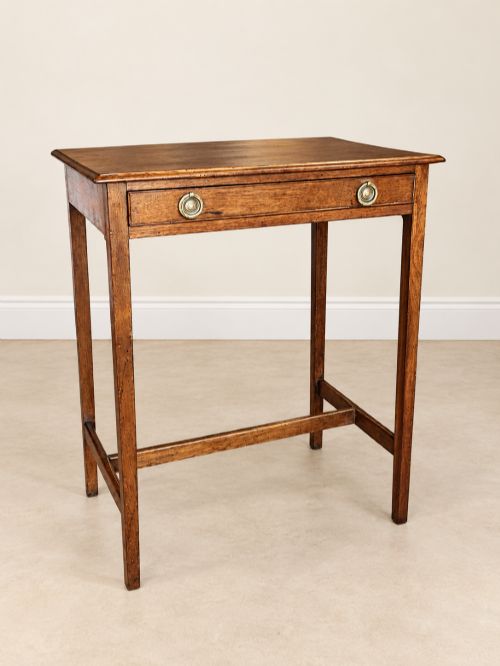
These pieces combine the utility of a georgian occasional table drawer with timber frames made to hold small daily items.
Georgian Occasional Table Drawer
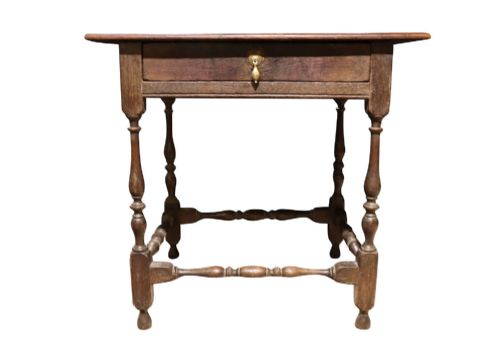
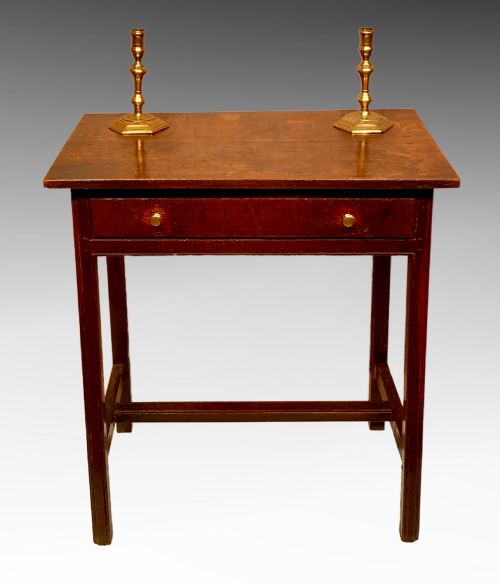
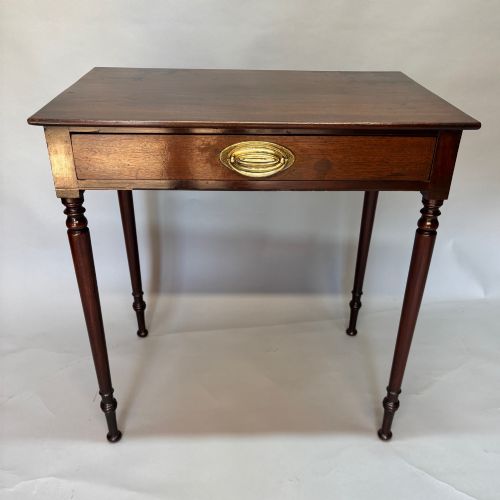
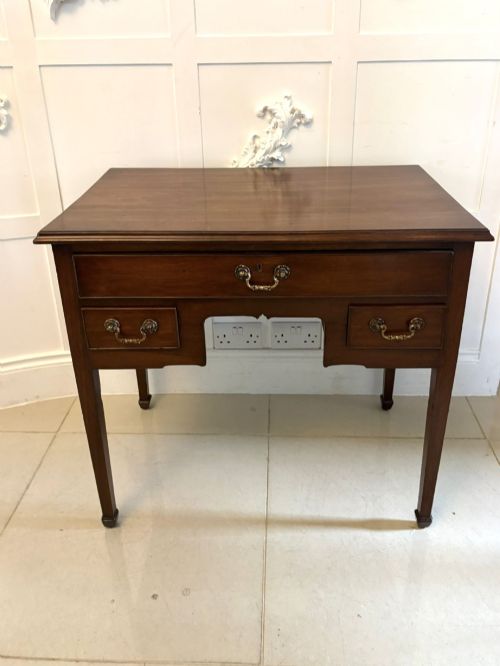
A georgian occasional table drawer brings together compact surfaces and single or multiple compartments designed for bedside, hall or parlour use. The listings here present side tables, lowboys, writing tables, Pembroke tables and lamp tables drawn from the 18th century, the Regency period and later revivals.
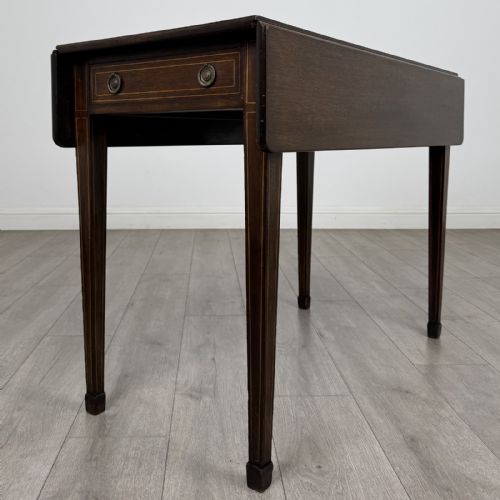
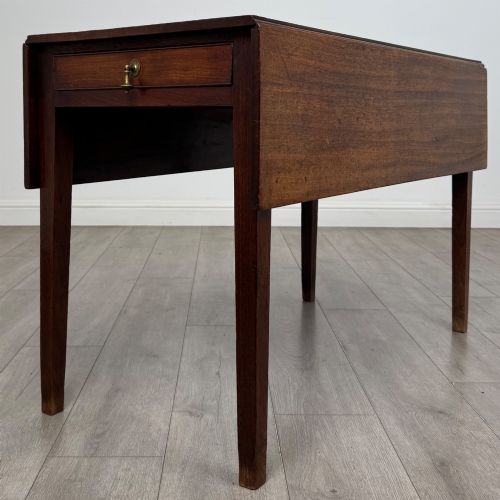
Provincial oak pieces and mahogany examples with drop leaves or fitted interiors dominate the selection. Buyers find lowboys functioning as writing surfaces alongside slender lamp tables and tea tables built with integrated storage.
How they were made
Cabinet makers built these frames using native and imported hardwoods like mahogany, oak, walnut and fruitwood, often adding satinwood or partridge wood cross-banding for contrast. Drawers were constructed with hand-cut dovetails and fitted with brass handles or pulls.
Secondary timbers such as pine appeared in drawer linings and internal framing, while leather inserts surfaced specific writing variations. Surfaces received wax or polished finishes that highlighted the grain of burr walnut, elm and mahogany.
Some Pembroke tables hide fitted silver drawers complete with original keys for securing valuables.
What varies in quality
The distinction between ordinary and superior pieces rests in timber selection and the crispness of the joinery. Fine examples display carefully matched veneers, restrained cross-banding and balanced proportions rather than heavy-handed repairs.
Original hardware, sound drawer runners and intact secondary woods elevate a piece above altered variants. The precision of the dovetailing and the retention of original surface patination separate provincial utility from refined cabinet work.
The Georgian Occasional Table Drawer Glossary
- Lowboy
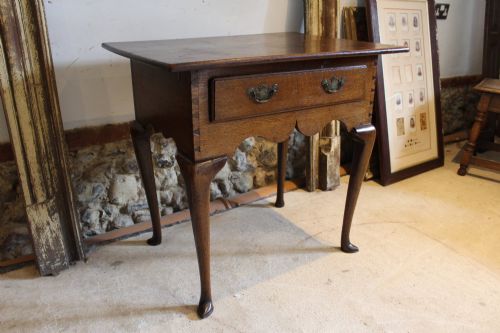
- A small side table or dressing table with one or more drawers and cabriole or straight legs. These tables served domestic writing and storage needs in 18th century rooms.
- Pembroke table
- A small occasional table with hinged drop leaves on either side and a central drawer. Introduced in the 18th century, it offered flexible surface area for breakfast or writing.
- Sofa table
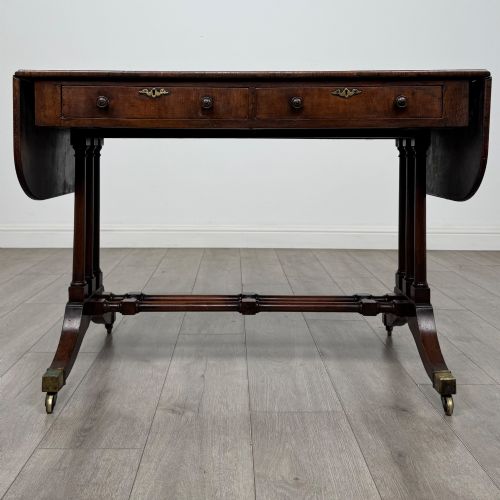
- A rectangular occasional table designed to stand in front of a sofa, typically featuring drop leaves and two small drawers. Regency makers refined these forms for central room placement.
- Cross-banding
- A strip of veneer applied to the borders of a tabletop or drawer front with the grain running perpendicular to the core timber. It provided a decorative frame in Sheraton and Georgian cabinet work.
- Dovetail
- A joint formed by interlocking wedge-shaped fingers used to secure drawer corners. Hand-cut versions indicate traditional 18th and 19th century construction methods.
Georgian Occasional Table Drawer: Frequently Asked Questions
What is a lowboy table used for?
A lowboy served as a compact writing desk, dressing table or side table in Georgian interiors. Its low height and fitted drawers made it suitable for holding papers, cosmetics or small personal items.
Over time these tables moved from bedrooms and dressing rooms into hallways and parlours as display surfaces.
Were these tables used as desks?
Many side tables and lowboys functioned as writing desks when paired with a chair. The addition of a fitted drawer provided storage for inkwells, quills and parchment.
Writing tables and work tables specifically accommodated paperwork and needlework in domestic settings.
What wood was most common?
Mahogany and oak appeared most frequently in these tables, with mahogany favoured for refined parlour pieces and oak used in provincial furniture. Cabinet makers also utilised walnut, fruitwood, elm and pine.
Decorative veneers like burr walnut and satinwood marked higher-status pieces from the period.