
Georgian Table with Drawers
A georgian table with drawers brings practical storage and solid proportions to a room, offering everything from side tables to lowboys.
Georgian Table with Drawers
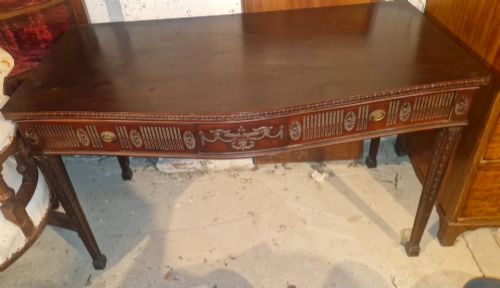
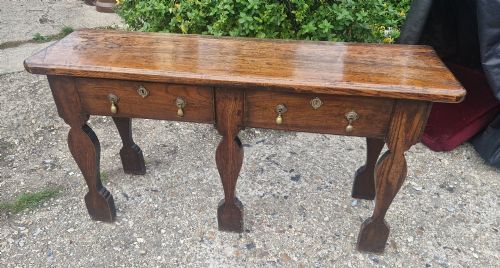
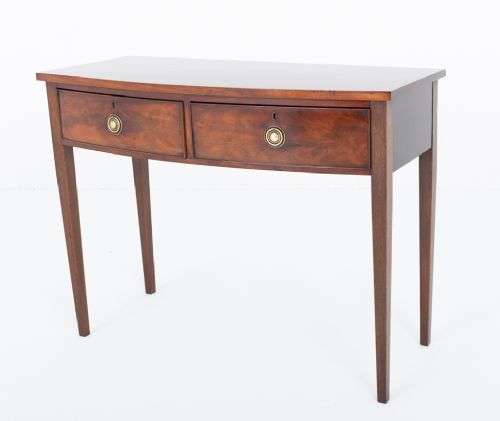
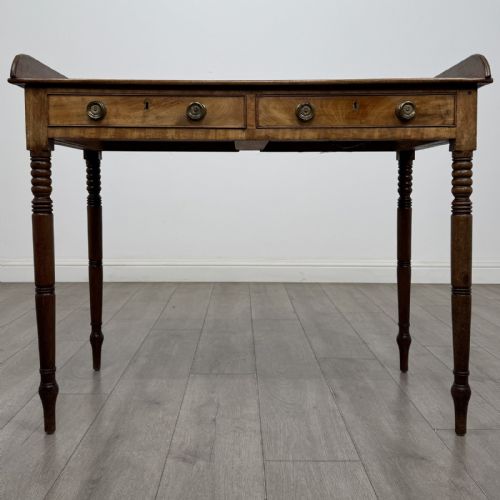
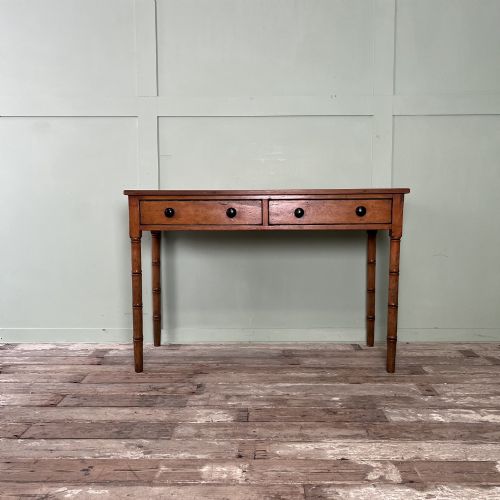
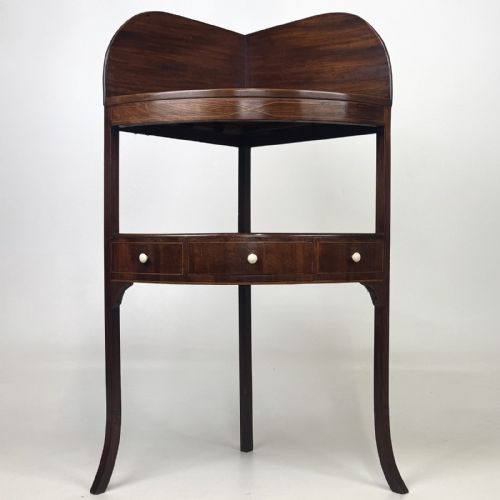
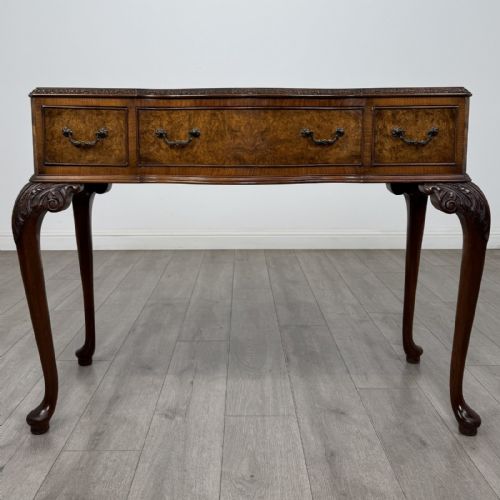
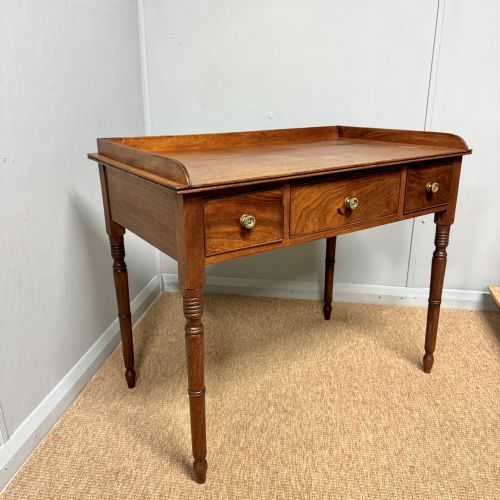
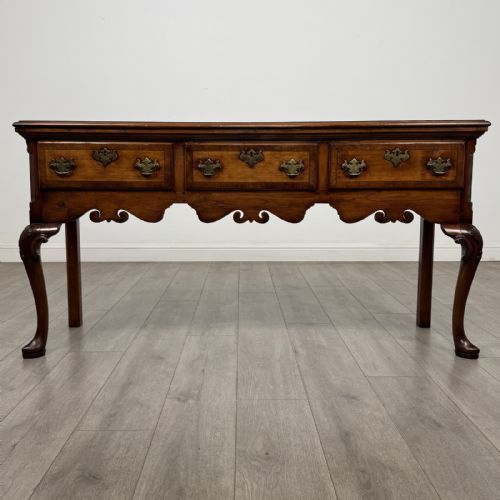
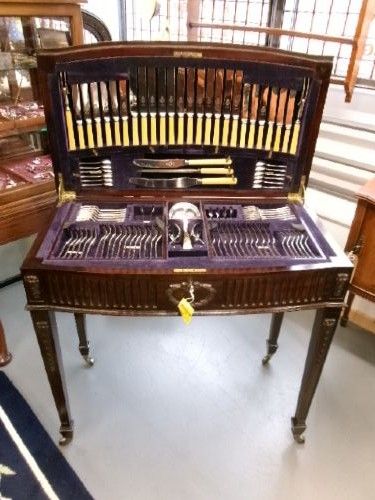
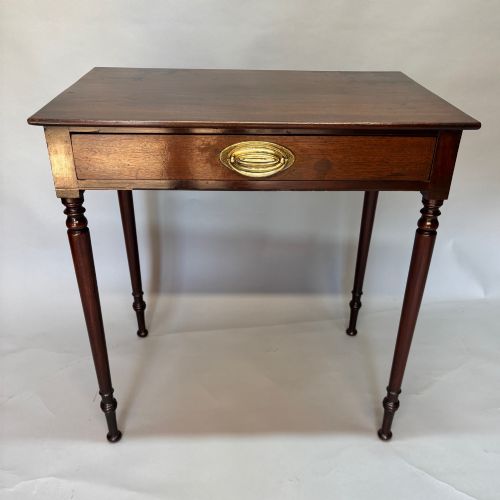
When you search for a georgian table with drawers, you encounter a variety of forms including side tables, lowboys, Pembroke tables, desks, and dressing mirrors with storage. These pieces originate primarily from the eighteenth and nineteenth centuries, spanning periods such as Georgian, Regency, and Queen Anne, alongside later revival pieces.
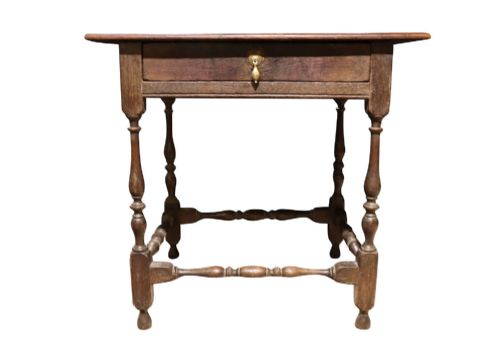
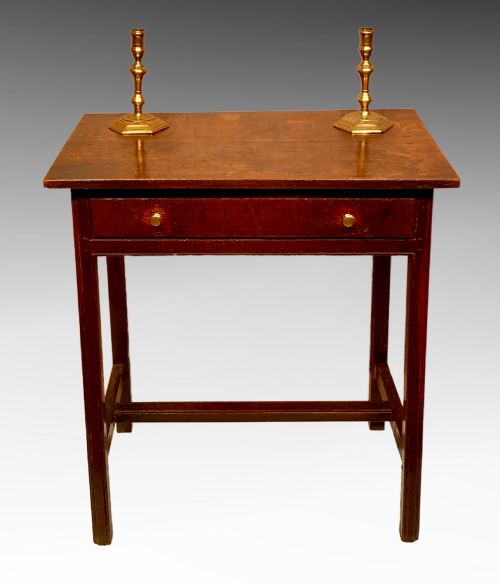
The most common examples on this page are mahogany and oak side tables, lowboys with multiple drawers, and dressing mirrors fitted with small trinket drawers. They range from simple provincial oak pieces to finer satinwood and burr walnut writing tables and desks.
How They Were Made
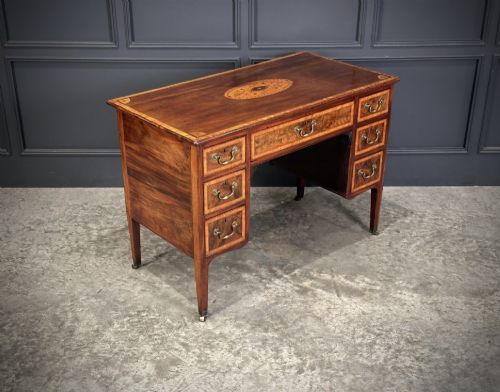
Cabinet makers built these tables using timber like mahogany, oak, walnut, and fruitwood, frequently employing cross-banding in woods such as partridge wood to frame drawer fronts. Brass handles, escutcheons, and occasional leather writing inserts complete the construction of these fitted surfaces.
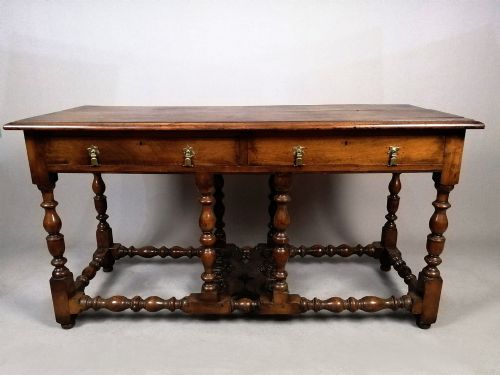
Joinery techniques included pegged joints on earlier oak pieces and precise dovetailing for the drawer boxes. Turned legs, barley twist legs, cabriole legs, and bracket feet support the structures, often accompanied by box stretchers or pierced brackets.
Some dressing mirrors hide secret compartments behind their tiny drawer tiers for safe-keeping.
What Varies in Quality
The refinement of the timber selection dictates much of the quality, seen in the choice between plain provincial oak and highly figured burr walnut, satinwood, or dense mahogany. Grain matching and subtle details like cross-banding or Gothic pierced brackets elevate the execution.
Proportion and integrity of design separate standard pieces from finer examples. Subtle details such as original brass hardware, clean drawer linings with neat dovetails, and balanced leg styles reflect greater skill in the workshop.
The Georgian Table with Drawers Glossary
- Lowboy
- A small side table or dressing table with one to three drawers, typically standing on tall legs. These tables often served as writing or dressing surfaces in bedrooms and parlours.
- Pembroke Table
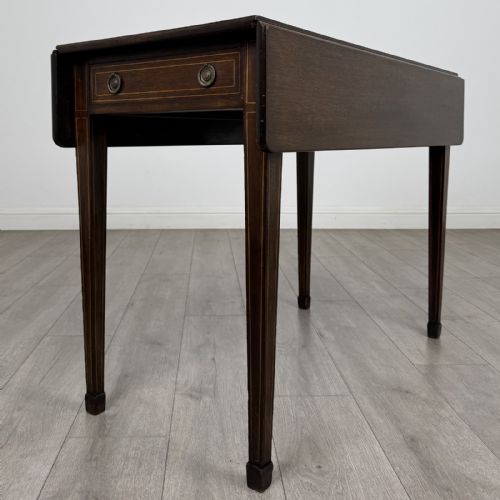
- A small drop-leaf table with hinged flaps on either side and usually one or two fitted drawers. They were designed to be easily moved and opened out when needed.
- Lowboy
- A small side table or dressing table with one to three drawers, typically standing on tall legs. These tables often served as writing or dressing surfaces in bedrooms and parlours.
- Dressing Table Mirror
- A swing mirror mounted on a small box frame containing one or more drawers. These vanity mirrors sat atop chests or dedicated dressing tables.
- Cross-banding
- A decorative border of veneer laid around the edges of a table top or drawer front so that the grain runs at right angles to the central panel. This technique frames the surface with a contrasting pattern.
- Cabriole Leg
- A furniture leg that curves out in a convex shape at the top and tapers inward in a concave shape below, ending in a pad or foot. It is characteristic of Queen Anne and early Georgian furniture.
Georgian Table with Drawers: Frequently Asked Questions
What is a lowboy table?
A lowboy is a small table equipped with drawers, standing on relatively tall legs. They were used historically for various domestic tasks including grooming and writing.
Most examples date from the eighteenth century and feature oak or mahogany construction with multiple small drawers.
How do I use a Pembroke table?
A Pembroke table functions as a versatile occasional table with drop leaves that raise or lower as space requires. The built-in drawer provides convenient storage for small items.
Placed beside a chair or against a wall, it adapts easily to different rooms and daily needs.
Are dressing mirror drawers functional?
The small drawers built into the base of Georgian dressing mirrors were designed to hold small personal items, jewellery, or pins. They add practical enclosed space while supporting the pivoting mirror frame.
These compartments feature traditional dovetail joinery just like larger cabinet furniture.
What woods were used for these tables?
Cabinet makers utilised native and imported timbers, with oak and mahogany being the most prevalent across the period. Walnut, burr walnut, fruitwood, and satinwood appear on finer or more decorative examples.
Secondary woods like pine often form the internal drawer linings and hidden structural elements.