


Georgian Occasional Side Table
When you search for a georgian occasional side table, you are looking at flexible furniture designed to move easily around a room for tea, reading or needlework.
Georgian Occasional Side Table
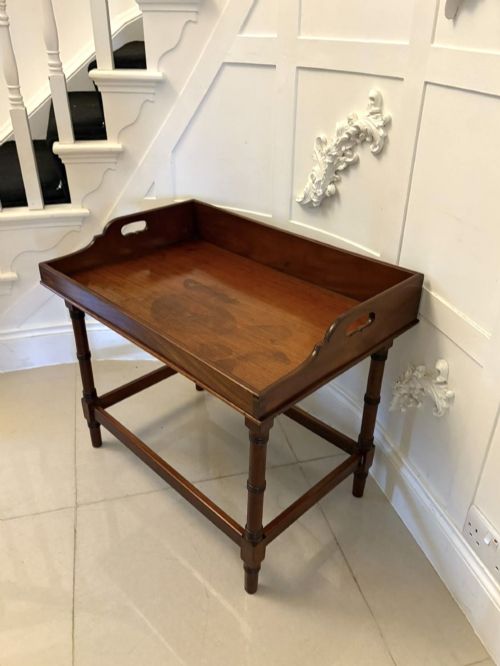
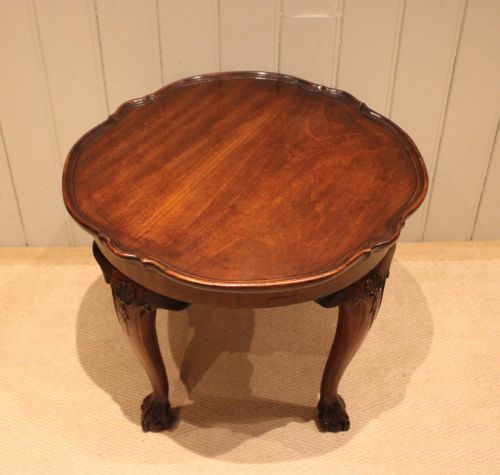
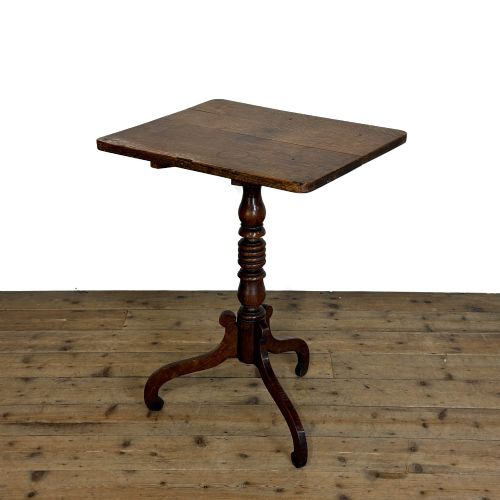
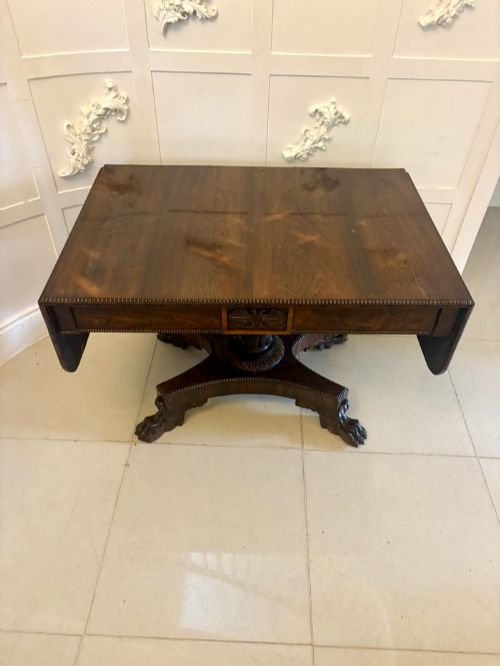
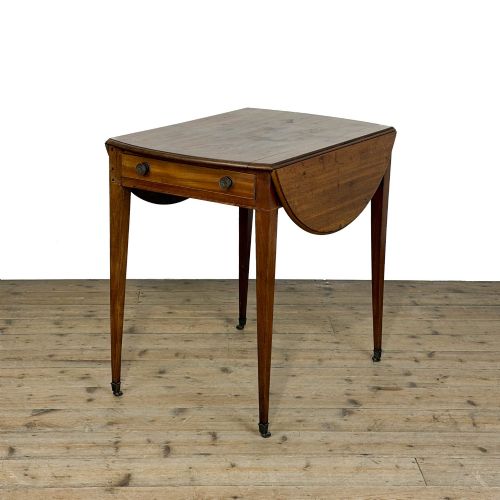
A georgian occasional side table covers a wide variety of small, movable furniture designed for specific domestic tasks in the eighteenth and early nineteenth centuries. The evidence shows formats ranging from tripod wine tables and tilt-top lamp stands to drop-leaf Pembroke tables and lowboys with fitted drawers.
Most examples date from the Georgian and Regency periods, though later revivals from the Edwardian era and the early twentieth century also appear. These smaller tables served versatile roles beside seating or against hallway walls, constructed to be easily lifted or shifted as needed.
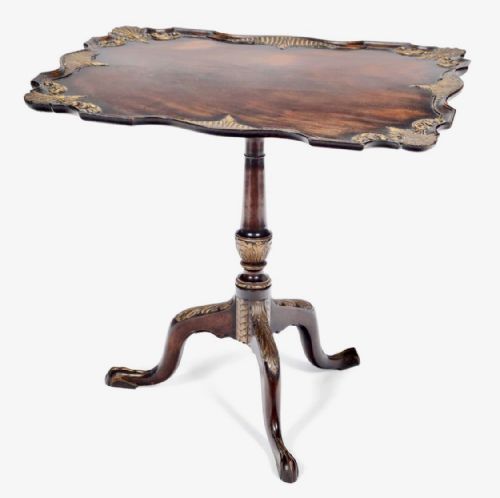
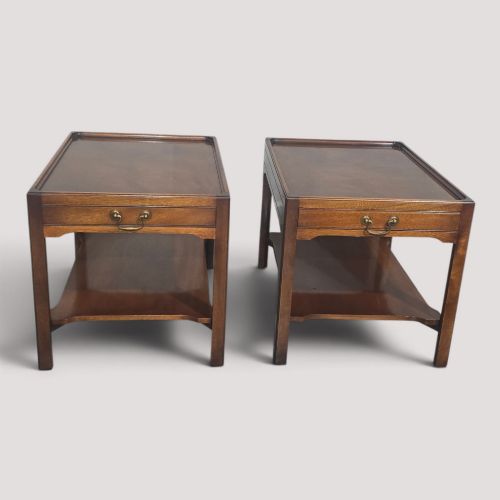
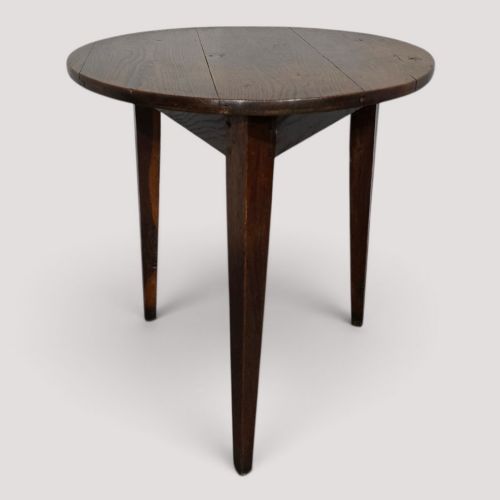
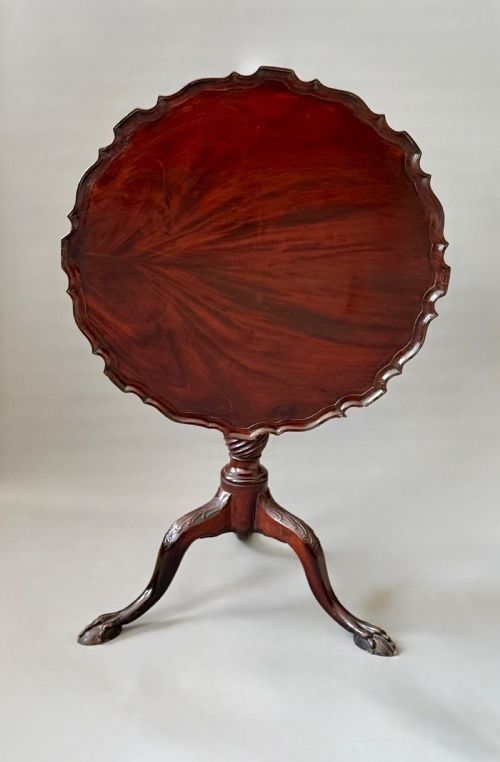
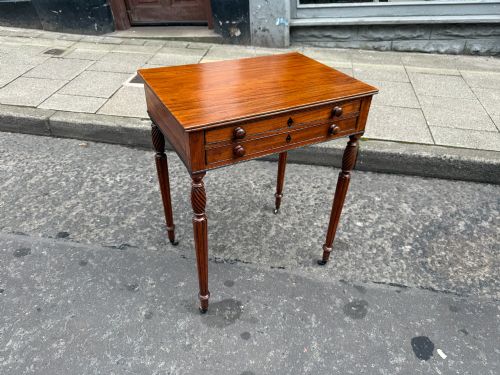
Tripod tables dominate the selection, often featuring circular tops supported by a central pedestal and three curving legs. Other common forms include rectangular side tables with single or double drawers and drop-leaf designs that expand when extra surface area is required.
How they were made
Makers relied heavily on native and imported timbers, with mahogany being the predominant choice for finer urban pieces alongside walnut, satinwood, and rosewood. Provincial and earlier examples frequently employ sturdy local woods such as oak, elm, and ash.
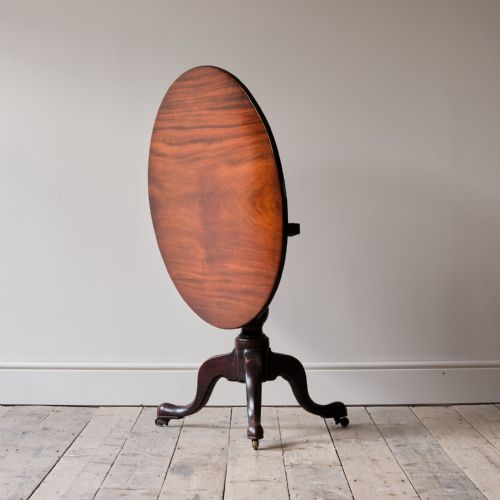
Joinery methods combined traditional frame construction with sophisticated turning and carving. Pedestal tables often utilise a bird-cage or tilt-top mechanism allowing the surface to fold vertically when not in use.
Surface ornamentation ranges from simple polished grain to intricate inlay, banding, and parcel-gilt details. Tops were shaped with raised edges like pie-crust or dish rims, turned from solid timber or carefully pegged together.
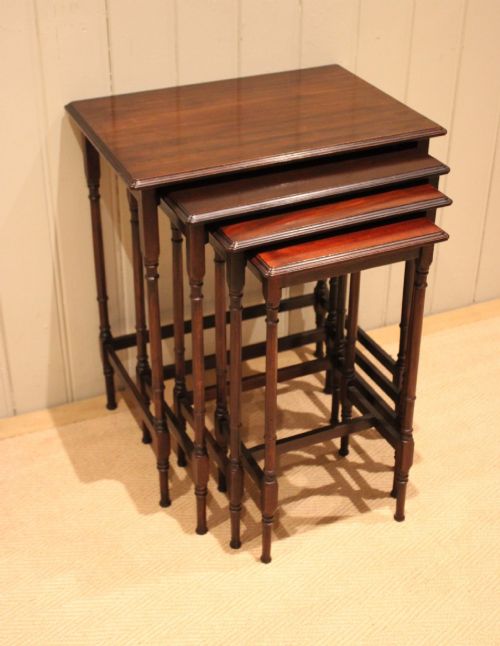
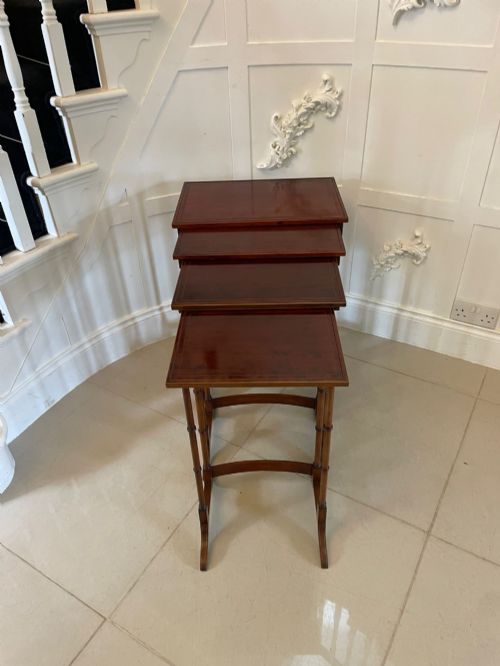
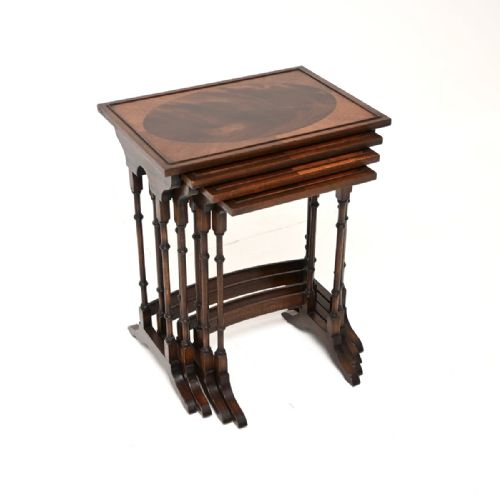
The inventory ranges from tripod wine tables and Pembroke drop-leaf tables to nests of four tables and lowboys.
What varies in quality
The selection of timber dictates much of the visual character, from plain figured oak to richly grained Cuban mahogany, flame mahogany, and satinwood. Finer pieces display careful matching of wood veneers across table tops and drawer fronts.
Construction details reveal the maker's hand, seen in the crispness of carved tripod legs, the neat dovetailing of drawer boxes, and the smooth operation of drop-leaf hinges and tilt catches. Proportion and balance between the top, pedestal, and feet determine the visual harmony of pedestal forms.
Subtleties in edge moulding, brass hardware, and inlay work separate standard utility furniture from sophisticated examples made for prominent town houses or country estates.
Gillow
The Georgian Occasional Side Table Glossary
- Tilt-top
- A table mechanism featuring a hinged block that allows the top to rotate and fold flat against the pedestal for compact storage.
- Lowboy
- A small kneehole dressing table or side table fitted with one or more drawers, standing on relatively tall legs.
- Pembroke
- A drop-leaf table with hinged flaps on opposite sides, typically fitted with a drawer and supported on slender legs.
- Pie-crust
- A decorative raised circular table edge carved with undulating scrolls and curves resembling pastry work.
- Tripod table
- A small freestanding table supported by a single central pillar resting on three spreading legs.
- Spider leg
- A table style featuring exceptionally slender turned legs braced by delicate stretchers, common on late tables.
Georgian Occasional Side Table: Frequently Asked Questions
What is a tilt-top table used for?
A tilt-top table served as a versatile surface for reading, writing, or holding candles and drinks when needed. Because the top folded flat, the table could be tipped aside and tucked against a wall to clear floor space.
This practical feature made them popular in sitting rooms and parlours throughout the Georgian period, allowing a room to change its layout quickly.
How do I identify a Georgian side table?
Look at the timber, proportions, and construction methods, as Georgian cabinetmakers favoured solid mahogany, oak, and figured walnut. Details such as hand-cut dovetails in the drawers and classical proportions point towards the eighteenth century.
Many pieces also feature specific period characteristics like tripod pedestals, pad feet, or subtle cockbeading around the drawer edges.
Where should I place an occasional table?
These compact tables fit naturally beside a sofa, armchair, or in an empty hallway corner where surface space is useful. Their modest footprint allows them to sit unobtrusively while holding lamps, books, or small decorative items.
Pedestal and wine tables work well in tight spaces because their central pillar avoids the clutter of four corner legs.
What is the difference between a side table and a lowboy?
A side table is a general term for any small table designed to stand against a wall, often featuring a simple rectangular top and legs. A lowboy is a specific form of low side table equipped with one or more drawers and typically dating from the earlier eighteenth century.
While both provided surface space, lowboys offered enclosed storage for small personal items, writing materials, or sewing equipment.