
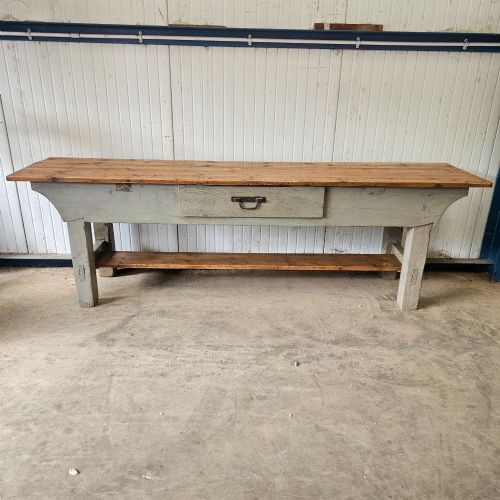
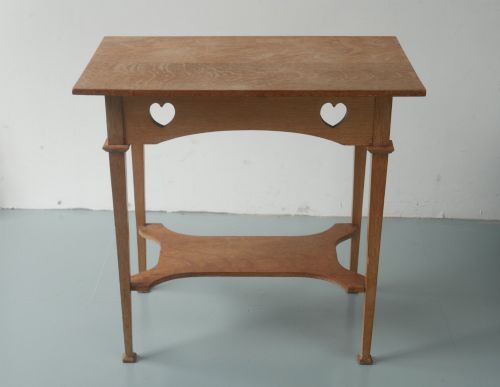
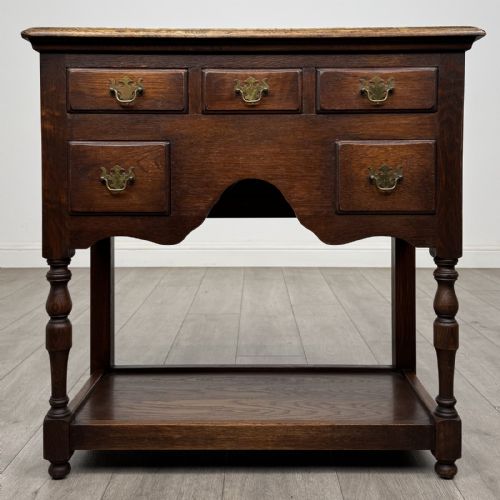
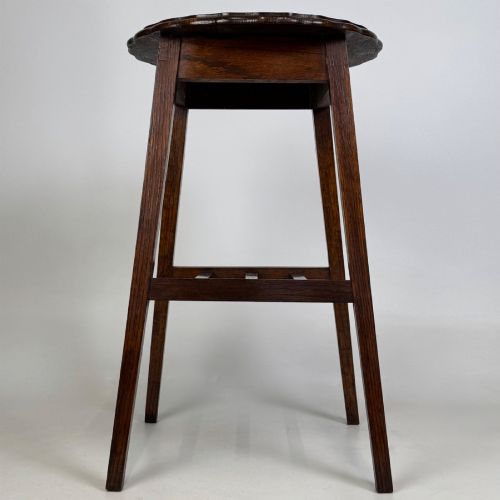

Antique Side Table Shelf
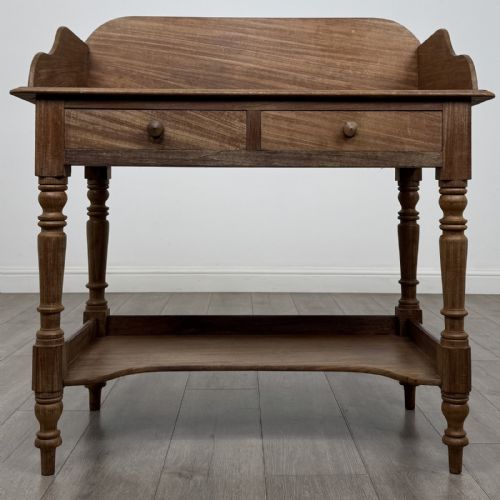
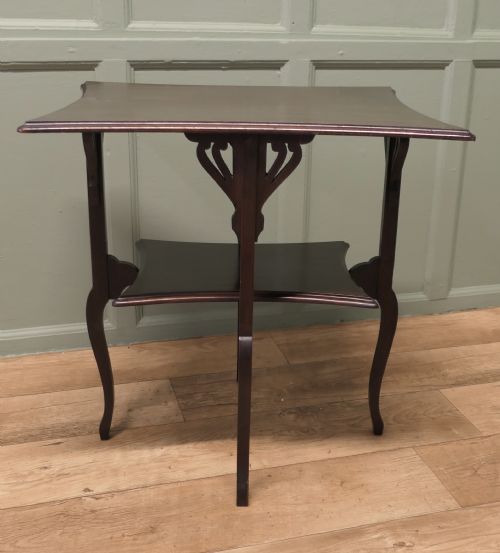
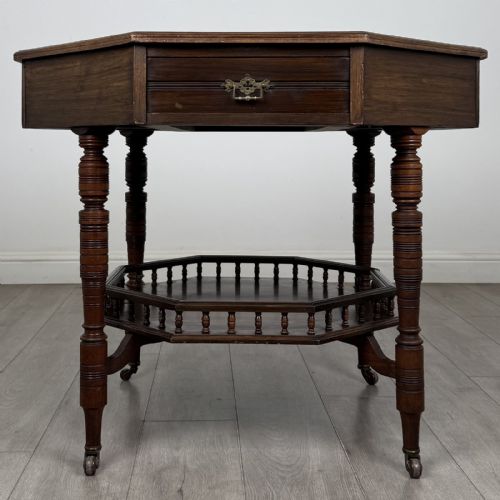
An antique side table shelf provides useful surface space combined with lower tier storage, bringing practical British and French craftsmanship to sitting rooms and bedrooms.
Antique Side Table Shelf
When searching for an antique side table shelf, buyers encounter a diverse selection of multi-tiered occasional furniture designed for compact storage and display. The pieces span periods from the eighteenth century through the Edwardian era and the nineteen-thirties, reflecting shifting domestic habits.
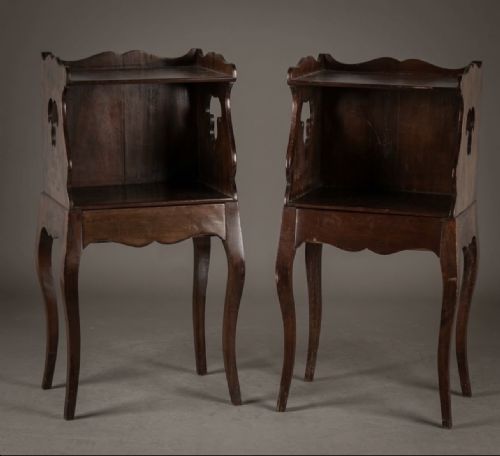
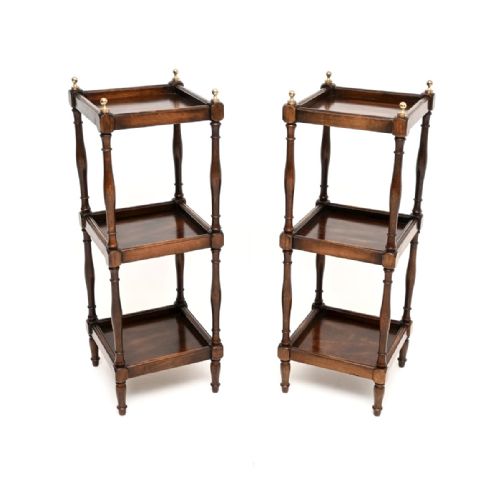
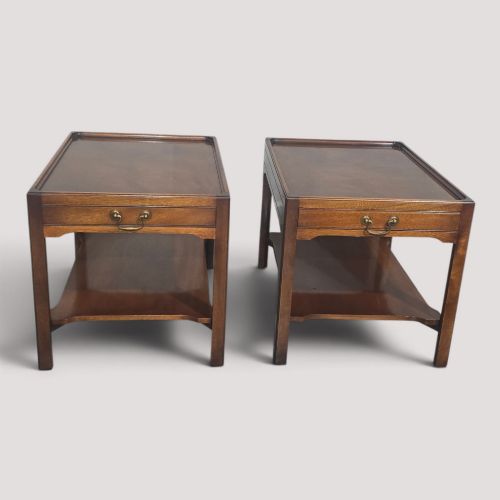
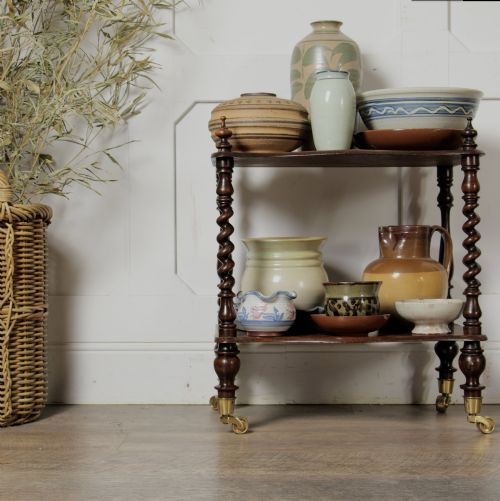
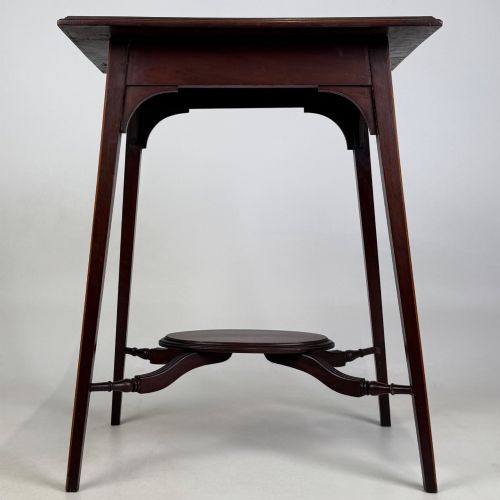
The form appears most frequently as a small side table, bedside cabinet, or tiered whatnot incorporating one or more lower shelves. Oak and mahogany dominate the selection, appearing in styles ranging from simple country pieces to refined Victorian and Edwardian iterations.
How they were made
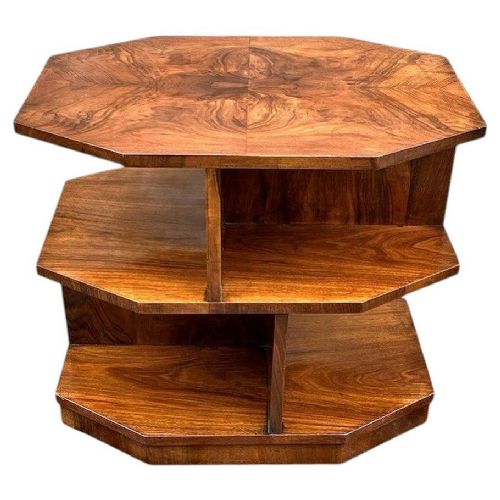
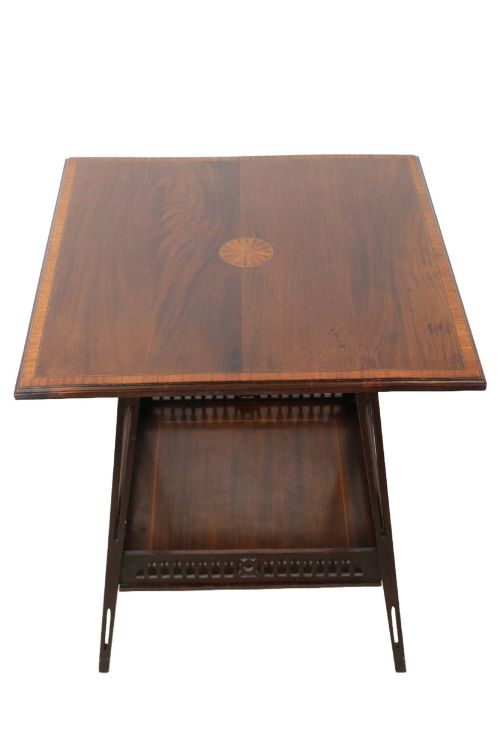
Cabinet makers utilised dense hardwoods such as mahogany, oak, walnut, and rosewood, often enhancing surfaces with satinwood inlay, ebonised details, or parquetry. Structural integrity relied on traditional joinery, turned legs, and barley twist supports.
Auxiliary materials include brass fittings and occasional cast-iron frames, particularly in industrial or later twentieth-century pieces. French provincial examples frequently showcase cherry wood and lighter oak constructions tailored for domestic utility.
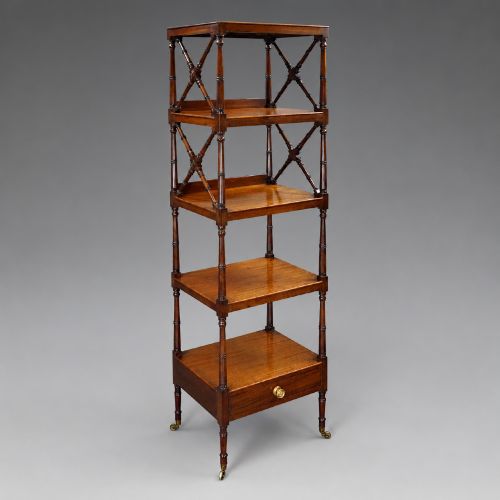
The selection includes side tables, bedside cabinets, etageres, and multi-tiered whatnots.
What varies in quality
Quality rests upon the selection of timber grain, the precision of marquetry inlay, and the crispness of turned or carved supports. Superior examples display thoughtful proportions and harmonious integration between the upper surface and the lower shelf.
Design ambition separates standard utility items from distinctive pieces attributed to known makers or specific aesthetic movements. The finesse of the finish and the retention of original brass hardware further distinguish finer examples.
Trevor Page & Co·Maison Giroux
The Antique Side Table Shelf Glossary
- Étagère
- A piece of furniture consisting of a set of open shelves for displaying small objects. These tiered stands frequently function as side tables or corner display units.
- Whatnot
- An open set of shelves used for books or ornaments, popular throughout the nineteenth century. They often feature multiple tiers supported by slender turned columns.
- Parquetry
- Geometric mosaic woodwork used for decorative floors or furniture panels. Cabinet makers applied this technique to table tops and shelf surfaces.
- Barley twist
- A type of turning resembling a spiralling rope used for table legs and supports. This decorative woodworking style appears frequently on Victorian stands.
- Aesthetic Movement
- A late nineteenth-century design current promoting art for art's sake. Pieces from this style often exhibit Anglo-Japanese influences and ebonised finishes.
Antique Side Table Shelf: Frequently Asked Questions
What is an antique side table shelf used for?
These tables provide a convenient upper surface for lamps, drinks, or books while incorporating lower shelves for additional storage. They serve effectively beside armchairs, sofas, or beds.
Historically, multi-tiered tables allowed households to display decorative items, periodicals, and writing materials within domestic living spaces.
How do I identify an Edwardian side table shelf?
Edwardian pieces often feature lighter mahogany timbers, delicate satinwood inlay, and tapered legs. They reflect a more refined, domestic scale compared to earlier heavy Victorian designs.
Makers of this period frequently produced oval occasional tables and revolving bookcases incorporating lower display shelves.
Are these tables suitable for small rooms?
The inclusion of a lower shelf makes these tables exceptionally space-efficient, offering vertical storage without increasing the floor footprint. Slim etageres and bedside cabinets fit neatly into narrow alcoves.
Their compact dimensions allow them to function as lamp tables or bedside stands in restricted spaces.
How do I care for antique wood furniture?
Maintain timber surfaces by dusting with a soft, dry cloth and avoiding placement near direct heat sources or strong sunlight. Proper humidity levels prevent the wood from splitting.
Applying occasional appropriate wax preserves the polished finish of mahogany, oak, and walnut without damaging historic surfaces.