
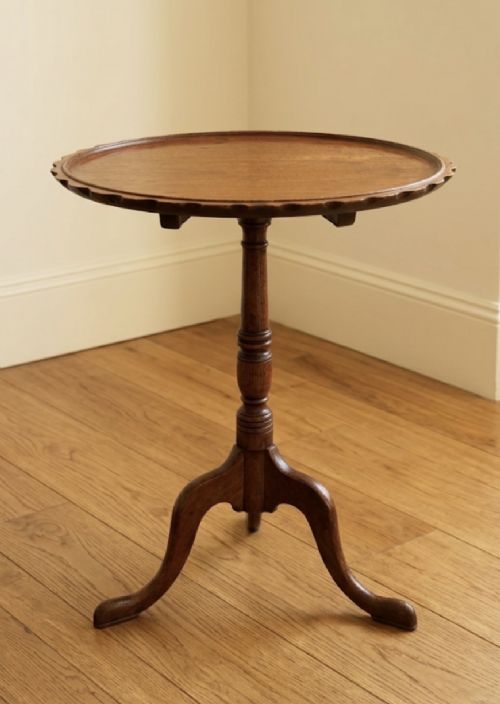


Georgian Oak Pedestal Stand
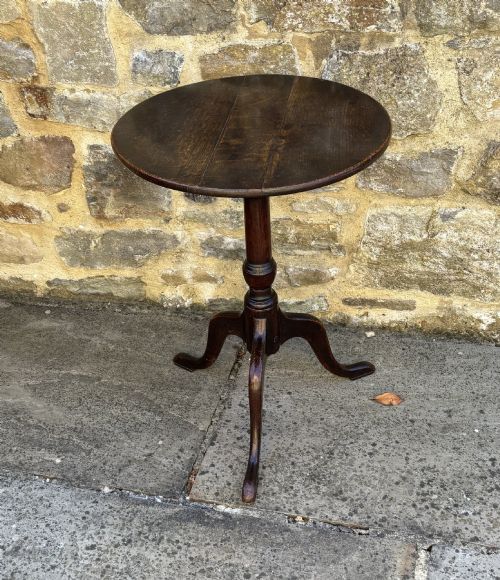
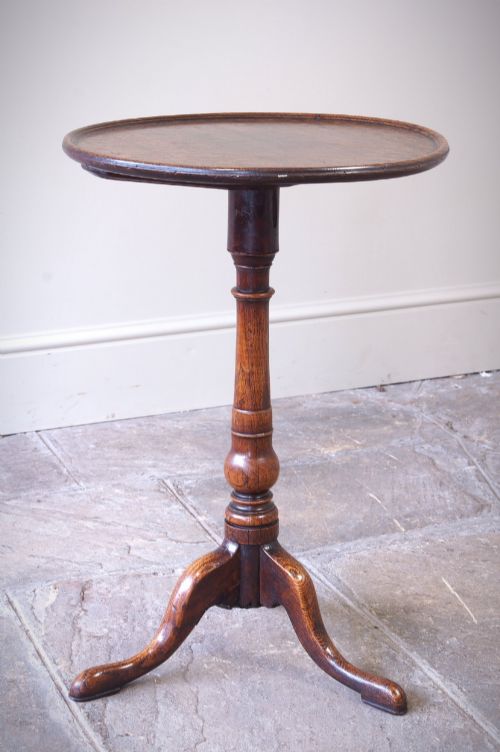
A georgian oak pedestal stand brings domestic utility and rustic warmth to a room through its sturdy three-legged tripod form.
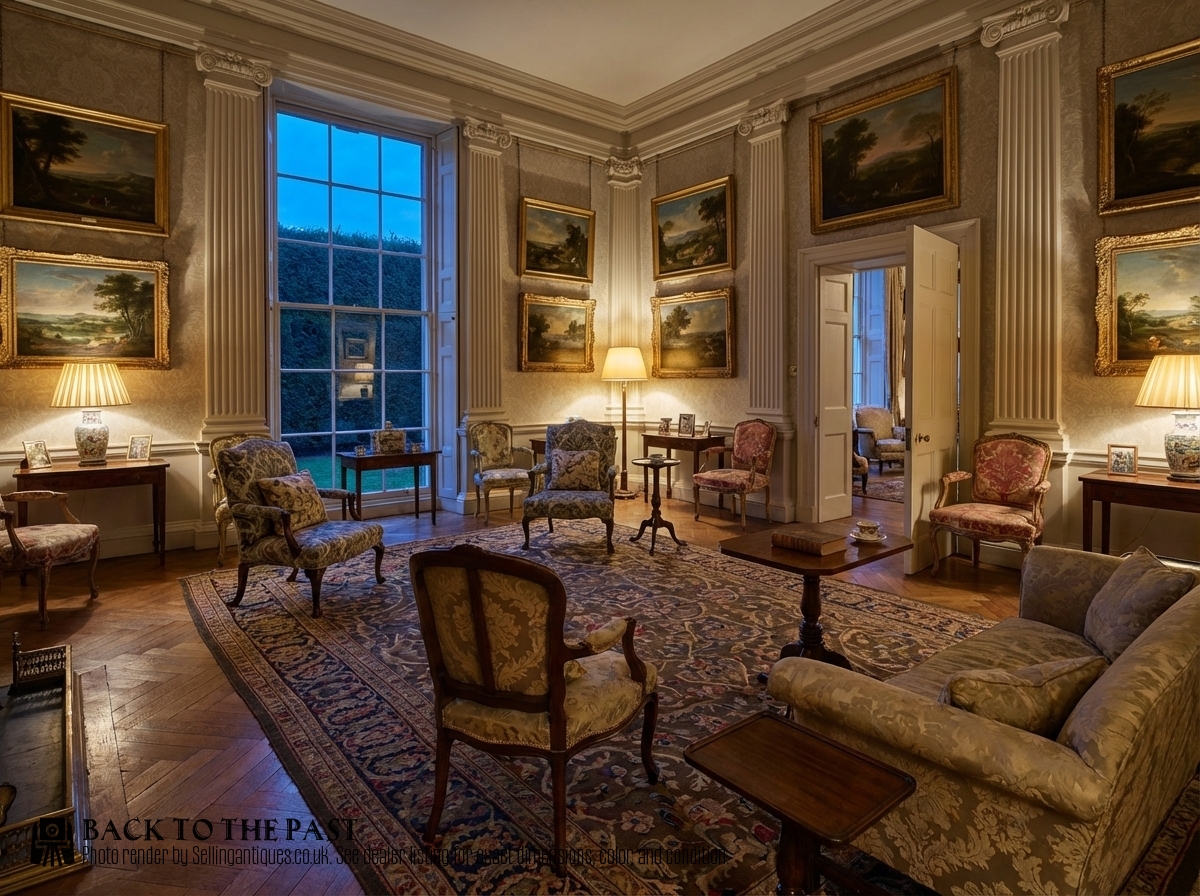
Georgian Oak Pedestal Stand
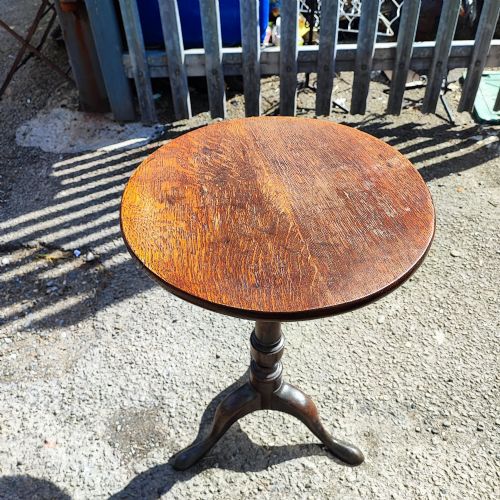
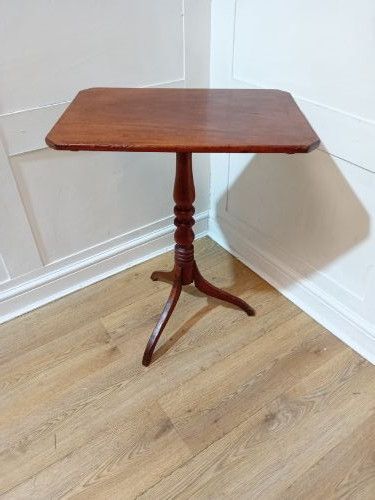
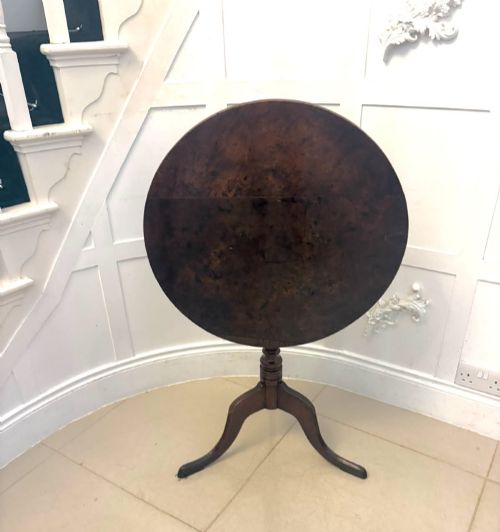
A georgian oak pedestal stand primarily takes the form of a small wine table, occasional table, or candle stand designed for domestic convenience. These pieces appear frequently as tripod tables featuring circular or tilt-top surfaces supported by a central pillar.
Makers shaped these items across the eighteenth century and into the nineteenth century, drawing on regional vernacular traditions. Examples emerge from specific localities such as Wales and Ireland alongside standard English workshop production.
The inventory demonstrates a strong representation of rustic farmhouse styles and primitive construction sitting alongside refined George I and Chippendale interpretations. Buyers encounter small lamp tables and torcheres suited for modern corners just as much as historical room settings.
Gradations of Quality
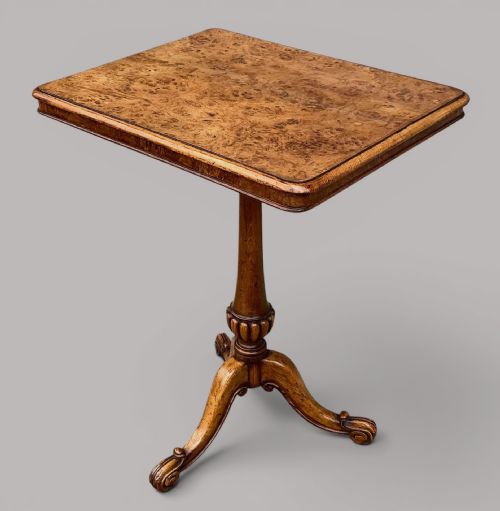
Quality separates ordinary utilitarian items from superior examples through the choice of timber figure and surface patination. Burr oak veneers and richly figured grains elevate the visual presence of a small occasional table.
Proportion and the turning of the central column dictate the balance of a tripod base. Finely sculpted legs and original tilt mechanisms reflect higher standards of period craftsmanship compared to basic rustic alternatives.
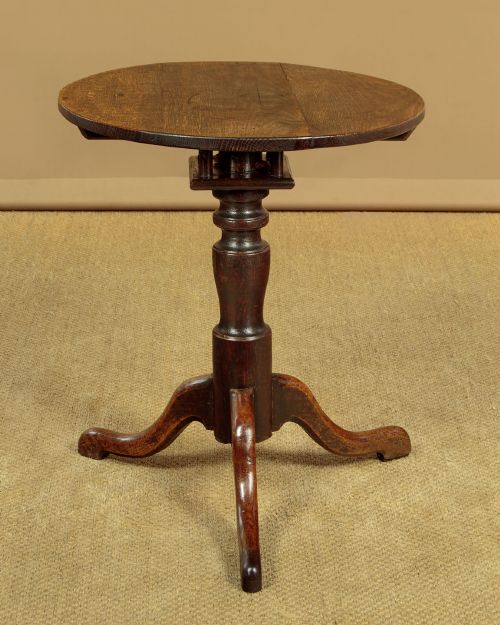
Makers occasionally gave tables birdcage pivots so the top could spin like a compass while waiting for tea.
The Georgian Oak Pedestal Stand Glossary
- Tripod table
- A small freestanding table supported by a pillar on three legs. This configuration prevents wobbling on uneven floorboards.
- Tilt-top
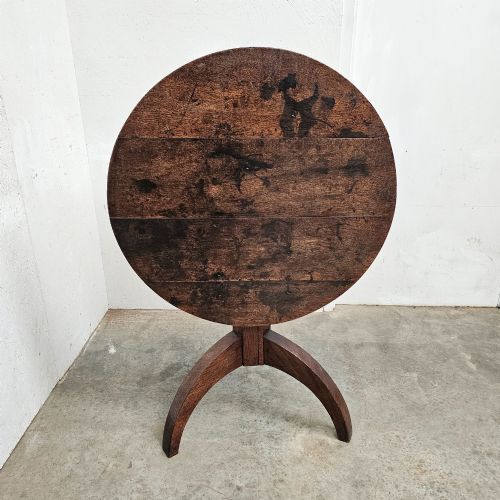
- A tabletop hinged to the central pedestal that tips vertically when not in use. It allows the furniture to stand flat against a wall.
- Birdcage
- A timber framework beneath the tabletop that enables the surface to both rotate and tilt. This mechanism is typical of better eighteenth-century examples.
- Torchere
- A tall stand designed to hold a light source or candle. They function equally well today as plant stands.
- Patination
- The surface sheen and colour developed by aged timber through decades of handling and polishing. Good patination reveals the natural warmth of the grain.
Georgian Oak Pedestal Stand: Frequently Asked Questions
What was a pedestal stand used for?
These small tables served practical roles beside seating areas for holding candles, wine glasses, or reading lamps. Their portable nature allowed servants to move them easily around the room as needed.
Today they function effectively as lamp tables or plant stands in contemporary spaces. Their compact footprint suits awkward corners and smaller reception rooms.
How do I identify an eighteenth century stand?
Examination of the timber fixings, hand-cut joinery, and underlying wear patterns helps determine age. Eighteenth-century examples often display pegged joints and uneven hand-turned columns rather than uniform machine production.
Subtle variations in the timber surface and traditional construction methods distinguish genuine period pieces from later nineteenth-century revivals.
Are these stands made from solid oak?
Most examples utilise solid oak for the primary structure, though regional pieces frequently mix oak with elm for tabletops. Some incorporate decorative burr oak veneers over secondary timbers to create striking patterned surfaces.
Evaluating the grain structure helps determine whether a piece relies on solid timber or decorative veneering.