

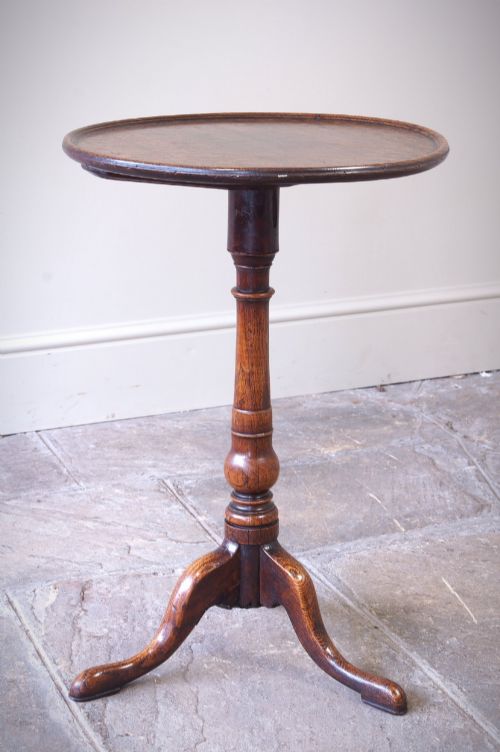
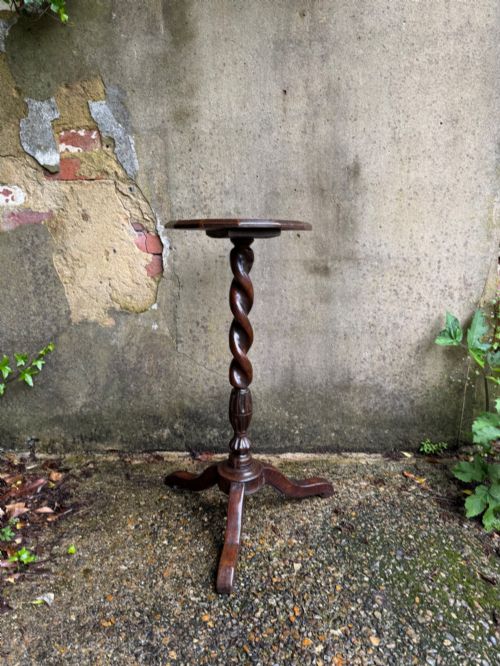
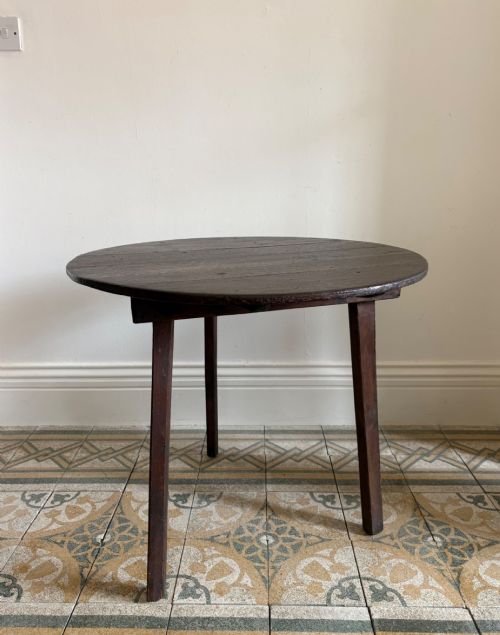
Small Oak Tripod Table
These small oak tripod table pieces offer compact surfaces raised on slender pedestals, combining utility with regional craft traditions.
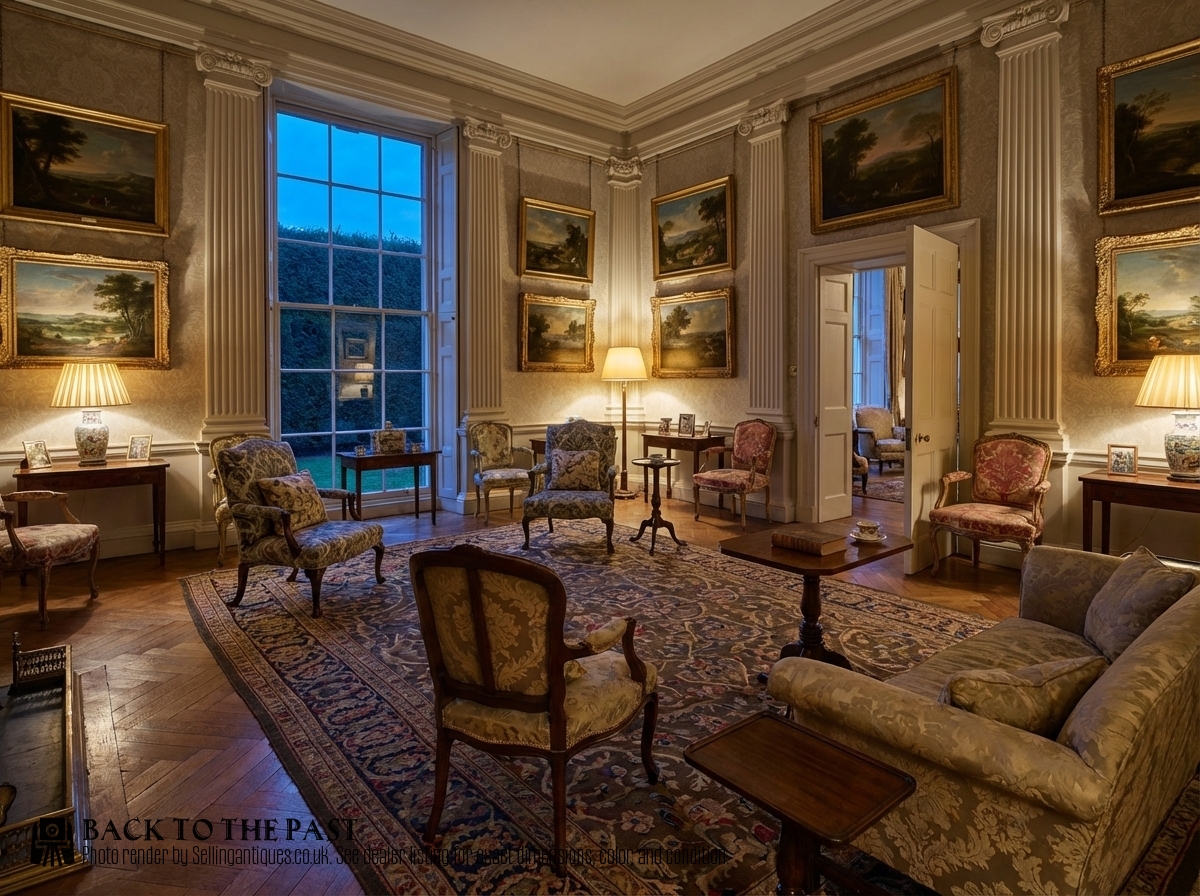
Small Oak Tripod Table
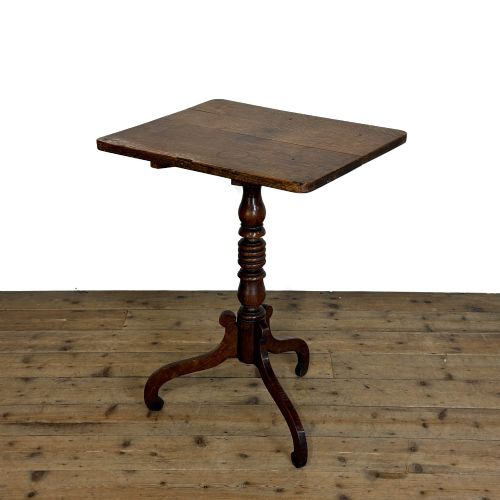
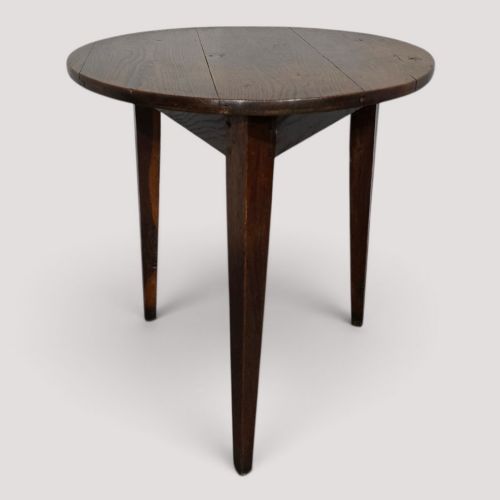
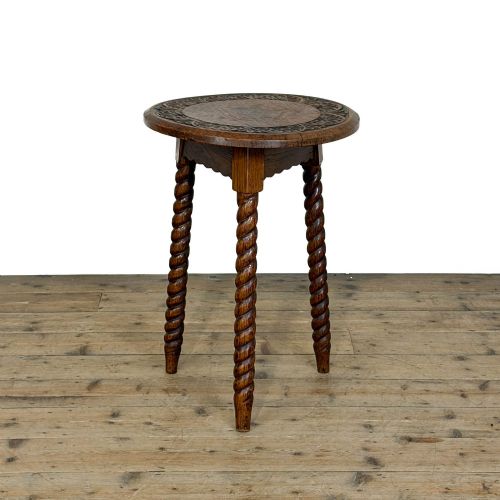
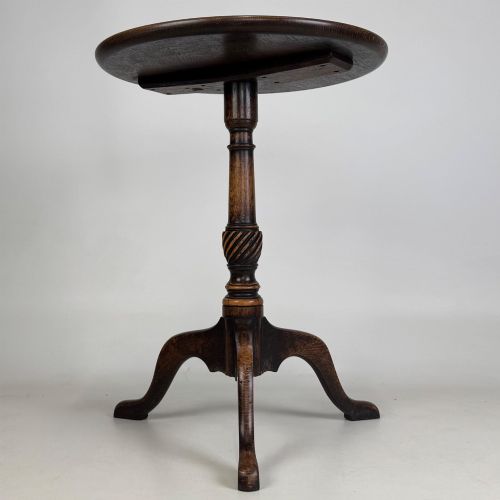
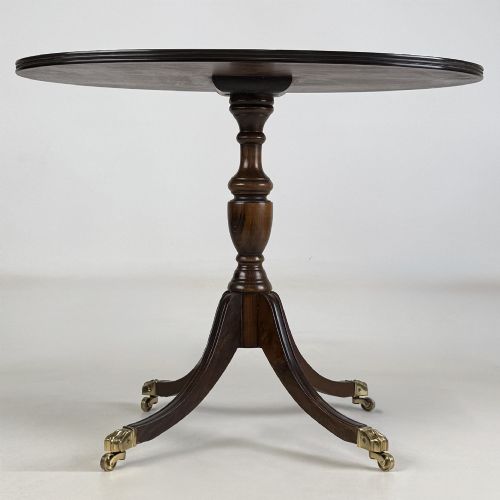
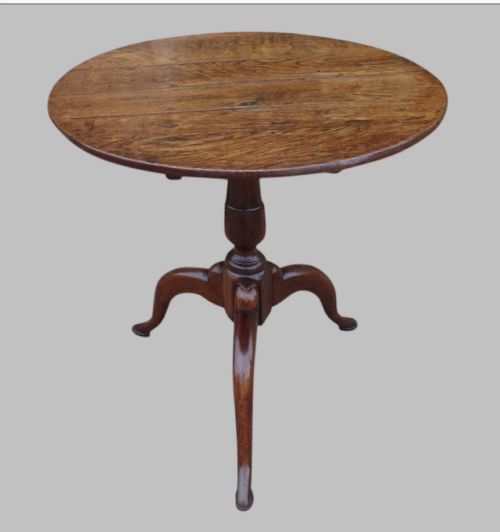
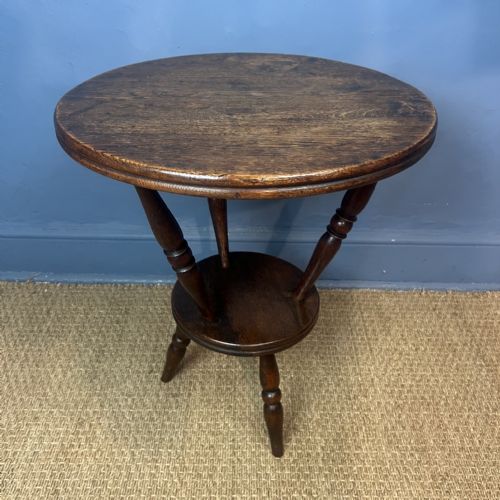
A small oak tripod table serves as a versatile piece for holding lamps, wine glasses or candles beside seating, appearing frequently in Georgian and eighteenth-century forms. Buyers find these items across periods ranging from the seventeenth century through to Edwardian revivals, taking shapes such as wine tables, candle stands and cricket tables.
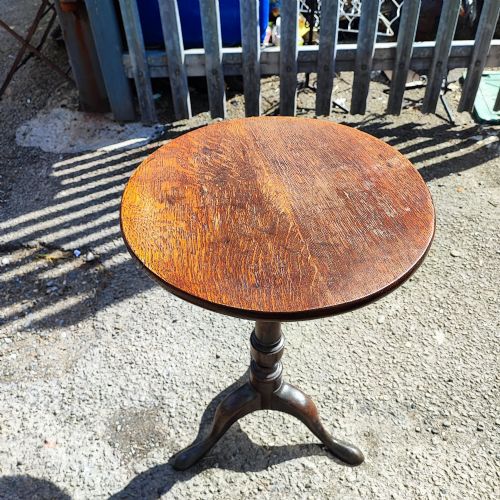
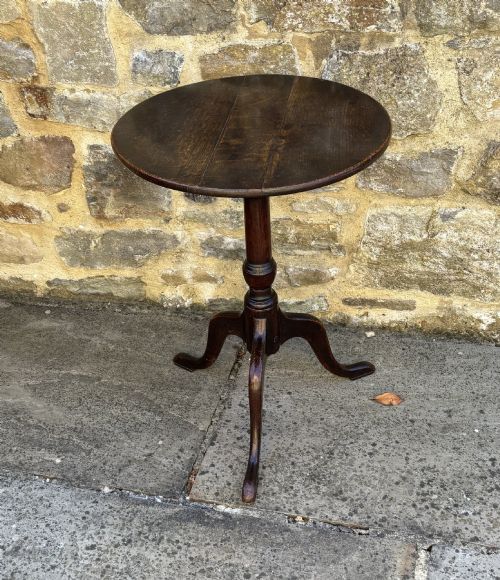
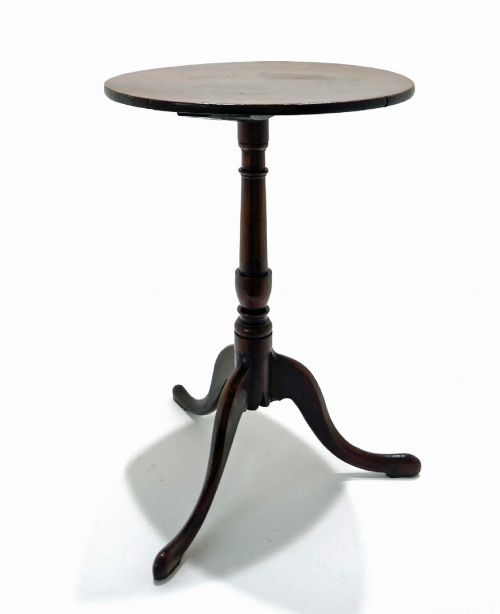
The most common examples on this page are eighteenth-century and George III tripod tables featuring circular or tilt tops. Country workshops produced these pieces widely utilising native timbers, resulting in portable items well suited for compact interior spaces.
Materials and Construction
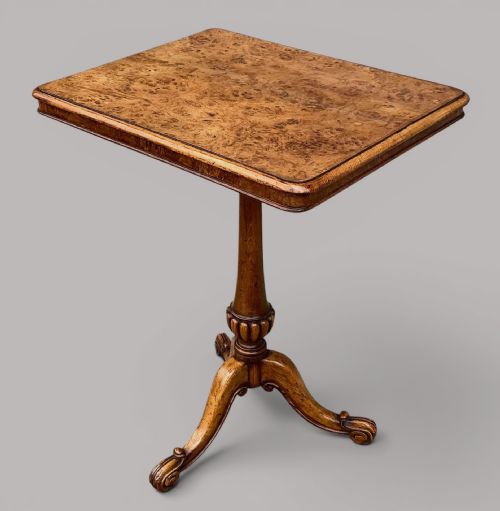
Cabinet makers constructed tops from solid oak, burr oak veneer, or elm planks, often mounting them onto slender turned columns supported by three splayed legs. Joinery methods included dovetailing, pegged joints and tilt-top mechanisms allowing the surface to fold vertically when not in use.
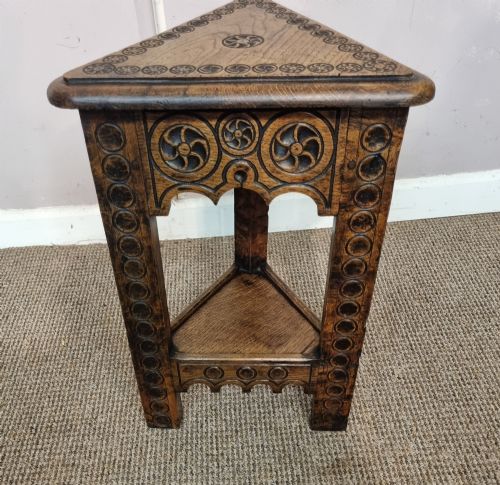
Secondary timbers such as pine sometimes appear in base structures, while decorative variations incorporate carved details, ebonised elements or contrasting burr veneers on the upper surface.
Milking stools and cricket tables prove that seventeenth-century furniture designers understood the absolute stability of a three-legged stool on a lumpy cottage floor.
Distinctions in Quality
Quality separates pieces by the proportional harmony of the slender column, the grace of the tripod legs, and the selection of timber figures such as burr oak. Well-executed examples display refined turning on the central pedestal and tight, stable joinery connecting the legs.
Country pieces show simpler forms with utilitarian plank tops, whereas formal examples exhibit sophisticated carving, tilt-top actions, and superior surface patination developed through age.
The Small Oak Tripod Table Glossary
- Tripod Table
- A small occasional table supported by a central pillar standing on three legs. These tables gained popularity during the Georgian period for use as wine or candle stands.
- Cricket Table
- A small circular table featuring three legs and often a lower tier for storage. Traditionally associated with early English domestic interiors.
- Tilt Top
- A table mechanism allowing the wooden top to pivot and lock vertically. This function enabled owners to store the table flat against a wall when space was required.
- Burr Oak
- Wood taken from a growth deformity on an oak tree, yielding highly figured patterns. Cabinet makers utilised this timber as veneer on prominent surfaces.
- Wine Table
- A compact pedestal table designed specifically to hold drinks. Examples typically feature small circular tops and stable tripod bases.
Small Oak Tripod Table: Frequently Asked Questions
What were small oak tripod tables used for?
These tables served flexible domestic functions, holding items like portable lighting, drinks or reading materials near seating areas. Their compact dimensions allowed servants to move them easily around rooms as daily needs shifted.
In eighteenth-century interiors, specialised variants acted as candle stands or wine tables during evening gatherings. Their light construction made them practical for multiple household tasks.
How do I identify a Georgian tripod table?
Georgian examples typically feature hand-turned central pedestals, three splayed legs often ending in pad or spade feet, and pegged tenon joints. Oak and elm were standard timbers for country workshops during this era.
Many Georgian pieces include tilt-top mechanisms with iron catches. The timber surfaces display deep natural patination developed over centuries of use.
Where should I place a tripod table in my home?
These tables fit well beside sofas, armchairs or in hallways where floor space is limited. Their small footprint makes them practical surfaces for table lamps or decorative objects.
Tilt-top models can stand flat against a wall as a decorative feature when not in use. Their neutral oak tones blend easily with various interior styles.