



Georgian Oak Pad Foot Table
These georgian oak pad foot table examples offer sturdy timber and timeless simplicity, making them a practical choice for everyday dining or side storage.
Georgian Oak Pad Foot Table
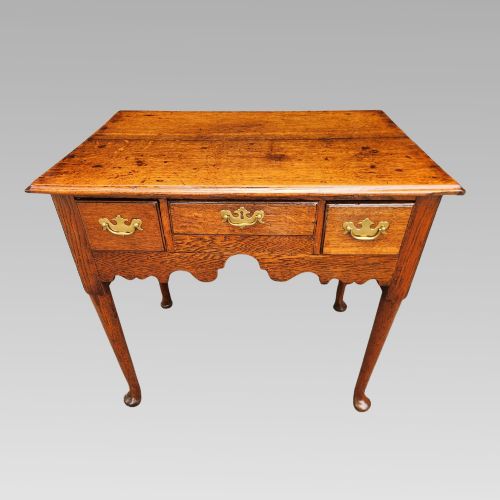
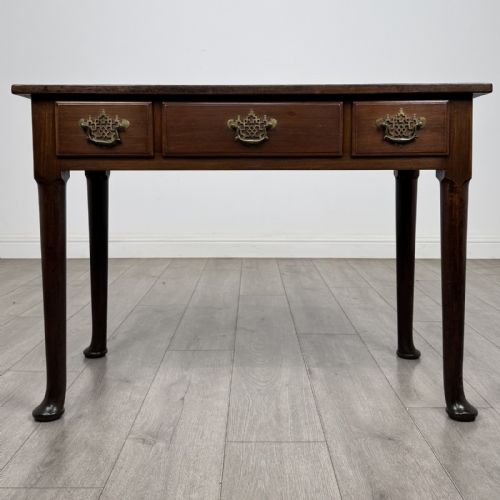
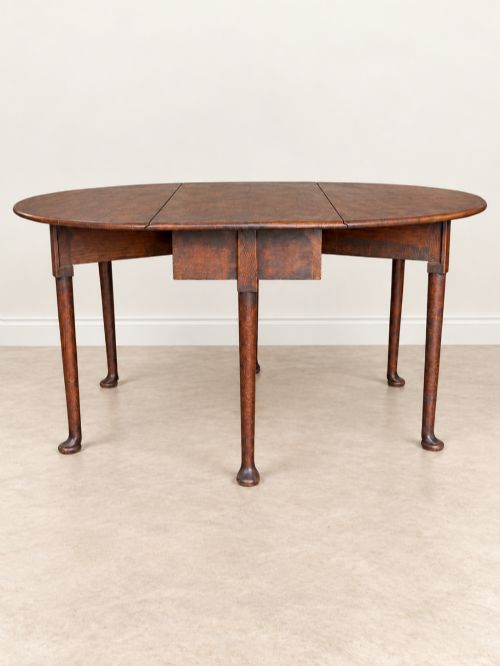
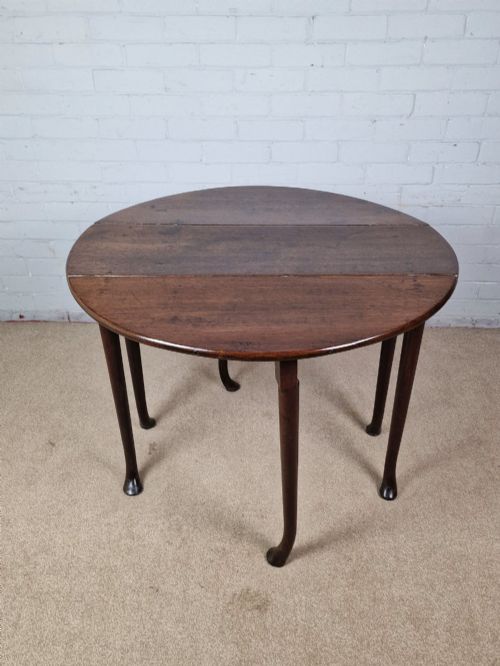
A georgian oak pad foot table typically appears as a side table, lowboy, or gate leg dining table dating from the eighteenth century or later revival periods. These domestic pieces combine sturdy construction with functional folding leaves or drawer storage.
The materials and forms reflect traditional British cabinet making, utilising solid oak timber alongside mahogany and brass elements. Buyers frequently encounter gate leg dining tables and side tables bearing the characteristic pad feet associated with early forms.
While genuine eighteenth century examples exist alongside nineteenth century interpretations and later nineteenth and twentieth century revival pieces, each item shares a utilitarian heritage. Selecting the right form depends upon the intended room space and the desired period aesthetic.
Construction and Materials
Makers constructed these tables primarily from solid oak, sometimes incorporating brass hardware for drawer pulls or hinges on gate leg mechanisms. Cabinet makers relied on sturdy timber framing to support drop leaves and operating drawers.
Joinery techniques matched the functional demands of daily household use, particularly for gate leg dining tables that required pivoting legs to support extended leaves. Surfaces were shaped and smoothed to highlight the natural grain of the oak.
Georgian Oak Pad Foot Table Retail Price Guide 2026
Typical asking prices for georgian oak pad foot table among the pieces listed under this phrase on Sellingantiques today, from the lower quarter to the upper quarter. They describe what is for sale here now, not the wider market.
Current listings feature pieces spanning the eighteenth century, nineteenth century, and twentieth century revival periods, constructed primarily in oak and mahogany.
Assessing Quality and Craftsmanship
Quality separates the finer eighteenth century cabinet work from later revival interpretations through the crispness of the timber moulding and the integrity of the structural joints. Superior pieces exhibit thoughtful selection of oak boards and careful hand shaping of the pad feet.
The proportion of the frame and the smoothness of any operating drop leaves or drawers indicate the original maker's skill. Variations in the depth of colour and the preservation of the timber surface further distinguish exceptional examples from standard utility items.
The Georgian Oak Pad Foot Table Glossary
- Pad foot
- A simple rounded foot shape terminating the leg, commonly seen on eighteenth century furniture styles like Queen Anne. It provides a soft, unadorned transition to the floor.
- Gate leg table
- A table featuring hinged leaves supported by swing out legs that resemble a gate. This clever design allows the surface area to expand or contract as needed.
- Lowboy
- A small oak or mahogany table with one or more drawers, typically used as a side table or dressing table. They originated in the late seventeenth century and remained popular through the Georgian era.
- Drop leaf
- A hinged table top section that can be raised and supported by folding brackets or legs. It offers space saving versatility in smaller rooms.
Georgian Oak Pad Foot Table: Frequently Asked Questions
Where should I place a gate leg table?
These tables fit well in dining rooms or kitchens where space flexibility matters. Dropping the leaves allows the piece to rest flat against a wall when not in use.
Opening both leaves creates a larger surface suitable for seating multiple guests for dinner.
How do I care for oak furniture?
Keep wooden surfaces away from direct heat sources and strong sunlight to prevent the timber from drying out or splitting. Regular dusting with a dry cloth maintains the natural finish.
Applying a traditional wax occasionally helps nourish the grain and protect the surface from minor moisture marks.
What is a lowboy used for?
A lowboy serves as a versatile side table or hall table offering convenient surface space and drawer storage. Historically utilised for personal grooming, modern homes often place them in hallways or living areas.
The compact proportions allow them to fit into tighter spaces while still providing practical storage drawers.
How do I identify a drop leaf table?
Look for a fixed central top section flanked by hinged side flaps that drop down vertically. Supporting these flaps usually involves pivoting legs that swing outward from the main frame.
This folding mechanism distinguishes them from standard fixed top tables and provides adjustable surface space.