
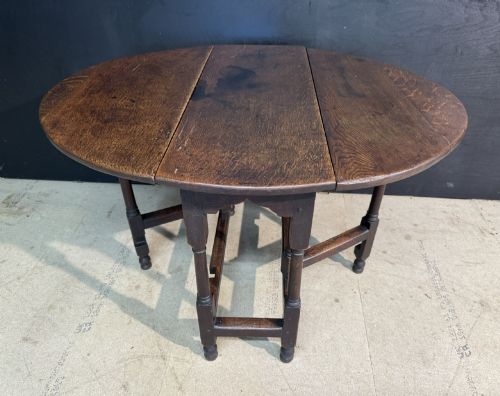
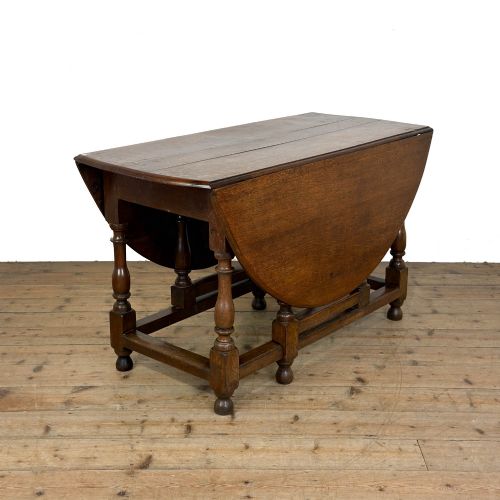
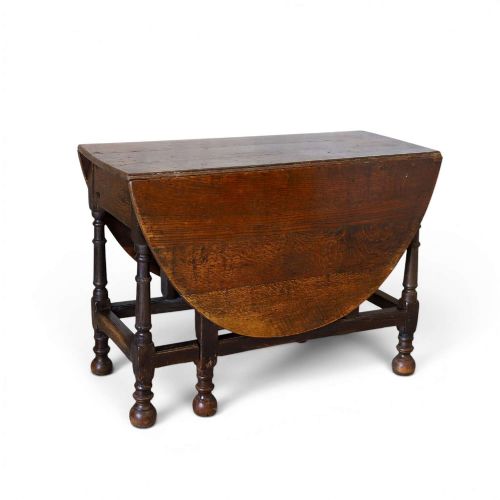


Georgian Oak Flap Table
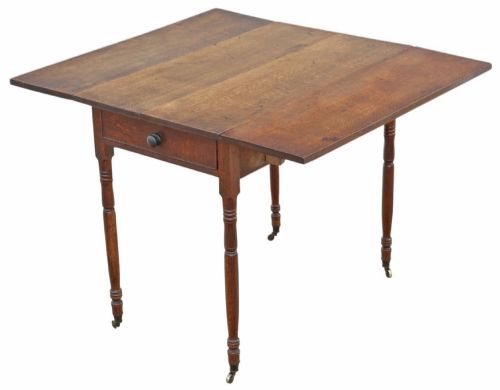
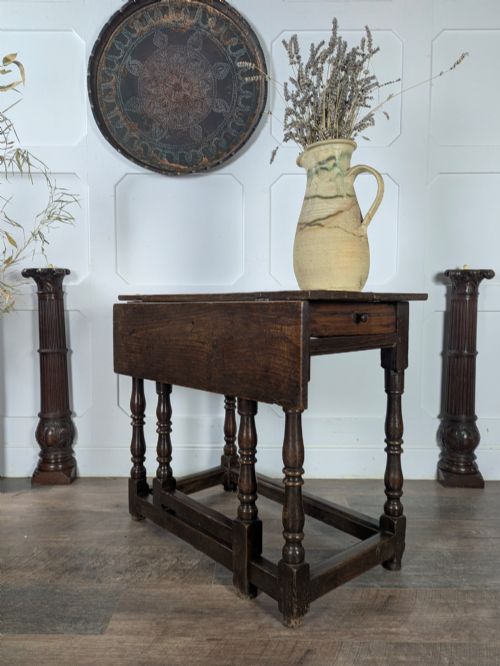
A georgian oak flap table offers sturdy dining and writing surfaces that fold away neatly when floor space matters.
Georgian Oak Flap Table
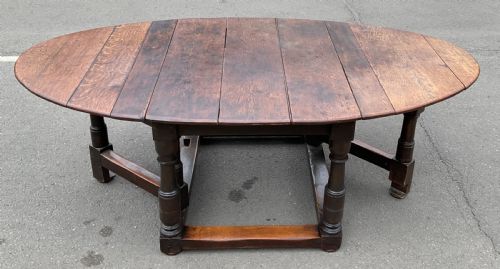
A georgian oak flap table is primarily found as a gateleg dining table or a smaller drop-leaf table designed for everyday rooms. These items span periods from the early eighteenth century through to the nineteenth century, reflecting English country and formal Georgian cabinetmaking.
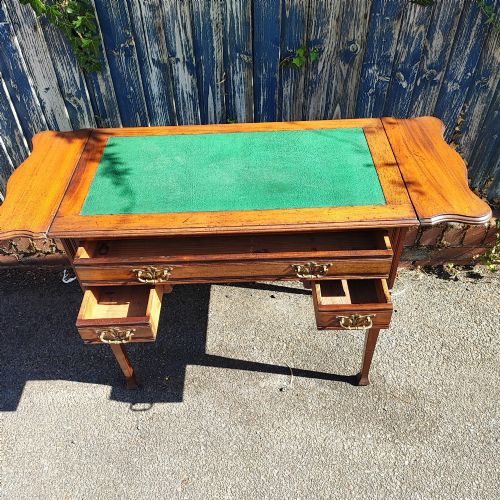
Buyers will frequently encounter gateleg dining tables built from solid oak, alongside smaller writing tables, side tables, and occasional work tables featuring drop side flaps. The forms vary from large tables intended to seat six people down to compact occasional pieces.
The materials and styles range from plain eighteenth century country oak to Regency pollard or burr oak variants with brass and iron hardware. Pieces span multiple eras including Jacobean style and Edwardian revival interpretations.
Judging quality and character
Quality in these pieces is dictated by the depth of the original patina on the timber and the integrity of the structural frame. Tables retaining their original hinges and unblemished timber surfaces sit at the higher end of the scale.
The choice of secondary woods and decorative veneers, such as burr oak or pollard oak on Regency examples, separates standard utility items from more refined furniture. Proportion, timber selection, and the smooth operation of the folding leaves determine the overall standing of each piece.
Listings feature items from the 18th century and 19th century, utilising oak, pollard oak, burr oak, brass, and iron.
The Georgian Oak Flap Table Glossary
- Gateleg table
- A table with hinged flaps on either side and legs that swing out like gates to support them. This design allows the table to expand significantly for dining.
- Drop-leaf table
- A table featuring a fixed central section and one or two hinged flaps that fold down. These flaps are supported by brackets or swinging legs when raised.
- Patina
- The surface sheen and mellowing developed by wood over long periods of use and polishing. Good patina indicates age and careful maintenance.
- Pollard oak
- Timber taken from trees that were pruned close to the trunk to produce dense, rich grain patterns. It provides a highly decorative surface for tabletops.
Georgian Oak Flap Table: Frequently Asked Questions
How many people does a gateleg table seat?
Larger gateleg dining tables are built to seat up to six people comfortably when both flaps are fully extended.
Smaller variants function primarily as side tables, desks, or occasional tables with limited seating capacity.
Where were these tables used historically?
These tables served as versatile furniture in country houses, kitchens, and formal rooms where floor space needed to adapt throughout the day.
Drop-leaf and gateleg designs allowed households to clear rooms quickly by folding the leaves down against the wall.
How do I care for an antique oak surface?
Maintain the timber by applying traditional wax polish sparingly and buffing with a soft cloth to preserve the natural shine.
Keep wooden furniture away from direct heat sources and strong sunlight to prevent the oak from drying out or splitting.
How can I tell an eighteenth century table apart from later revivals?
Examine the construction joints, timber movement, and the wear patterns on the feet and hinges for signs of age.
Earlier examples often show hand-tool marks and warmer patination compared to later Edwardian revival pieces.