



Antique Kitchen Breakfast Table
These antique kitchen breakfast table pieces offer sturdy daily utility and warm character, bringing centuries of practical craftsmanship straight into your home.
Antique Kitchen Breakfast Table
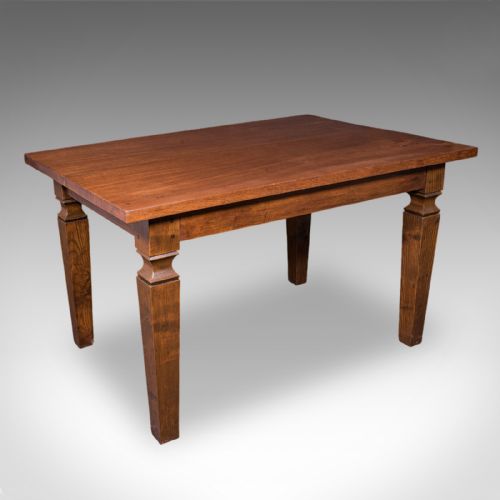
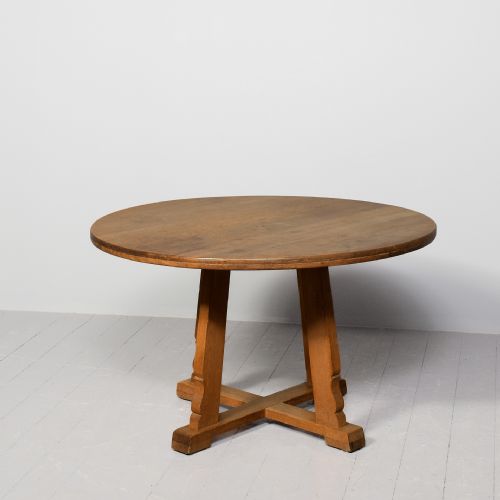
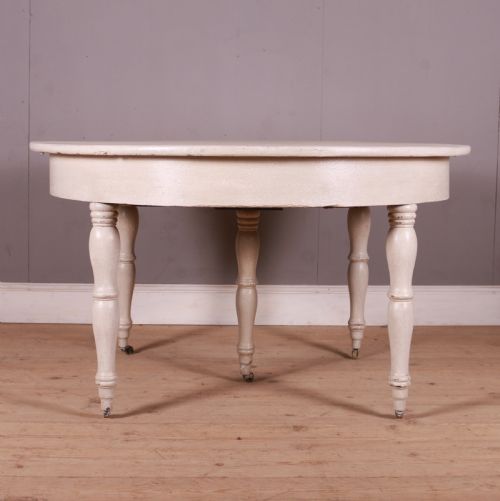
When you search for an antique kitchen breakfast table, you encounter robust timber furniture designed for daily domestic use across centuries. The selection ranges from compact pine drop-leaf tables to circular oak and elm dining pieces originating from English, French, and Austrian workshops.
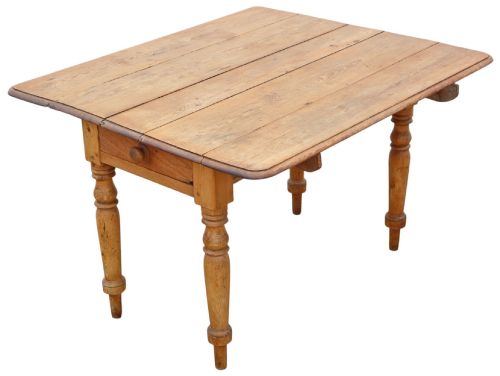
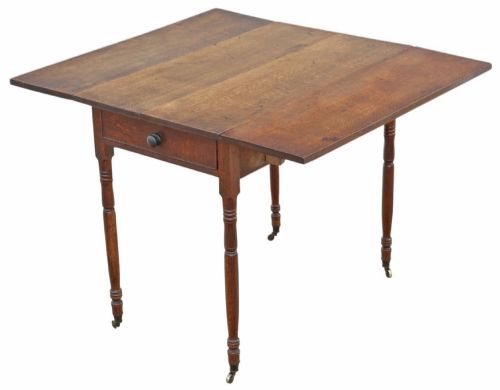
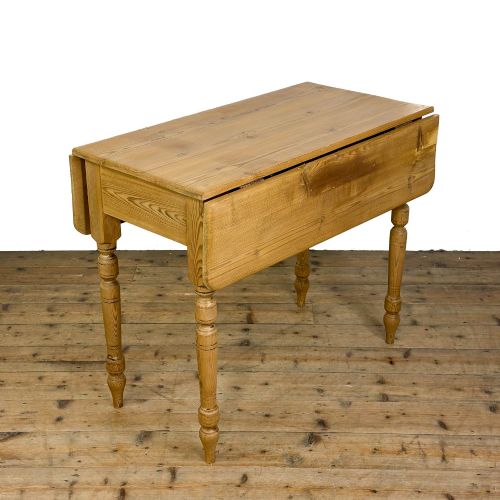
The most common versions met on this page are 19th-century pine and oak drop-leaf formats, often featuring functional drawers or folding leaves to suit smaller spaces. Alongside standard dining tables, the category also captures related domestic items like yew wood eggcups stands rooted in the same utilitarian tradition.
These tables reflect the changing needs of the farmhouse and kitchen over time, spanning Georgian, Victorian, and Arts and Crafts styles. Their presence bridges simple rustic utility with enduring design, making them versatile centerpieces for modern breakfast rooms.
How they were made
Makers utilised solid timbers such as pine, oak, elm, and yew wood, selecting each board for its durability in daily domestic service. Joinery methods prioritised strength, evident in the sturdy construction of drop-leaf mechanisms and folding frames.
Surfaces often show the marks of original paint or natural timber finishes that have developed deep patinas over generations of use. Brass and iron hardware, including drawer pulls and folding hinges, were integrated securely to withstand frequent handling.
Current listings feature timber pieces spanning the eighteenth century through to nineteen-twenty, utilising pine, oak, elm, yew wood, and paint.
What varies in quality
The distinction between standard examples and superior pieces rests on the choice of timber and the sophistication of the joinery. Tables incorporating denser woods like oak and elm, or featuring clever drop-leaf mechanics and fitted drawers, demonstrate higher workshop ambition.
Surface integrity also dictates the grade of a piece, separating straightforward utilitarian items from those possessing refined proportions or original painted finishes. Subtle stylistic touches, such as turnings influenced by notable designers, elevate specific pieces above plain farmhouse utility.
The Antique Kitchen Breakfast Table Glossary
- Drop-leaf
- A table with hinged sections on the sides that can be folded down to save space or raised to expand the surface area. This mechanism proved essential for versatile kitchens and smaller breakfast rooms.
- Pembroke
- A small rectangular table featuring two folding flaps on opposite sides and usually a single drawer. It offers flexible placement for dining and breakfast use.
- Treen
- Small handmade wooden domestic objects produced for everyday utility. These items share the materials and domestic context of larger kitchen furniture.
- Patina
- The deep surface sheen and rich colour developed by timber over decades of use and polishing. It serves as a visual marker of age and handling.
- Pine
- A softwood commonly utilised in utilitarian kitchen furniture for its accessibility and light weight. It frequently forms the primary structure of country tables.
Antique Kitchen Breakfast Table: Frequently Asked Questions
How do I use one in a modern home?
Their compact dimensions and drop-leaf designs make them ideal for contemporary breakfast rooms, small kitchens, or casual dining spaces. They provide an authentic historical anchor without overwhelming the room.
Parks well with mismatched chairs and serves daily meals or casual morning coffee with ease.
Are these tables sturdy enough for daily use?
Built for generations of farmhouses and country kitchens, these tables rely on robust solid wood construction and traditional joinery. They are inherently designed for heavy, continuous service.
Routine domestic activity poses no threat to timber frames that have already survived a century or more of hard work.
How can I tell the period of a table?
Dating relies on observing the timber species, construction techniques, and stylistic markers associated with specific eras like the Georgian or Victorian periods. Drawer construction and hardware fasteners offer further clues.
Comparing the form against documented regional styles helps narrow down the decade of manufacture.