
Georgian Oak Drawer Dresser
A georgian oak drawer dresser brings robust country character into a room through honest timber and practical storage.
Georgian Oak Drawer Dresser
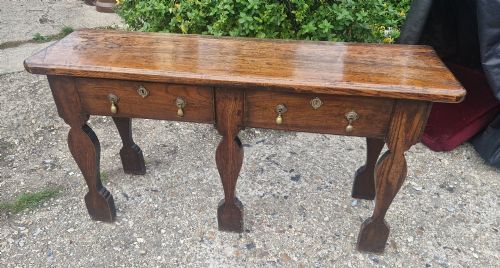
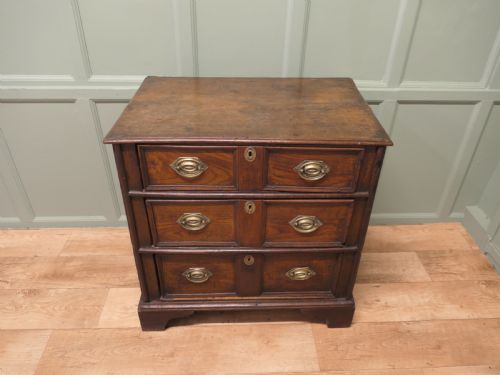
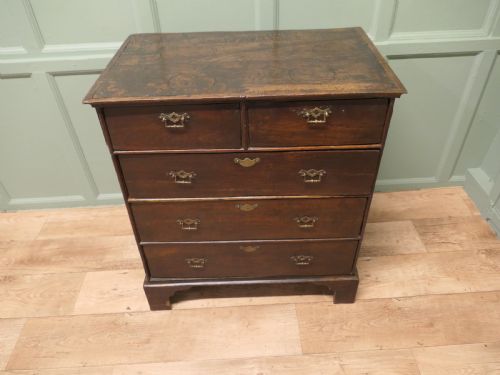
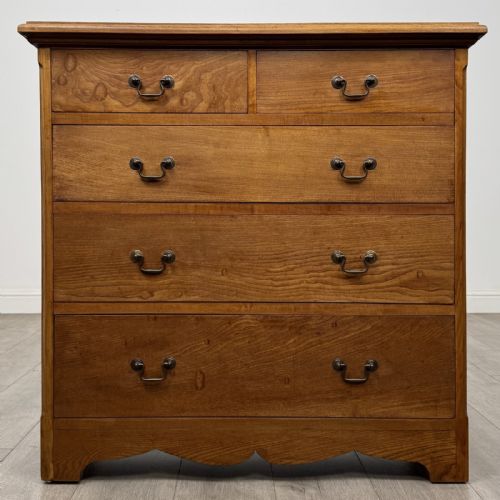
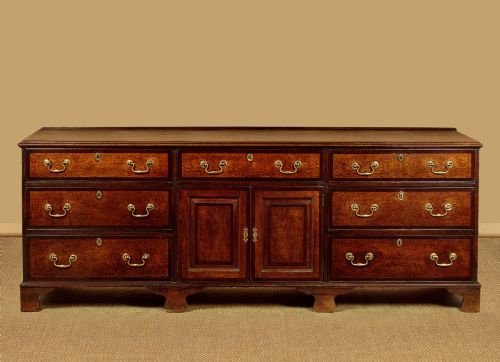
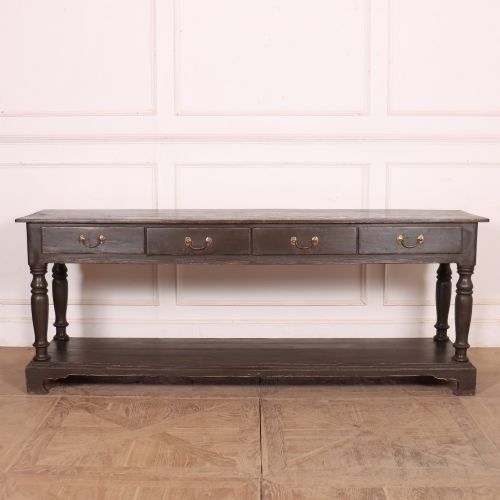
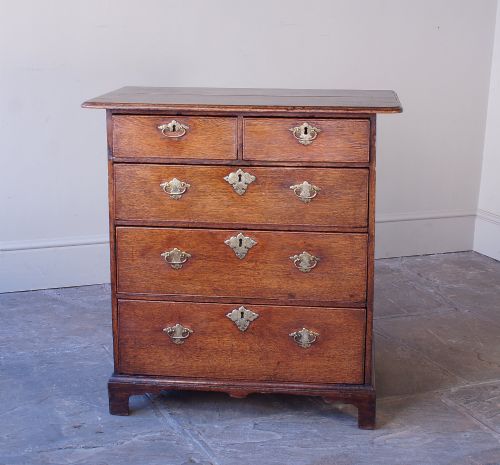
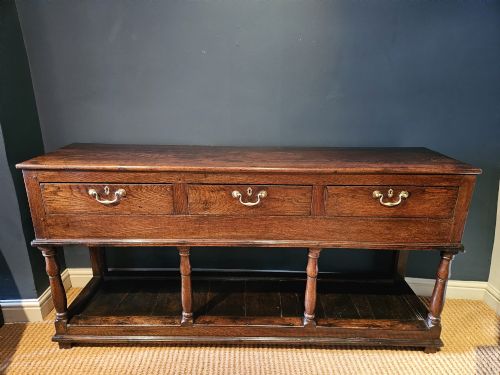
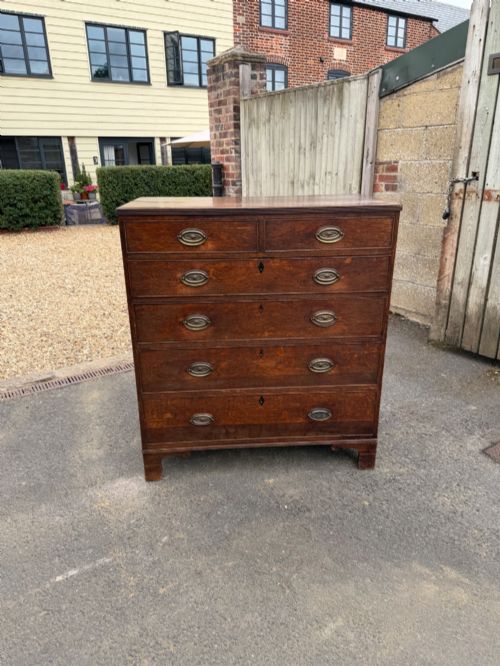
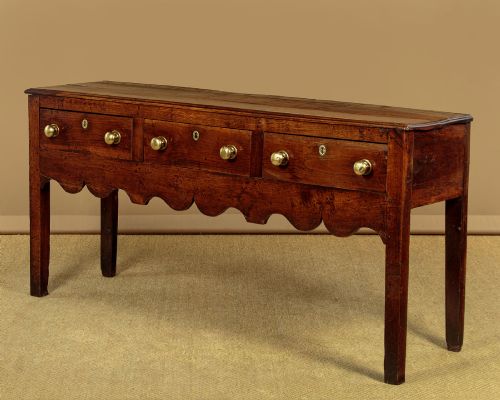
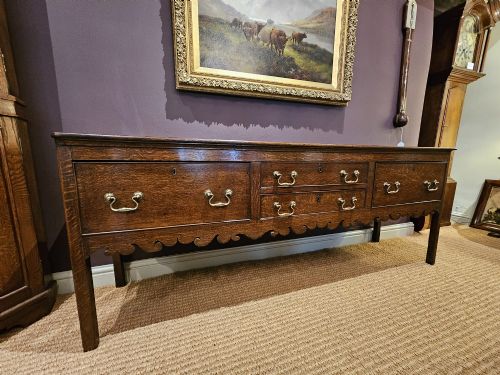
A georgian oak drawer dresser spans functional domestic storage forms from the eighteenth century, encompassing low dresser bases, open pot board dressers, and related chests of drawers. These utilitarian items served rural and provincial households for storing and displaying kitchenware, household linen, and provisions.
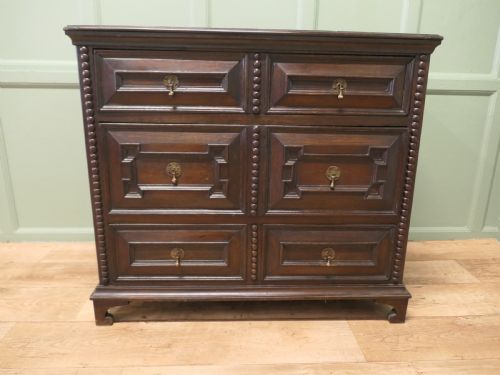
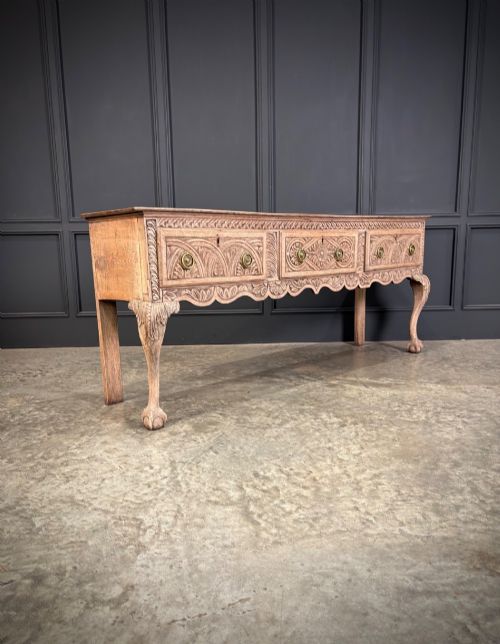
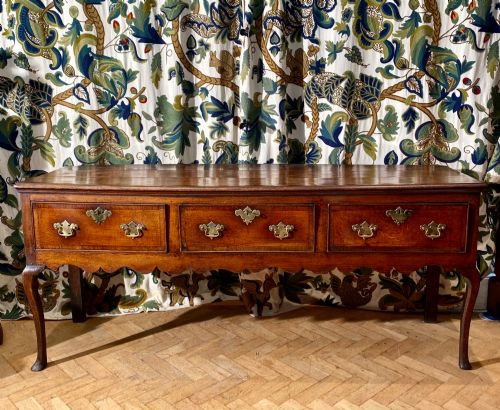
The pieces encountered on this page frequently date from the Georgian era and the eighteenth century, alongside later revival interpretations from the Edwardian period. Forms range from compact proportions with cabriole legs to long low bases featuring multiple drawers and geometric moulding.
Materials and Construction
Makers utilised solid oak as the primary material, frequently complemented by secondary timbers such as walnut, mahogany, fruitwood, and elm. Selected pieces incorporate brass handles and escutcheons to secure drawer fronts and doors.
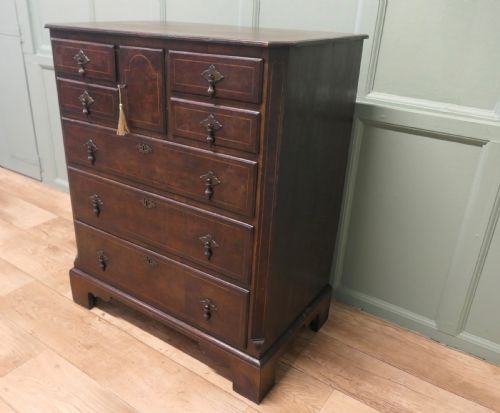
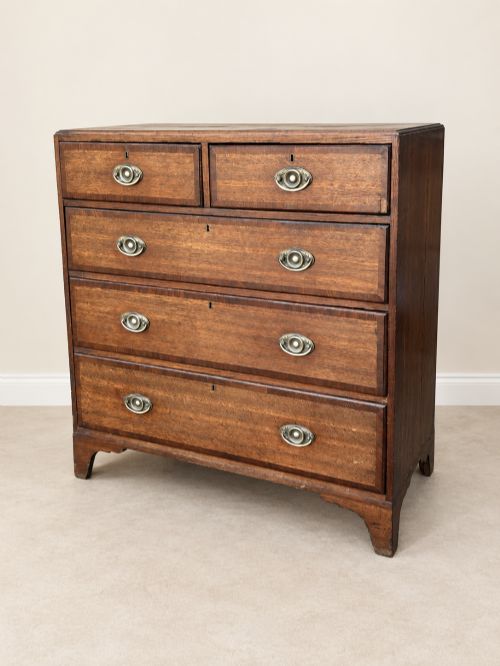
Construction techniques rely on traditional joinery methods suited to dense hardwoods, resulting in sturdy frameworks designed for heavy daily use. Decorative touches such as mahogany crossbanding and geometric mouldings appear on select examples to elevate the surface appearance.
Listings feature oak alongside walnut, mahogany, fruitwood, elm, and brass across eighteenth-century and Edwardian periods.
Judging Quality
The proportion and scale of a piece dictate much of its desirability, with smaller or particularly well-balanced dimensions holding strong appeal. Richness of tone in the timber grain and the crispness of surviving mouldings separate standard utilitarian items from finer examples.
Originality of components, including timber patination, brass hardware, and structural joints, defines the integrity of each survivor. Pieces retaining their early surface finish and unblemished structural elements demonstrate superior craftsmanship.
The Georgian Oak Drawer Dresser Glossary
- Pot board
- A low open shelf fitted beneath a dresser base, originally designed for storing heavy pots and pans off the damp floor. This structural element helps anchor the legs of eighteenth-century country pieces.
- Crossbanding
- A decorative border technique where thin strips of veneer, often mahogany, are applied to drawer fronts so the grain runs perpendicular to the surrounding wood. It frames the primary oak surface with a neat contrasting edge.
- Cabriole leg
- A furniture leg that curves outward in a convex arc before tapering inward in a concave sweep, often ending in a pad foot. This stylistic feature appears on select Georgian dresser bases.
- Geometric moulding
- Raised wooden mouldings applied to drawer fronts in rectilinear patterns, creating architectural depth and shadow. This detail is characteristic of earlier George I cabinet work.
- Dresser base
- The lower section of a kitchen dresser featuring drawers and cupboards, utilised independently as a sideboard or serving table. These items provide substantial surface area and under-counter storage.
Georgian Oak Drawer Dresser: Frequently Asked Questions
What is a georgian oak drawer dresser?
A georgian oak drawer dresser is a utilitarian storage item built during the eighteenth century or influenced by that era's design. These pieces typically combine drawers and surface tops for domestic use.
They reflect regional craftsmanship and practical household needs, employing solid oak and traditional joinery. Surviving examples range from simple low bases to open pot board variants.
How do I date a dresser base?
Dating a dresser base involves examining the construction methods, timber selection, and hardware used in the piece. Eighteenth-century examples often display hand-cut joinery and native woods like oak and fruitwood.
Later revival pieces from the twentieth century frequently utilise machine-cut elements and different internal secondary timbers. Comparing the style of mouldings and leg shapes helps narrow the period of origin.
Where were these dressers used?
These dressers originated in provincial and country houses, functioning primarily in kitchens, pantries, and dining rooms. They held tableware, cooking utensils, and dry stores.
Today, buyers place them in modern dining rooms, hallways, and living spaces as sideboards or serving tables. Their sturdy construction suits contemporary daily storage requirements.
Are these pieces made of solid oak?
Many items feature solid oak construction throughout their primary frames, tabletops, and drawer fronts. Cabinet makers also utilised secondary woods like elm and fruitwood for internal linings.
Certain pieces incorporate mahogany crossbanding or veneer details alongside the main oak structure. Each listing specifies the exact timber composition of the individual item.