
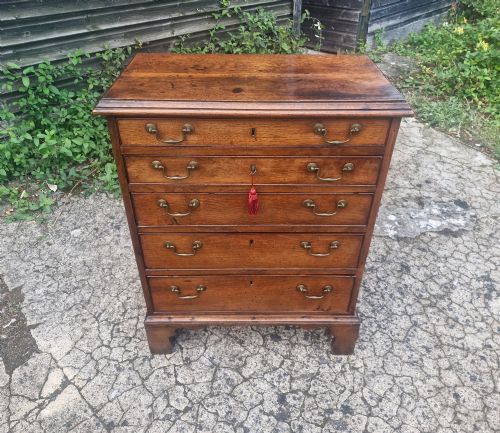
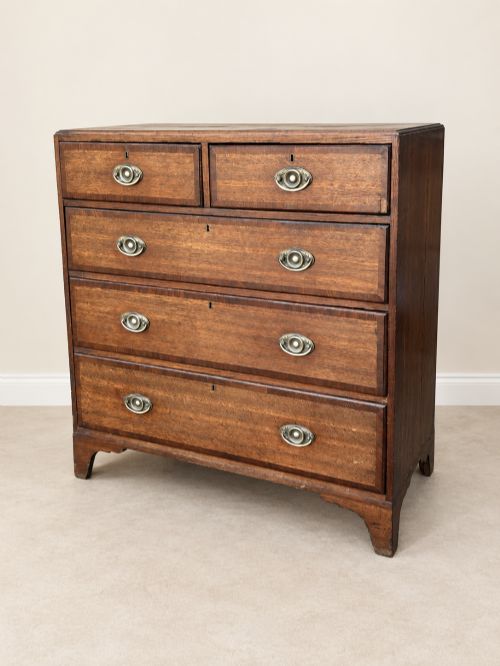
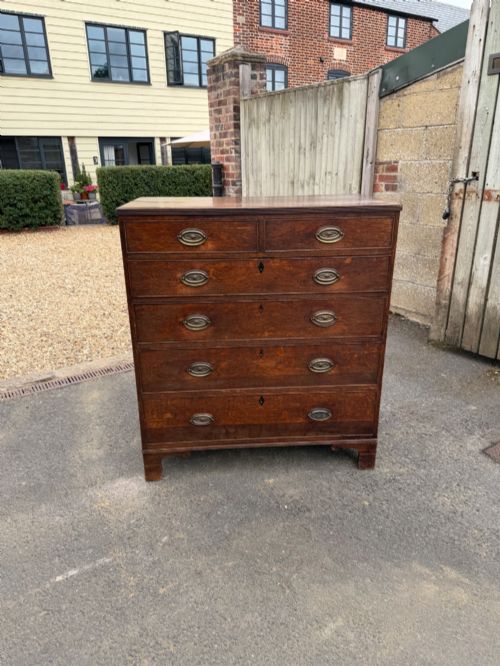
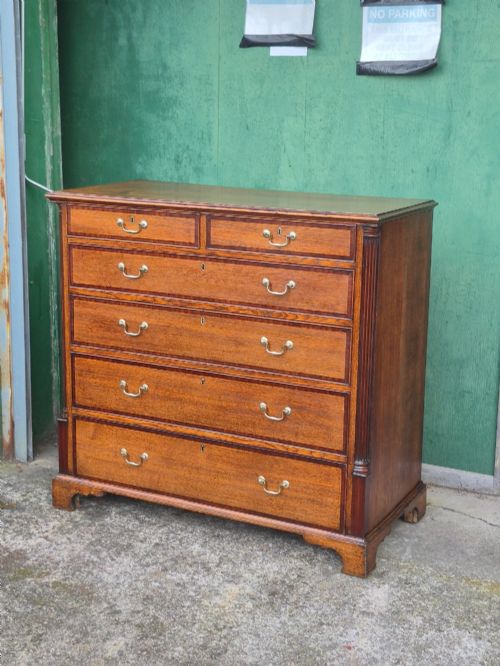
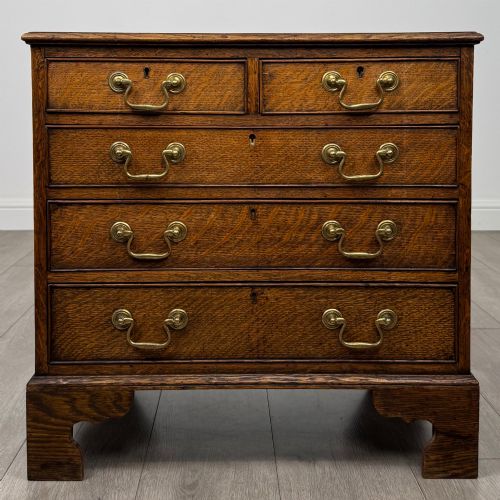
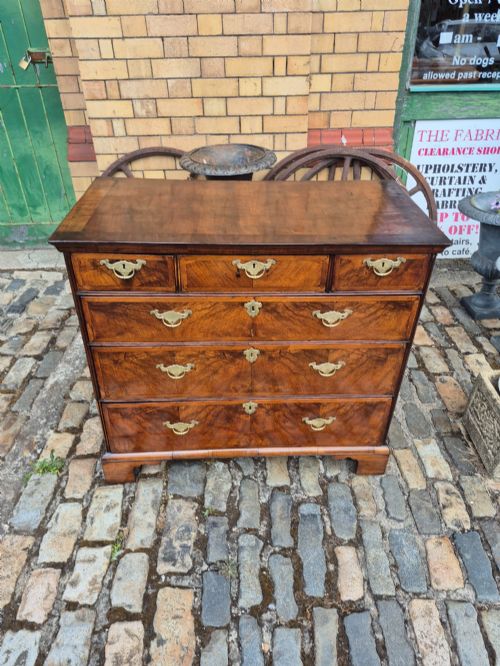
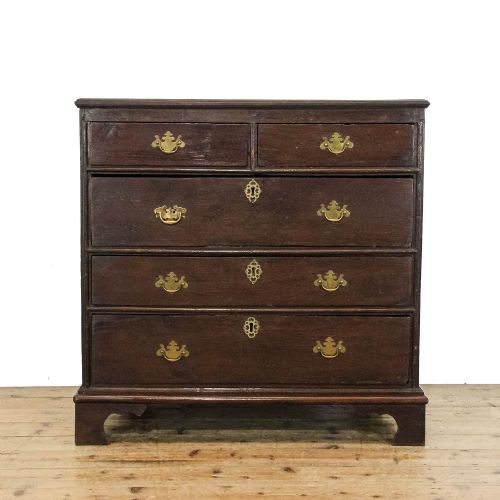
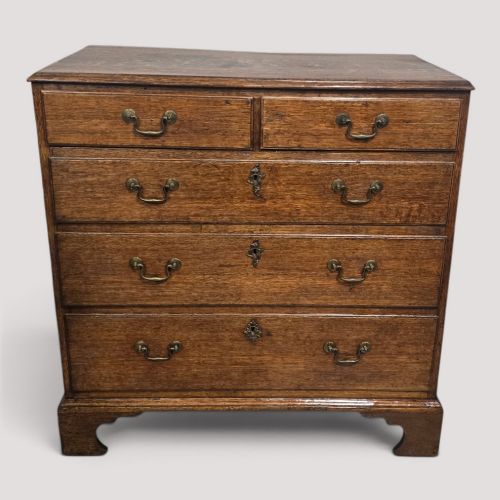
Georgian Oak Bedroom Drawers
Georgian oak bedroom drawers offer honest country timber and practical storage that anchor a traditional interior with quiet authority.
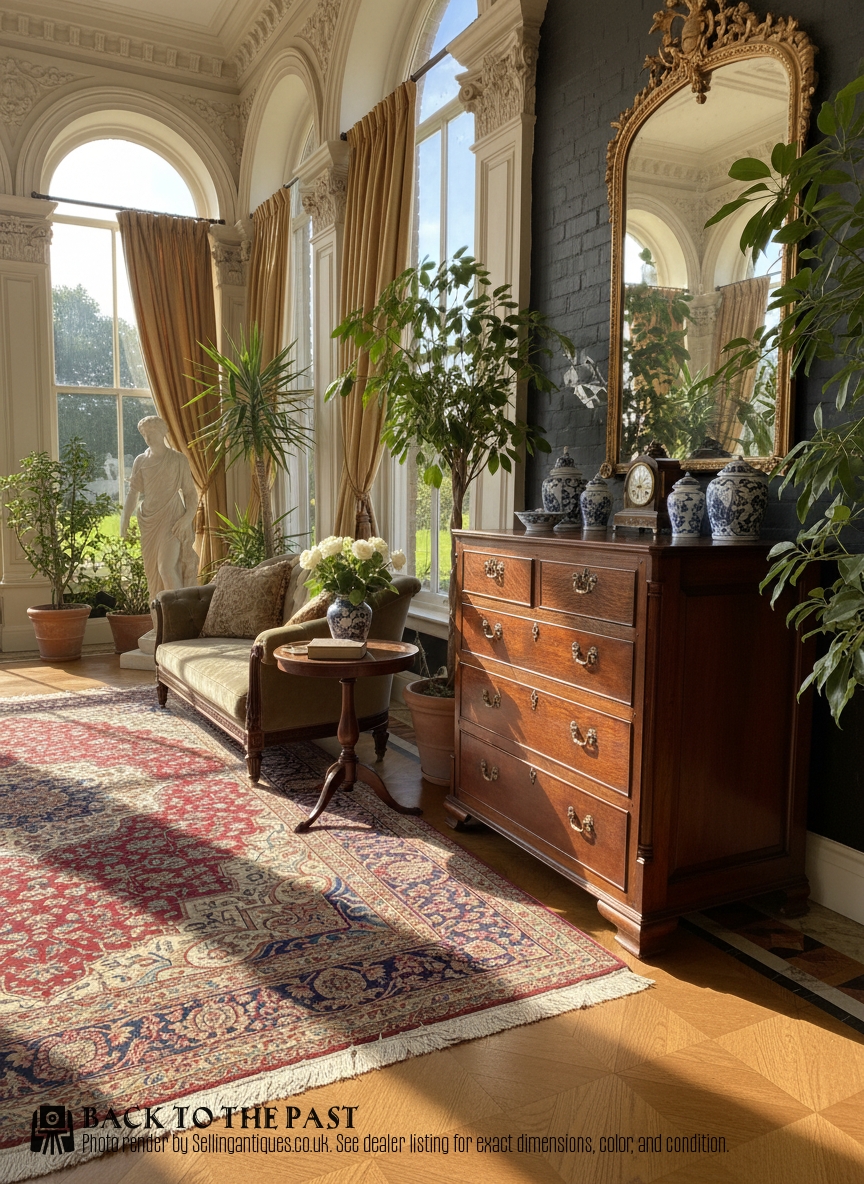
Georgian Oak Bedroom Drawers
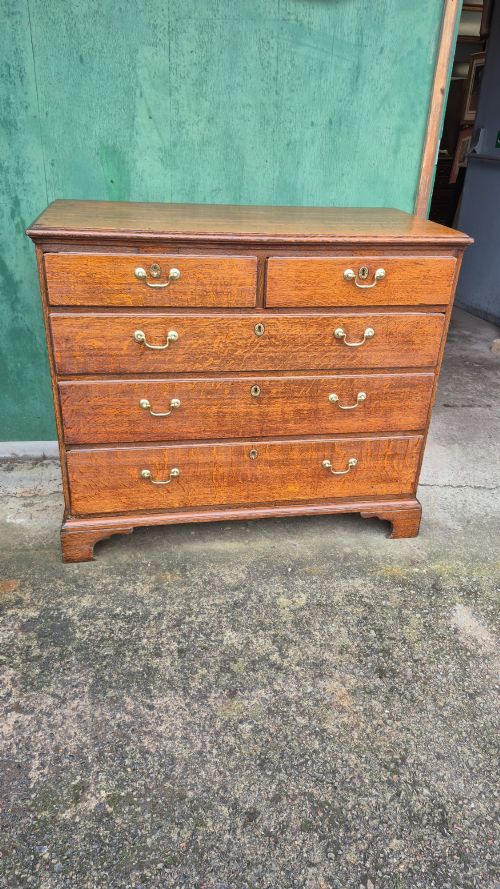
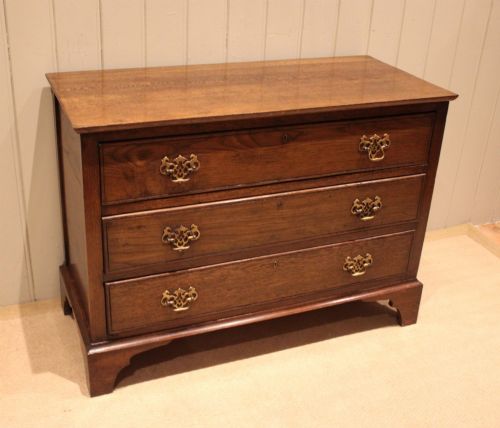
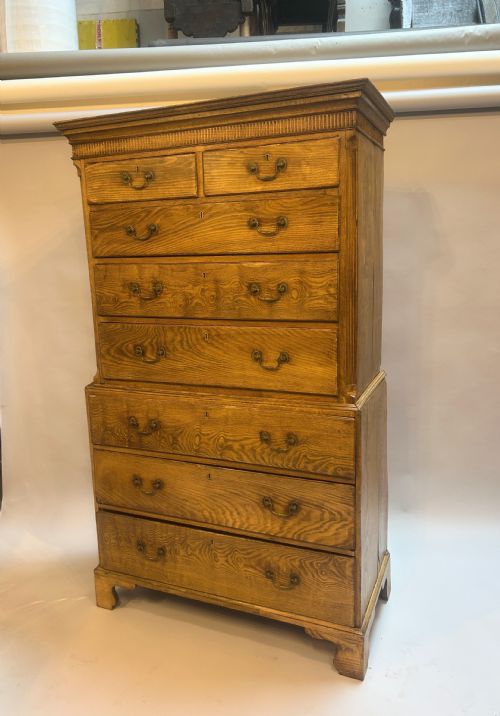
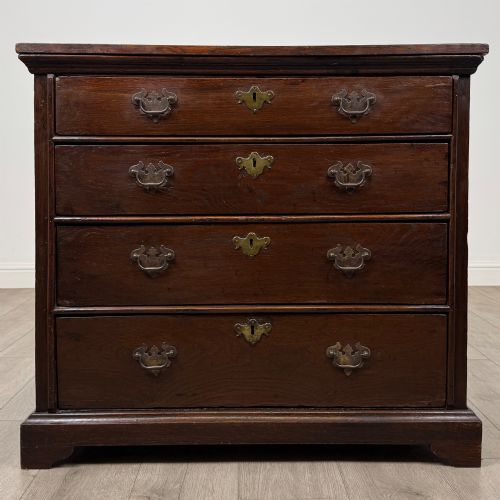
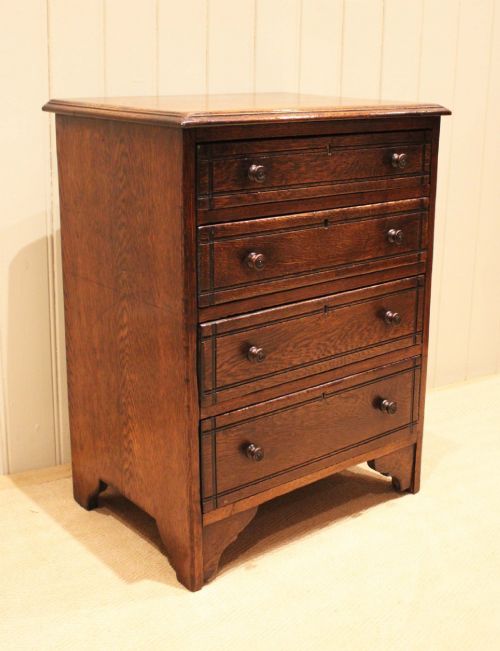
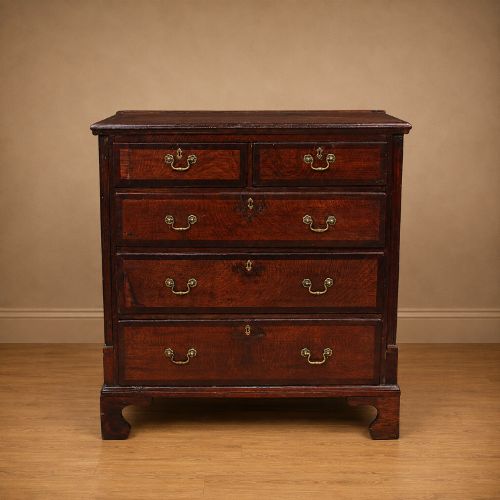
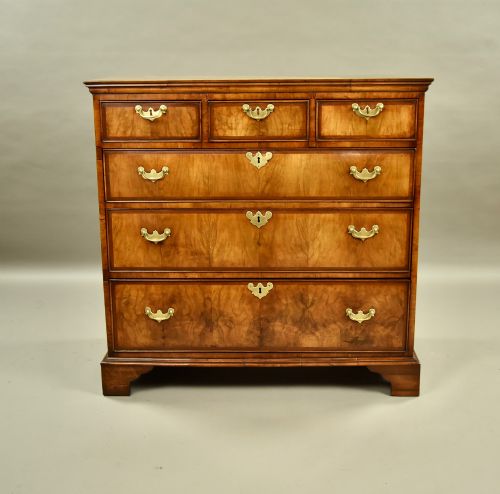
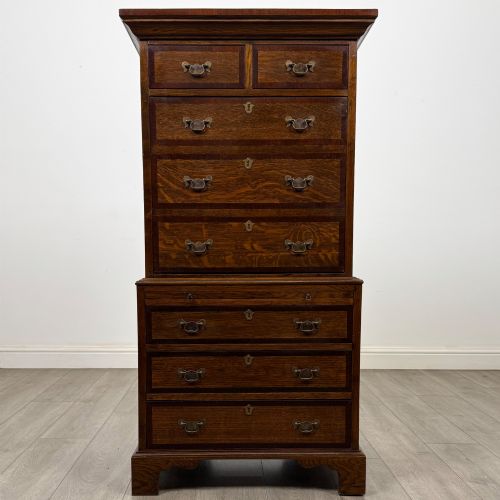
When buyers search for georgian oak bedroom drawers, they look for robust storage pieces made primarily from native timber during the eighteenth and early nineteenth centuries. These items serve as functional bedroom furniture, ranging from low proportions to towering tallboys and chests on chests.
The pieces met most often on this page include straight-front chests and linen presses spanning the Georgian era and George III period, alongside later revivals. They demonstrate straightforward utility through graduated drawer arrangements designed to hold clothing and household textiles.
Makers built these pieces to withstand daily domestic use, relying on heavy carcases and sturdy drawer linings made of secondary woods. Surviving examples often retain surface variations influenced by bleaching, natural ageing, or early crossbanding in mahogany and walnut.
Distinctions in quality and execution
Quality rests on the selection of timber figures, such as golden or figured oak, and the precision of decorative elements like crossbanding and bracket feet. Superior pieces maintain balanced proportions and retain their original brass handles.
The skill of the cabinetmaker dictates the crispness of the drawer joints and the smoothness of the drawer action within the carcase. Variations also appear in the complexity of form, moving from simple straight fronts to elaborate chests on chests.
Listings feature oak, walnut, and mahogany alongside fruitwood inlay and brass hardware, spanning the Georgian, Regency, and Edwardian periods.
The Georgian Oak Bedroom Drawers Glossary
- Crossbanding
- A decorative border of veneer laid across the grain of the primary wood. This technique frames the drawer fronts on finer Georgian furniture.
- Tallboy
- A tall chest of drawers standing on a base section, often featuring multiple graduated drawers for maximum vertical storage.
- Chest on chest
- A two-part storage unit comprising an upper chest stacked directly upon a slightly wider lower chest. This form provides substantial capacity.
- Bracket foot
- A foot forming a simple architectural bracket shape beneath the corners of a case piece. It supports chests and tallboys throughout the eighteenth century.
- Linen press
- A tall storage piece containing sliding trays enclosed by upper doors, placed above a bank of lower drawers. It originated for storing folded linens.
Georgian Oak Bedroom Drawers: Frequently Asked Questions
How do I date a Georgian oak chest?
Dating relies on examining construction methods, timber choice, and hardware styles. Hand-cut dovetails and original brass handles often point toward the eighteenth century.
Later nineteenth-century interpretations and twentieth-century revivals display machine-cut elements or secondary woods that differ from earlier provincial practice.
Were these drawers used only for clothes?
These pieces served multiple domestic purposes in bedrooms and dressing rooms for storing garments, linens, and personal items. Deeper drawers accommodated bulky textiles while smaller upper compartments held accessories.
Some specialised forms incorporated hidden compartments or sliding trays for safeguarding valuables and folded cloths.
How do I care for antique oak furniture?
Protect the timber by maintaining stable room humidity and avoiding direct placement near heat sources or strong sunlight. Regular dusting with a soft dry cloth preserves the finish.
Applying traditional beeswax occasionally nourishes the dry grain without building up heavy chemical layers on the surface.
What is the difference between a chest and a tallboy?
A standard chest stands at a waist-high level with a single bank of three to five drawers beneath a top surface. It prioritises accessible surface space.
A tallboy stacks additional storage vertically, either as a single tall carcase or as a chest on chest, providing significantly greater capacity.