
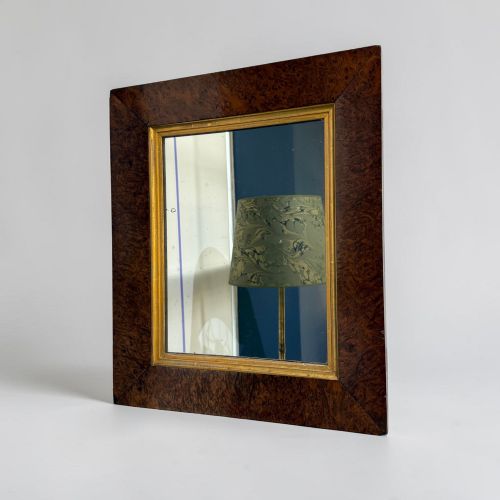
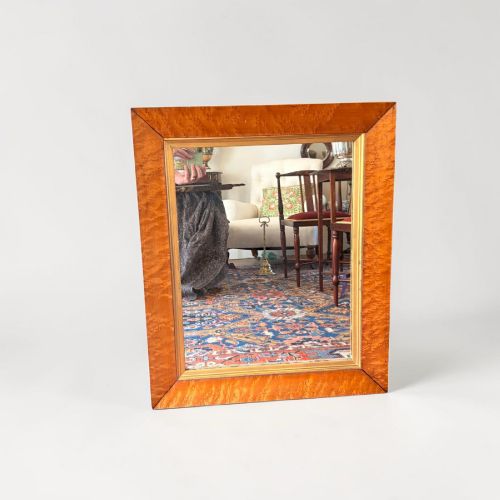
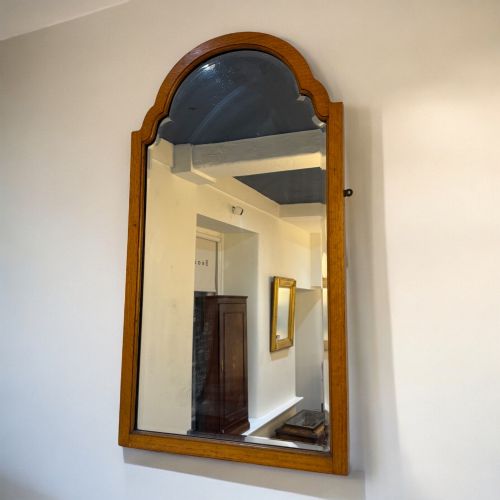
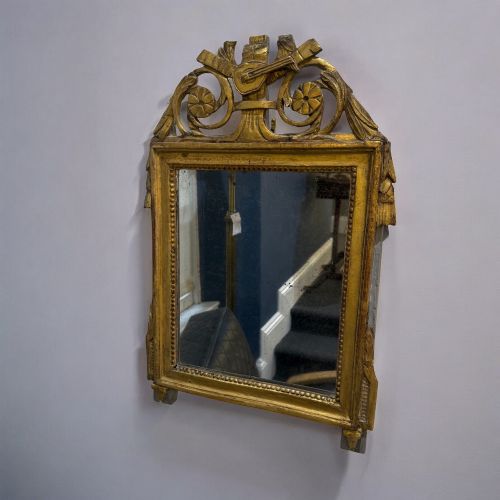
Georgian Mirror Frame
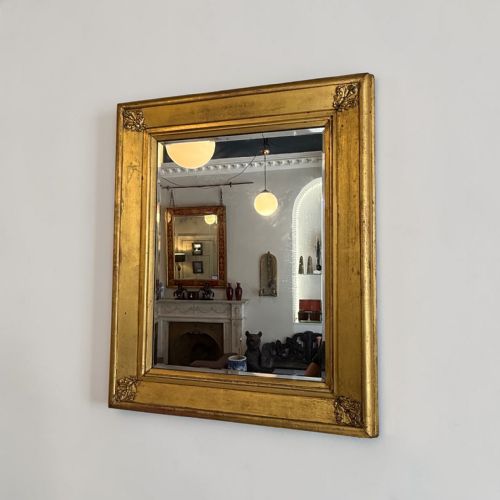
A georgian mirror frame brings light and classic proportion into a room through carved wood and gilded detail.
Georgian Mirror Frame
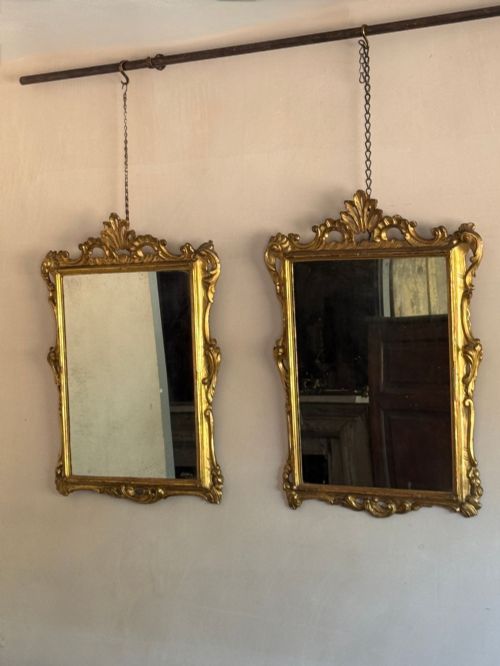
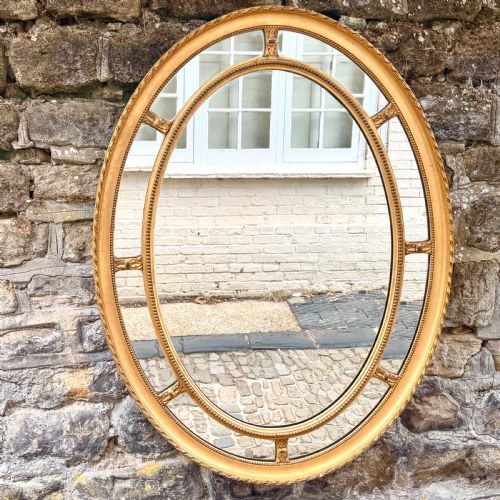
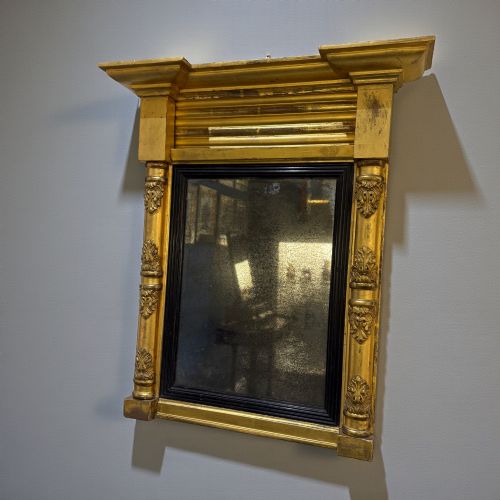
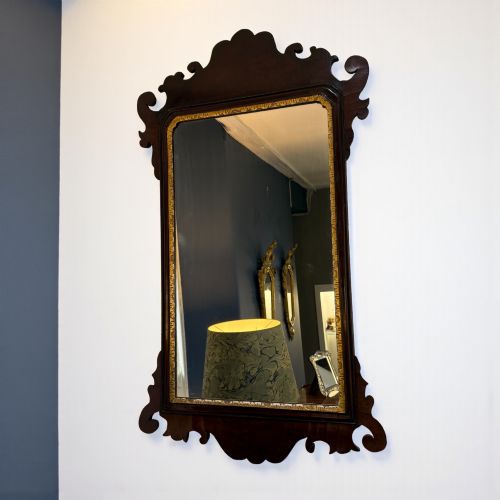
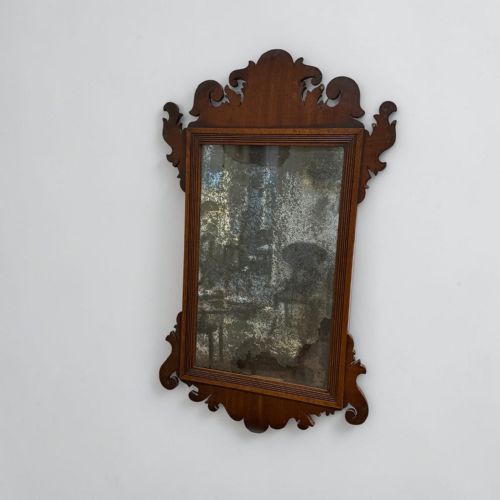
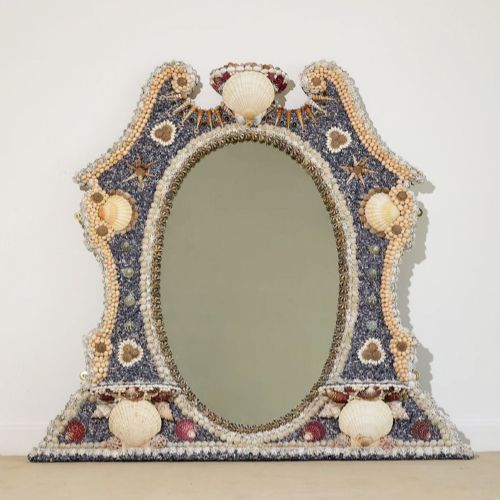
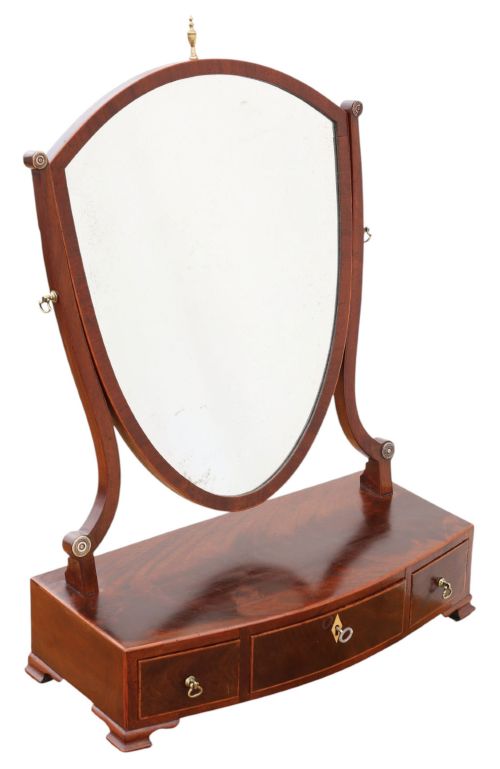
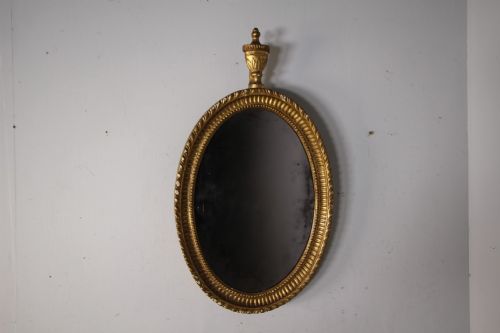
A georgian mirror frame encompasses wall mirrors, fretwork designs, and dressing table swings originating primarily from the eighteenth and nineteenth centuries, alongside later revival pieces.
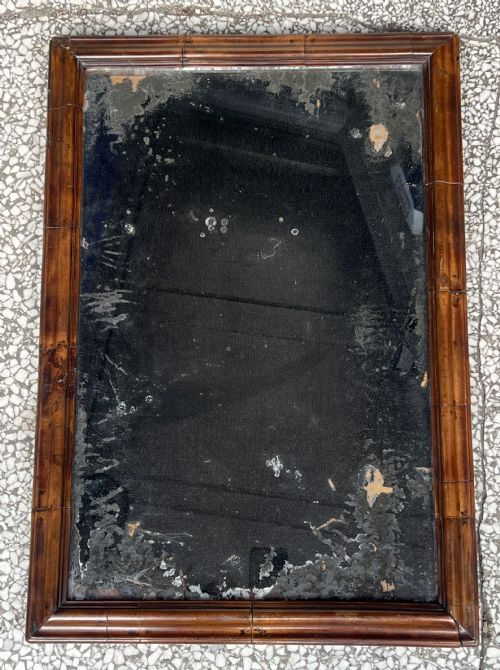
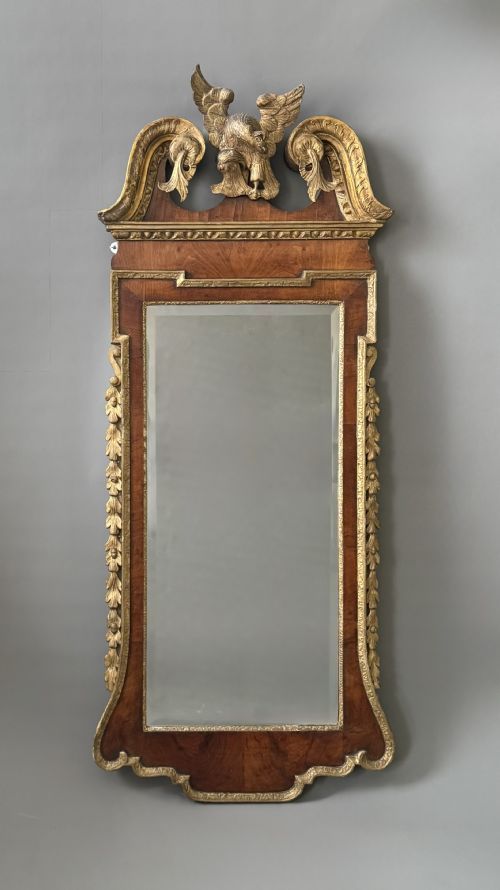
The materials span rich walnut, figured mahogany, and intricate giltwood, reflecting styles from Queen Anne and George I through to Regency and Victorian revivals.
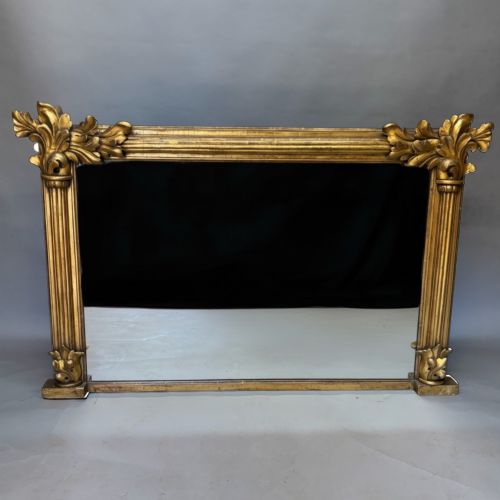
Buyers frequently encounter wall mirrors and pier mirrors intended to hang between windows or above mantelpieces to amplify natural light in period interiors.
Materials and construction
Makers fashioned these frames using solid timbers such as mahogany and walnut, often applying parcel-gilt highlights or creating entirely gilded surfaces over a prepared gesso base.
Carved details like ho-ho birds, scrolling foliage, and fret-cut outlines demonstrate traditional joinery and hand-carving techniques handed down through generations of cabinetmakers.
Mirror plates range from early mercury glass to later sheet glass, secured within rebated wooden frames behind protective backing boards.
Listings feature walnut, mahogany, and ebonised wood alongside gilded gesso finishes.
Assessing craftsmanship
Quality rests in the crispness of the hand-carved ornament and the depth of the gilding, where superior examples display sharp botanical and avian motifs rather than soft, moulded relief.
The choice of primary timber and secondary wood backing dictates the structural integrity, with figured grains and balanced proportions marking out the finer workshops.
The Georgian Mirror Frame Glossary
- Giltwood
- Wood that has been coated with a thin layer of gold leaf over a prepared ground. This finish provides the bright, reflective surface characteristic of formal wall mirrors.
- Gesso
- A plaster mixture applied to wooden frames as a smooth base for gilding. It allows carvers to achieve fine relief details before applying gold leaf.
- Fretwork
- Thin wood panels cut with intricate scroll patterns using a fretsaw. This technique defines the architectural outlines of many eighteenth-century wall mirrors.
- Pier mirror
- A tall, narrow glass designed specifically to hang on the wall space between two windows. They reflect additional light into darker Georgian and Regency rooms.
- Parcel-gilt
- A decorative treatment where only selected portions of a wooden frame receive gilding, leaving the natural grain of walnut or mahogany visible elsewhere.
Georgian Mirror Frame: Frequently Asked Questions
How do I hang a heavy antique wall mirror?
These frames carry significant weight due to dense timber and layered gesso, requiring secure fixings screwed directly into wall studs or heavy-duty masonry anchors.
Professional mirror hangers utilise split battens or mirror plates distributed evenly across the back frame to support the load safely without twisting the antique wood.
How do I clean an antique mirror glass?
Apply a mild, non-ammonia cleaning solution sparingly to a soft microfiber cloth rather than spraying directly onto the glass surface. This prevents moisture from seeping behind the silvering or damaging old wooden rabbets.
Take care around the edges of the glass where the original silver backing often thins and degrades with age.
Can I place these mirrors in direct sunlight?
Direct sunlight accelerates the fading of polished mahogany and walnut timbers while drying out brittle gesso and gold leaf. Position frames away from intense windows to preserve the original surface patination.
Stable room temperatures also prevent the wooden joints from shrinking and loosening over seasonal cycles.
How do I identify a revival frame from an original period piece?
Examine the construction joints, the type of timber used for the secondary backing boards, and the chemical composition of the mirror glass. Nineteenth and twentieth-century revival pieces often display machine-cut elements or modern fixings behind the frame.
Original eighteenth-century examples exhibit hand-cut dovetails, tool marks from traditional gouges, and foxing or oxidation appropriate to older mercury glass.