




Georgian Miniature Portrait Pendant
These georgian miniature portrait pendant selections offer wearable intimacy, capturing likenesses in gold, glass, and enamel from past centuries.
Georgian Miniature Portrait Pendant
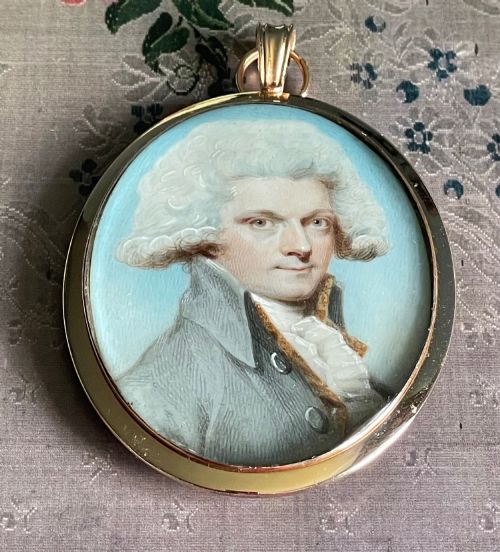
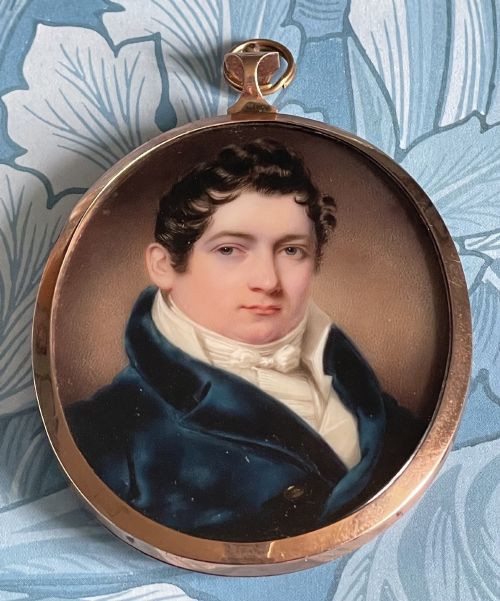
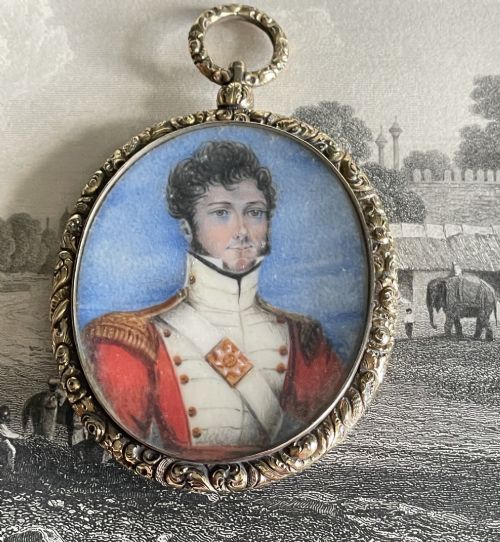
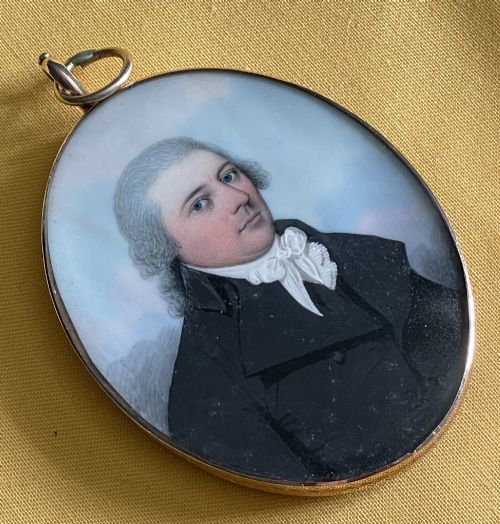
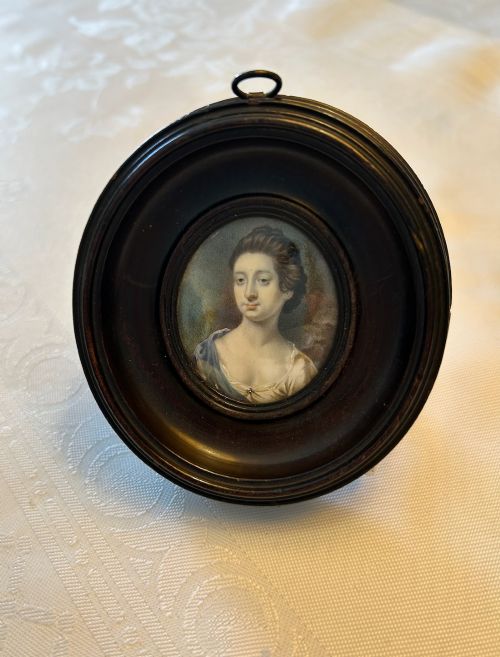
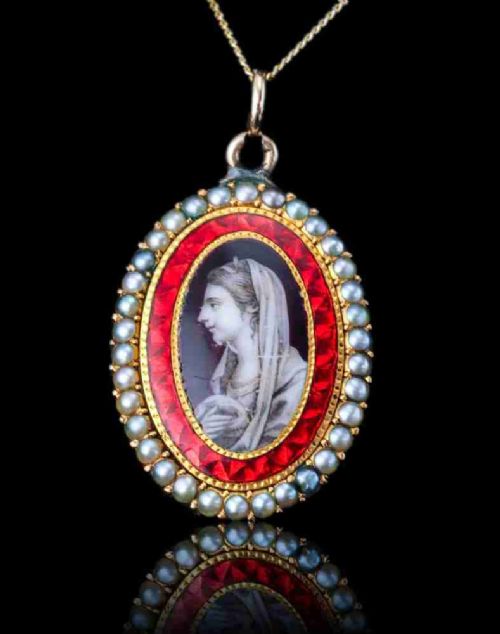
A georgian miniature portrait pendant encapsulates a small-scale likeness designed to be worn close to the heart, featuring subjects ranging from naval officers to country gentlemen. You will encounter these intimate works housed in gold frames, gilt metal, or ebonised settings, often dated across the eighteenth and nineteenth centuries.
The format encompasses hand-painted watercolours on ivory or vellum, delicate enamels, and silhouette jewellery pieces. Many examples arrive framed as pendants or lockets, while others double as brooches with interchangeable or reversible mounts.
Assessing Quality and Execution
The integrity of the surrounding metalwork and the preservation of the original glass or enamel ground heavily influence the overall standard. Pieces retaining their original gold frames and unblemished painted surfaces represent the pinnacle of the form.
Current listings feature pieces spanning the 18th century, Regency period, and 19th century, utilising glass, ivory, gold, and enamel.
Henry Bone ARA·Charles Shirreff·John Miers·John C D Engleheart·Frederick Buck·William Wood·Charles Hayter·Christian Friedrich Zincke·William Naish·Elizabeth Hudson·George Engleheart·James Ferguson·William Grimaldi·John Inigo Wright·Samuel Cotes·AE Chalon·John Barry
The Georgian Miniature Portrait Pendant Glossary
- Miniature portrait
- A small-scale painting executed with fine detail, typically depicting a specific person from the period.
- Silhouette
- A solid black profile likeness, frequently cut from paper or painted on glass or plaster during the Georgian era.
- Vellum
- A fine parchment made from calfskin, used as a smooth painting surface for detailed miniatures.
- Gilt metal
- A base metal treated with a thin layer of gold to give the appearance of solid precious metal.
- Enamel
- A durable substance created by fusing powdered glass to a metal substrate under high heat.
Georgian Miniature Portrait Pendant: Frequently Asked Questions
How were miniature portrait pendants worn?
These pieces were typically suspended from ribbons or chains around the neck, allowing the wearer to keep the likeness of a loved one close to the chest.
Some designs also functioned interchangeably as brooches or featured reversible compartments containing hair locks for memorial purposes.
What materials make up the frames?
Frames predominantly consist of gold, gilt metal, or copper, reflecting the status of the sitter and the owner.
Protective convex glass sits directly over the painting to shield the delicate pigments from dust and moisture.
How can I tell the difference between periods?
Eighteenth-century examples often lean towards naturalistic watercolours on ivory with softer clothing lines, while Regency and later nineteenth-century pieces introduce distinct framing styles and silhouettes.
Examining the metalwork and the style of the sitter's dress helps narrow down the decade of production.
Are these pieces fragile?
The painted surfaces utilise delicate watercolours and pigments on thin ivory or vellum, requiring careful handling away from direct sunlight and moisture.
Secure framing beneath glass protects the artwork, but physical impact can easily damage the fragile substrate.