





Georgian Miniature Box
A georgian miniature box brings the scale and craft of full-sized furniture and small containers down to the palm of your hand.
Georgian Miniature Box
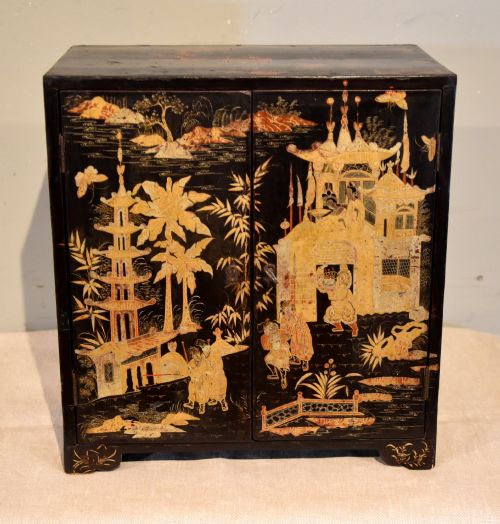
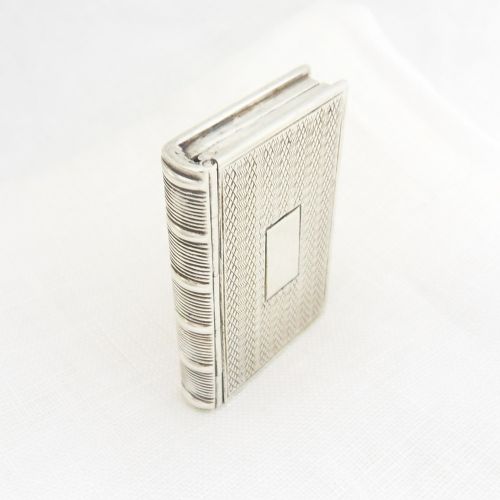
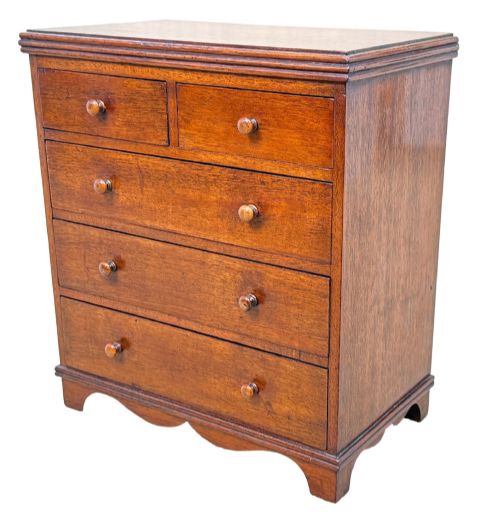
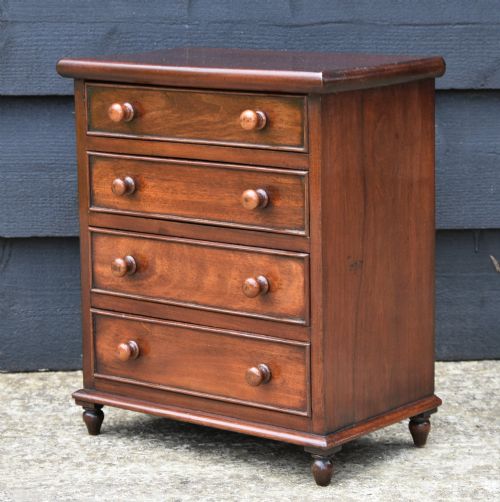
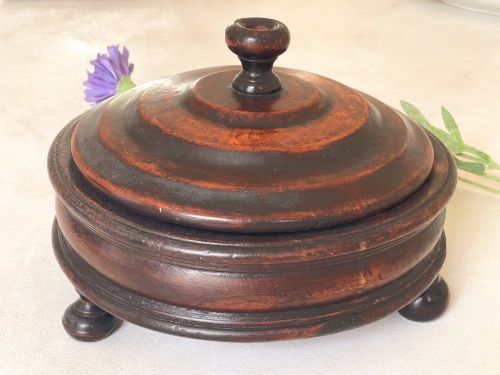
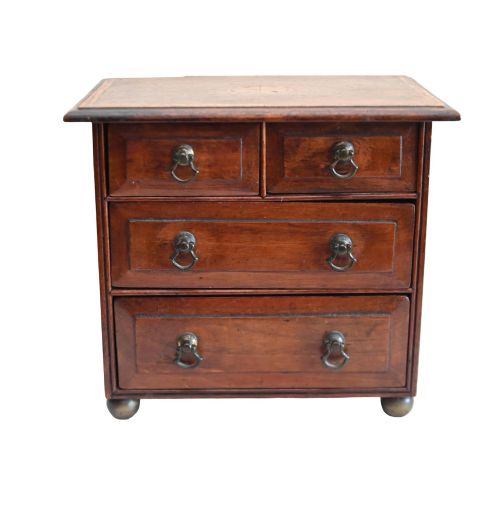
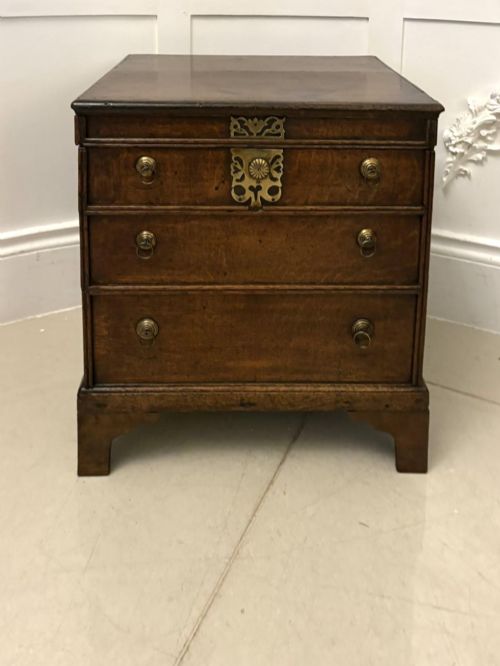
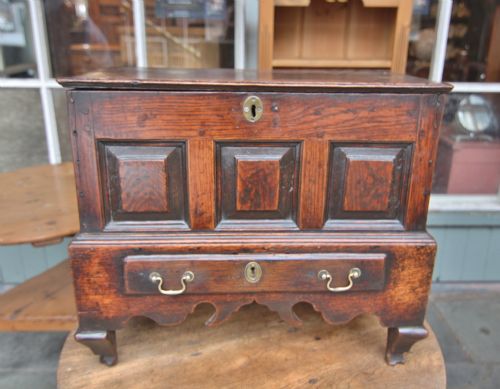
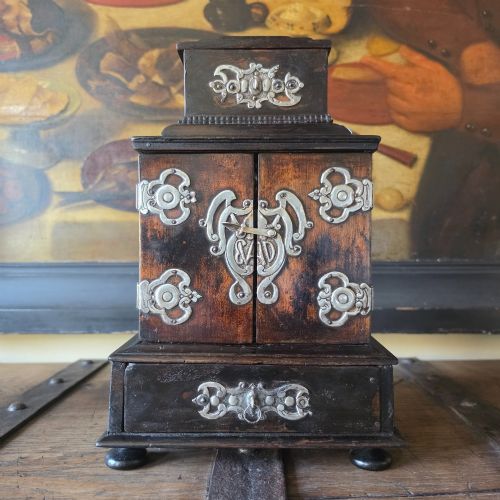
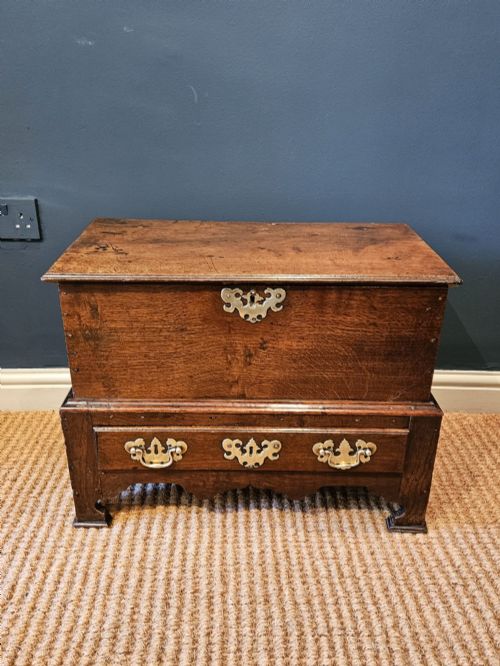
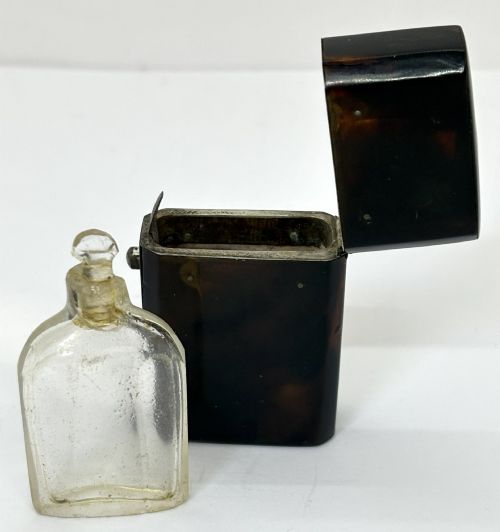
When you search for a georgian miniature box, you encounter pieces spanning the eighteenth and nineteenth centuries, including regional Welsh vernacular items and refined English cabinetwork. The selection centres on diminutive oak coffer bachs, mahogany chests of drawers, spice cabinets, and delicate silver or enamel snuff and patch boxes.
Most examples originate from domestic workshops and country regions, featuring forms such as miniature bureaus, tea caddies, and small trunks used for personal valuables or as apprentice pieces. These objects reflect the exact proportions and joinery of domestic household furniture translated into small dimensions.
Materials and Construction
The construction relies on native and imported timbers, predominantly oak, mahogany, walnut, and fruitwood, often joined with traditional dovetails and pegged joints for structural integrity. Smaller personal boxes utilise brass fittings, glass, tortoiseshell, and silver, shaped and engraved by hand.
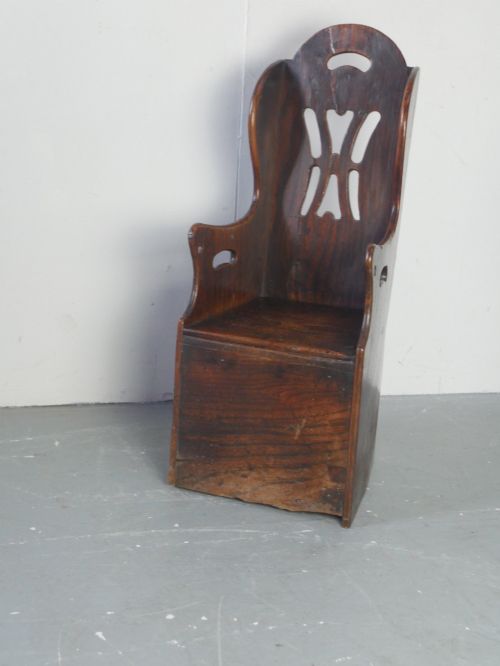
Surface treatments range from waxed patinas on vernacular elm and oak to fine enamel paintings on copper and bright cut engravings on silver items.
Georgian Miniature Box Retail Price Guide 2026
Typical asking prices for georgian miniature box among the pieces listed under this phrase on Sellingantiques today, from the lower quarter to the upper quarter. They describe what is for sale here now, not the wider market.
Listings feature woods such as oak, mahogany, walnut, fruitwood, elm, and burr oak alongside brass, silver, glass, and enamel.
Judging Quality and Proportion
Quality rests upon the fidelity of the miniature scale to full-sized prototypes, where superior pieces maintain correct architectural proportions rather than appearing clumsy or overly thick. The choice of timber grain, the tightness of dovetail joints, and the retention of original brass hardware or fitted interiors determine the standing of each piece.
Samuel Pemberton
The Georgian Miniature Box Glossary
- Coffer bach
- A small Welsh chest, translating literally as little coffer, often fitted with a drawer beneath the main compartment and standing on feet. These were traditionally made as wedding gifts or tokens of affection.
- Apprentice piece
- A small item of furniture demonstrated by a craftsman to prove skill before gaining full guild membership. They display the same meticulous joinery as larger furniture.
- Spice cabinet
- A small wall-hanging or desk-top cupboard containing multiple tiny drawers for storing precious spices and herbs. They reflect domestic organisation in the period.
- Etui
- A small decorative case designed to hold sewing implements or small tools. Georgian examples often incorporate precious metals and fitted internal layouts.
Georgian Miniature Box: Frequently Asked Questions
How do I identify an apprentice piece?
Apprentice pieces are identified by their faithful adherence to full-scale furniture designs rendered in miniature dimensions. They exhibit high levels of joinery skill, such as fine dovetailing and turned feet.
These objects were created by journeymen to demonstrate mastery to guild masters rather than as children's toys, which explains their structural refinement.
What are snuff and patch boxes made from?
Snuff and patch boxes are constructed from silver, tortoiseshell, enamel on copper, and various turned woods like coquilla nut. They often feature hinged lids and detailed engravings or painted scenes.
Their materials reflect the personal luxury uses of the eighteenth century, serving to hold dry tobacco snuff or small silk cosmetic patches.
How should I clean antique wood boxes?
Antique wooden boxes require minimal intervention, relying on gentle dusting with a dry, soft cloth to protect the historic surface. Avoid modern polishes and liquids which can damage the aged patina.
Feeding the dry timber with a light application of traditional beeswax helps preserve the finish without altering the colour or grain established over centuries.