



Georgian Metalwork Candle Holders
Georgian metalwork candle holders bring practical domestic history into your rooms through honest brass, wrought iron, and paktong lighting.
Georgian Metalwork Candle Holders
Georgian metalwork candle holders encompass functional domestic lighting pieces produced primarily in brass, wrought iron, and paktong during the seventeenth, eighteenth, and nineteenth centuries. Buyers searching this phrase encounter practical household items ranging from simple rushlight holders to refined Georgian brass candlesticks.
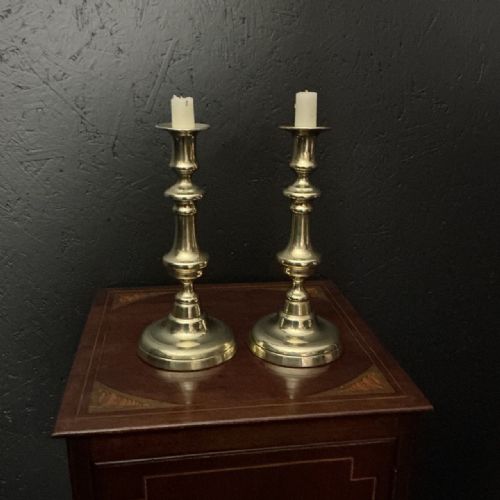
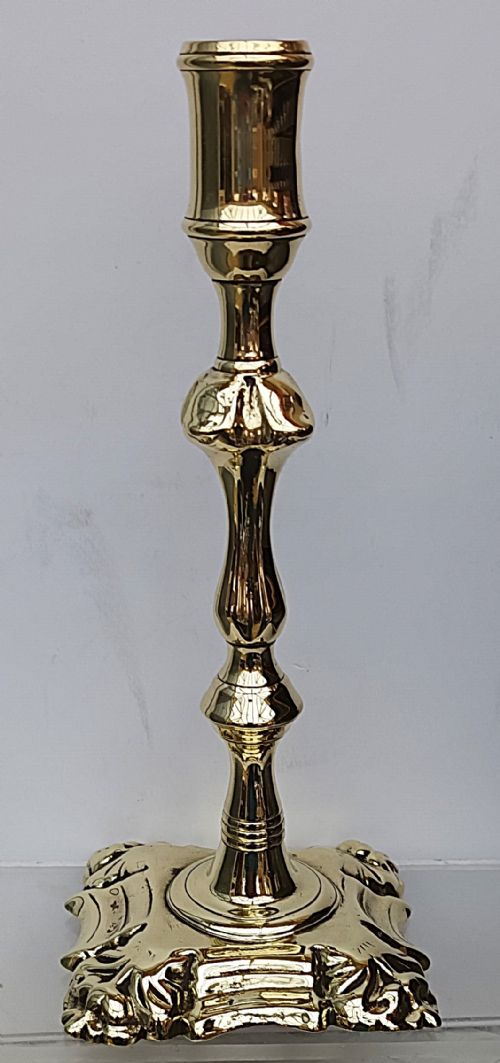
The selection on this page centres heavily upon eighteenth century examples, including chamber candlesticks, ejector designs, and pairs with octagonal bases. These forms reflect the interior illumination needs of period homes before the arrival of gas or electric lighting.
How they were made
Makers utilised durable metals such as brass and wrought iron, shaping them through founding, hammering, and turning techniques to create stable sockets and bases. Paktong, an early copper-nickel-zinc alloy, appears in select items requiring a bright, silvery finish.
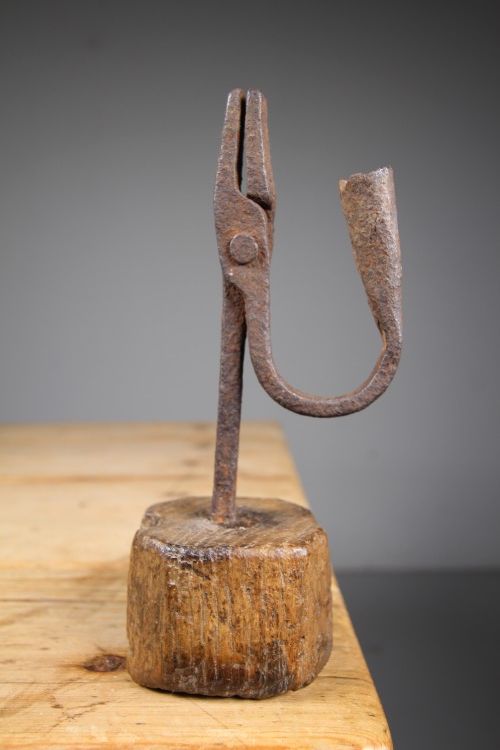
Many brass candlesticks incorporate multi-part construction with cast components joined securely, while wrought iron rushlight holders rely on blacksmithing methods like forging and spring-arm assembly for holding rushes.
Early household inventors combined rush nips and candle sockets into single iron stands so families could choose between expensive wax and free weeds.
What varies in quality
Quality rests in the crispness of the casting and the integrity of the original construction, where sharp detail on shaped bases distinguishes finer work from heavier, plain production. Surface preservation and the presence of original components such as ejector mechanisms elevate specific examples.
Materials also dictate character, as scarce metal alloys like paktong or well-matched pairs of candlesticks demonstrate greater refinement than single utility pieces meant purely for functional illumination.
The Georgian Metalwork Candle Holders Glossary
- Ejector candlesticks
- Candlesticks fitted with an internal sliding mechanism to push out remaining candle stubs. This clever device simplifies cleaning the socket.
- Paktong
- A heavy copper-nickel-zinc alloy imported from China that mimics silver. It was utilised for high-status eighteenth century chamber lighting.
- Rush Nip
- A spring-loaded iron clamp designed to grip a dried rush dipped in grease. These humble devices provided cheap light in early homes.
- Chamber candlestick
- A low candle holder featuring a wide drip pan and a loop handle. It was carried by hand through dark rooms and corridors.
Georgian Metalwork Candle Holders: Frequently Asked Questions
How do I use these safely today?
Place them on stable, heat-resistant surfaces away from draughts and burning materials. Ensure modern taper candles fit securely in the historical sockets without leaning.
Keep burning candles monitored at all times and extinguish them before the flame reaches the metal socket to protect the patina.
What is paktong metal?
Paktong is a historic zinc-copper-nickel alloy originating in Asia and imported to Britain during the eighteenth century. It possesses a bright, silvery appearance.
Items made from this material were costly alternatives to silver and brass, valued for their durability and polished finish.
How do rushlight holders work?
A rushlight holder uses a weighted arm and a pivoted iron jaw to grip a dried rush coated in animal fat. The clamped rush burns slowly to provide cheap light.
Many surviving examples also incorporate a secondary socket to hold a traditional wax or tallow candle.
How do I date these metal holders?
Dating relies on stylistic shifts in base shapes, column turning, and manufacturing techniques such as casting seams or hand-forging marks. Eighteenth-century examples often feature octagonal or square stepped bases.
Material choices, including early wrought iron or specific brass alloys, further help assign pieces to particular decades or centuries.