



Georgian Metal Fireplace Curb
A georgian metal fireplace curb defines the hearth, combining polished steel and brass to frame the fire with period elegance.
Georgian Metal Fireplace Curb
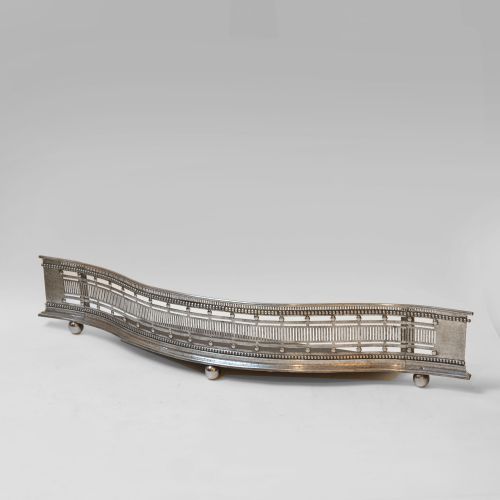
A georgian metal fireplace curb sits directly on the hearth to contain ash and embers while anchoring the fireplace composition. These items appear primarily from the Georgian, Regency, and nineteenth century periods, reflecting the prevailing domestic tastes of the eras.
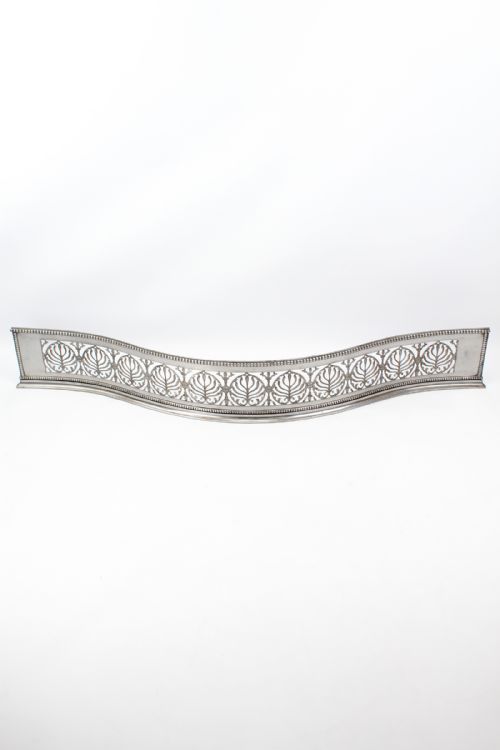
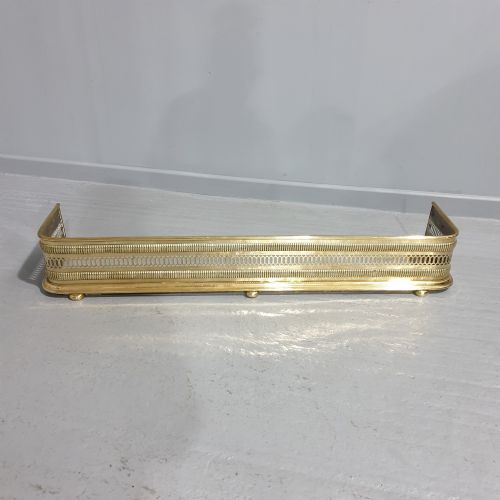
Most examples found here take the form of fire fenders and hearth curbs, designed to fit cleanly in front of the grate. The serpentine front shape emerges frequently among the listings, alongside bowfront and straight profiles.
Makers and craftsmen utilised robust metals like steel, polished steel, brass, and cast iron to build these durable accessories. The aesthetic ranges from simple functional barriers to highly decorative pieces featuring pierced brass and engraved steel details.
Assessing quality and finish
The distinction between standard items and superior examples lies in the crispness of the hand-engraving and the complexity of the pierced metalwork. Curbs featuring serpentine or bowfront shapes required greater skill from the smith to curve heavy steel accurately.
The combination of mixed metals, particularly polished steel paired with detailed brass mounts, generally denotes a higher tier of design ambition. Original surface patination and the integrity of the joins further distinguish finer pieces from simpler utilitarian variants.
Serpentine profiles and pierced decorative fronts dominate the steel and brass fender forms recorded here.
The Georgian Metal Fireplace Curb Glossary
- Serpentine front
- A furniture and metalwork shape curving outward in the centre and inward at the ends, creating a gentle undulating line. This contour is frequently encountered on better steel fire fenders.
- Pierced steel
- Sheet metal punctured with decorative patterns or slots to allow light through and reduce weight. This technique requires patient hand-working with punches and chisels.
- Fender
- A low metal guard placed around the hearth to keep burning fuel and ash contained within the fireplace. These objects protect the surrounding floor coverings from stray embers.
- Polished steel
- Iron alloy treated to achieve a bright, mirror-like finish that reflects the room. This surface treatment demands regular maintenance to prevent oxidation.
Georgian Metal Fireplace Curb: Frequently Asked Questions
What is a fireplace curb?
A fireplace curb is a metal barrier placed on the floor directly in front of the hearth.
Its primary function is to stop rolling logs, hot coals, and ash from spilling out onto the floorboards or carpets.
How do I date a metal fender?
Dating relies on examining the combination of materials, construction methods, and stylistic cues present in the piece.
Items from the Georgian and Regency eras typically exhibit hand-forged steel, pierced brass work, and specific contouring like serpentine fronts.
Are steel and brass mixed often?
Steel and brass appear together frequently on Regency and Georgian hearth furniture.
Makers used the bright polish of steel for the main body and applied cast brass for decorative feet, top rails, or pierced mounts.
How do I maintain polished steel?
Polished steel requires dry conditions and regular light waxing or oiling to protect the exposed metal from humidity.
Preventative care stops oxidation and preserves the reflective finish achieved by the original makers.