





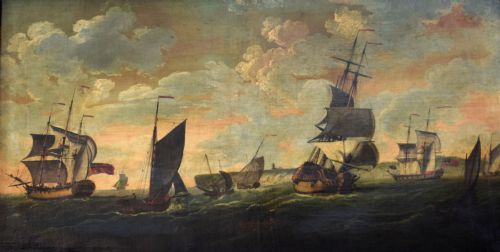

Georgian Maritime Wall Art
Georgian maritime wall art brings naval history and coastal life into a room through centuries-old oil paintings, watercolours and framed prints.
Georgian Maritime Wall Art
Georgian maritime wall art encompasses oil paintings, watercolours, engravings and aquatints depicting ships, sea battles, harbours and coastal scenes from the eighteenth and nineteenth centuries. These works record naval engagements, merchant vessels and port views created during the Georgian and Regency eras.
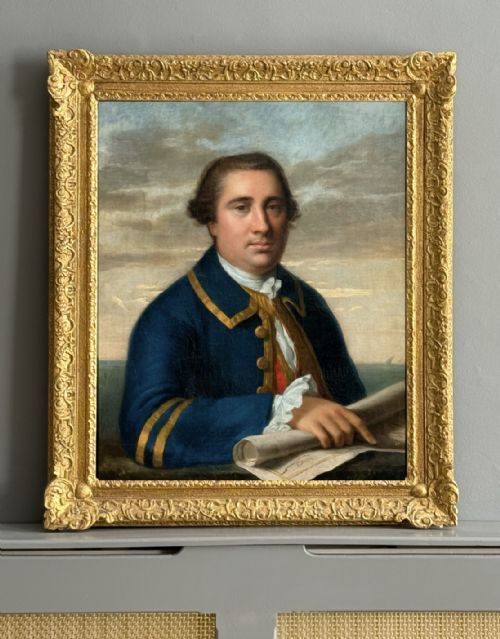
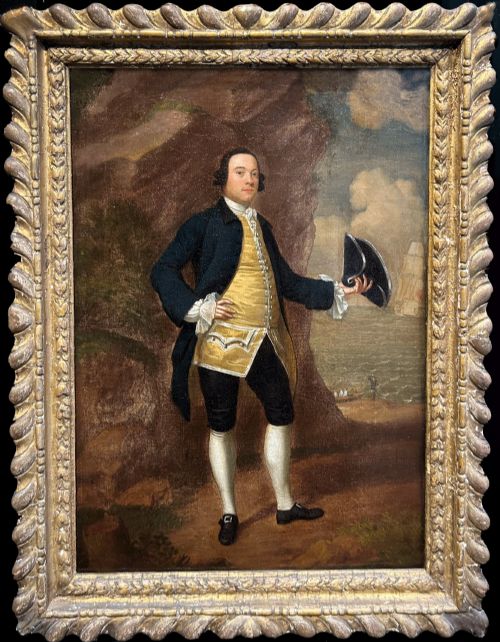
Buyers meet varied formats on this page, ranging from grand oil on canvas portraits of naval captains and battle scenes to delicate maritime watercolours and sets of topographical aquatints. Many pieces arrive in period frames finished in giltwood or gold leaf.
The subjects span naval man-of-war vessels, privateers, coastal shipping and specific ports such as Portsmouth, Plymouth and Liverpool. Works frequently combine historical documentation with fine artistic execution, reflecting Britain's maritime heritage.
How they were made
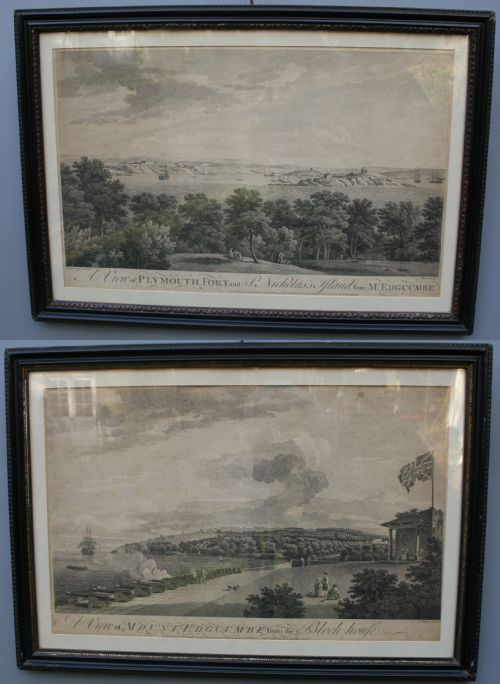
Painters applied oil paint to stretched canvas or watercolour to paper, capturing rigging, sea states and coastal topography with precise observation. Engravers and printmakers used copper plates to produce detailed aquatints and monochrome prints of coastal views and naval engagements.
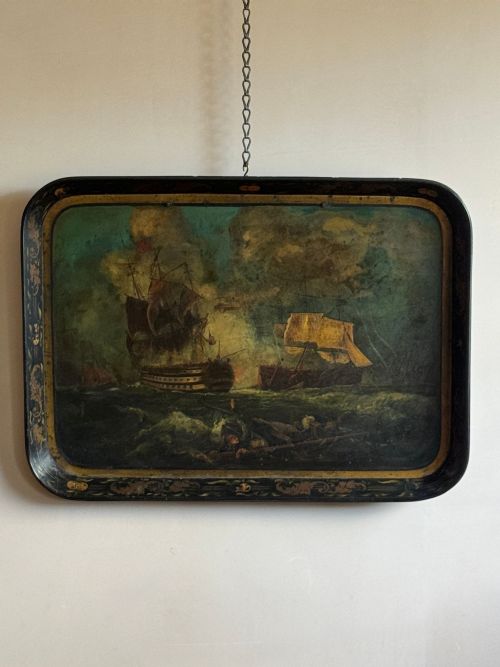
Frames and decorative items employ traditional joinery and surface finishes including japanned papier-mâché and gilded wood. Gold leaf and giltwood mouldings surround many of the canvases and prints, securing the paper or canvas within protective wooden structures.
Georgian Maritime Wall Art Retail Price Guide 2026
Typical asking prices for georgian maritime wall art among the pieces listed under this phrase on Sellingantiques today, from the lower quarter to the upper quarter. They describe what is for sale here now, not the wider market.
Materials documented in the inventory include oil on canvas, watercolour, paper, glass, canvas, giltwood, gold leaf and oil paint.
What varies in quality
The sophistication of the draughtsmanship and the handling of light on water distinguish superior canvases and watercolours from simpler topographical records. Master painters render ship architecture, sail tension and atmospheric conditions with anatomical and technical accuracy.
The preservation of the original medium, whether oil pigment, watercolour wash or inked paper, influences the visual impact of the piece. Intact period frames, particularly those retaining original gilding, complement the historic nature of the artwork.
Lemuel Francis Abbott·Francis Hayman·W Collard·W J Huggins·Samuel Owen·Francis Holman·R I Barrow
The Georgian Maritime Wall Art Glossary
- Aquatint
- A printmaking technique that produces tonal areas resembling watercolour washes through acid etching on a copper plate. This method allowed printmakers to publish atmospheric coastal scenes and naval portfolios.
- Man-of-war
- A powerful warship carrying several tiers of cannons used by the Royal Navy during the sailing era. These vessels feature prominently in eighteenth-century naval paintings and battle scenes.
- Japanned
- A European imitation of East Asian lacquerware applied to surfaces such as papier-mâché trays and frames. The technique involves layering dark varnished finishes to create a hard, glossy surface.
- Giltwood
- Wood carved and coated with a thin layer of gold leaf or gold paint. This finish commonly appears on decorative frames housing Georgian oil paintings and prints.
- Privateer
- A privately owned armed vessel commissioned by a government to fight enemy shipping. Portraits and depictions of these ships form a distinct category of maritime art.
Georgian Maritime Wall Art: Frequently Asked Questions
What subjects appear in these works?
The works depict naval engagements, sea battles, merchant ships, royal warships and privateers operating in coastal waters and open seas. Harbour scenes, lighthouses and maps of specific coastal areas also feature prominently.
Artists recorded specific locations such as Portsmouth, Plymouth, Liverpool and the English coast alongside imagined or historical naval encounters.
How do I date these pieces?
Dating relies on stylistic evidence, artist biographies, naval architecture and inscriptions noting specific ships, events or publication years. Uniforms and rigging styles shift noticeably between the mid-eighteenth century and the nineteenth century.
Paper watermarks, canvas types and framing styles provide additional chronological clues for pieces created between seventeen-fifty and eighteen-fifty.
Are these works original period pieces?
The selection includes eighteenth and nineteenth-century original oil paintings, watercolours, hand-coloured engravings and period aquatints. These items date from the Georgian and Regency eras through the mid-nineteenth century.
Signatures, inscriptions, paper substrates and canvas preparations help verify the period origin of each individual artwork.
How should I display maritime art?
These works suit traditional study spaces, libraries, hallways and living rooms where historical and nautical themes predominate. Pairing framed prints or oil paintings with appropriate wall lighting highlights the fine details of rigging and coastal topography.
Keeping pieces away from direct sunlight protects vulnerable watercolours, tinted papers and painted canvas surfaces from fading.