




Georgian Mahogany Wine Bucket
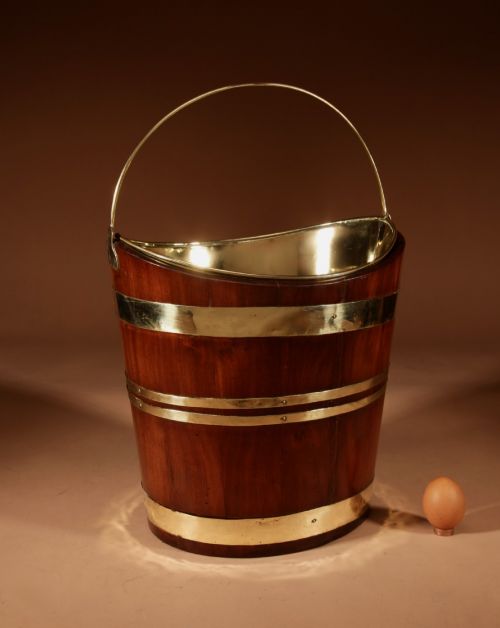
A georgian mahogany wine bucket is a sturdy, coopered container designed to hold bottles and ice at the dining table.
Georgian Mahogany Wine Bucket
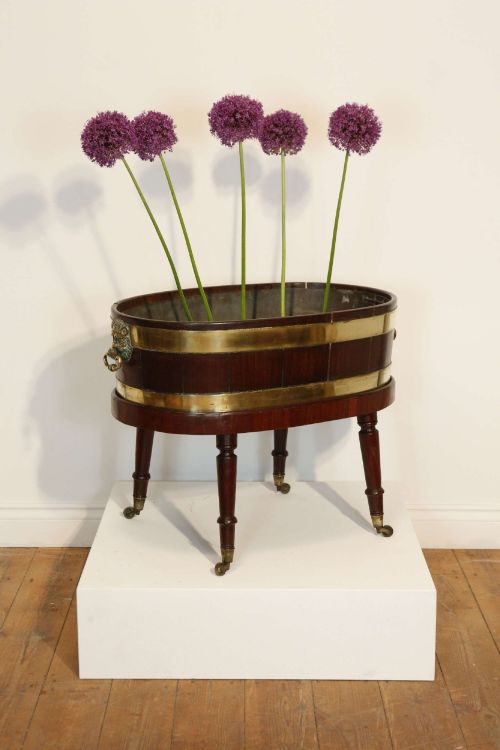
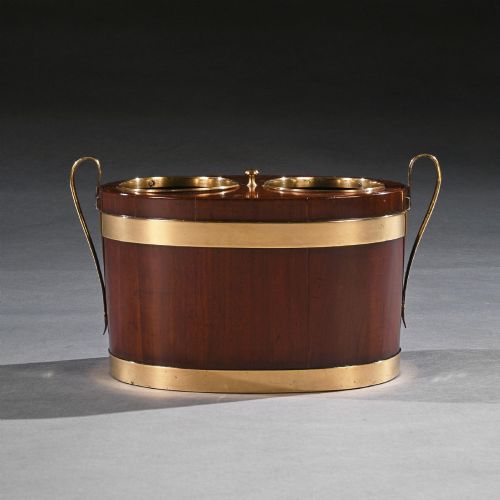
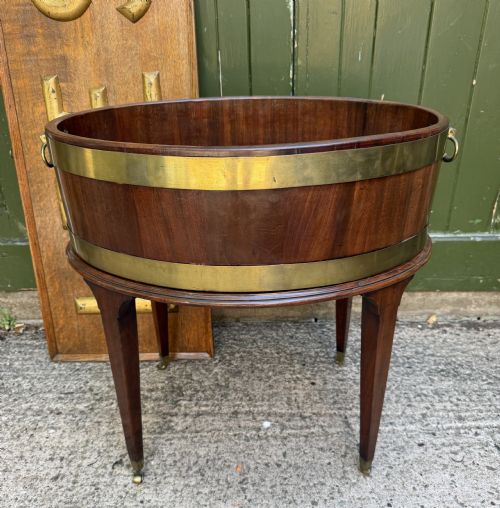
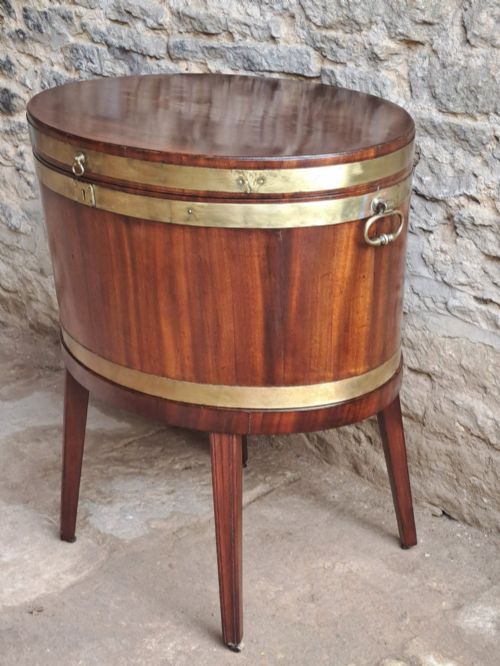
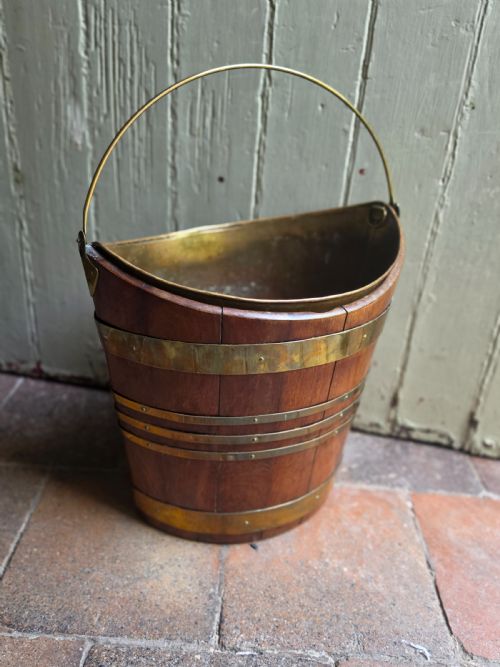
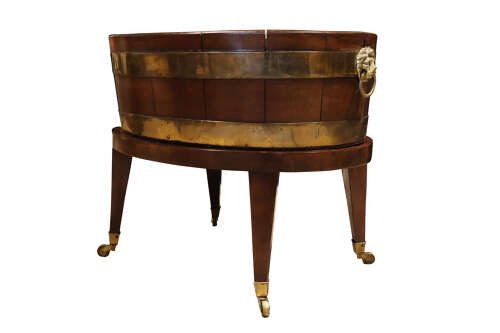
A georgian mahogany wine bucket combines practicality with formal dining elegance, appearing frequently in oval, boat-shaped, or round forms. These pieces date predominantly from the eighteenth and nineteenth centuries, spanning George III and Regency periods.
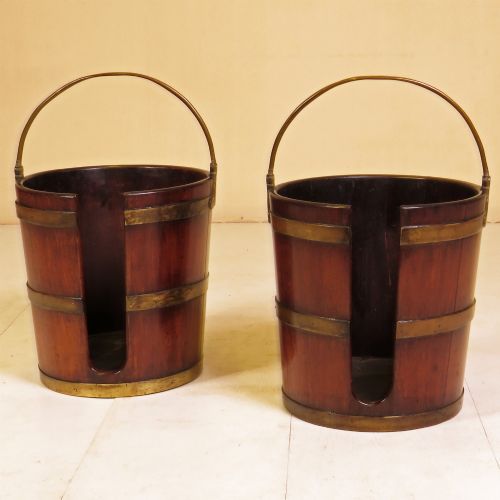
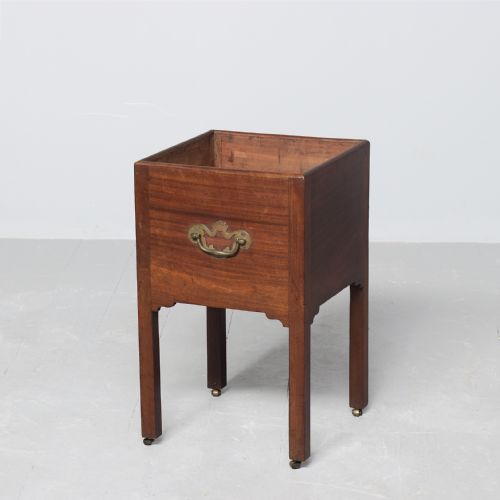
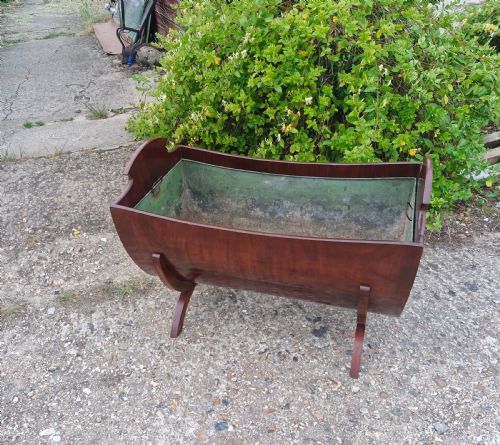
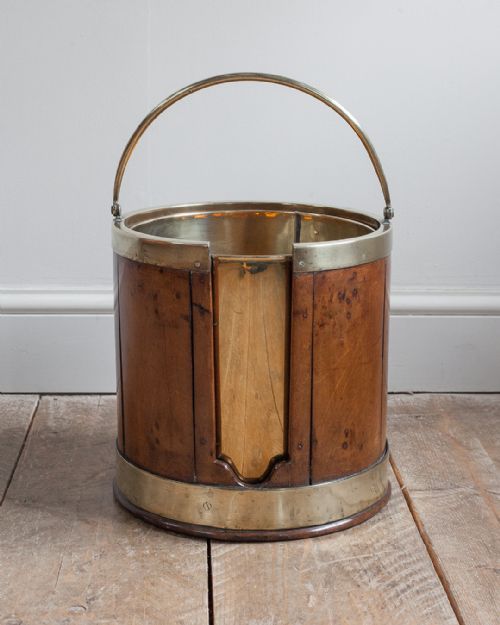
Beyond traditional wine cooling, many surviving examples function as plate buckets, peat buckets, log baskets, or jardinières. They often rest on dedicated stands or feature brass binding and swing handles for movement around the dining room.
The materials reflect domestic utility adapted for display, with solid mahogany bodies supplemented by walnut or satinwood elements. Coopered construction ensures watertight integrity for ice and bottles during extended dining rituals.
Materials and Construction
Makers utilised traditional coopering techniques, joining tapered staves of mahogany or walnut with interlocking joints to form solid oval or round vessels. Metal bands made of brass or iron encircle the body, secured with rivets to maintain structural tension against moisture and weight.
Internal lead linings or zinc inserts protect the timber from melting ice and pooled water. Additional decorative enrichment appears through boxwood and satinwood stringing, inlay, or spindle galleries mounted around the rim.
Georgian Mahogany Wine Bucket Retail Price Guide 2026
Typical asking prices for georgian mahogany wine bucket among the pieces listed under this phrase on Sellingantiques today, from the lower quarter to the upper quarter. They describe what is for sale here now, not the wider market.
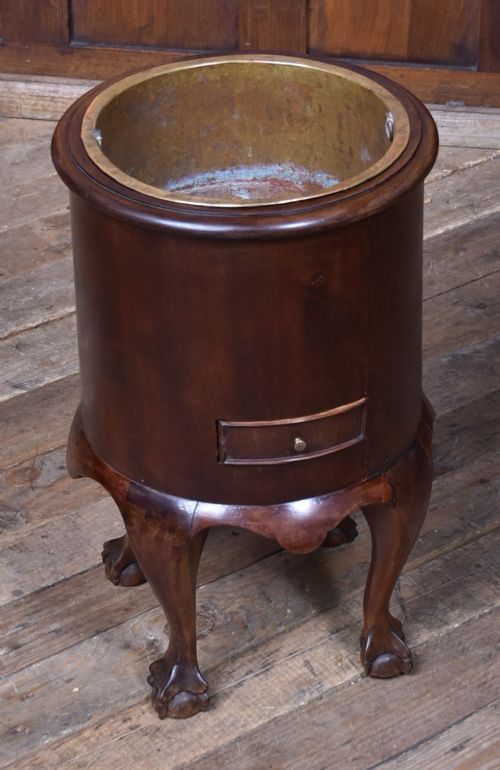
Listings demonstrate forms ranging from eighteenth-century George III wine coolers to twentieth-century Dutch Georgian planters in mahogany, walnut, and satinwood.
Judging Quality
The distinction between standard utility items and exceptional examples lies in the timber selection and the precision of the cooperage. Figured mahogany with a deep natural patina commands greater attention than plain, unfigured secondary woods.
Originality of components dictates overall merit, particularly the retention of matching stands, period brass bands, and interior linings. Subtle details such as inlaid stringing or finely turned handles elevate the piece from simple storage to formal reception furniture.
The Georgian Mahogany Wine Bucket Glossary
- Coopered
- Constructed using shaped vertical staves bound together with metal hoops, similar to barrel-making. This method provides the essential strength needed for holding heavy liquids and ice.
- Cellarette
- A lockable container or freestanding bucket used to store wine bottles near the dining table. They frequently feature interior divisions to keep bottles separated.
- Jardinière
- An ornamental receptacle designed to hold potted plants or flowers. In mahogany examples, these often share identical coopered forms with wine buckets.
- Plate bucket
- A deep cylindrical or oval vessel constructed with staves to hold dining plates safely. They mirror the construction of wine buckets but lack internal metal linings.
- Peat bucket
- A small coopered container traditionally used to hold dried peat for warming tea stoves or grates. They often incorporate brass swing handles and decorative wooden spindles.
Georgian Mahogany Wine Bucket: Frequently Asked Questions
What is a wine bucket used for?
These vessels were originally filled with ice and water to chill wine bottles directly beside the dining table during lengthy meals. The internal metal lining prevented moisture from damaging the outer wooden staves.
Over time, many of these containers found alternative domestic uses as planters, log baskets, or umbrella stands. Their robust construction allows them to continue serving decorative and practical purposes in modern rooms.
How do I tell a wine bucket from a plate bucket?
Wine buckets typically contain a metal, zinc, or lead lining designed to hold melting ice and liquid without leaking. Plate buckets feature unlined wooden interiors scaled specifically to stack dining plates.
External appearances can look similar because both utilise coopered mahogany staves and brass bands. Checking the interior for moisture protection remains the most reliable method of identification.
Did they come with stands?
Many fine examples were made to sit upon dedicated freestanding wooden frames or low cabriole leg stands. These raised the bucket off the floor for easier access during dining.
Other variations sat directly on the floor or sideboard without a base support. Surviving pieces that retain their original matching stands command particular interest.
How do I care for mahogany and brass?
Maintain the timber by dusting with a dry cloth and applying occasional quality beeswax to nourish the grain. Avoid placing the vessel near direct heat sources or damp environments which can affect the wooden staves.
Polish the brass bands gently using a dedicated metal cleaner while shielding the surrounding wood. Keeping the interior dry prevents corrosion of the metal components and protects the historic structure.