
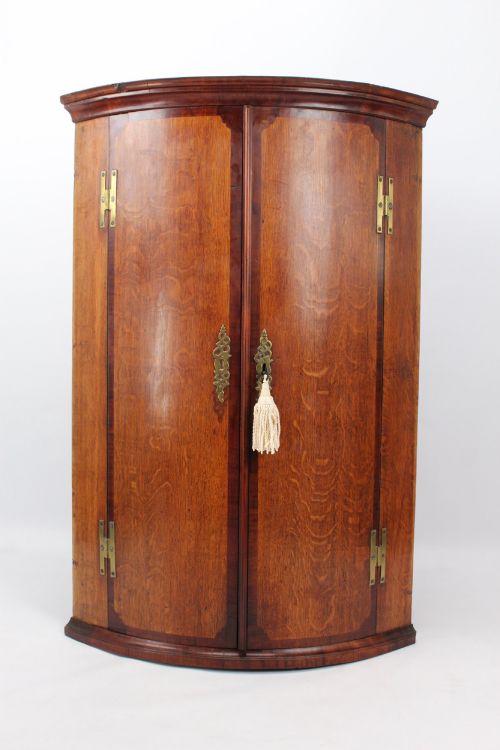
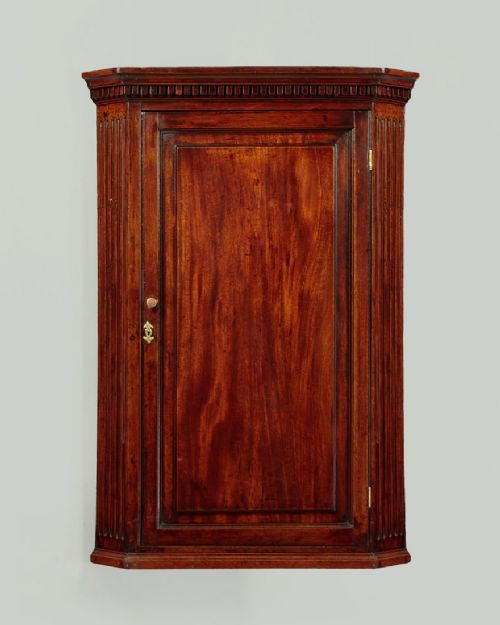
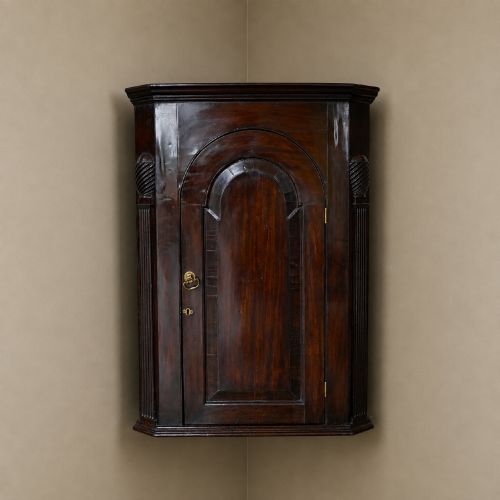
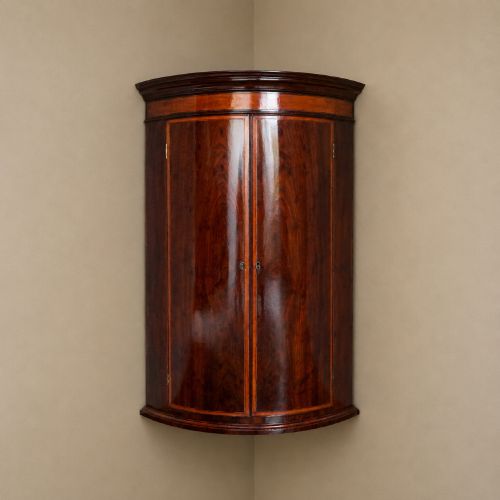
Georgian Mahogany Wall Cabinet
A georgian mahogany wall cabinet solves the eternal problem of empty corners by turning unused room junctions into useful display and storage space.
Georgian Mahogany Wall Cabinet
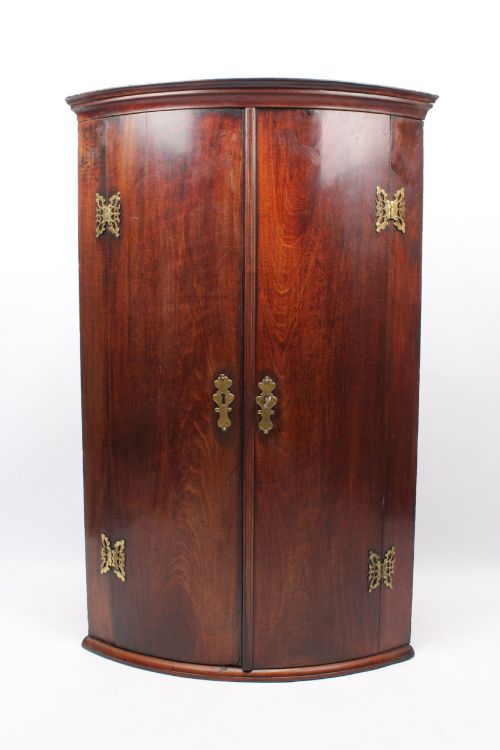
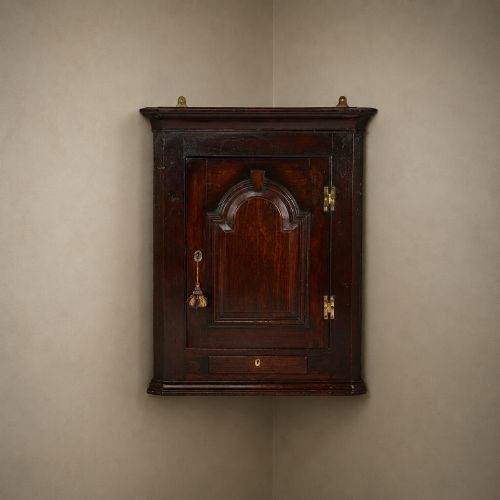
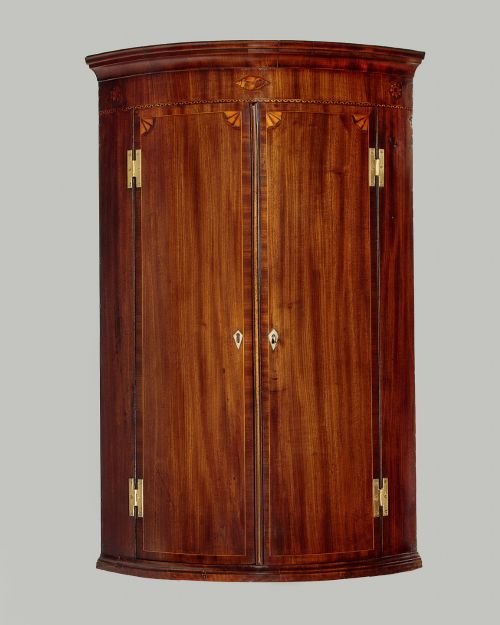
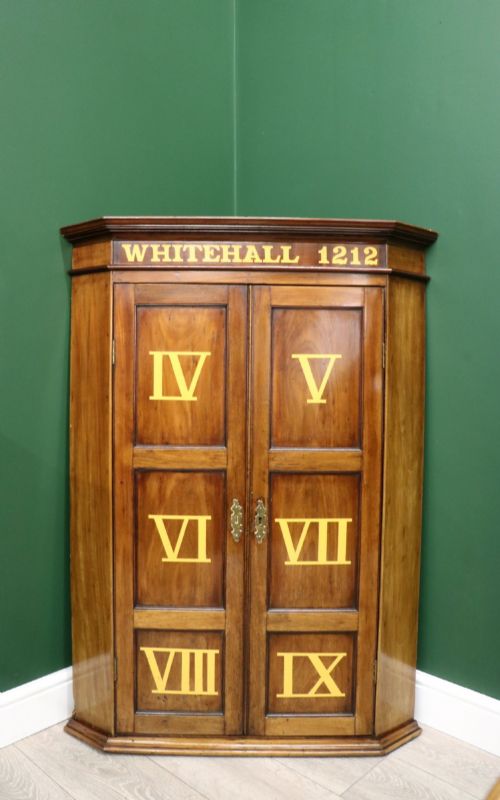
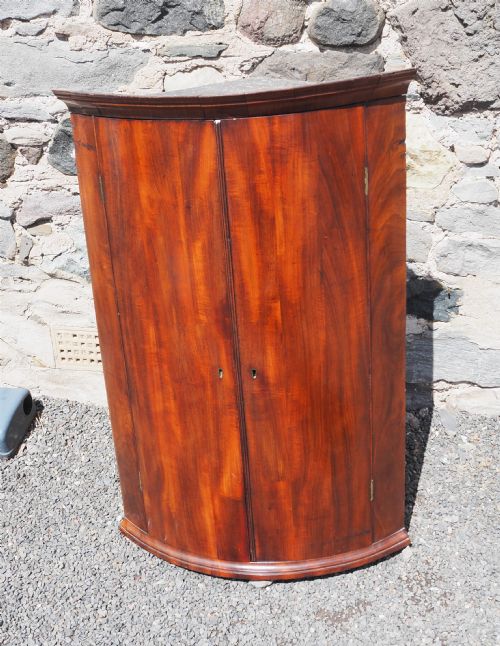
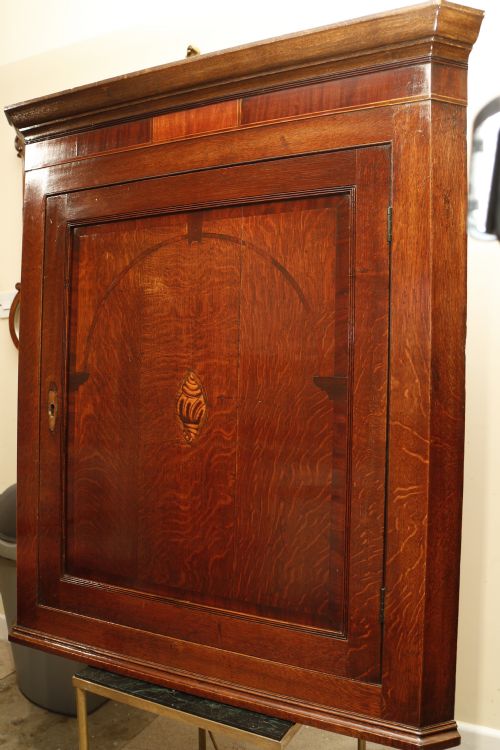
A georgian mahogany wall cabinet most commonly appears in the form of a hanging corner cupboard designed to utilise awkward room angles efficiently. These pieces provide enclosed shelving and occasionally include small drawers or locking doors for secure storage.
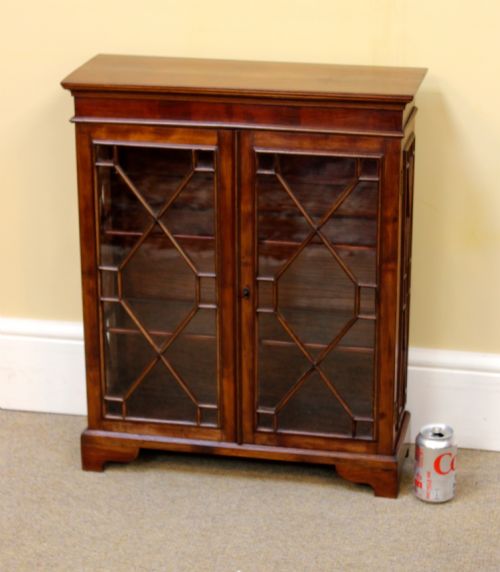
The selection ranges from architectural eighteenth-century examples with flat or broken arch pediments to later nineteenth-century interpretations and twentieth-century revivals. Alongside traditional cupboards, the listings incorporate wall shelves, miniature display cabinets, and desktop organisers.
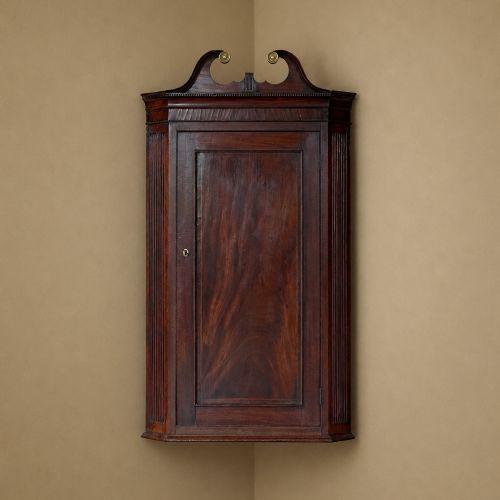
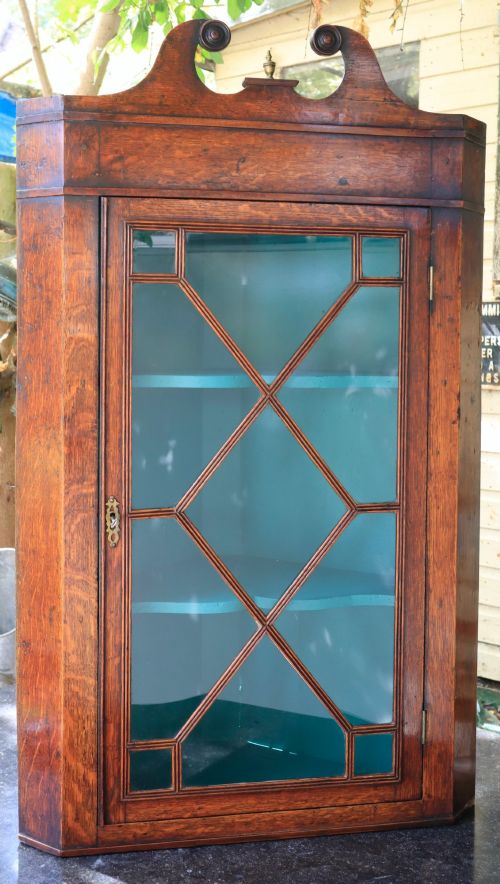
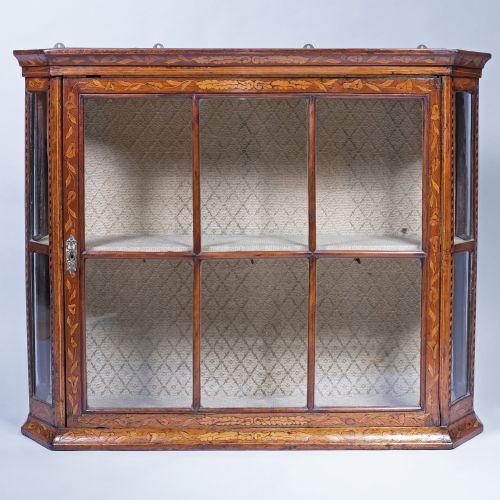
Most items originate from the Georgian and George III periods, constructed to mount directly onto walls to keep floor space completely clear. Buyers encounter both plain panelled doors and glazed fronts designed to showcase porcelain or glassware.
How they were made
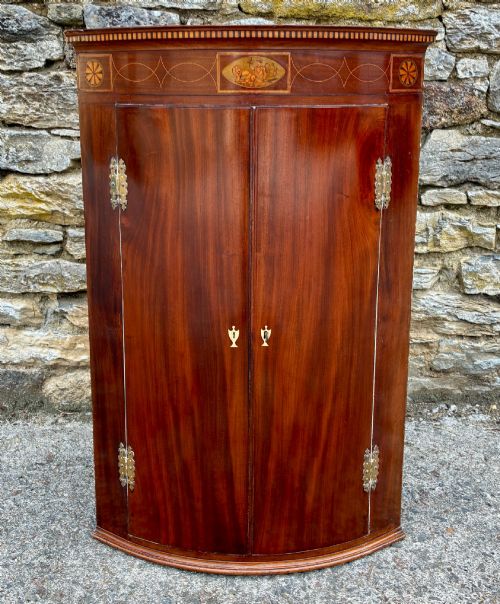
Cabinet makers relied primarily on mahogany timber, sometimes selecting figured grains such as flame mahogany or plum pudding mahogany, occasionally accented with oak, satinwood, or boxwood elements. Marquetry inlay and crossbanding provide decorative contrast along door panels and cornices.
Construction techniques involve solid timber framing joined to accommodate structural expansion in domestic interiors. Brass hinges, escutcheons, and working locks secure the doors, while internal wooden or glass shelving creates tiered storage within the compact footprint.
Listings feature oak, mahogany, satinwood, and boxwood materials across George II, George III, Victorian, and Edwardian periods.
What varies in quality
The grade of timber selection heavily dictates the visual impact of a georgian mahogany wall cabinet, with richly figured grain patterns commanding greater attention than plain stock. Superior examples display thoughtful proportions, crisp mouldings, and balanced inlay work.
Integration of original brass hardware, functional locking mechanisms with keys, and intact glass panes distinguishes better-preserved specimens. The complexity of the cornice design, such as broken arch pediments, also marks the distinction between standard utility cupboards and finer pieces.
The Georgian Mahogany Wall Cabinet Glossary
- Bow front
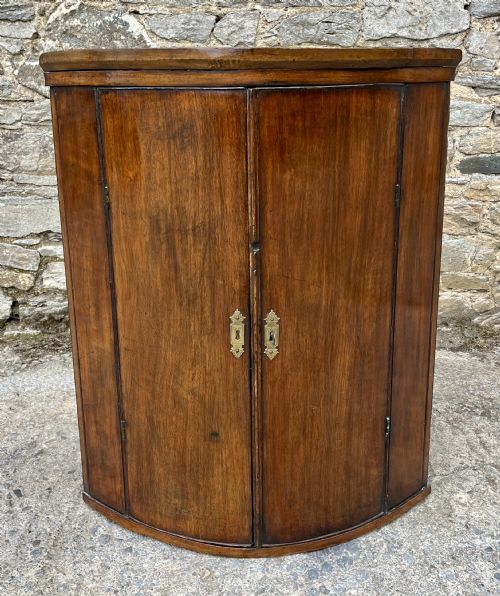
- A convex curved cabinet face that swells outward from the corners. This rounded profile softens room angles and maximises internal capacity.
- Astragal glaze
- A glass door divided into smaller panes by thin wooden or metal framing strips. These grid patterns add geometric detail to display doors.
- Crossbanding
- A decorative border of veneer laid with the grain running perpendicular to the central panel. This technique frames door surfaces and drawer fronts.
- Pediment
- The architectural crowning structure situated above the main cabinet body. Elaborate versions feature broken arches or carved wooden details.
- Flame mahogany
- A highly figured wood veneer displaying flickering, flame-like grain patterns. Cabinet makers reserved this premium material for principal viewing surfaces.
Georgian Mahogany Wall Cabinet: Frequently Asked Questions
How do I hang a wall cabinet securely?
These cupboards were originally built with structural hanging brackets or sturdy internal fixing points designed to bear the weight of solid timber and stored contents. Modern installation requires locating timber wall studs or utilising appropriate heavy-duty cavity fixings matching the wall construction.
Because the cabinet weight rests entirely on these upper anchor points, professional installation ensures the piece remains level and stable over time.
How do I tell an 18th-century cabinet from a revival piece?
Eighteenth-century pieces typically exhibit hand-cut dovetails, secondary timbers such as oak or pine in hidden areas, and timber shrinkage consistent with age. Revivals or later copies often display uniform machine milling and modern hardware fixings.
Examining the backboards and interior construction reveals the manufacturing methods characteristic of the original period.
Were corner cupboards used for drinks?
Many period corner cupboards served as safe storage locations for spirits, glassware, and fine bottles away from general household access. The addition of locking doors and internal shelf arrangements made them practical drinks cabinets.
Today, owners continue to utilise this dedicated shelving for glassware and beverage display.