
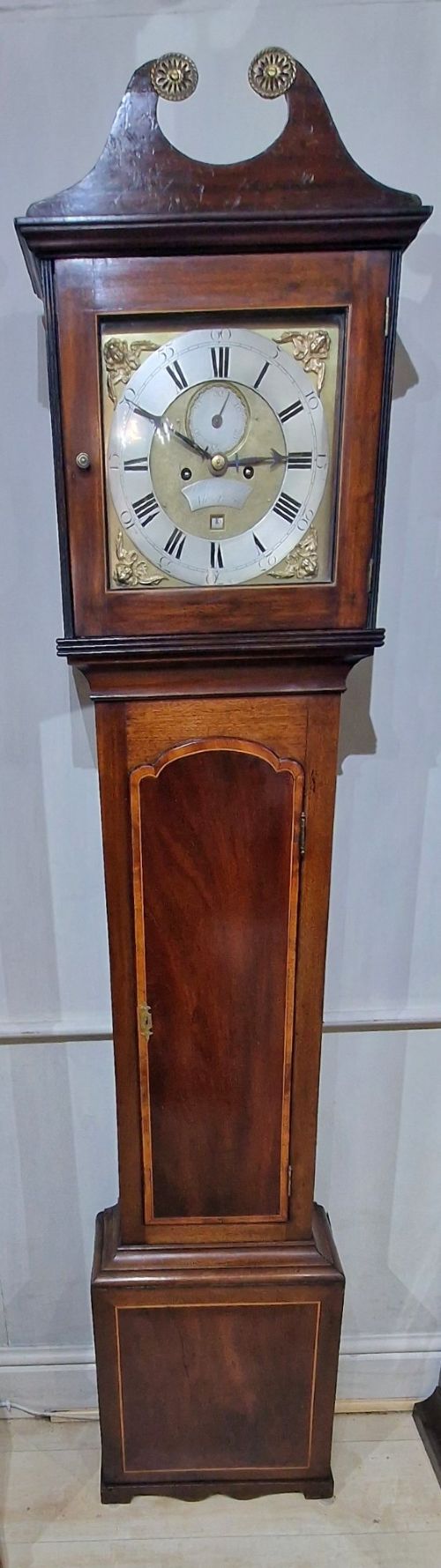
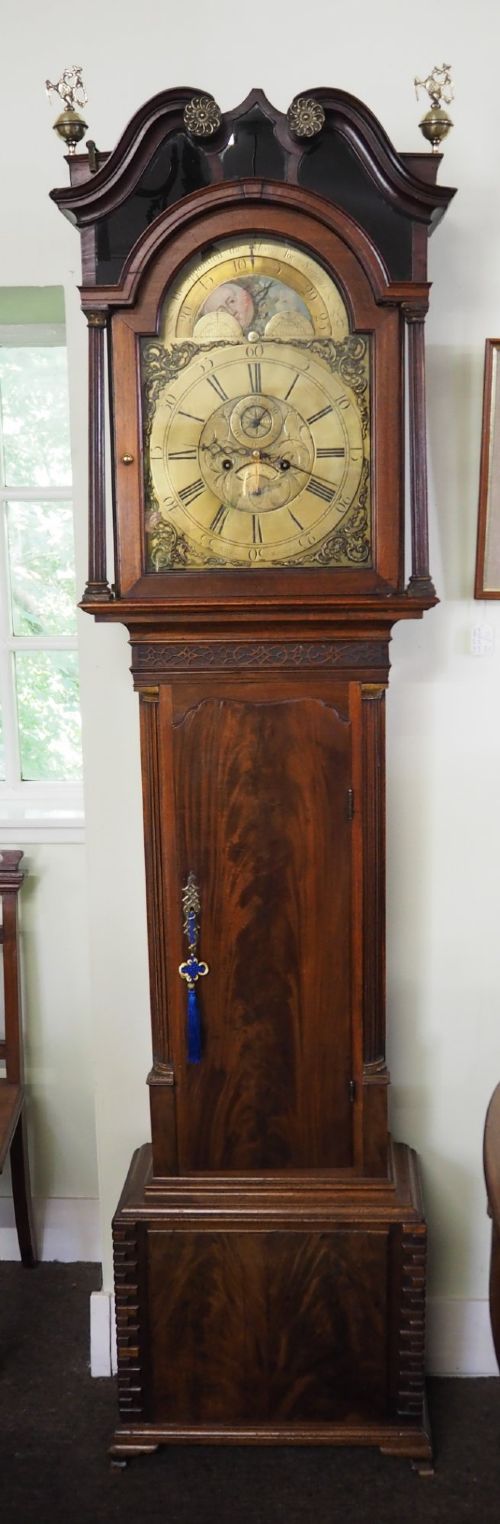
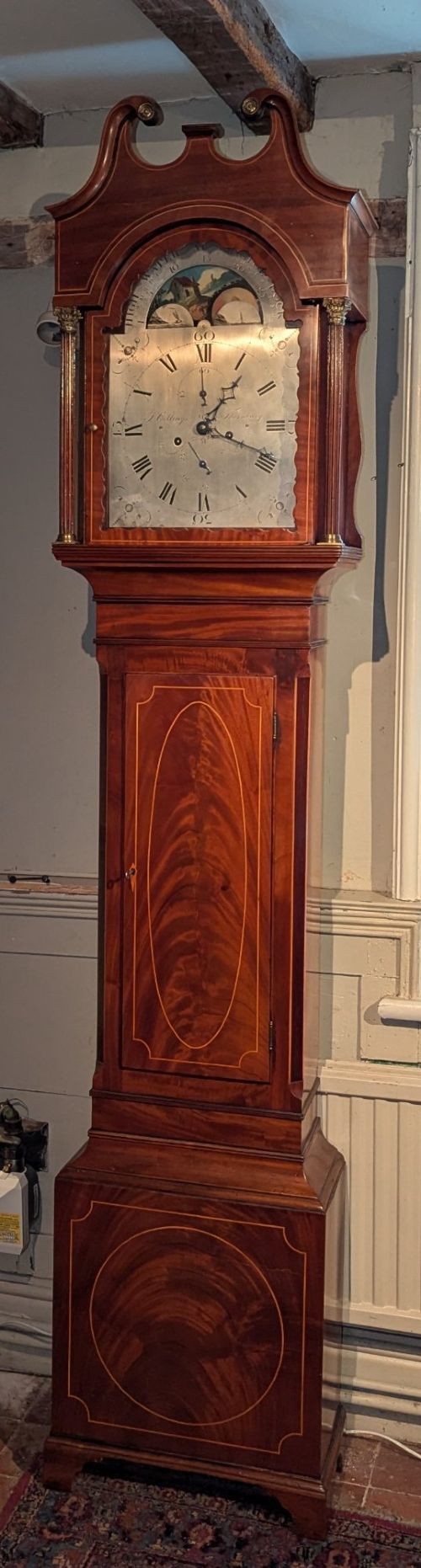
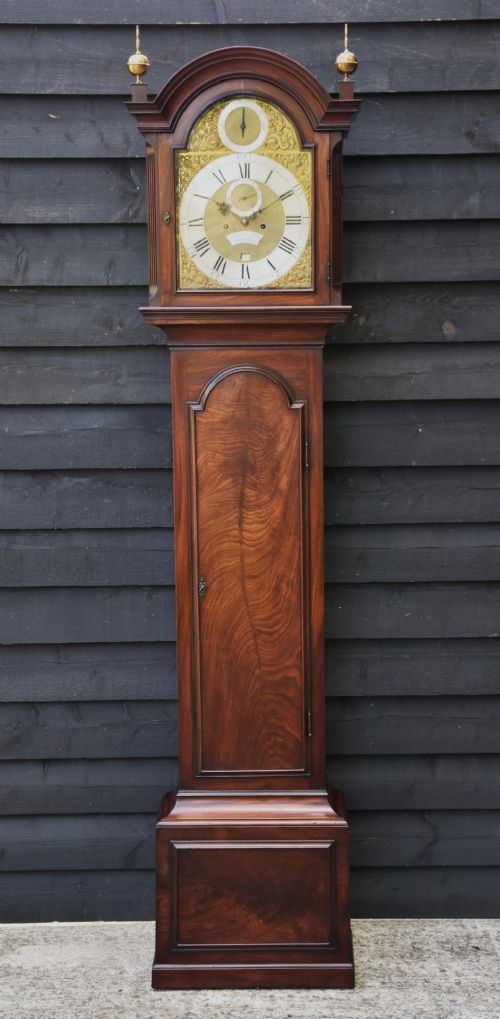
Georgian Mahogany Tallcase Clock
A georgian mahogany tallcase clock anchors a room with its measured tick and tall timber case, bringing centuries of skilled joinery into daily life.
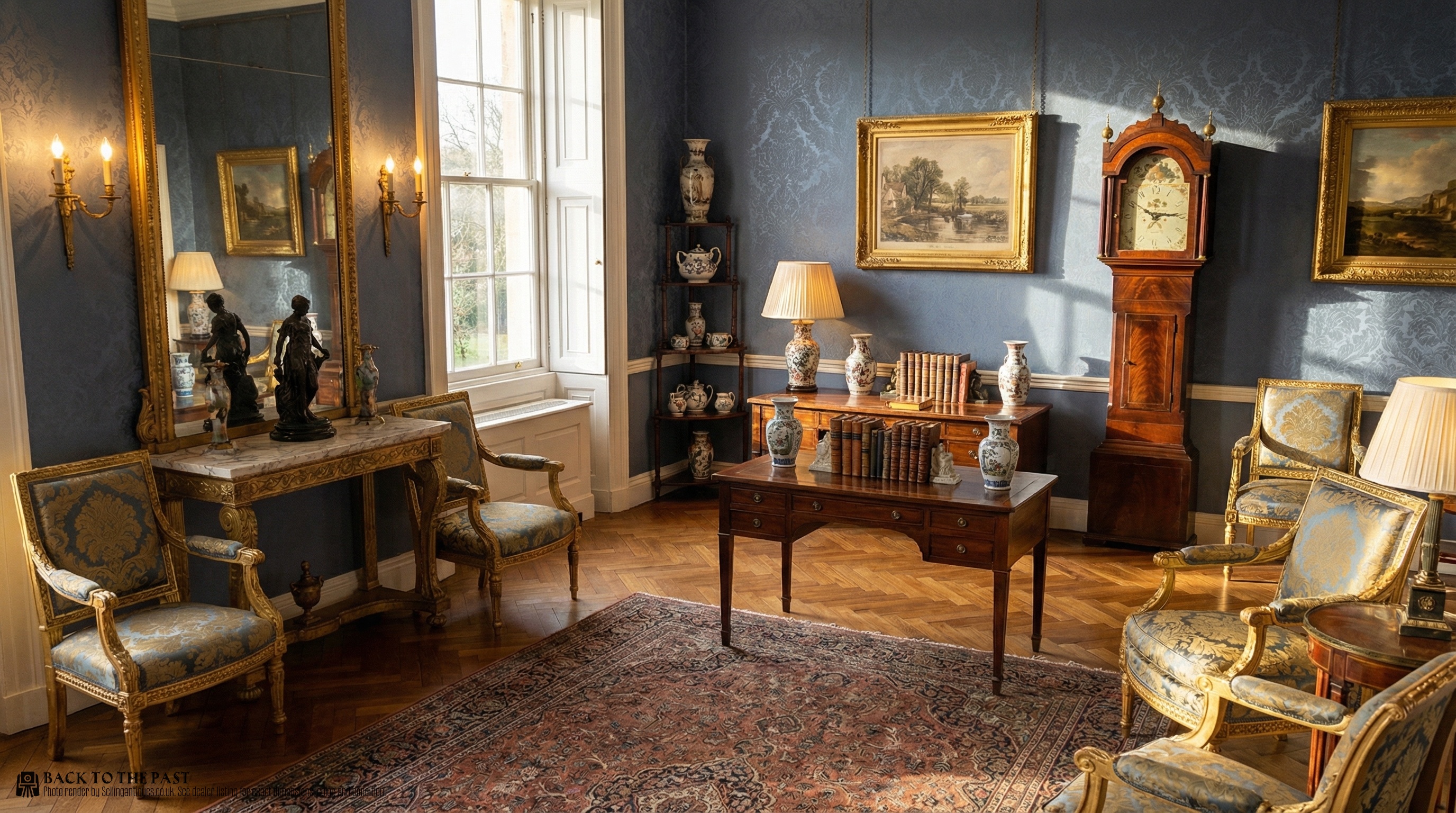
Georgian Mahogany Tallcase Clock
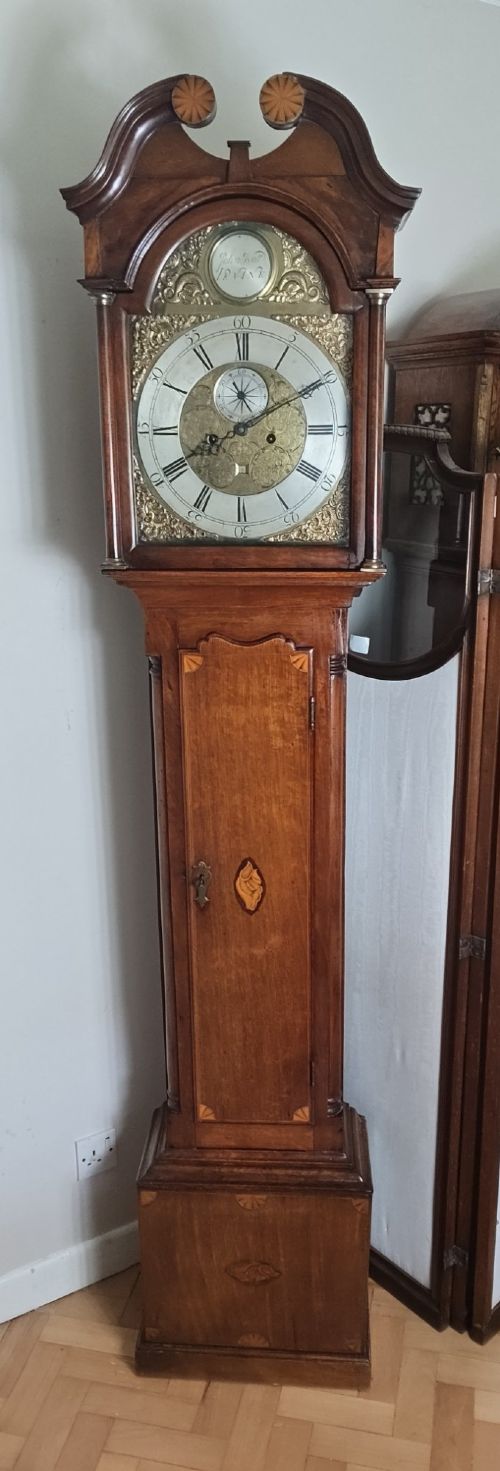
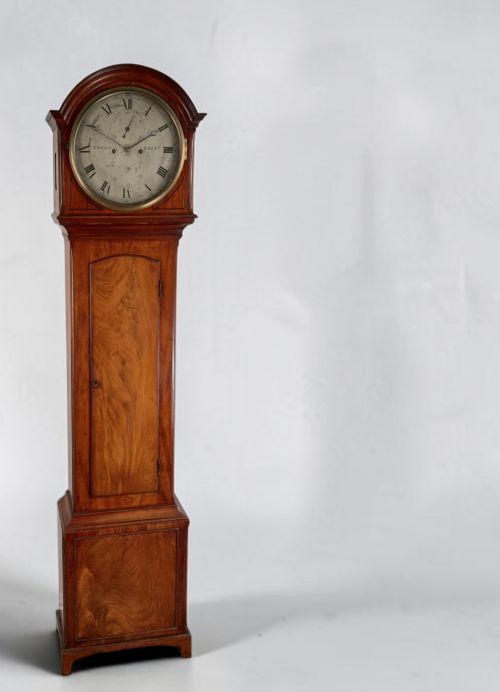
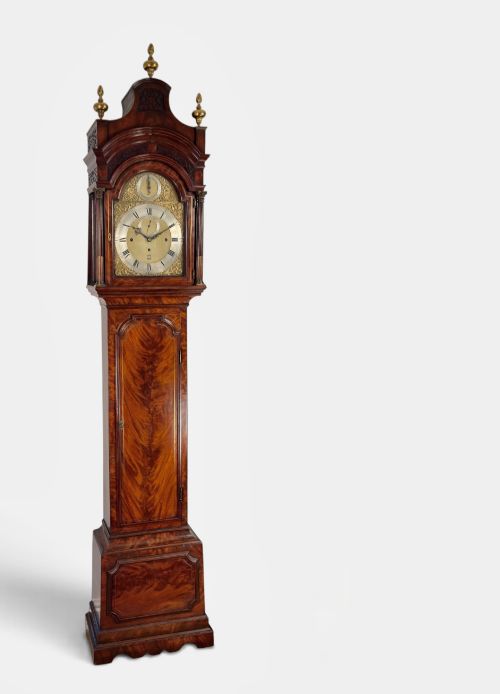
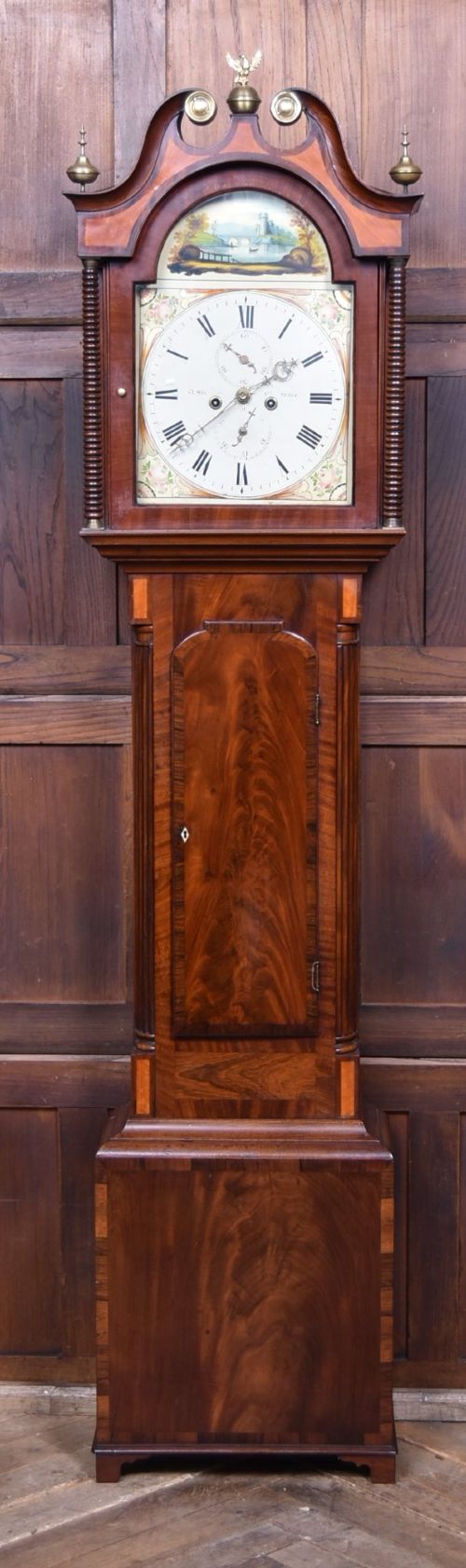
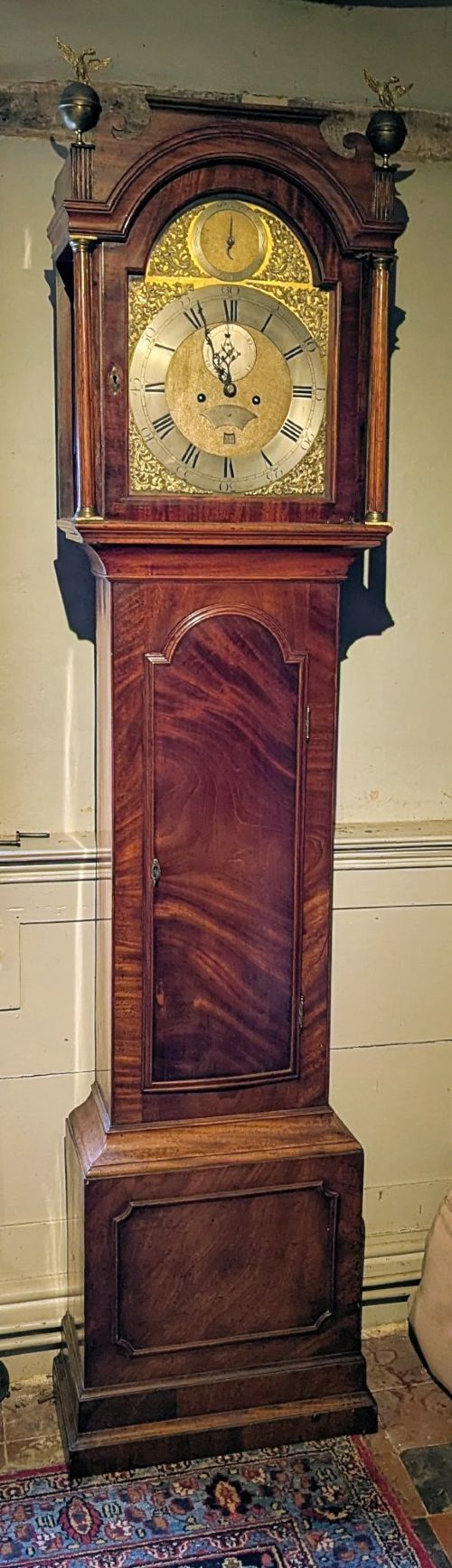
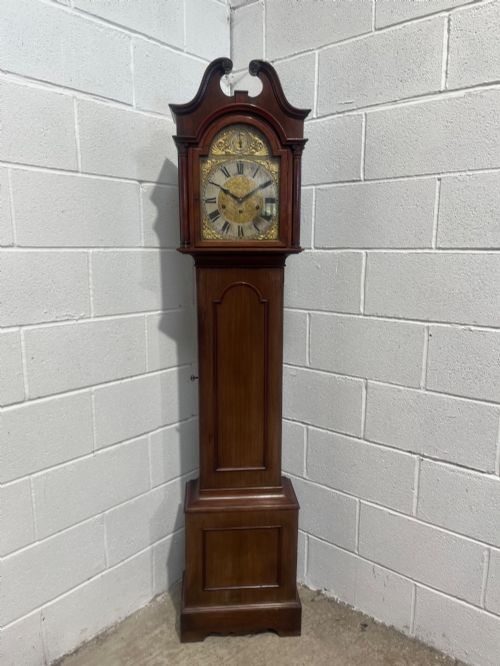
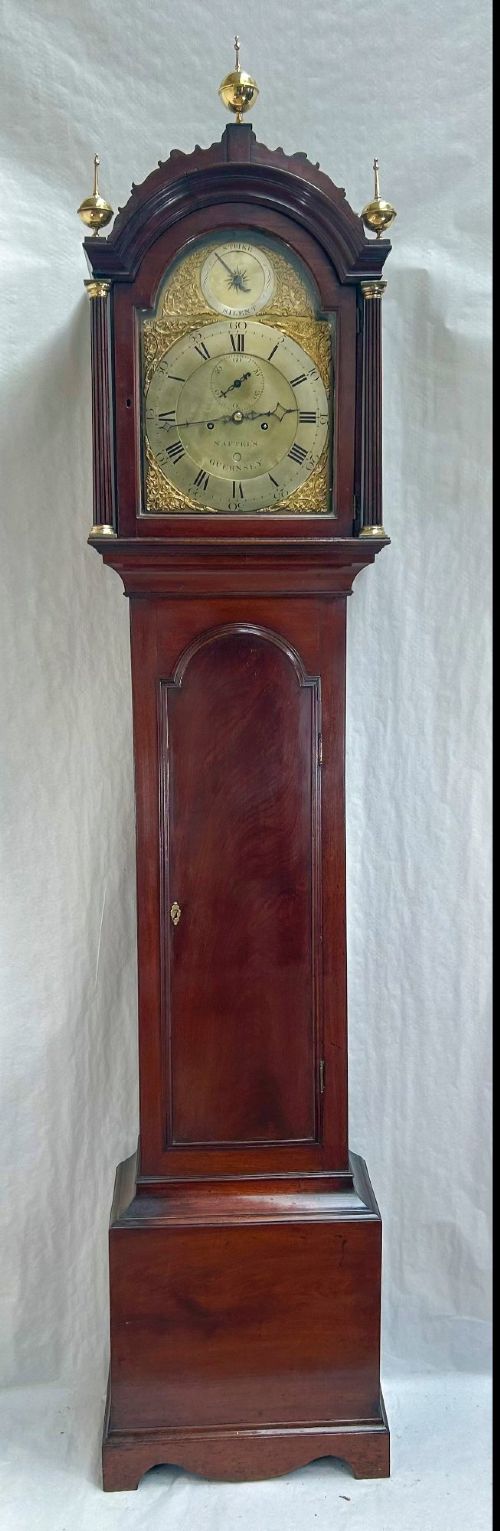
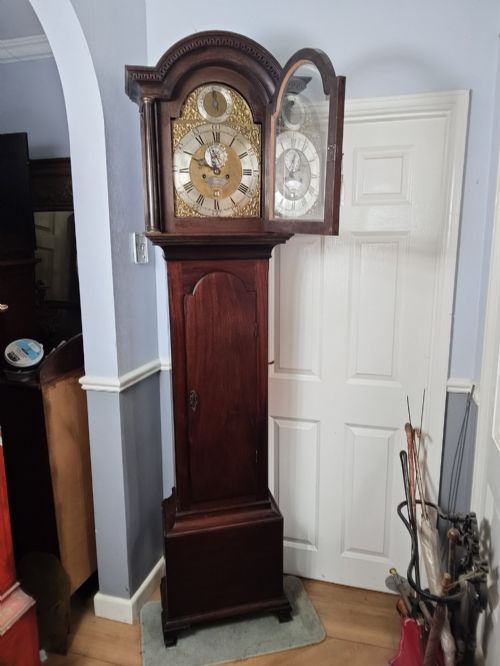
When you search for a georgian mahogany tallcase clock, you encounter tall floor-standing timepieces spanning the eighteenth and nineteenth centuries, often referred to as grandfather clocks or longcase clocks. These pieces combine utilitarian timekeeping with cabinetmaking, housed in timber trunks designed to protect the delicate brass or painted iron movements within.
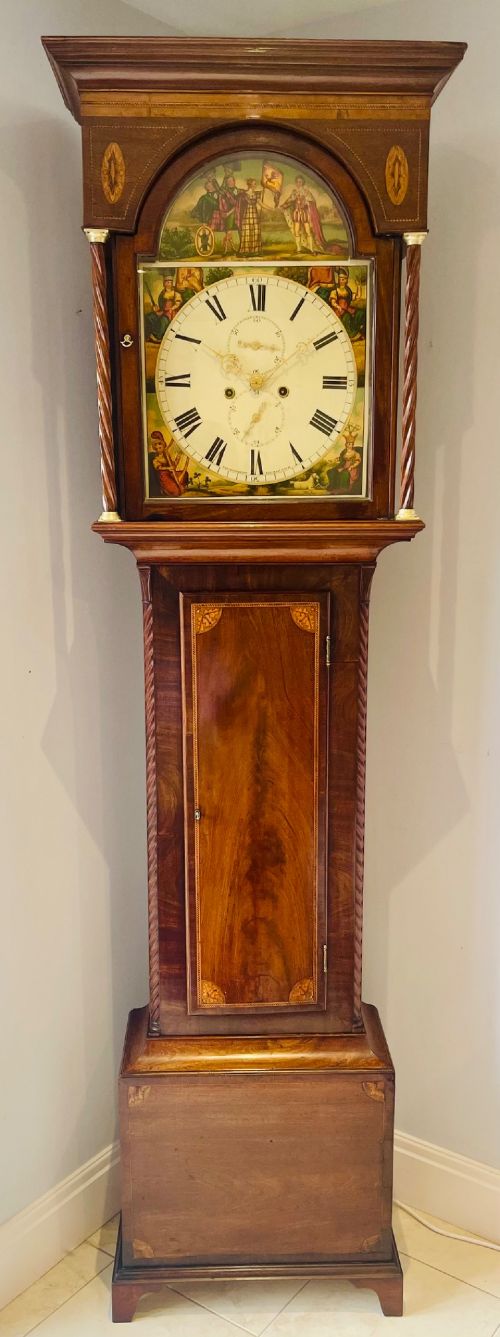
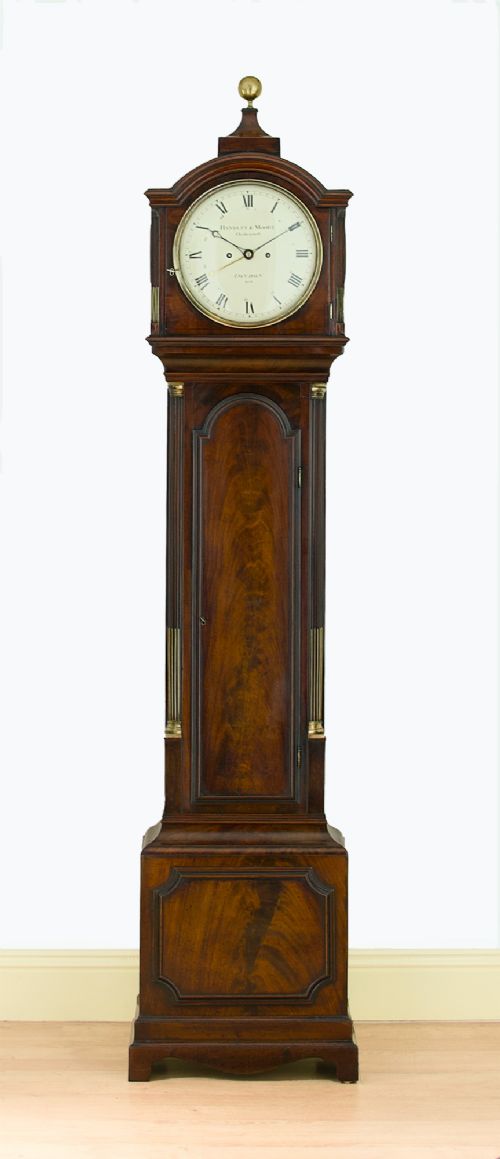
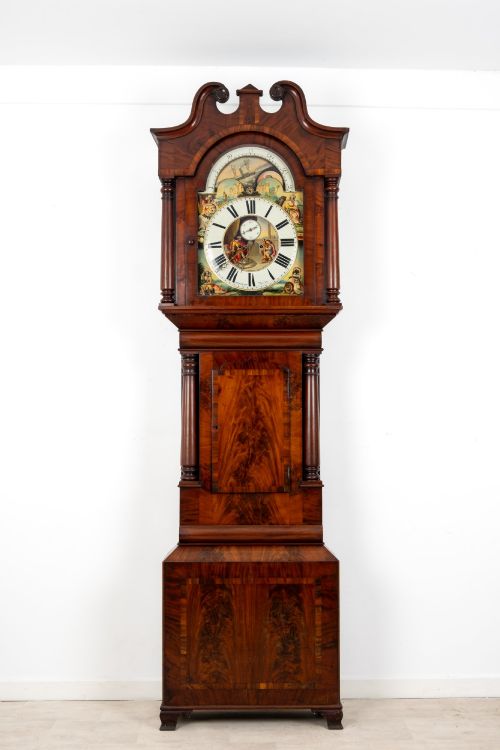
The versions most frequently met on this page originate from Georgian, Regency, and nineteenth-century workshops, executed primarily in solid mahogany or flame mahogany veneer over structural carcases like oak. Regional variations appear alongside pieces signed by makers from London, Scottish towns, and provincial centres, offering distinct dial configurations and cabinet proportions.
Dial types range from simple brass arch faces to complex moon dials and moon roller mechanisms that track lunar phases alongside the hours and minutes. Some examples incorporate strike-silent functions or quarter-striking arrangements, reflecting the technical ambitions of period clockmakers working across England and Scotland.
Materials and construction
Cabinetmakers utilised rich timbers, predominantly mahogany and figured flame mahogany veneer, applied over secondary woods such as oak to build the tall hoods, trunks, and bases. Brass components formed the gear trains, chapter rings, and decorative spandrels, while steel and iron provided the strength required for springs, arbors, and weighted movements.
Dials combined engraved brass plates with silvered chapter rings or utilised painted iron surfaces decorated with floral motifs, maritime scenes, or lunar calendars. Glass protected the dial face behind hinged hood doors, allowing clear visibility of the hands while shielding the movement from dust and atmospheric changes.
One Scottish example on record specifically incorporates a painted horse into its dial decoration alongside the traditional hour markers.
Distinctions in quality
The calibre of a georgian mahogany tallcase clock rests upon the harmony between the cabinetwork and the mechanical movement. Superior examples display finely figured flame mahogany grain matched carefully across the door and base panels, housed in cases with well-proportioned mouldings and sound structural joinery.
Movement quality is demonstrated by the precision of the brass wheel cutting, the reputation of the signing horologist, and the inclusion of complications such as moon phases or strike-silent mechanisms. Original painted iron dials or engraved brass faces preserved in crisp condition elevate a piece above those with replaced components or heavily restored surfaces.
Green of Edinburgh·John Ellicott of London·D. Straiton, Montrose·Robb, Montrose·Handley & Moore, London·Parkinson Bros, Batley·Benjamin Taylor·Rickards, Wotton Under Edge·D Williams of Crickhowell·George Hallifax Of Doncaster·Henry Weedon London·Edward Shepley of Manchester·Joseph Gibson Ecclefechan·Richard Sharkey Birmingham·Thwaites, London·Charles Dowsett Of Canterbury
The Georgian Mahogany Tallcase Clock Glossary
- Flame mahogany
- A timber veneer cut from the fork of the mahogany tree where the branch meets the trunk, producing a distinctive flickering flame pattern. Cabinetmakers prized this figure for principal door panels and hood friezes.
- Moon dial
- A secondary dial face that tracks the phases of the lunar cycle using a rotating disc painted with two moons. This complication required specialised gearing connected to the primary clock movement.
- Strike-silent
- A mechanical feature allowing the clock's striking train to be disengaged so that the hours do not sound. Owners utilised this lever in bedchambers or formal rooms where chiming was unwelcome.
- Longcase clock
- The formal term for a pendulum clock enclosed in a tall wooden case that rests upon the floor. These pieces rely on suspended weights hanging within the trunk to drive the timekeeping and striking trains.
- Chapter ring
- The circular ring on a clock face bearing the numerals that indicate hours and minutes. On period dials, these rings were frequently cast in brass, silvered, and engraved with black wax infill.
Georgian Mahogany Tallcase Clock: Frequently Asked Questions
How do I wind an eight-day longcase clock?
Winding involves inserting a crank key into the winding holes on the dial face and turning it clockwise until the heavy lead weights rise near the top of the trunk.
Care must be taken not to overwind the mechanism, stopping as soon as resistance increases firmly against the key.
Why does my grandfather clock run fast or slow?
Pendulum regulation controls the speed of the clock, requiring the small nut at the bottom of the pendulum bob to be turned up to speed the clock or down to slow it.
Environmental changes in humidity and temperature within a room can also alter the wood of the case and the swing of the pendulum over time.
Where should I place a tallcase clock in my home?
A stable interior wall away from direct sunlight, heating vents, and exterior doors ensures the mahogany case and delicate internal movement remain protected from temperature swings.
Placing the clock on a level floor is essential so that the pendulum swings with an even beat and the escapement functions reliably.
How do I distinguish an eighteenth-century dial from a later nineteenth-century one?
Earlier eighteenth-century dials typically feature brass plates with cast brass spandrels in the corners and silvered chapter rings, whereas nineteenth-century examples frequently utilise white painted iron dials.
Typography, floral decorations, and the presence of subsidiary dials for seconds or moon phases also help assign a piece to its specific period of manufacture.