


Georgian Mahogany Single Chairs
Georgian mahogany single chairs are sturdy seating pieces from the eighteenth and nineteenth centuries, offering classic design and warm timber tones for modern dining rooms.
Georgian Mahogany Single Chairs
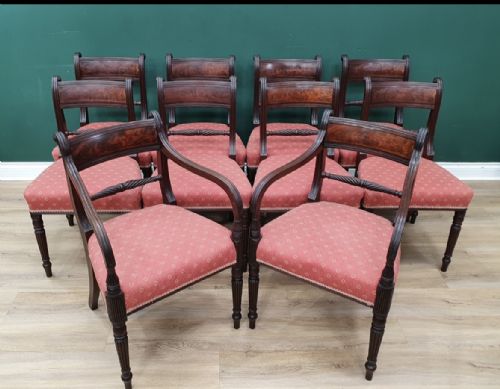
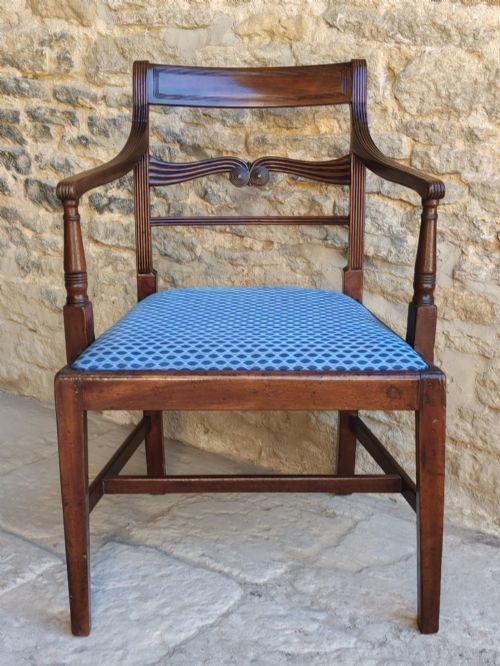
When you search for georgian mahogany single chairs, you examine standalone seats designed for dining tables, hallways, or desks without the arms of carver chairs. The listings here encompass items from the eighteenth and nineteenth centuries, alongside later revival pieces produced in the twentieth century.
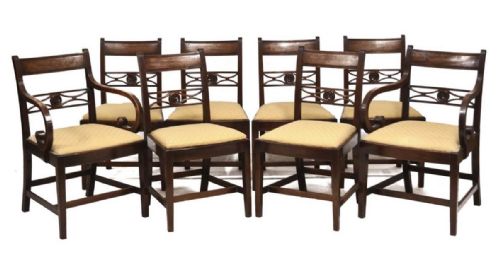
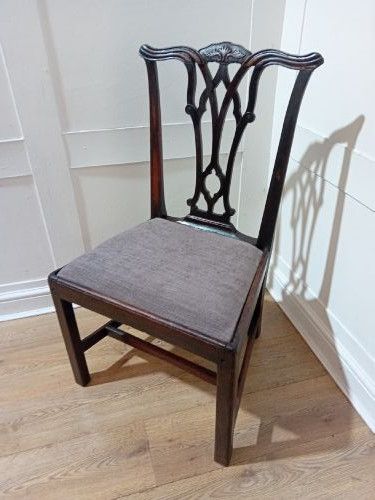
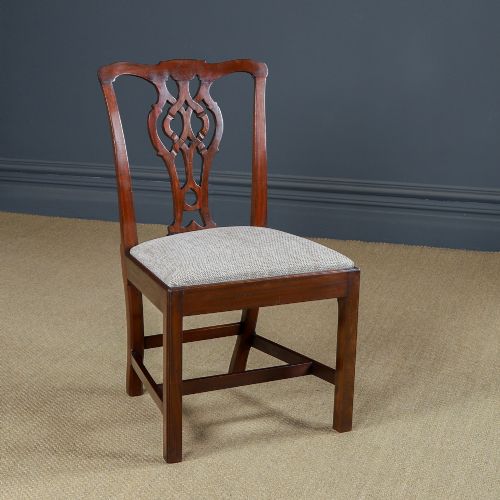
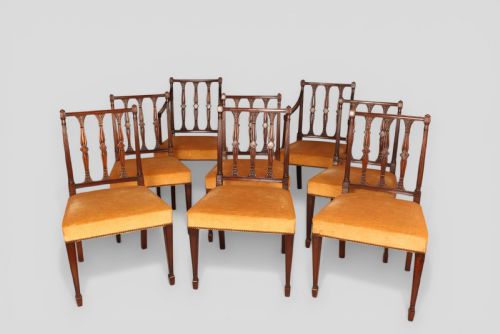
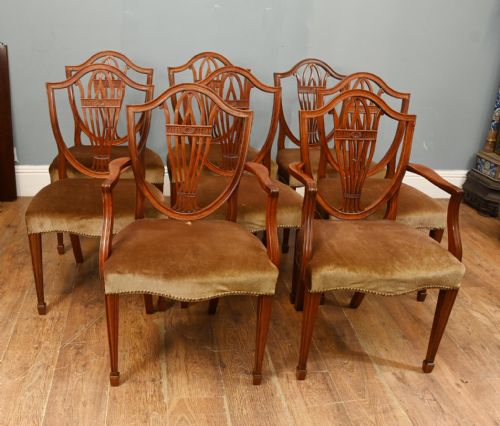
You are most likely to encounter dining chairs and side chairs spanning the George III, Regency, and Chippendale or Hepplewhite styles. These single chairs frequently appear as individual examples, pairs, or larger matched sets intended for formal dining.
The forms originate from specific historical periods ranging from seventeen-seventy up to nineteen-thirty, reflecting shifting tastes in backsplats, leg profiles, and seat upholstery. Buyers select these chairs to anchor traditional interiors or introduce antique character into contemporary spaces.
How They Were Made
Cabinetmakers utilised dense, durable mahogany timber to construct the frames, often employing hand-carving techniques on the top rails and back splats. This wood provided the structural strength needed for upright chairs while allowing intricate pierced designs.
Seats incorporated various support systems, utilising drop-in frames padded with fabric, leather, velvet, damask, or woven cane. Brass details occasionally reinforced structural joints or added decorative accents to specific hall and dining models.
Several dining sets include mismatched quantities of carvers and single chairs, suggesting decades of scattered family gatherings.
What Varies in Quality
The refinement of the carving separates standard production from exceptional work, particularly in the execution of pierced splats and moulded legs. Superior examples display crisp detail in motifs such as interlaced ribbons or carved foliage.
Construction integrity dictates long-term durability, with tighter joinery and higher-grade timber retaining stability across centuries of use. The choice of original or period-appropriate upholstery materials, from supple leather to woven cane, also influences the overall finish of the piece.
The Georgian Mahogany Single Chairs Glossary
- Carver chair
- An armchair designed to match a set of single chairs, traditionally positioned at the head of a dining table. These pieces share the stylistic vocabulary of the smaller single chairs in the set.
- Single chair
- An independent chair without arms, built for dining or side placement. These items form the numerical majority in standard dining sets.
- Splat
- The vertical central strip of wood within a chair back connecting the crest rail to the seat. Cabinetmakers shaped and pierced these elements to define specific historical styles.
- Cane seat
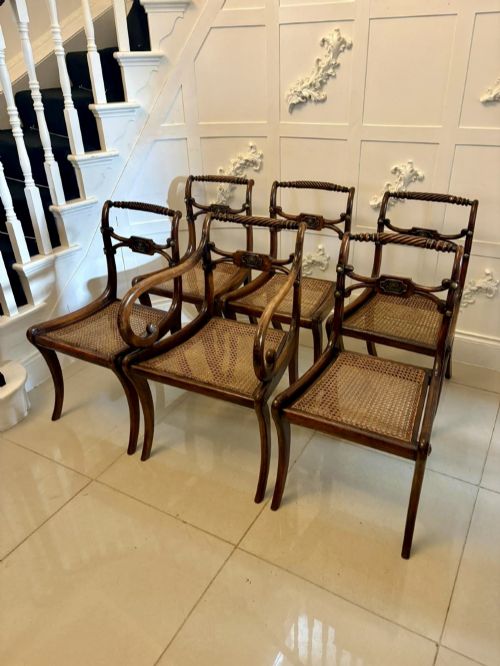
- A seating surface woven from peeled rattan strips, providing a resilient and breathable platform. This technique appears on specific Regency and eighteenth-century models.
- Drop-in seat
- A removable wooden frame upholstered separately and dropped into a ledge within the chair rails. This construction method simplifies reupholstery over time.
Georgian Mahogany Single Chairs: Frequently Asked Questions
How do I spot a real eighteenth-century chair?
Examine the timber grain, joinery methods, and tool marks visible on the underside of the frame. Eighteenth-century pieces exhibit hand-cut joints and dense mahogany patination built up through decades of polishing.
Compare the proportions and carved details against documented period examples to verify authenticity. Revival pieces from later centuries often display machine-cut elements or softer casting marks.
Can I mix single chairs with different tables?
Single chairs adapt well to various table styles, provided the seat height matches the apron clearance of your dining table. Mahogany timber tones coordinate naturally with multiple wood finishes.
Consider the visual weight of the chair back when pairing with a table. Heavier Chippendale or George III designs suit substantial timber tables, while lighter Regency lines complement slender frames.
Are these chairs suitable for daily use?
Solid mahogany construction provides robust structural integrity for everyday seating. Regular checking of leg joints prevents loosening from daily movement.
Protect upholstered or cane surfaces from heavy wear by using appropriate maintenance. Leather and sturdy fabric seats handle regular dining use comfortably.
What is the difference between George III and Regency styles?
George III pieces often feature elaborate pierced splats, carved cabriole or straight legs, and substantial proportions dating from seventeen-sixty onwards. The aesthetic emphasises classical ornamentation and robust joinery.
Regency chairs tend toward cleaner architectural lines influenced by classical antiquity, frequently incorporating saber legs or brass inlay. These nineteenth-century designs lean toward lighter visual profiles.