
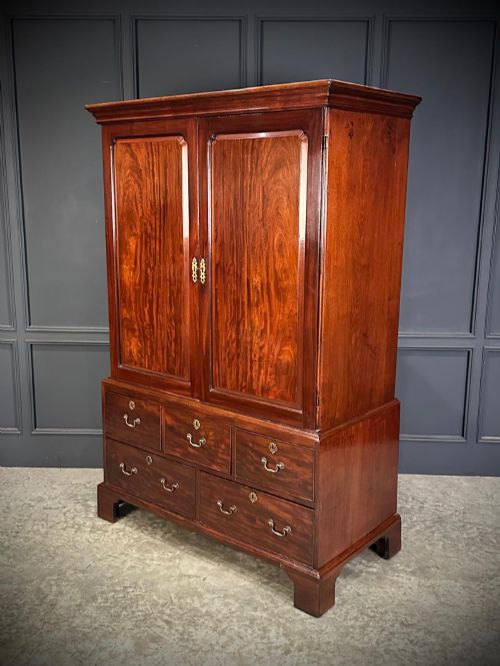
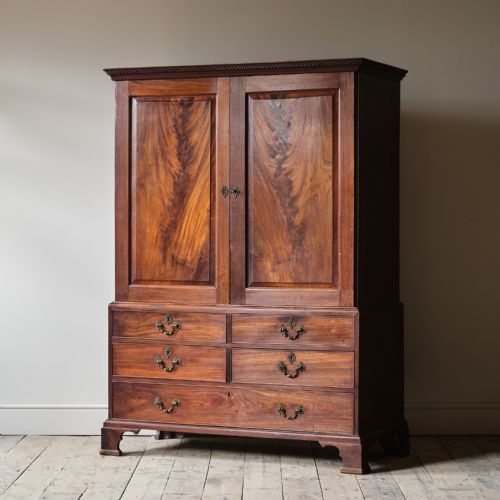
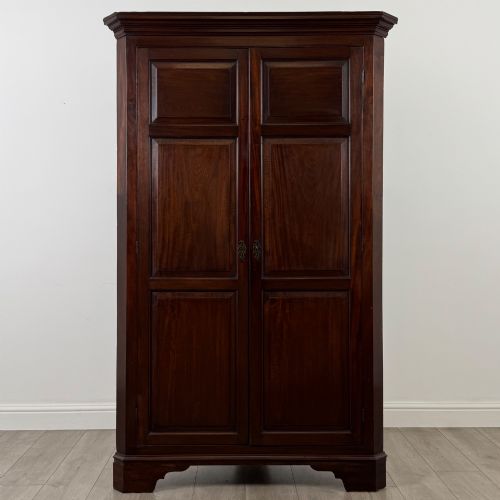
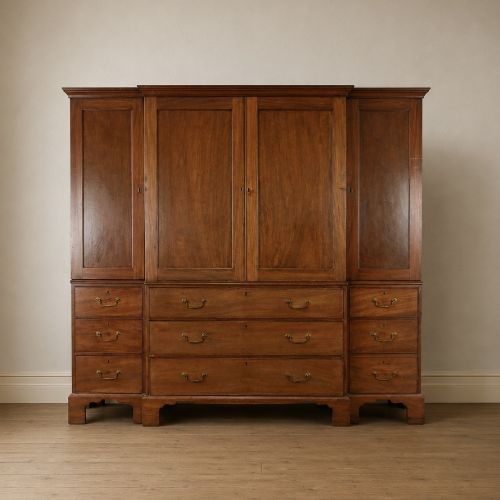
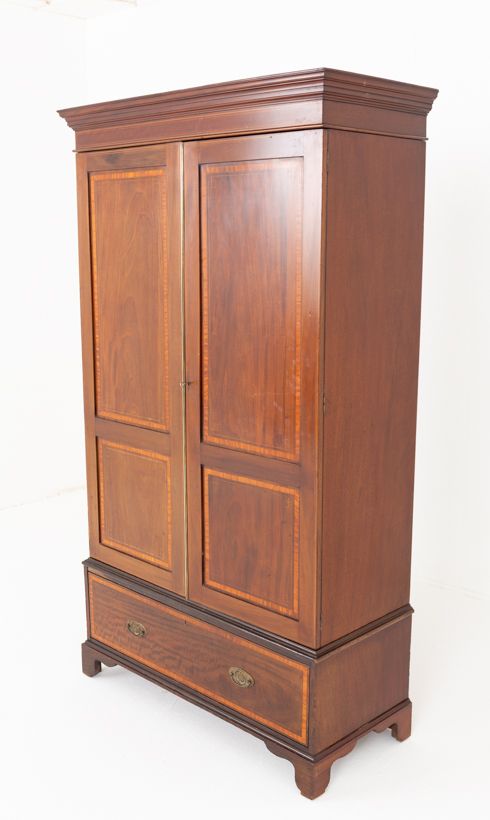
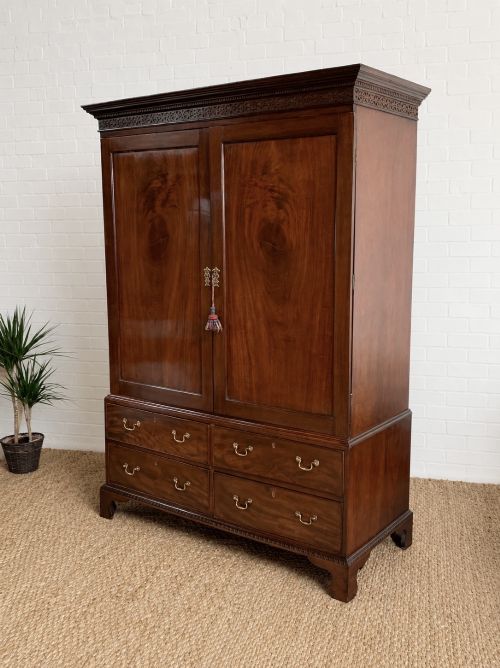
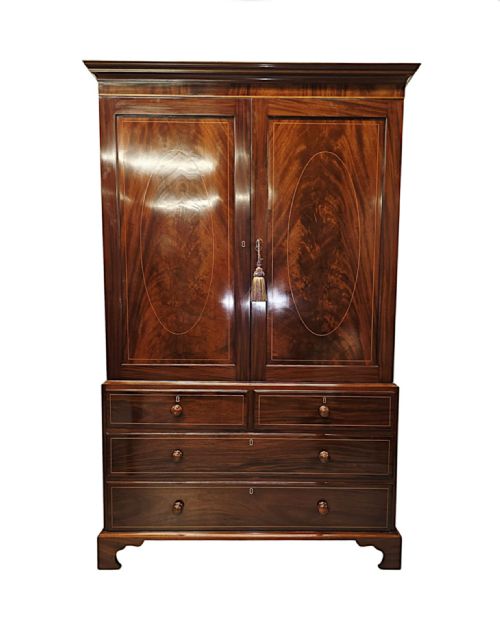
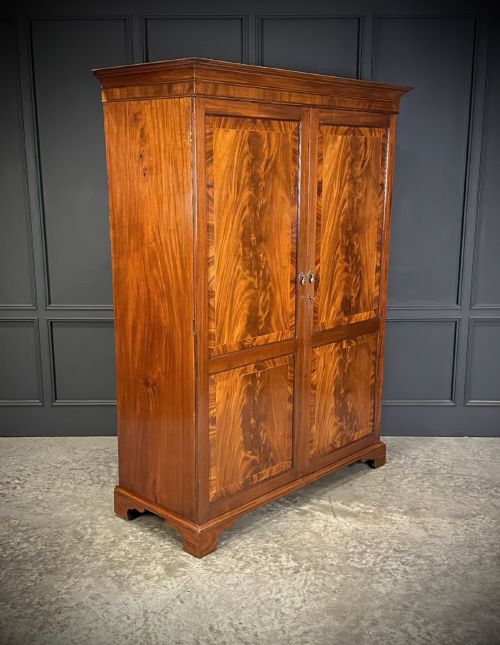
Georgian Mahogany Press
A georgian mahogany press brings serious architecture and deep, figured timber into a room.
What a Georgian Mahogany Press is
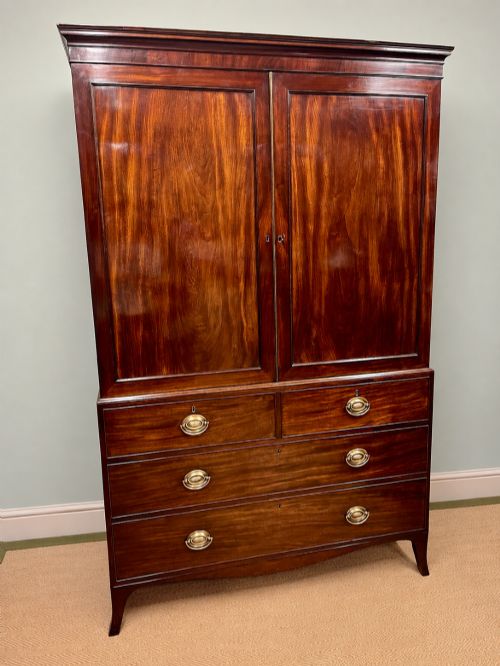
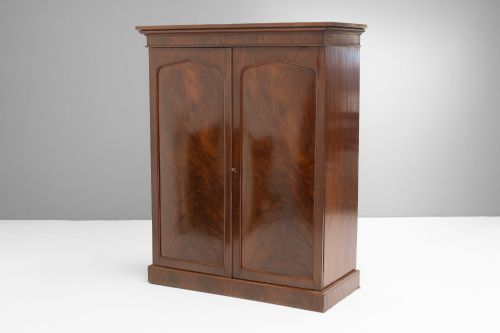
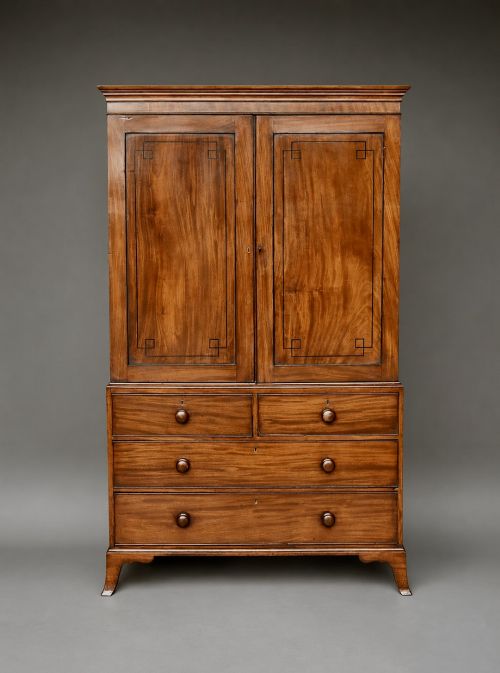
A georgian mahogany press is a substantial piece of storage furniture designed to hold linens or books, combining a lower bank of drawers with upper cupboard doors. These items span the nineteenth century, including pieces built around seventeen ninety and eighteen hundred.
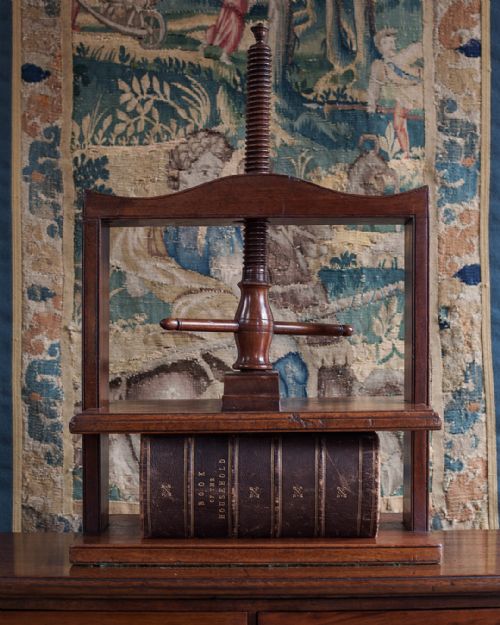
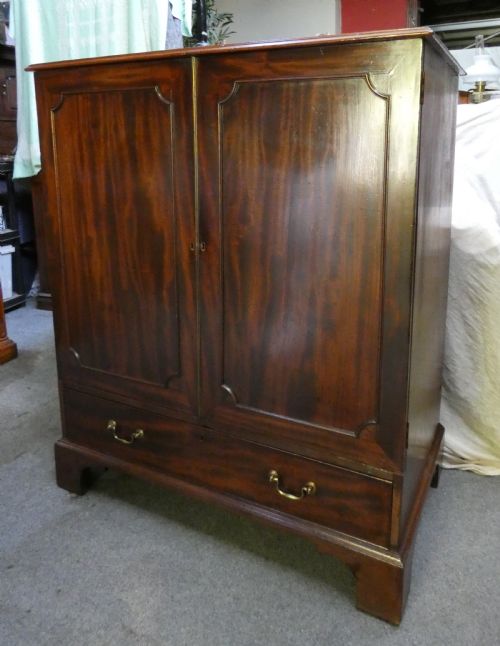
The versions met most frequently on this page are large country house linen presses and linen press wardrobes, alongside occasional smaller book presses. Woods such as flame mahogany, satinwood and rosewood form the main body of these pieces.
How they were made
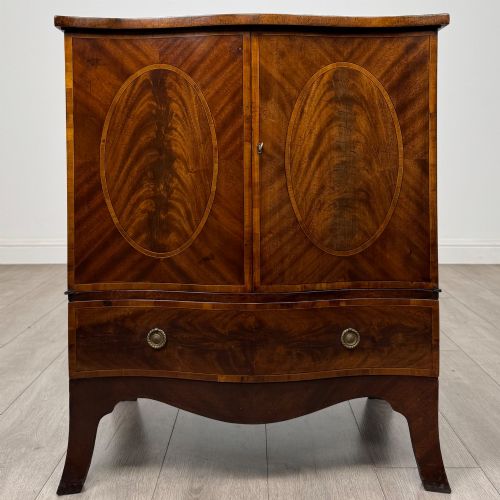
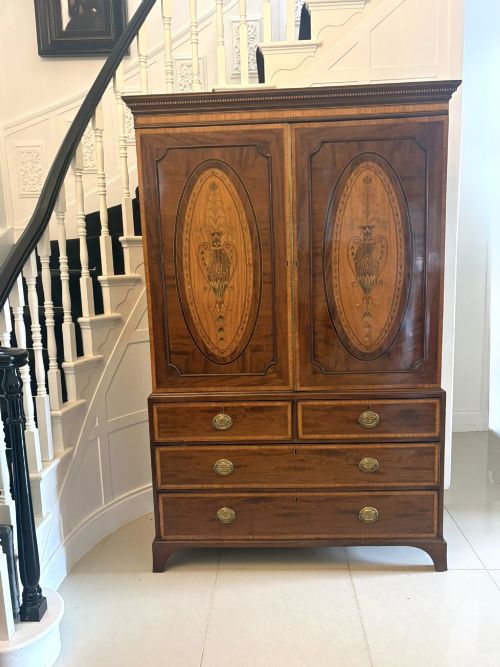
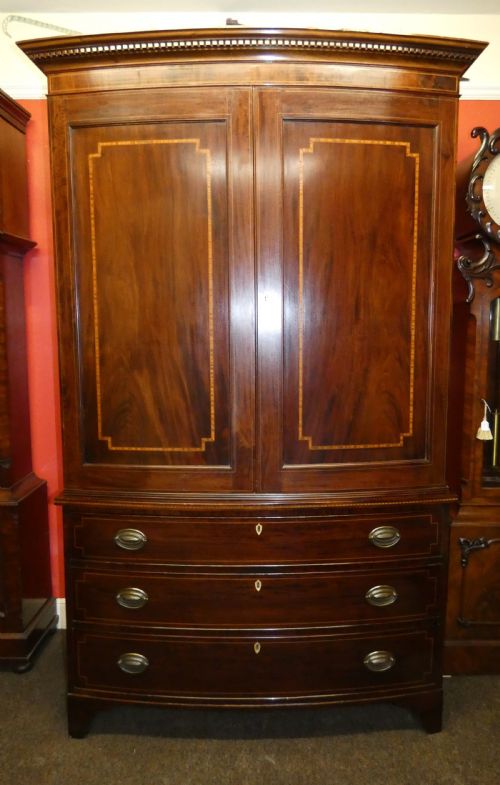
Cabinet makers constructed these presses using solid wood and selected veneers, often featuring flame mahogany grain across the primary surfaces. Crossbanding in rosewood and decorative line inlay in satinwood or ebony added contrast to the doors and drawer fronts.
Functional hardware such as brass handles, including original lion head designs, completed the construction. These pieces relied on traditional joinery techniques appropriate for heavy domestic furniture.
Listings feature nineteenth-century pieces built from mahogany, rosewood and brass, spanning linen presses and book presses.
What varies in quality
The hierarchy of quality rests primarily on the choice of timber and the ambition of the cabinet work. Finely figured flame mahogany and crisp inlay distinguish superior examples from plain utility pieces.
Proportion and scale also define the better items, particularly in smaller formats or low dwarf configurations. The retention of original brass handles and well-figured crossbanding elevates a piece above standard workshop production.
Gillows
The Georgian Mahogany Press Glossary
- Linen press
- A large storage cabinet with upper doors enclosing sliding trays or shelves, above a chest of drawers. This form was essential for storing folded household linen before modern wardrobes became common.
- Flame mahogany
- A distinctive wood veneer showing a flickering, flame-like grain pattern. Cabinet makers used this figure on prominent exterior surfaces to create visual movement.
- Crossbanding
- A narrow strip of veneer applied across the grain of the main surface around the borders of a panel or drawer. This technique frames the wood and highlights the craftsmanship.
- Book press
- A mechanical or heavy wooden press used to flatten paper or bind books. These smaller desktop or table objects share the timber and period of larger wardrobe presses.
- Line inlay
- Thin strips of contrasting wood or light-coloured timber set flush into the surface of the mahogany. It creates delicate geometric borders and linear decoration.
Frequently Asked Questions
What is a georgian mahogany press used for?
These presses serve as substantial bedroom or hallway storage units for clothing, blankets and linens. The upper section traditionally houses sliding trays, while the lower drawers take bulkier items.
In modern rooms, they function effectively as wardrobes or linen cupboards while introducing period character.
What timber is flame mahogany?
Flame mahogany is a cut of wood taken from the fork or branch junction of the tree, producing a dramatic, rippling grain pattern. It was widely utilised by Georgian cabinet makers for drawer fronts and door panels.
This decorative veneer catches the light differently depending on the angle of view.
Are these presses difficult to move?
Most Georgian presses are heavy pieces constructed in two main sections, separating the upper cupboard from the lower drawer base for transport. This modular design helps when navigating tight staircases or doorways.
Enlisting professional antique movers ensures the heavy timber and brass fittings remain protected.