



Georgian Mahogany Log Bucket
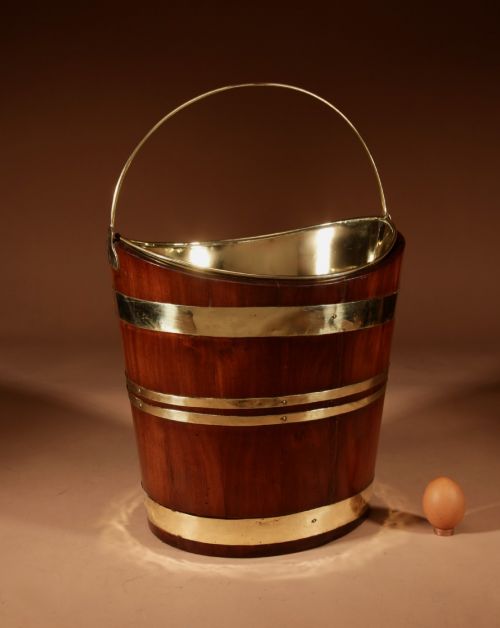
A georgian mahogany log bucket brings solid timber and gleaming metal together beside the hearth to hold fuel with considerable presence.
Georgian Mahogany Log Bucket
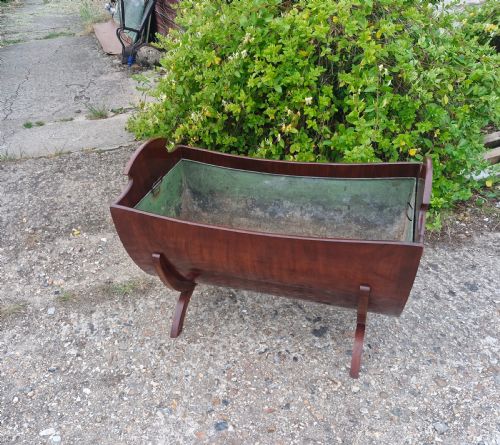
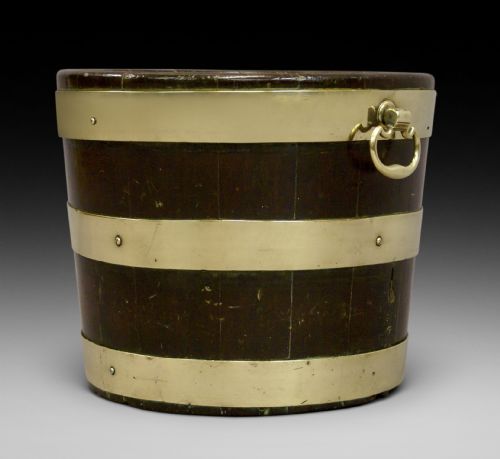
A georgian mahogany log bucket is a substantial fireside accessory designed to contain wood, peat or wine, appearing in forms ranging from boat-shaped peat buckets to traditional stave-built bins. The pieces encountered on this page span the Georgian era through to the nineteenth century, including walnut variants and George III style interpretations.
Makers shaped these items for practical service in country houses and drawing rooms alike, employing coopered staves bound with brass or iron bands. Many examples function equally well as wine coolers or jardinières, reflecting the versatile nature of these domestic vessels.
Materials and construction methods
Craftsmen built each georgian mahogany log bucket using tight-fitting wooden staves of rich mahogany or walnut, shaping them by hand to create the requisite cylindrical, elliptical or ribbed vessel forms. Metal bands in brass or iron were then fitted tightly around the timber body to provide structural strength and decorative contrast.
Makers incorporated carrying handles, swing handles or spindle galleries to assist with heavy loads of fuel or ice. The exterior wood surfaces received careful polishing to highlight the natural grain of the mahogany.
Listings feature items spanning the Georgian period, the eighteenth century, and the nineteenth century up to nineteen hundred.
Distinguishing quality across examples
Quality rests upon the crispness of the cooperage, the weight and finish of the brass bands, and the preservation of the original timber surface. Pieces showing untouched patination and precise joinery stand distinctly apart from heavily restored alternatives.
The sophistication of the silhouette also determines distinction, with ribbed forms, boat shapes and spindle details commanding attention above plain cylindrical vessels.
The Georgian Mahogany Log Bucket Glossary
- Coopered
- Constructed from wooden staves joined edge to edge and bound with metal hoops, much like a barrel. This traditional method allows the vessel to hold heavy contents securely.
- Peat bucket
- A deep container originally designed for holding turf or peat fuel by the fireplace. These pieces often feature brass liners or specific interior depths.
- Jardinière
- An ornamental pot or stand intended for holding plants or flowers. Several robust buckets served this dual purpose in period interiors.
- Spindle
- A turned wooden or metal rod incorporated into the gallery or rim of a bucket. This decorative element adds visual lightness to a heavy timber frame.
- Patina
- The surface sheen and colour developed by wood over decades of handling and polishing. Original untouched surfaces display a deep, warm glow.
Georgian Mahogany Log Bucket: Frequently Asked Questions
What is a georgian mahogany log bucket?
A georgian mahogany log bucket is a heavily constructed wooden container bound in brass or iron, originally made to hold fuel or wine near the hearth.
Today these versatile vessels serve primarily as decorative floor-standing bins for logs, magazines or large plants.
How were these buckets used originally?
Wealthy households utilised these sturdy containers in reception rooms and libraries to transport and store turf, peat or firewood close to the fireplace.
Some examples also doubled as wine coolers, filled with ice to chill bottles during dining.
Can I use one for modern firewood?
These robust vessels remain entirely practical for holding logs beside a contemporary hearth.
Buyers should ensure the interior timber and metal liners remain clean and dry to protect the historic wood.
How do I date a mahogany bucket?
Dating relies on examining the construction marks, the hand-cut dovetails or staves, and the style of the brass bands and handles.
Georgian examples tend to display finer timber grain and simpler, heavier gauge metalwork than later Victorian copies.