


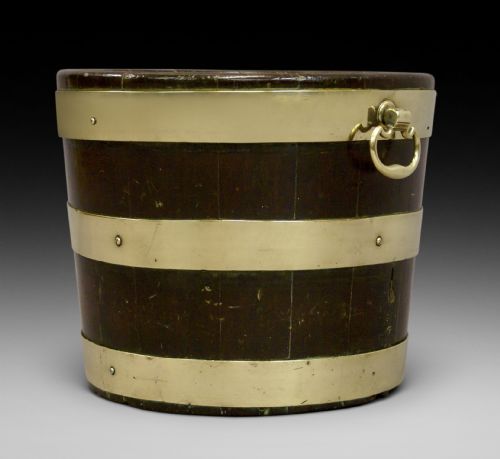

Dark Wood Coal Bucket
These dark wood coal bucket examples are practical fireside accessories crafted from mahogany and oak that bring traditional British warmth to a hearth.
Dark Wood Coal Bucket
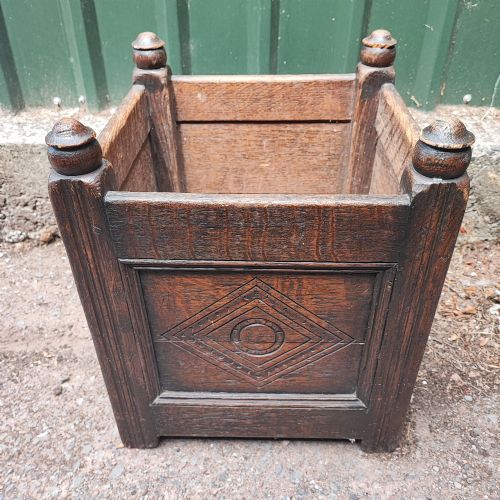
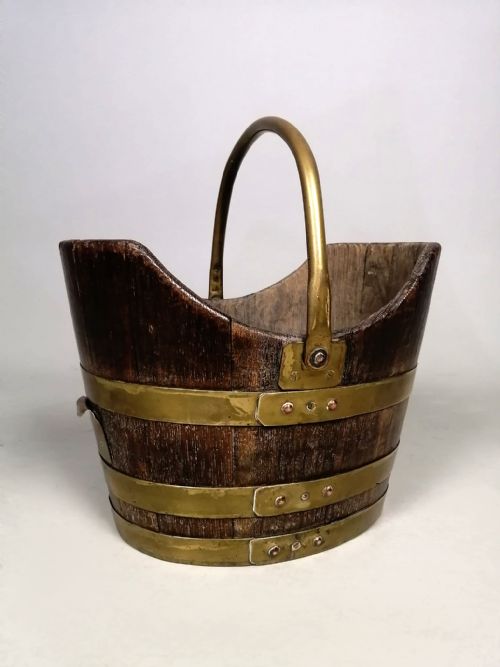
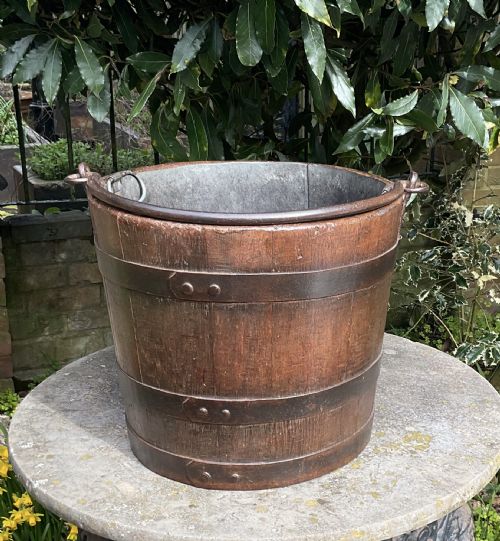
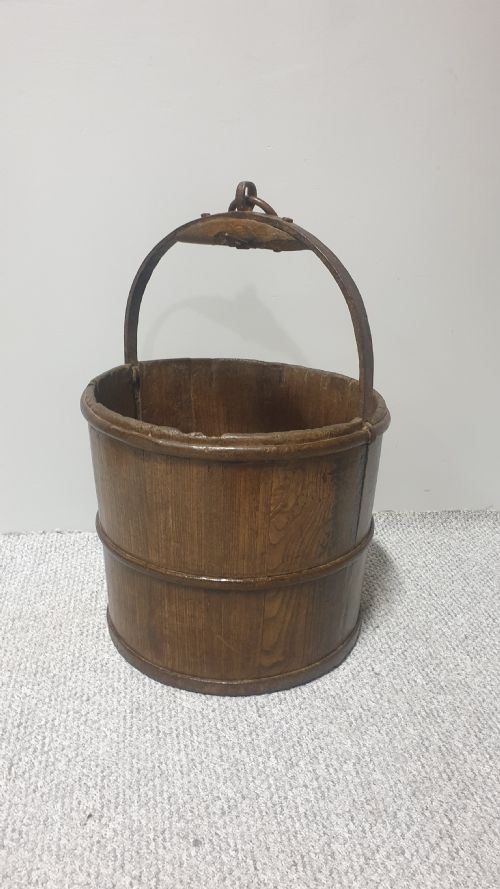
A dark wood coal bucket serves as a fireside accessory designed to hold fuel near an open hearth. When searching for a dark wood coal bucket, buyers encounter various forms including log boxes, coal scuttles, peat buckets, and purdoniums.
The pieces listed span Georgian, Victorian, and Edwardian periods, stretching back to the 18th century. Most examples on this page are constructed from mahogany or oak, often finished with metal liners and brass bands.
Makers and craftsmen produced these items in diverse regional styles, ranging from rustic country and farmhouse aesthetics to formal Georgian designs. Elliptical shapes and ribbed forms appear alongside traditional bucket silhouettes.
Materials and construction
Construction relies heavily on dense timbers such as mahogany and oak, shaped into robust vessels capable of withstanding daily domestic use. Coopered techniques join wooden staves together securely, forming the cylindrical or elliptical bodies of the buckets.
Metal components play a structural and decorative role, featuring brass bands, iron mounts, and internal zinc or metal liners. These metal additions protect the timber from moisture and coal dust while providing reinforcement to the staves.
Object forms span log boxes, peat buckets, coal scuttles, and fitted purdoniums.
Distinctions in quality
Quality rests upon the precision of the cooperage and the integration of metalwork with timber. Finely fitted brass banding and original metal liners distinguish superior examples from simpler utilitarian boxes.
The choice of timber grain and the survival of untouched patination dictate the visual standing of a piece. Well-proportioned framing and crisp detailing separate standard utilitarian items from finer cabinet-made fireside vessels.
The Dark Wood Coal Bucket Glossary
- Coopered
- A method of construction where tapered wooden staves are bound together with metal hoops. This technique is traditional for liquid containers and deep wooden buckets.
- Purdonium
- A specialised coal box featuring a sloping front or tipping mechanism designed to dispense fuel cleanly. These Victorian inventions often incorporate matching shovels.
- Peat bucket
- A deep vessel originally intended for holding turf or peat briquettes rather than dense coal. They frequently feature swing handles and brass mountings.
- Spindle
- A turned wooden pillar incorporated into the structural design of certain fireside buckets. They add a decorative architectural element to the upper body.
Dark Wood Coal Bucket: Frequently Asked Questions
How do I clean a dark wood coal bucket?
Remove the internal metal liner to empty debris and wipe the wooden exterior with a dry cloth. Avoid using excess water on the antique timber.
Condition the wood periodically with a suitable wax to maintain the finish without harming the historic surface.
What is the difference between a coal scuttle and a log box?
A coal scuttle is typically a deeper, bucket-shaped vessel equipped with a swing handle for carrying fuel to the grate. They often include a metal liner and sometimes a shovel.
A log box is generally a broader, box-like container designed to store larger pieces of firewood rather than small coal or peat. Both serve the fireside but accommodate different types of fuel.
Are these buckets suitable for modern firesides?
These pieces function well next to contemporary or traditional hearths for holding logs, kindling, or coal. Their sturdy timber and metal construction remains practical for daily use.
Care should be taken to use the internal liners to protect the historic wood from damp fuel and heavy impacts.
How can I tell a Georgian bucket from a Victorian one?
Georgian examples often display restrained lines, architectural proportions, and fine mahogany construction with simple brass banding. They frequently take the form of peat buckets dating from the mid to late 18th century.
Victorian pieces tend to introduce more elaborate mechanical designs like the purdonium, featuring drop-fronts, cast iron elements, and dedicated shovel compartments.