


18th Century Peat Bucket
An 18th century peat bucket brings timber and metal together beside the hearth to hold fuel with simple, functional grace.
18th Century Peat Bucket
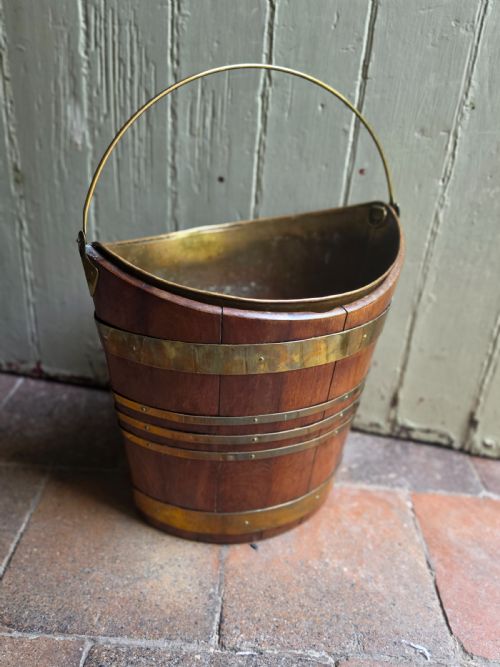
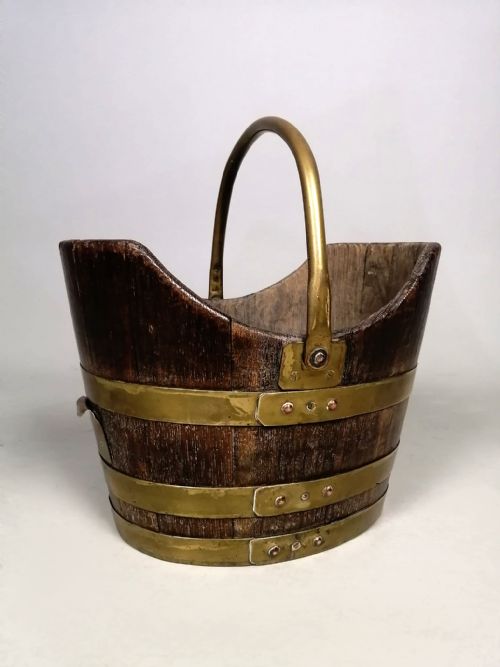
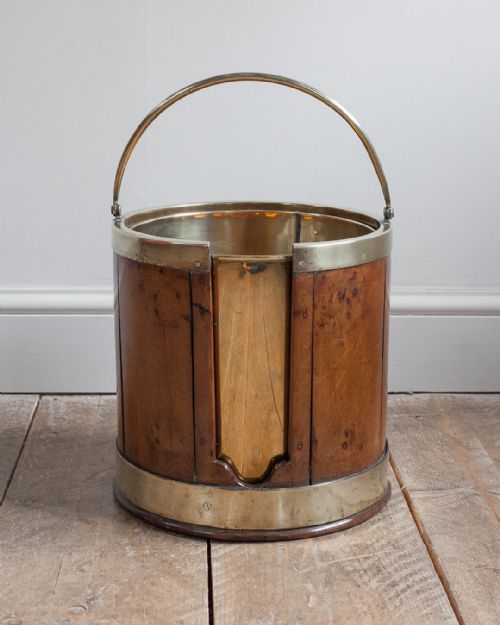
An 18th century peat bucket sits by the fireplace as a traditional container for fuel, taking forms shaped by Georgian design. The selection on this page centres on mahogany and oak bodies, often banded with brass for strength and decoration.
Most examples appear as deep, stave-built cylinders designed to hold peat or coal near the fire. Alongside purpose-built peat buckets, buyers encounter related vessels such as plate buckets and lidded waste bins from the Georgian period.
How they were made
Cabinetmakers built these vessels using tight-fitting wooden staves of mahogany, oak, or fruitwood, bound securely with heavy brass bands. Iron also appears in structural fittings and handles, ensuring the wooden staves held their shape despite changing hearth temperatures.
Makers shaped the timber into tapering cylindrical forms, frequently mounting swing handles in brass to make heavy loads easier to carry. The combination of turned wood and polished metal reflects standard Georgian joinery and metalworking techniques.
Listings feature mahogany, oak, and fruitwood bodies secured with brass and iron bands across Georgian periods.
What varies in quality
Quality rests in the crispness of the timber grain, the weight of the brass banding, and the integrity of the original staves. Finer pieces display carefully selected mahogany or figured wood with well-fitted metalwork rather than heavy repairs.
Proportion and untouched patination elevate a piece above standard utility items. The refinement of the brass mounts and the presence of period handles distinguish superior examples from later or heavily restored vessels.
The 18th Century Peat Bucket Glossary
- Stave
- A narrow strip of wood forming the curved side of a bucket or tub. Coopered vessels rely on tight joints between these wooden pieces.
- Plate bucket
- A cylindrical wooden container used historically for holding dining plates or fireside fuel. These share the same coopered construction as peat buckets.
- Georgian
- Relating to the period of the British monarchs George I through George IV, spanning the eighteenth and early nineteenth centuries. Furniture from this era emphasises proportion and classical restraint.
- Brass band
- A flat metal strip secured around the wooden body to hold the staves together. These bands provide structural reinforcement and decorative contrast.
18th Century Peat Bucket: Frequently Asked Questions
What were peat buckets used for?
These vessels held peat or coal near the hearth for easy access when stoking the fire. Their sturdy construction allowed them to carry heavy loads of fuel from outdoor stores into the living rooms of large houses.
Over time, some of these containers found alternative uses for storing household items or dining plates, adapting to the changing needs of the home.
How do I clean a brass banded bucket?
Maintenance requires only a soft cloth to remove dust from the timber and metal surfaces. Strong chemical cleaners can strip the aged patination from both the wood and the brass.
Applying a traditional beeswax polish to the mahogany or oak helps preserve the moisture in the timber. Keeping the bucket away from direct heat sources prevents the wood staves from shrinking.
Are these buckets waterproof?
Traditional coopered peat buckets were designed to hold dry fuel rather than standing water. The wooden staves rely on natural expansion, but historical vessels often lack modern waterproof seals.
Using them to hold potted plants directly can damage the interior timber. A modern internal liner is necessary if you intend to use the vessel with wet contents.
How can I tell a Georgian bucket from a later copy?
Examine the construction methods visible on the interior and base of the vessel. Eighteenth-century pieces feature hand-cut dovetails, forged iron or early brass fixings, and timber with natural age patination.
Machine-cut elements, bright modern brass, and dry, unfinished interior staves usually point towards later nineteenth-century or modern reproduction work.