
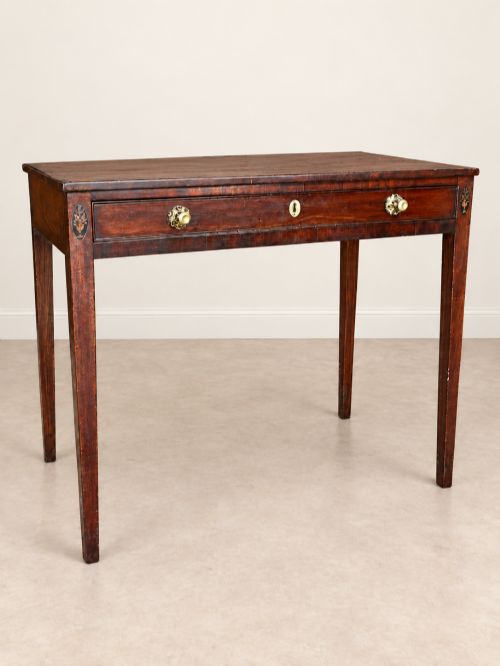
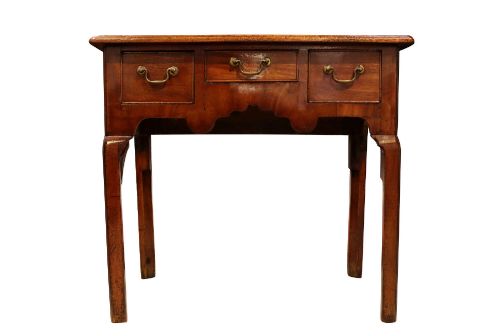
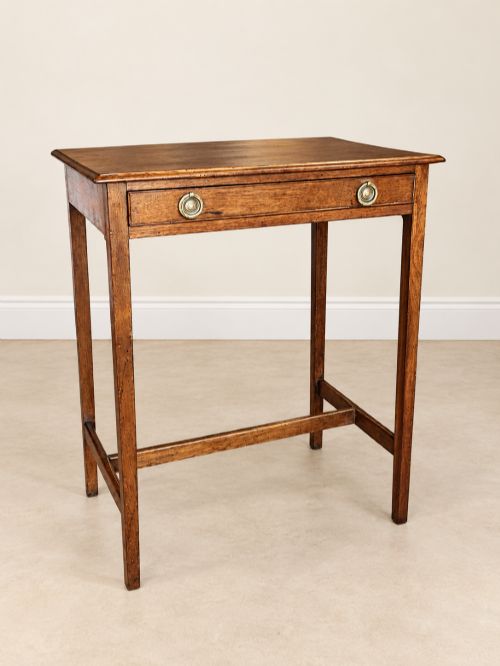
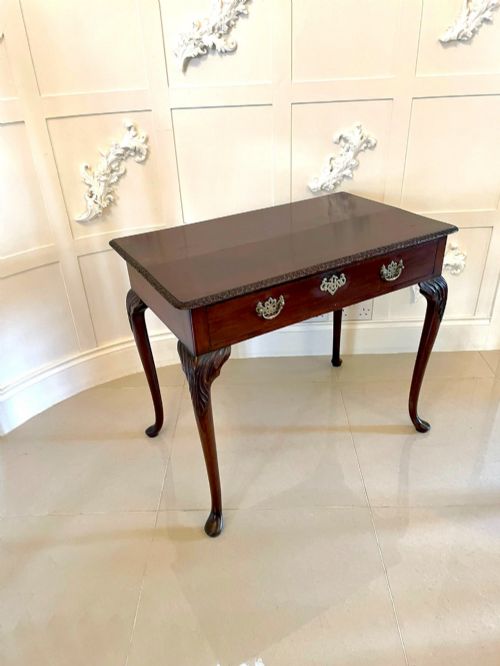
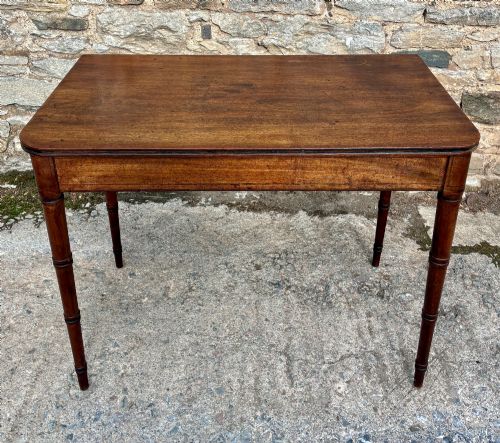
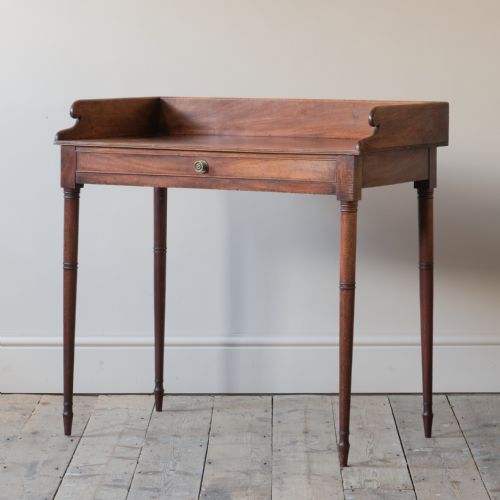
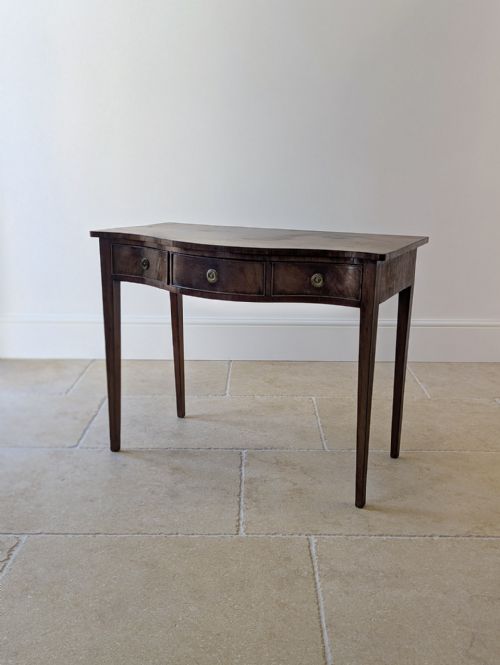
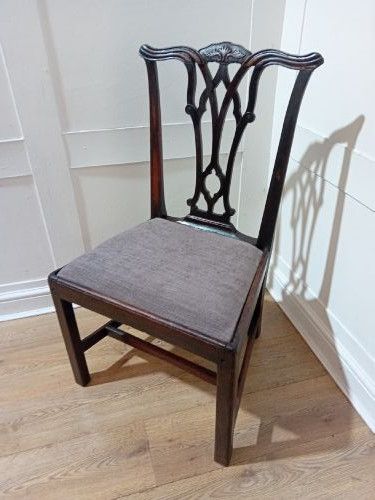
Georgian Mahogany Hall Desk
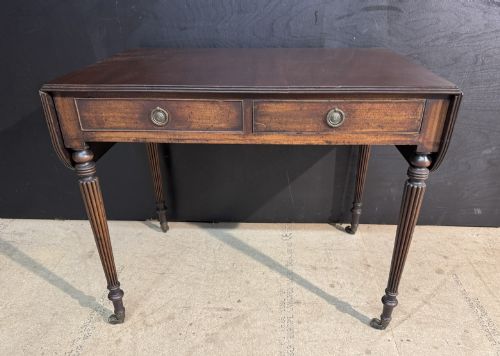
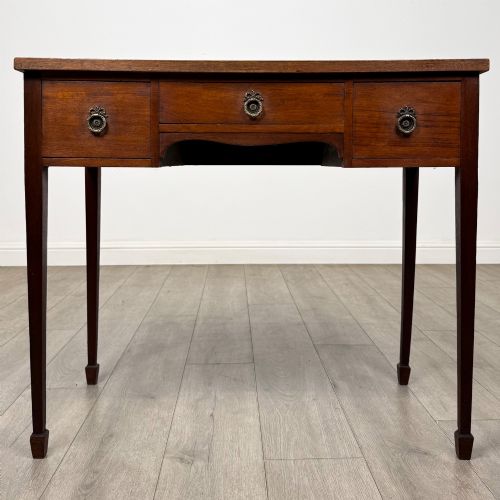
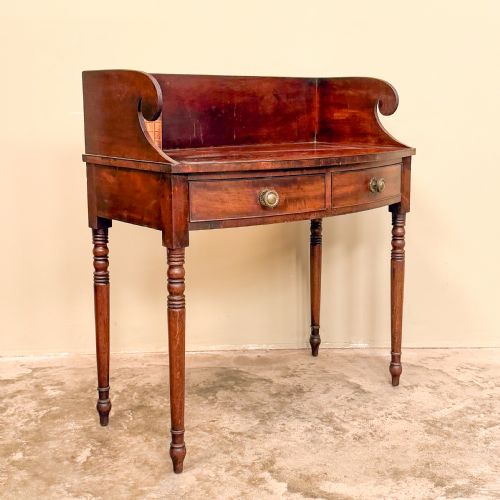
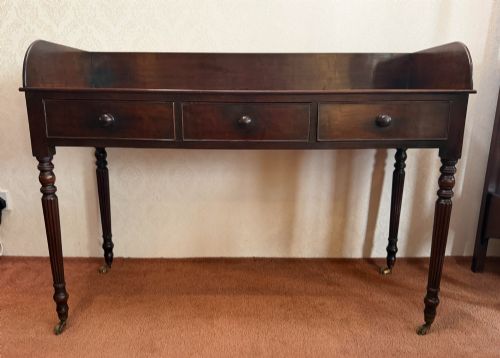
A georgian mahogany hall desk brings refined timber and functional proportion to an entrance space, offering durable surfaces built for everyday use.
Georgian Mahogany Hall Desk
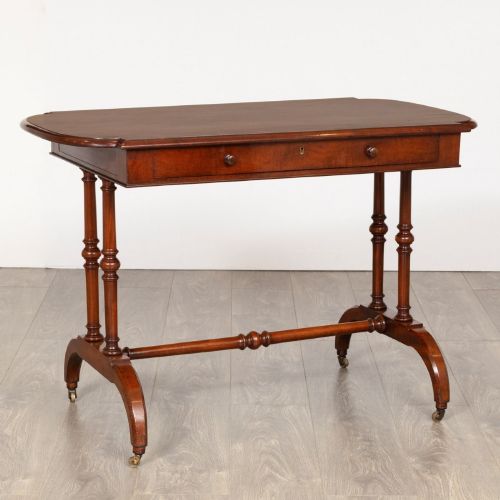
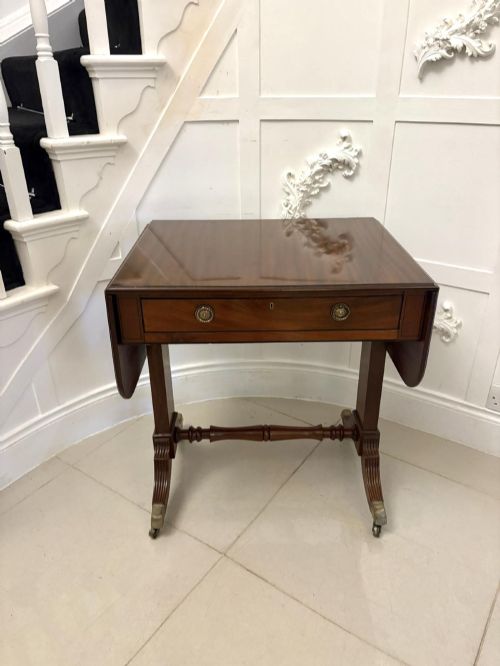
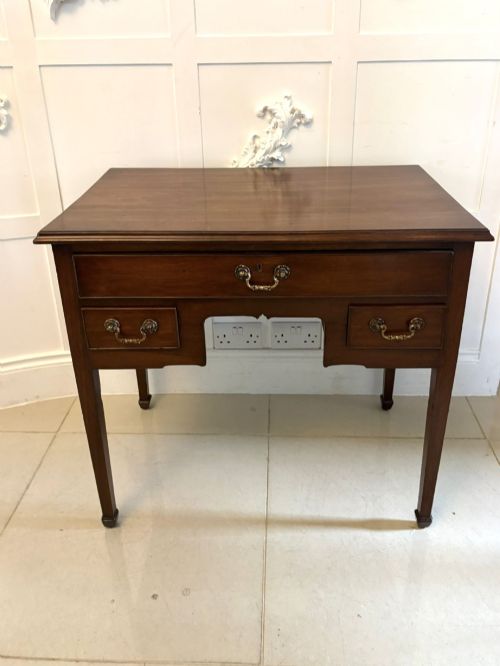
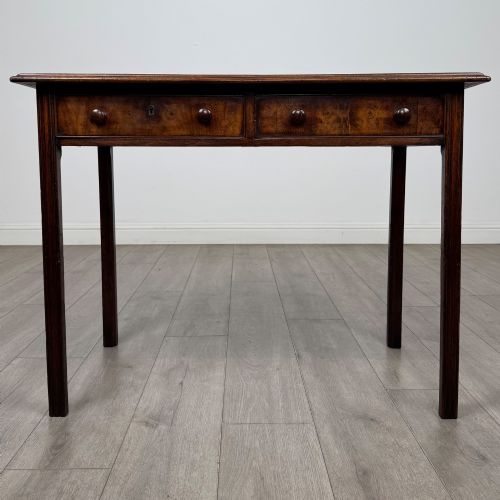
When you search for a georgian mahogany hall desk, you encounter pieces spanning the 18th century through the Regency era and later revivals, often taking the form of side tables, lowboys, writing tables, and hall chairs.
The versions most commonly met on this page combine timber frames with practical drawers, serving narrow passageways or reception spaces with understated dignity.
Makers and makers' styles range across George II, George III, and George IV periods, alongside later Edwardian and 20th century interpretations utilising classic proportions.
Materials and Construction
Cabinetmakers built these pieces primarily from solid mahogany and flame mahogany veneer, occasionally accented with satinwood, oak, pine, and brass hardware.
Surfaces frequently integrated fitted leather writing panels or fabric inserts, while structural stability relied on traditional joinery methods suited to dense hardwoods.
Some chairs listed carry multiple historical job descriptions, doubling as dining, hall, desk, and office seating all at once.
Quality and Craftsmanship
Distinction across the range rests on timber selection, such as figured flame grain veneer, and the crispness of carved details like Gothic pierced brackets or barley twist legs.
Superior examples display balanced proportions, original brass fittings, and clean internal drawer construction that reflect the skill of the original workshop.
Gillows
The Georgian Mahogany Hall Desk Glossary
- Lowboy
- A small dressing table or side table featuring drawers, commonly raised on cabriole or straight legs.
- Flame mahogany
- A highly figured veneer cut from the fork of the mahogany tree, creating a distinctive flame-like pattern.
- Lowboy console
- A low table adapted for placement against a wall, frequently utilised in hallways and entrance spaces.
- Sofa table
- A rectangular occasional table with drop leaves on either end, designed during the Regency period.
- Bar back chair
- A seating form featuring a horizontal wooden crossbar across the upper backrest, typical of Regency design.
Georgian Mahogany Hall Desk: Frequently Asked Questions
What is a georgian mahogany hall desk?
These pieces comprise antique writing tables, lowboys, and side tables constructed primarily from mahogany during the 18th and 19th centuries.
They were designed to provide a compact writing surface or display area within narrow entrance spaces and reception rooms.
How were these tables used originally?
Households utilised these versatile tables for sorting correspondence, holding lamps, or placing visiting cards near the entrance of a home.
Their narrow footprints allowed them to fit snugly against hallway walls without obstructing passage.
How do I style a hall desk today?
Place the piece against an entry wall accompanied by a simple chair or bench to create a functional workspace or drop zone.
Keep surface decoration minimal to let the natural grain of the mahogany remain the primary focus.
How can I tell the period apart?
Examine the leg styles, hardware types, and secondary timbers like oak or pine to determine whether a piece originates from the Georgian, Regency, or later revival eras.
Earlier examples often display hand-cut dovetails and solid timber construction, whereas later revivals may utilise machine-cut elements.