

Georgian Mahogany Dish
A georgian mahogany dish brings tactile warmth and classic joinery to a room, offering practical surfaces designed centuries ago for candles, wine, or gaming.
Georgian Mahogany Dish
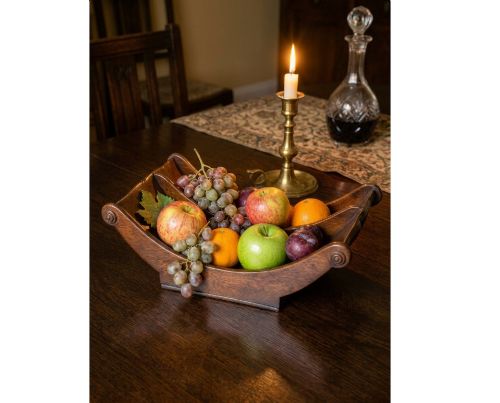
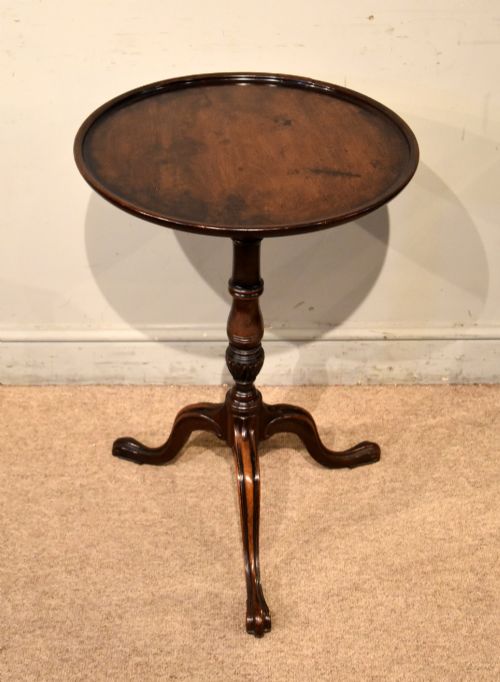
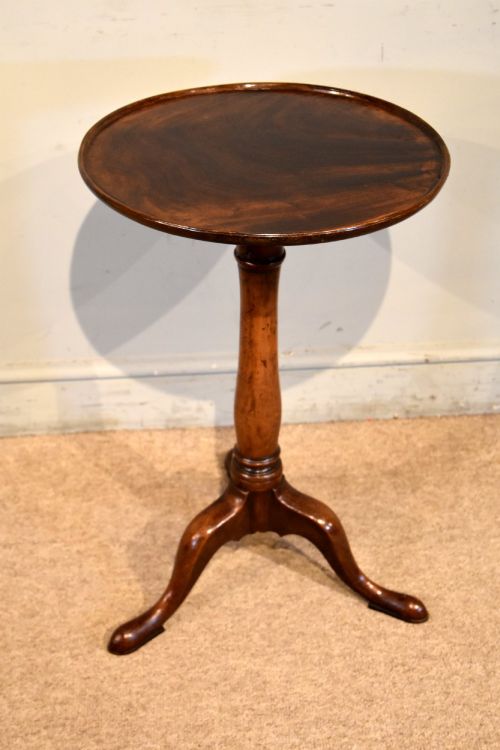
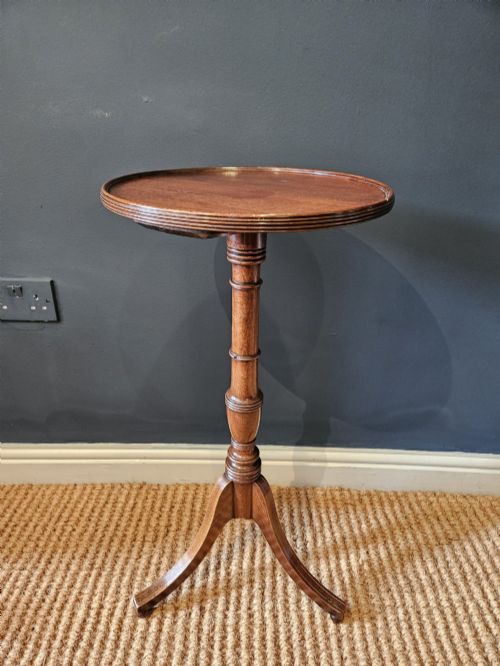
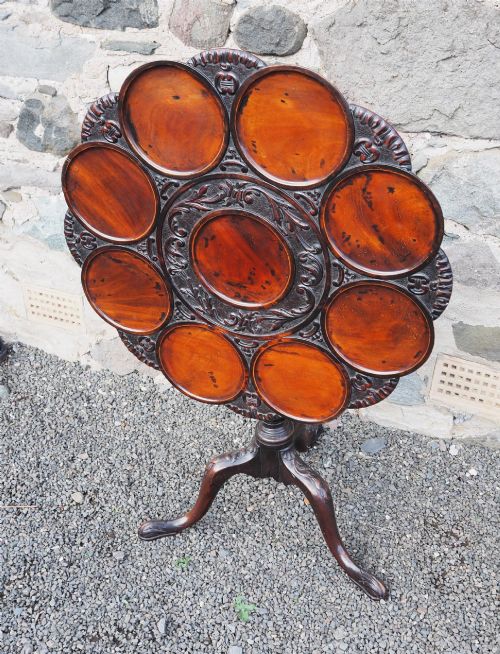
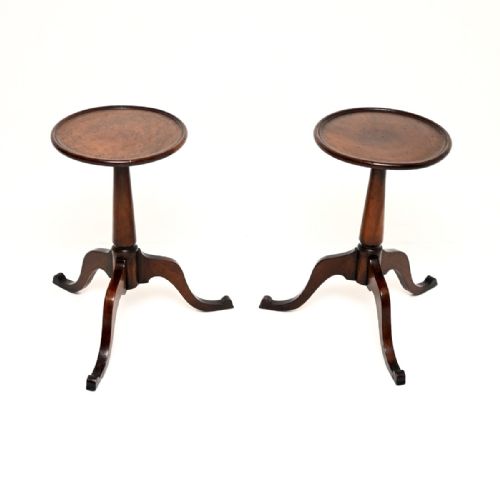
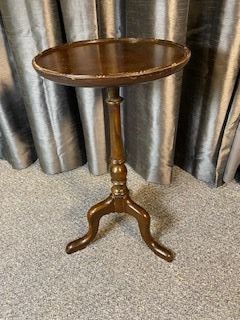
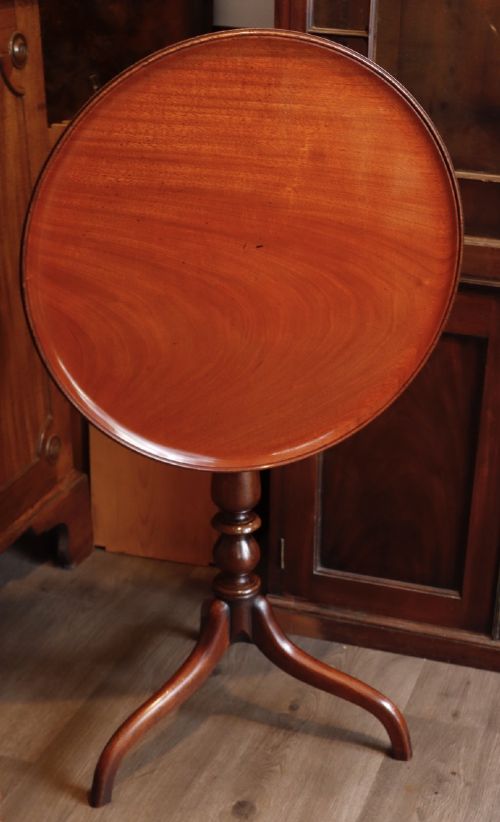
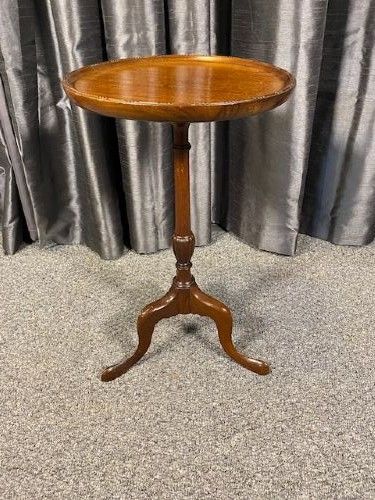
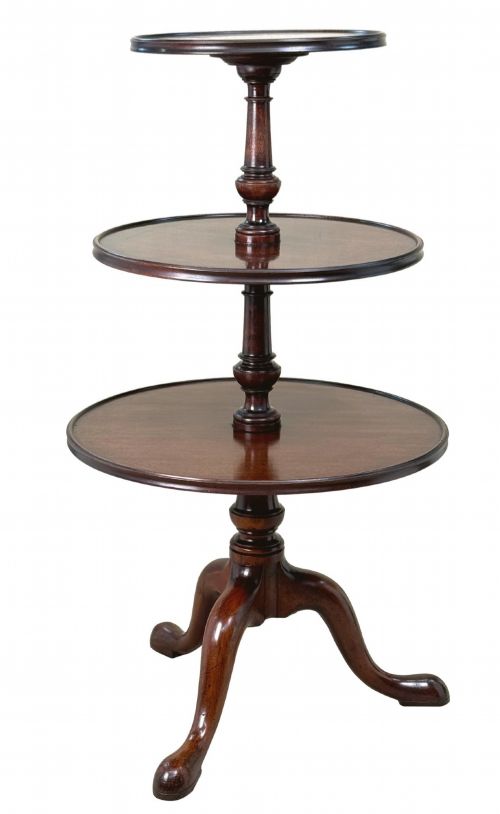
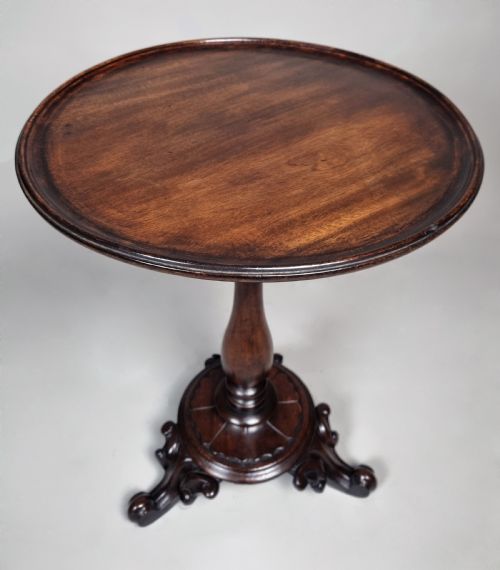
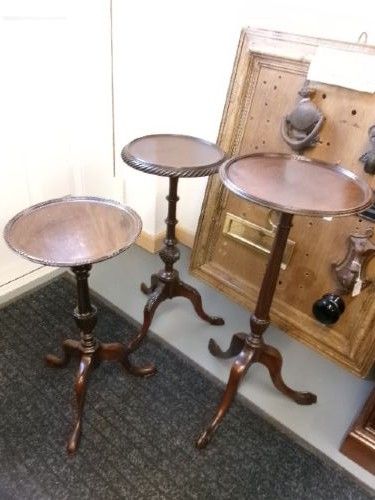
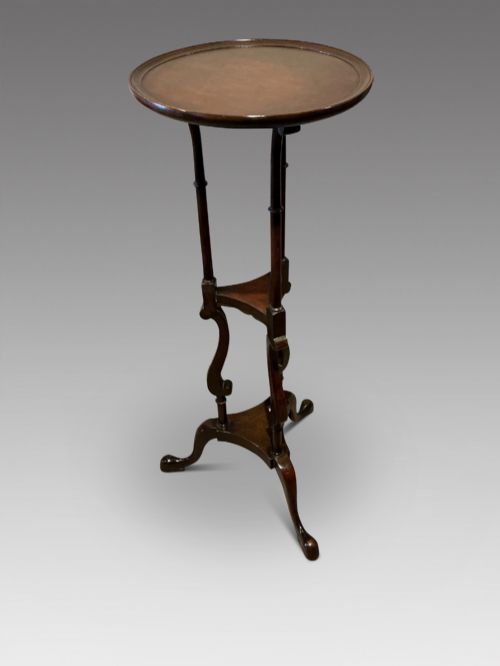
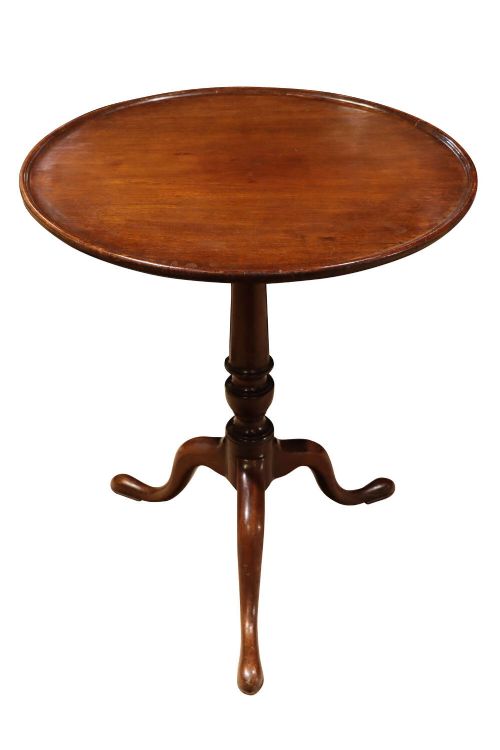
A georgian mahogany dish generally refers to circular tabletops, small stands, and trays fashioned with raised rims, often mounted on tripod pedestals or held as portable accessories. When searching for a georgian mahogany dish, buyers commonly encounter tripod tables featuring moulded or dished tops designed to keep items secure during tea or supper.
How they were made
Craftsmen shaped these items primarily from solid mahogany and fruitwood, occasionally incorporating boxwood or satinwood stringing for subtle contrast. Ebonised lacquer and brass accents also appear on specific forms to highlight structural lines and provide durable fittings.
Turned pedestals and tripod bases demand precise lathe work and stable joints, particularly where legs meet the central column. Dished table tops were often carved directly from thick solid mahogany planks to create the characteristic raised edge.
Georgian Mahogany Dish Retail Price Guide 2026
Typical asking prices for georgian mahogany dish among the pieces listed under this phrase on Sellingantiques today, from the lower quarter to the upper quarter. They describe what is for sale here now, not the wider market.
Several items in this selection include nineteenth-century cat stands, charming miniature furniture pieces originally fashioned for household pets.
What varies in quality
The distinction between ordinary utility items and superior examples lies in the depth of carving and the selection of timber. Grain figure and colour consistency across the top and base demonstrate the maker's discernment when sourcing wood.
Proportion and stability dictate the merit of tripod tables, where slender legs must gracefully support a heavy top without listing. Crisp detailing on mouldings and birdcage mechanisms reveal the level of workshop care invested in the piece.
Gillows
The Georgian Mahogany Dish Glossary
- Tripod base
- A support structure comprising three legs radiating from a central pillar, providing stable footing on uneven floors. This configuration allows small tables to sit flush against walls when not in use.
- Birdcage
- A timber framework beneath a tabletop that allows the surface to rotate and tilt for storage. It connects the top to the central pillar via small vertical spindles.
- Snap top
- A mechanism allowing the tabletop to fold flat against the pedestal when released by a catch. This clever space-saving device was essential in smaller eighteenth-century rooms.
- Dished top
- A circular wooden surface carved with a concave depression or raised outer rim. The profile prevents rolling objects like cups, dice, or candles from sliding off the edge.
Georgian Mahogany Dish: Frequently Asked Questions
What is a dish top table used for?
These compact tables served multiple functions in eighteenth-century interiors, holding candles, wine decanters, or tea services near seating areas. Their raised rims prevented tableware from sliding off when moved or used during supper.
Today, they adapt easily as accent tables beside armchairs or as display stands for decorative objects in modern hallways and sitting rooms.
How do I identify a Georgian tripod table?
Look for traditional joinery methods such as dovetails and pegged tenons beneath the top and along the leg blocks. Genuine pieces typically exhibit the rich patina and dense weight characteristic of period mahogany.
Proportions remain balanced, with slender columns and cabriole or tapered legs ending in pad or spade feet appropriate to the specific stylistic era.
What is a birdcage mechanism?
A birdcage is an ingenious wooden framework fitted underneath a tabletop that permits the surface to both pivot and tilt. Small turned pillars form the cage around a central shaft, joining the top to the pedestal base.
This construction allowed households to store tables flat against walls when rooms needed to be cleared for dancing or other activities.
How should I care for antique mahogany?
Protect the timber by keeping pieces away from direct heat sources, radiators, and prolonged sunlight that can fade the finish. Regular dusting with a soft, dry cloth maintains the surface without building up residue.
Occasional application of high-quality beeswax nourishes the wood and preserves the deep lustre developed over centuries of handling.