
Georgian Library Display
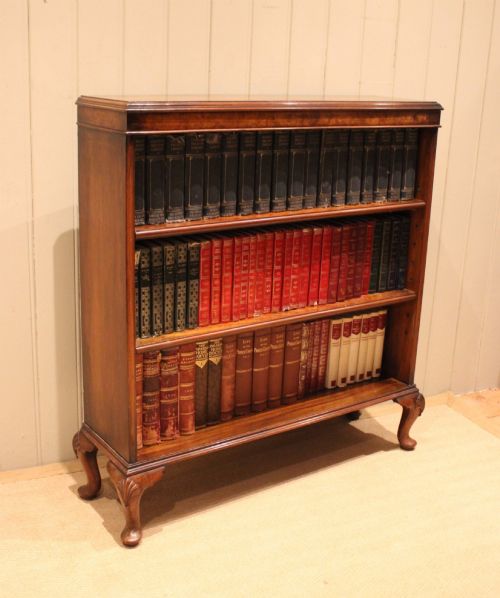
Georgian library display pieces are substantial timber bookcases and cabinets designed to house books and display collections in formal rooms.
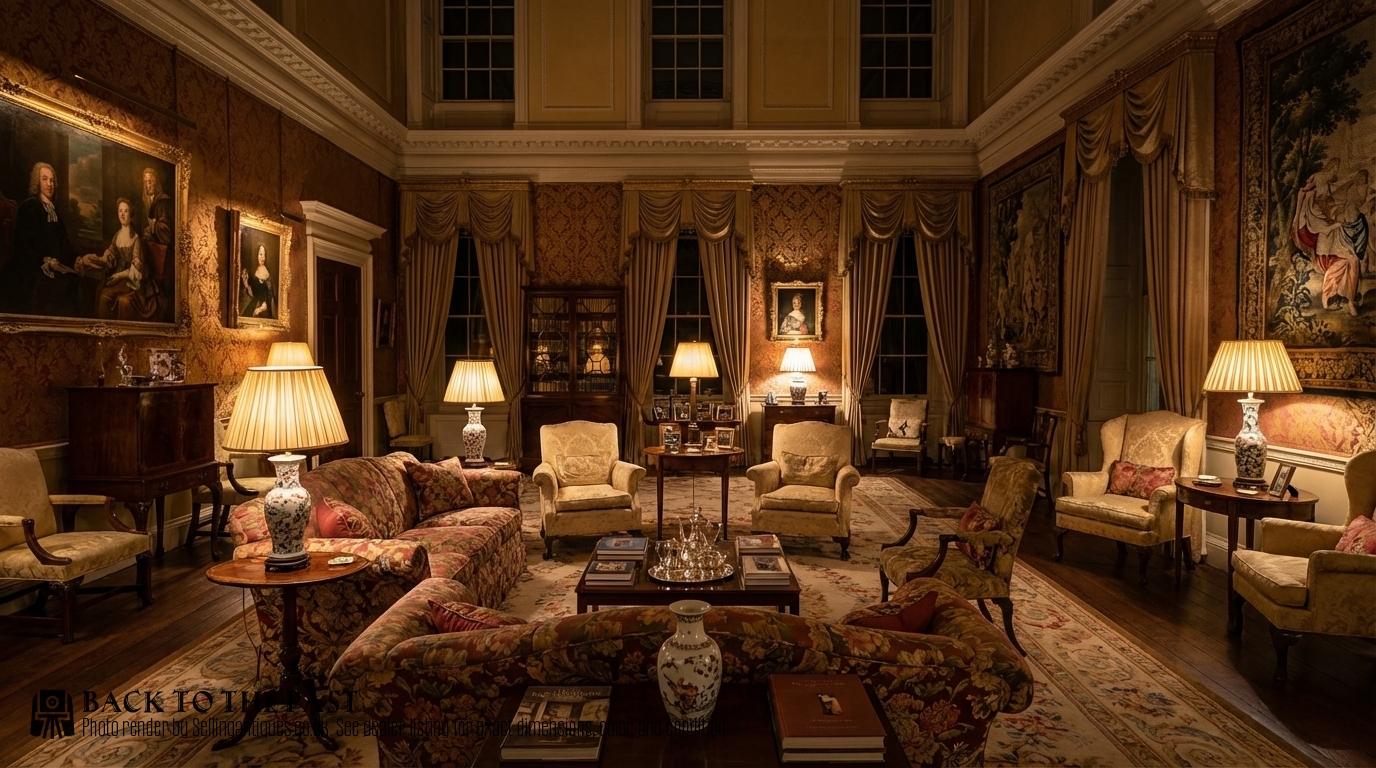
Georgian Library Display
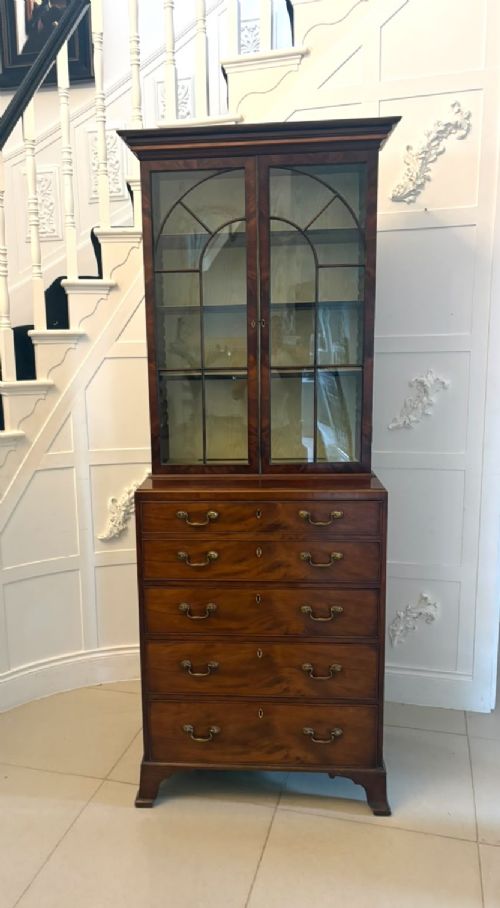
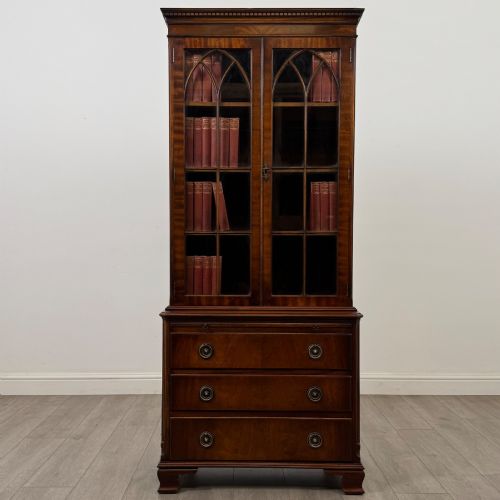
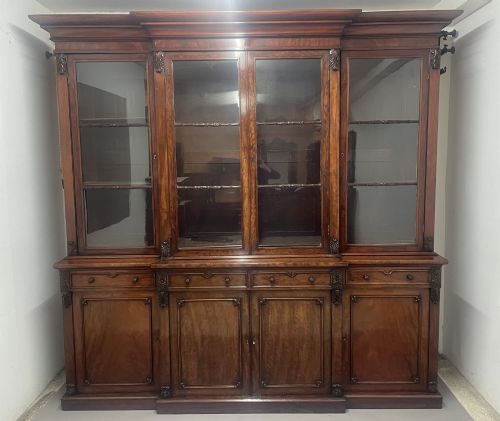
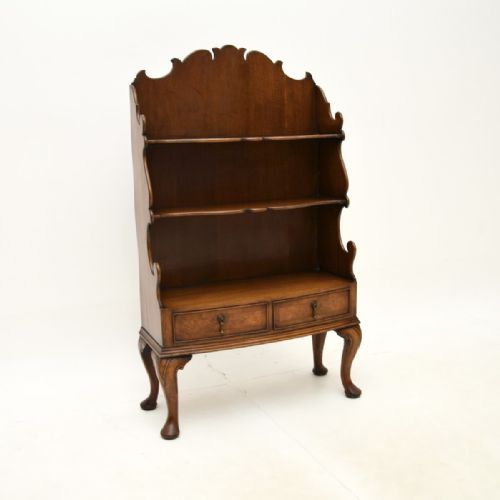
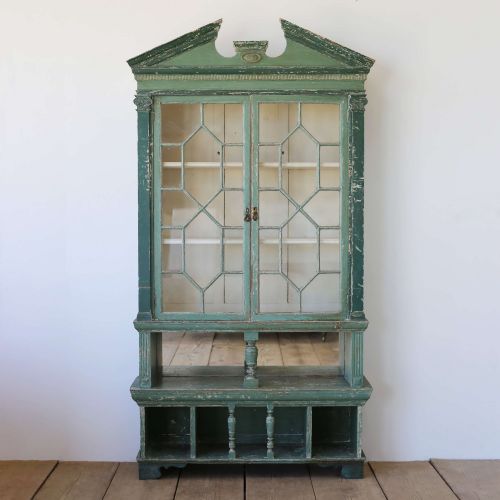
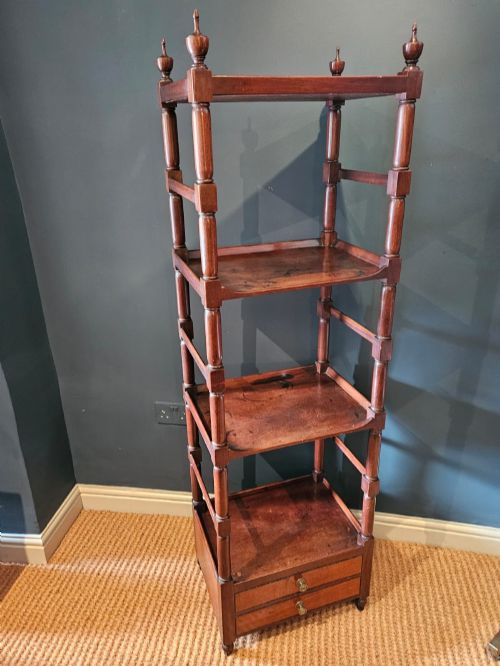
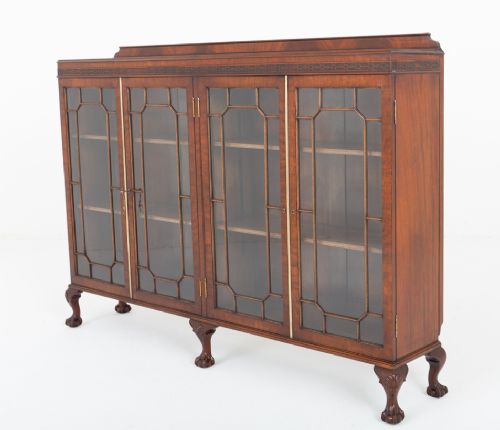
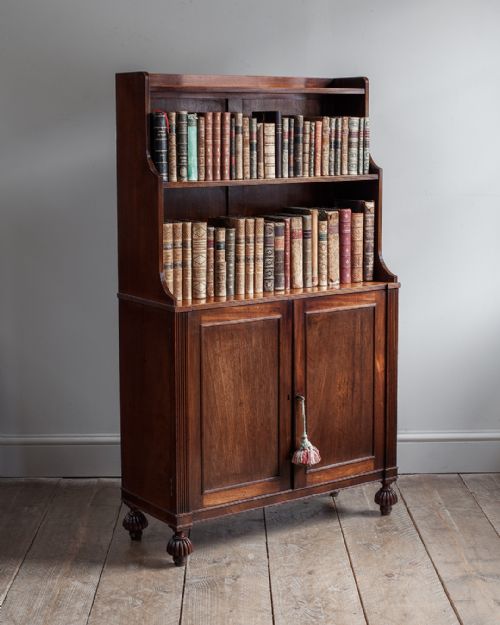
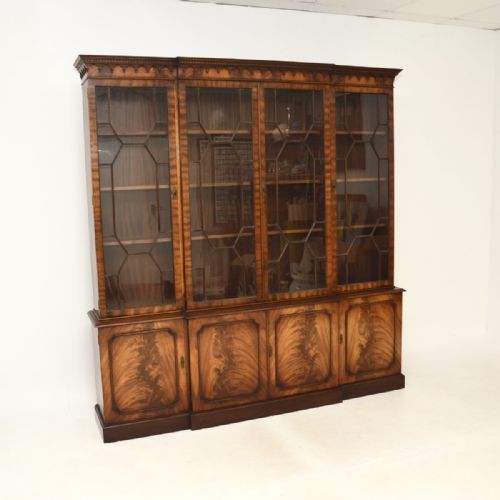
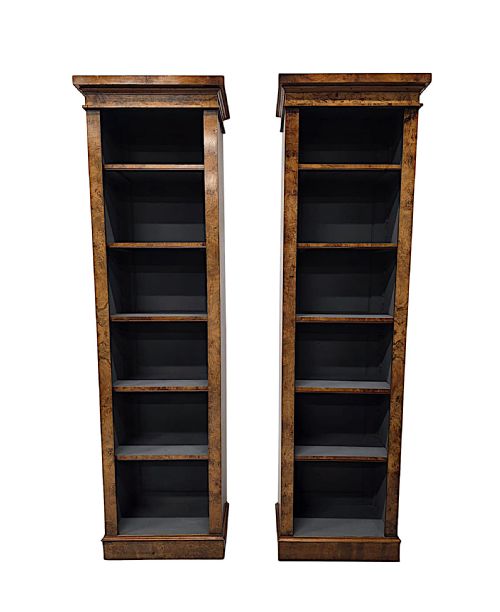
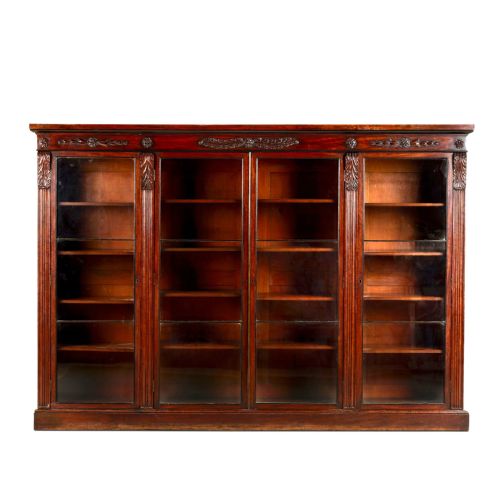
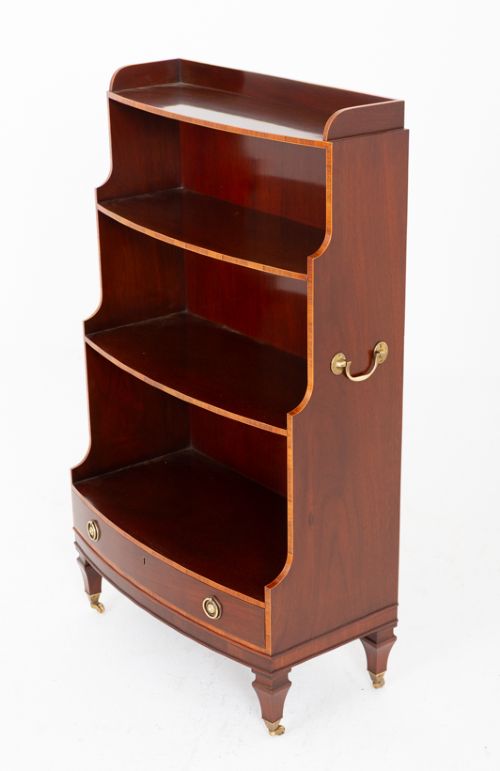
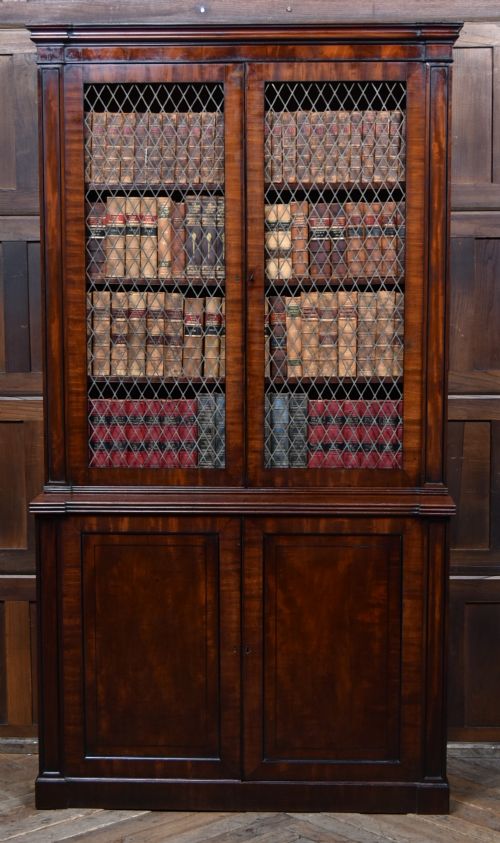
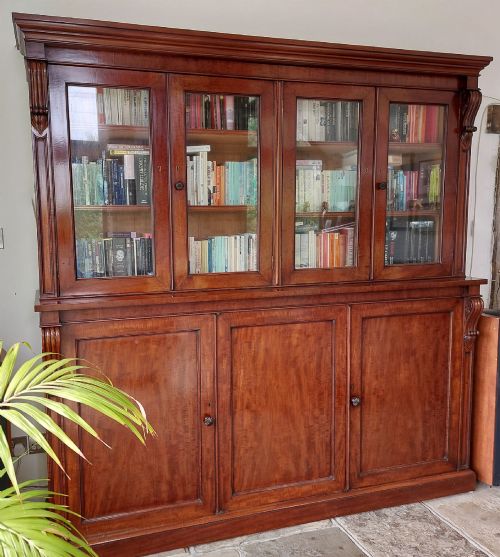
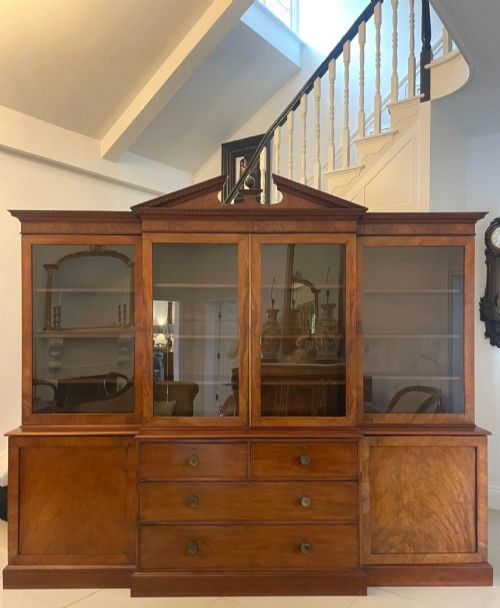
When you search for georgian library display, you encounter tall bookcases, breakfront cabinets, waterfall bookcases, and glazed display furniture from periods spanning the eighteenth century through to later revivals. These pieces range from grand multi-door breakfront cabinets designed for extensive collections to compact open bookshelves and what-nots suited for smaller domestic spaces.
The version you are most likely to meet on this page is the mahogany bookcase, often featuring glazed upper doors, adjustable shelving, and lower cupboard sections. These items reflect the forms developed during the Georgian and Regency eras, alongside later Edwardian interpretations and revival pieces.
Makers such as Gillows, Maple and Co., and Wylie and Lochhead appear alongside unmarked pieces from the eighteenth, nineteenth, and early twentieth centuries. The selection encompasses open shelving for accessible volumes as well as secure glazed cabinets intended for the preservation of fine books and objects.
Materials and technique
Cabinet makers relied primarily on solid mahogany and mahogany veneers, frequently incorporating flame mahogany and satinwood to create patterned drawer fronts and panel surrounds. Burr walnut and oak also appear, providing darker tones and prominent grain figures across different periods.
Glazing bars divide the glass doors into geometric panes, while brass hardware secures doors and adjustable shelf brackets allow internal heights to alter. Inlay work, including stringing and bandings, decorates the surfaces of later revival pieces and specific cabinet styles.
One recorded eight-volume set preserves letters written by a Turkish spy in Paris during the early eighteenth century.
Qualities of distinction
The quality of a library display piece rests upon timber selection and proportion, where carefully matched mahogany veneers and balanced breakfront configurations separate standard utility furniture from finer cabinet work. Attention to secondary timbers inside drawers and consistency in the timber grain reveal the level of care taken during construction.
Execution of detail, such as finely proportioned astragal glazing bars and crisp inlay, defines the upper tier of these pieces. Original brass fittings and the survival of functioning locks and adjustable shelf mechanisms further distinguish superior examples from simpler utilitarian storage.
Gillows·Maple and Co·Wylie and Lochhead
The Georgian Library Display Glossary
- Breakfront
- A cabinet design where the central section projects forward from the flanking wings. This architectural layout creates depth and visual interest in large library pieces.
- Astragal
- Moulding used to hold panes of glass within a glazed door. Fine wooden astragals form intricate geometric patterns across the bookcase front.
- Waterfall bookcase
- A set of open shelves stepped back in a cascading profile from top to bottom. These pieces often feature smaller dimensions suited to corner placements.
- Secretaire bookcase
- A cabinet incorporating a pull-down writing drawer fitted with small compartments and pigeonholes. It combines desk space with upper book storage.
- What-not
- An open shelving unit with multiple tiers supported by slender uprights. They provide accessible display space for books and decorative objects.
Georgian Library Display: Frequently Asked Questions
How do I adjust the shelves?
Most period library bookcases utilise vertical wooden or metal ratchets, rows of peg holes, or brass shelf strips mounted inside the cabinet walls. Shelves rest upon moveable supports that fit into these tracks.
This system allowed owners to alter internal shelf heights to accommodate folio volumes and smaller books alike. Care should be taken when moving older mahogany shelves to avoid damaging the interior veneer.
Where were these bookcases placed?
These pieces originated in the formal libraries, studies, and drawing rooms of large country houses and town residences. They were positioned against principal walls to hold extensive private book collections.
Today, they serve similar functions in domestic living spaces and studies. Glazed variants protect fragile bindings from dust and light while displaying book spines.
Are the glass doors original?
Older bookcases frequently retain their original hand-blown window glass, which displays minor surface ripples and bubbles. Replacements often use modern flat glass without these historical irregularities.
Inspecting the glazing bars and putty helps determine whether the glass dates from the cabinet's original construction period. Original astragal bars should match the internal timber construction.