
Georgian Leaf Dining Table
A georgian leaf dining table provides flexible seating and rich timber surfaces suited to historic interiors and modern rooms alike.
Georgian Leaf Dining Table
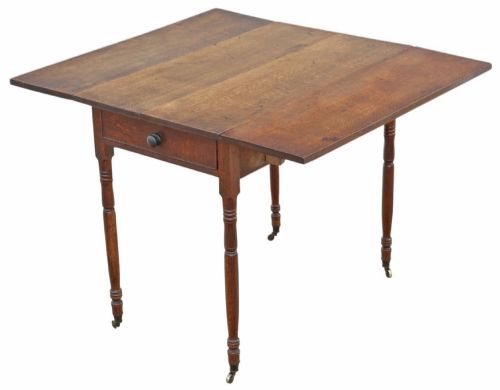
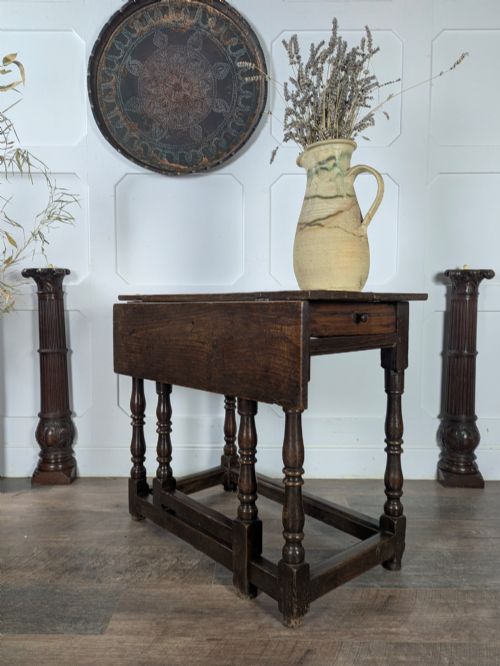
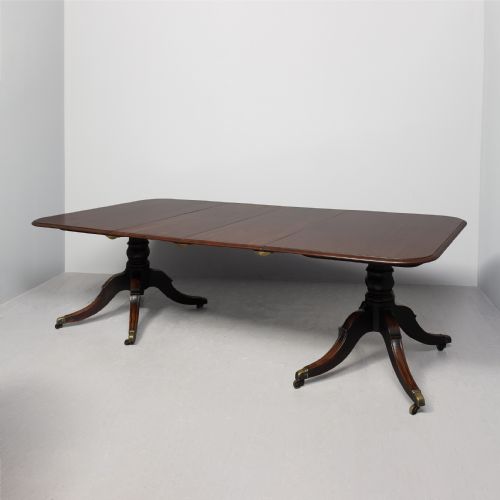
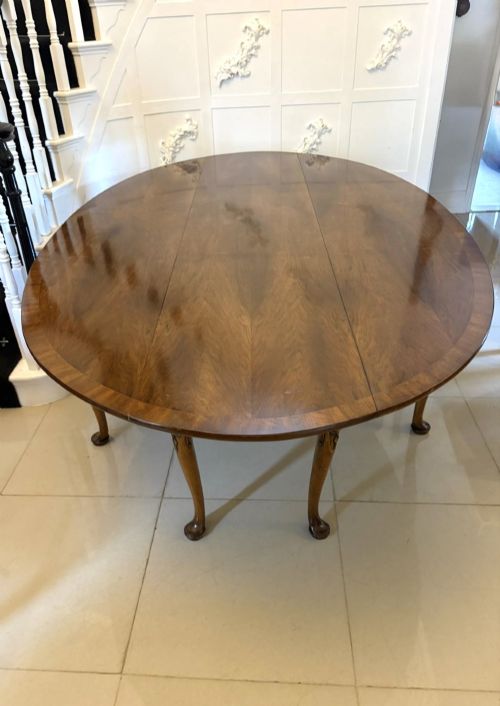
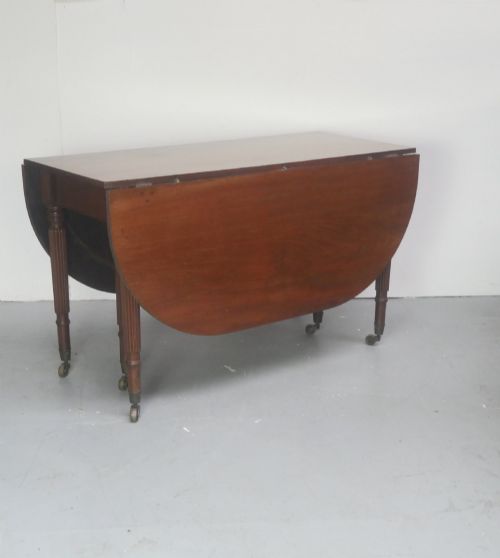
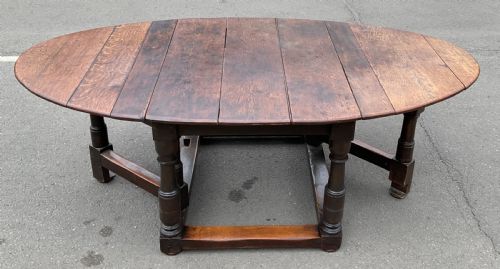
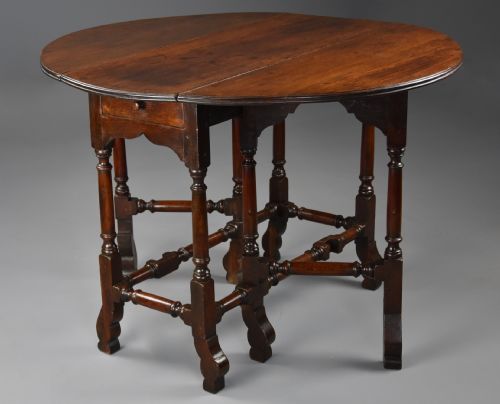
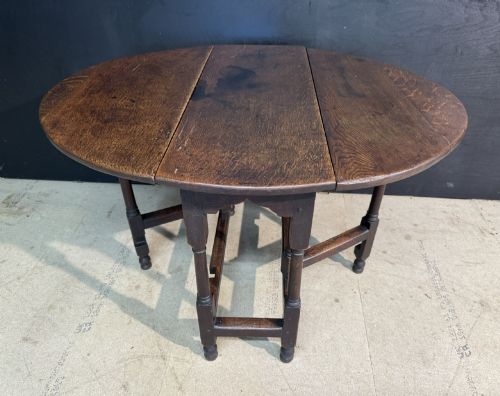
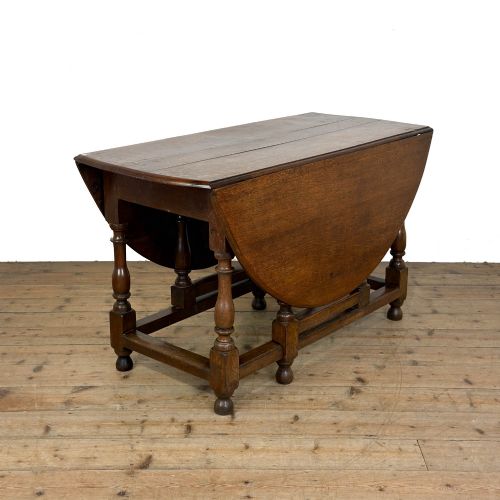
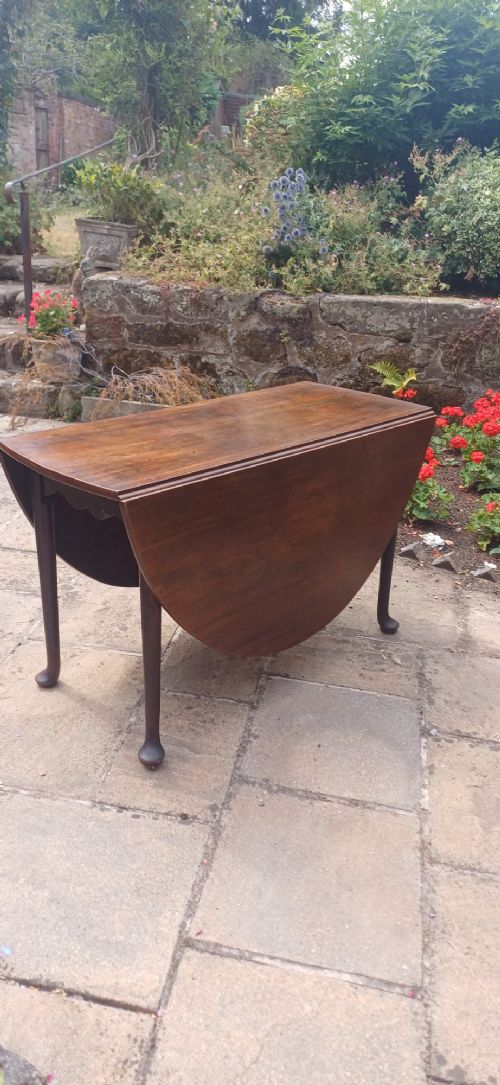
A georgian leaf dining table brings together centuries of cabinet-making traditions, spanning oak gatelegs, walnut drop-leaf pieces, and extended mahogany designs. These tables combine hinged leaves with robust underframes designed to expand when guests arrive and fold away compactly between meals.
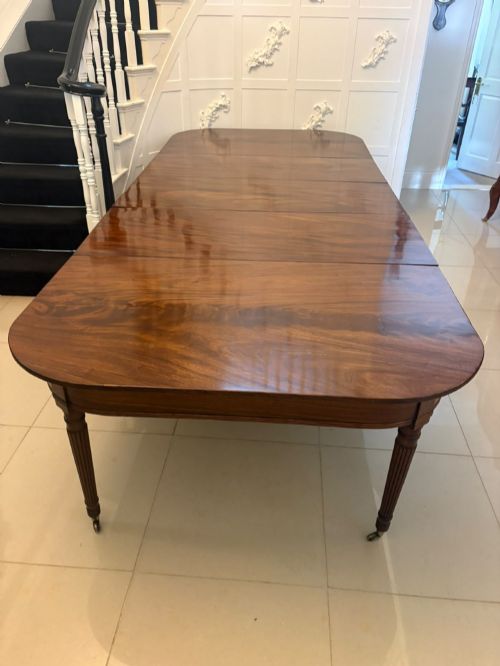
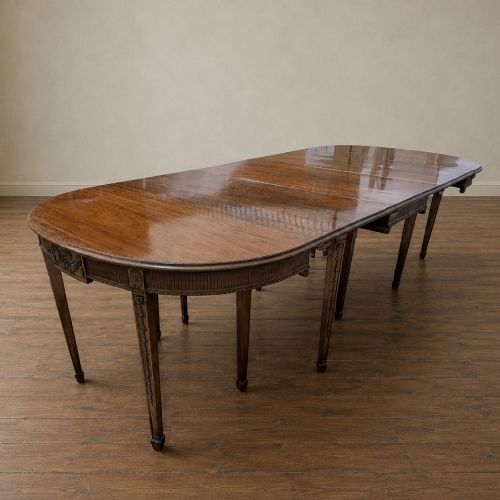
The most common examples on this page are mahogany and oak drop-leaf or gateleg forms originating from the eighteenth and early nineteenth centuries. Buyers frequently encounter oval and D-end formats that accommodate anywhere from four to ten diners depending on the presence of extra leaves.
How They Were Made
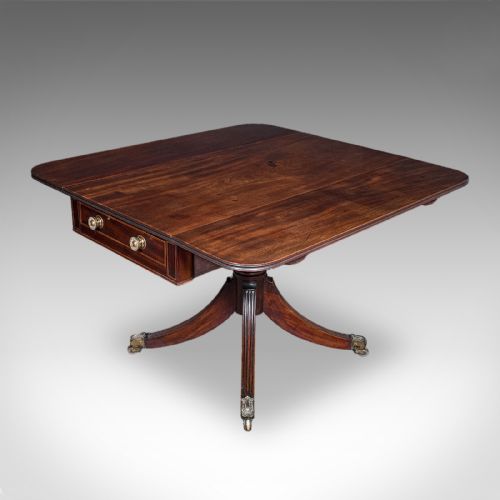
Cabinet-makers relied principally on dense timbers such as mahogany, oak, and walnut, often selecting solid planks for seventeenth and eighteenth-century gatelegs and fine Cuban mahogany or veneers for later Regency examples. Surfaces were hand-planed and joined using traditional methods including pegged mortise and tenon joints or rule joints on drop leaves.
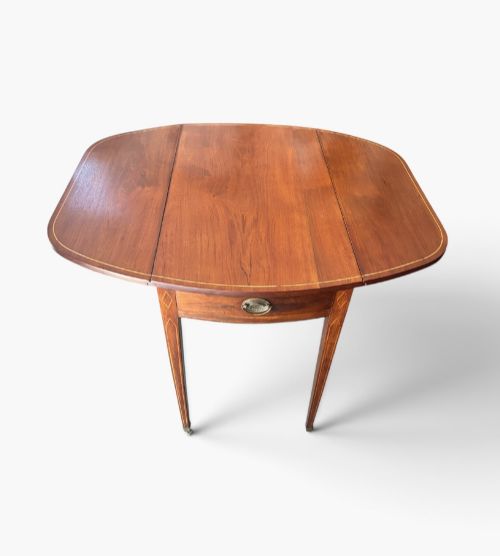
Underframes incorporated swing legs, gate actions, or pedestal columns to support the extending flaps securely. Brass castors, boxwood stringing, and carved details such as cabriole legs with claw-and-ball or pad feet finished the construction.
Some gateleg tables manage to fold down small enough to hide behind a sofa while secretly offering a ten-seat banquet.
What Varies in Quality
Construction details such as the weight of the timber used in the gatelegs, the crispness of hand-carved cabriole legs, and the retention of original surface finishes dictate whether a piece maintains its structural and historical integrity.
Robert Adam
The Georgian Leaf Dining Table Glossary
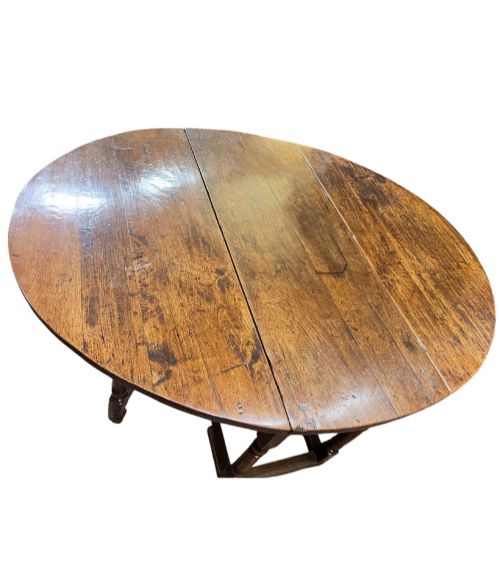
- Gateleg table
- A table with hinged leaves supported by swing-out legs that pivot from the frame to form a gate. This design provides sturdy support for large drop leaves.
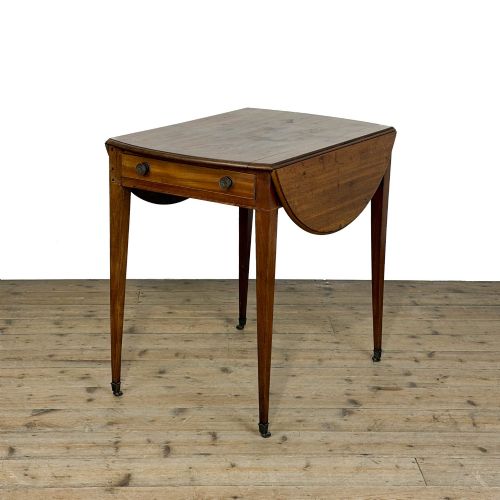
- Pembroke table
- A small rectangular or oval table with two hinged drop leaves on opposing sides, frequently fitted with a small drawer. These versatile pieces served as breakfast or side tables.
- Rule joint
- A specific moulding joint used on drop-leaf tables where the edge of the fixed top and the edge of the leaf meet to conceal the hinge mechanism when open.
- D-end table
- A dining table whose ends are semicircular, allowing sections to stand separately as console tables or join together with leaves to form a large oval or extended dining surface.
- Patina
- The soft sheen and deep colour developed on timber surfaces through decades of handling, exposure to light, and polishing.
Georgian Leaf Dining Table: Frequently Asked Questions
How do you seat people around a drop leaf table?
Drop leaf tables use swinging gatelegs or folding brackets that pull out from beneath the top to support the flaps securely when raised. This mechanism allows you to open one or both sides depending on the room size and number of guests.
When closed, the leaves drop vertically to create a narrow console or side table that saves floor space. The hinged rule joint ensures a flat, stable surface when fully extended.
How do I identify a Georgian dining table?
Georgian tables are characterised by specific timber choices such as rich mahogany, walnut, or oak, combined with period-appropriate underframes like pad feet, cabriole legs, or reeded Regency legs. Construction methods rely on hand-cut joints and traditional timber preparation rather than modern factory fixings.
Detailing such as boxwood stringing, brass castors, and original rule joints on drop leaves further indicate eighteenth or early nineteenth-century manufacture.
Can I use an antique dining table every day?
These tables were built from solid hardwoods like oak and mahogany specifically for daily domestic service, making them robust enough for regular use. Standard maintenance involves using coasters, placemats, and suitable waxes to protect the historic timber surface from heat and moisture.
Checking that the hinges, gate actions, and castor wheels remain properly adjusted ensures the table functions smoothly during meals.