
Georgian Lady Portrait Art
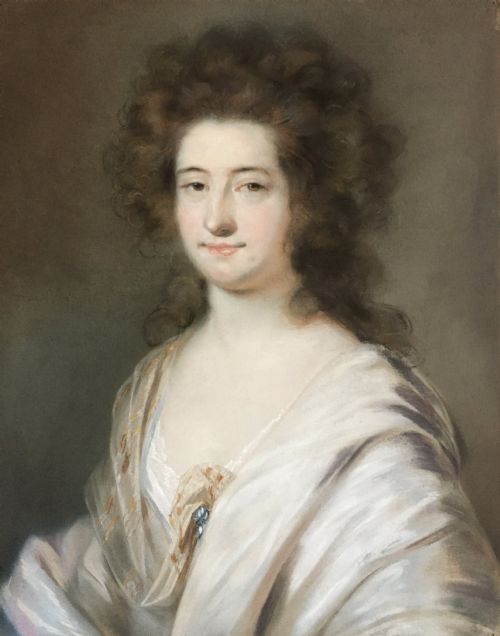
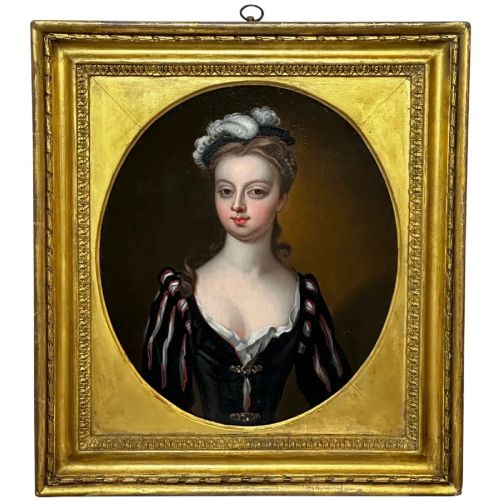
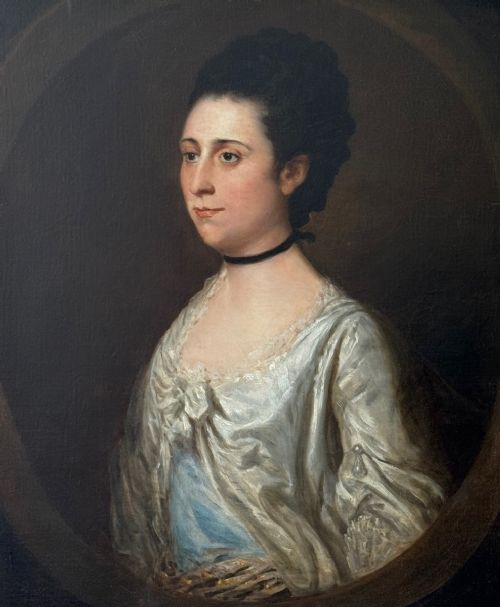
Georgian lady portrait art captures the poise and elegance of eighteenth and nineteenth-century sitters through oil paintings, watercolours, and delicate miniatures.
Georgian Lady Portrait Art
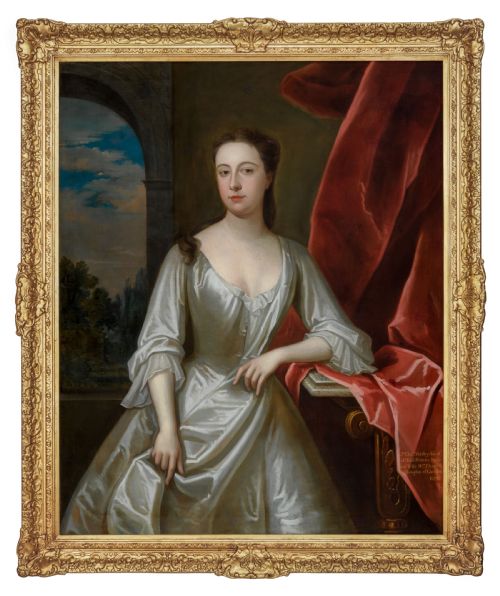
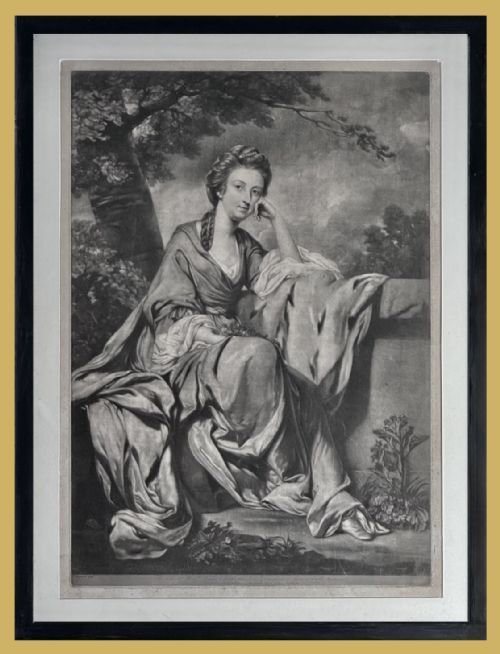
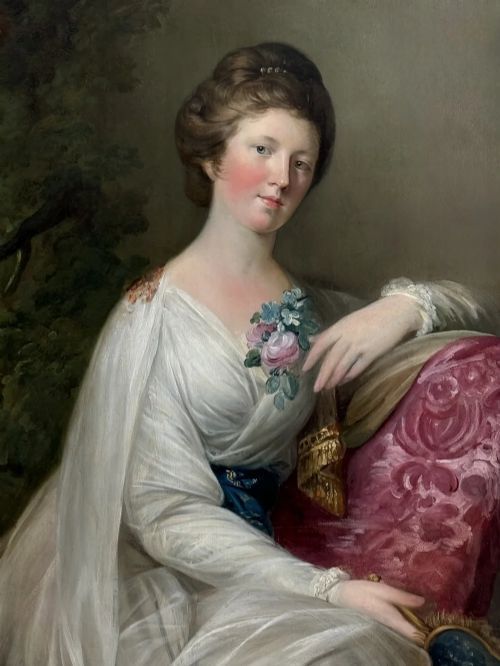
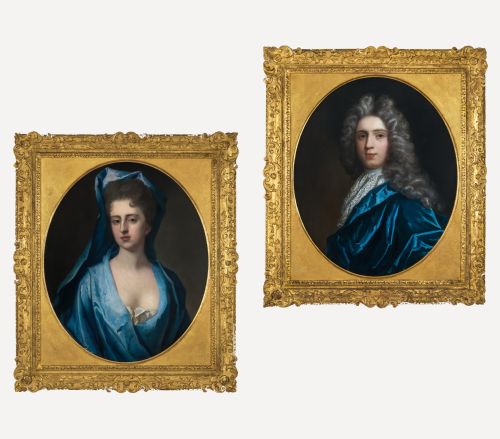
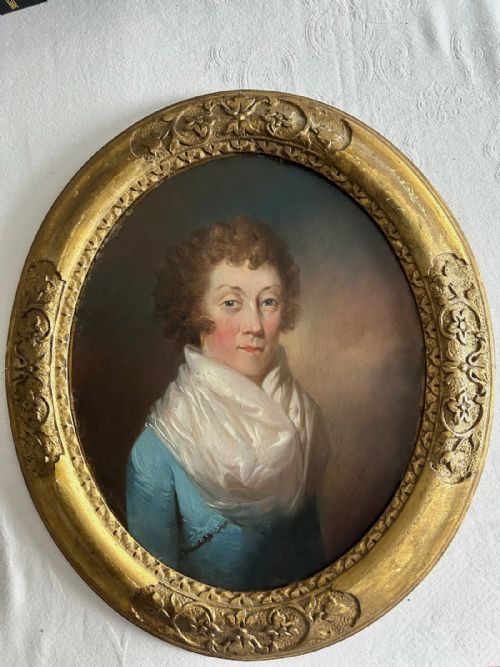
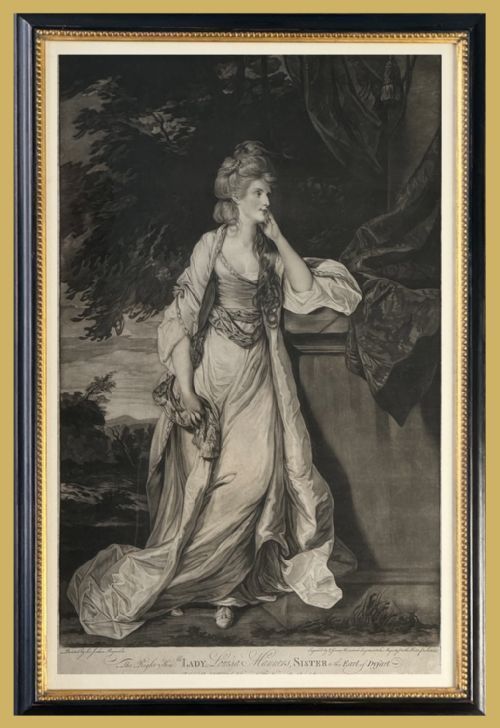
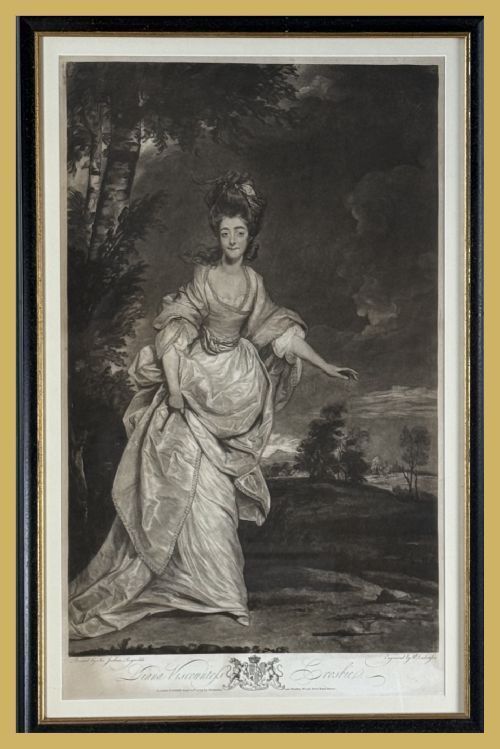
When you search for georgian lady portrait art, you encounter historical depictions ranging from grand oil on canvas paintings to intimate portrait miniatures and printed mezzotints. These works record the likenesses of named sitters and anonymous subjects from the eighteenth and nineteenth centuries, executed in periods spanning British Baroque, Regency, and Georgian styles.
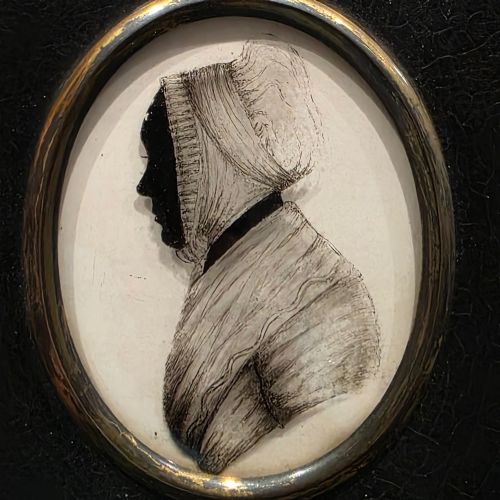
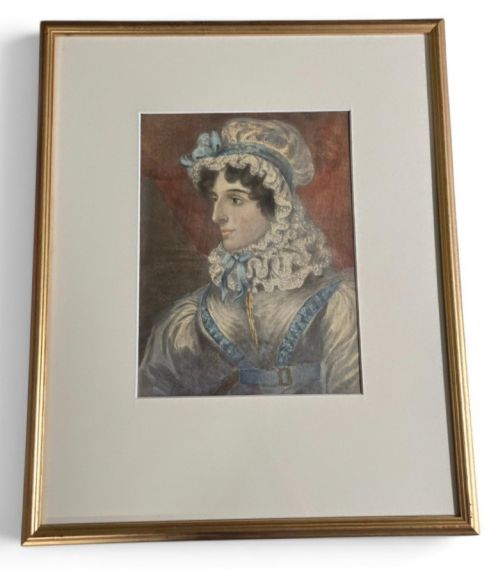
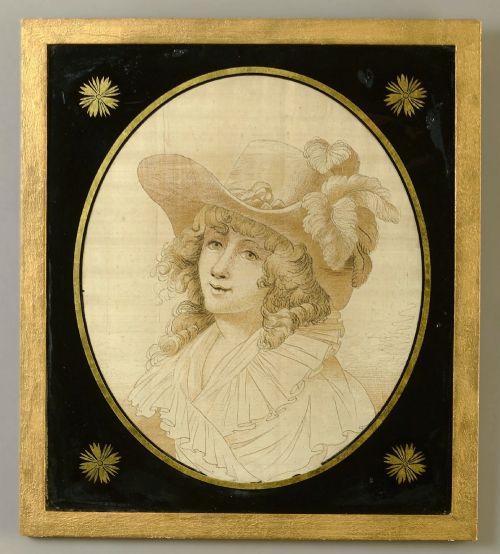
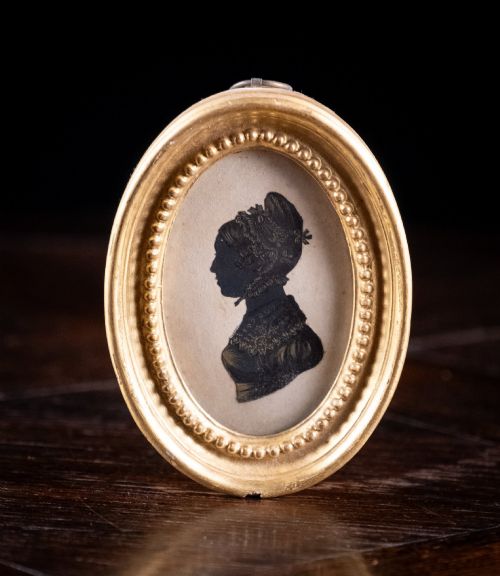
The selections available here lean heavily toward oil paintings on canvas and panel, alongside works on paper such as watercolours, pastels, and graphite drawings. You will also find reverse-painted glass silhouettes and print reproductions created during the Georgian era and subsequent revival periods up to the early twentieth century.
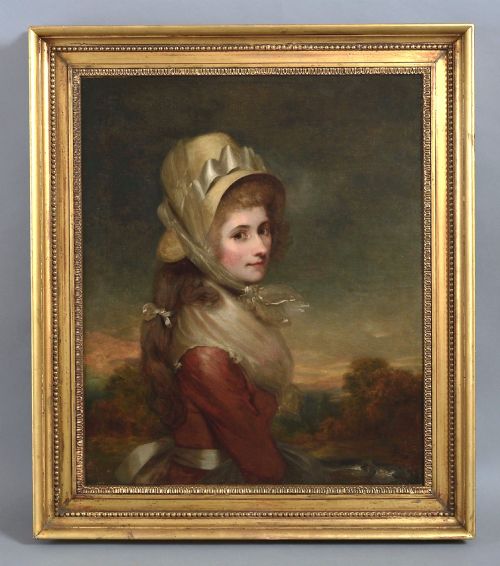
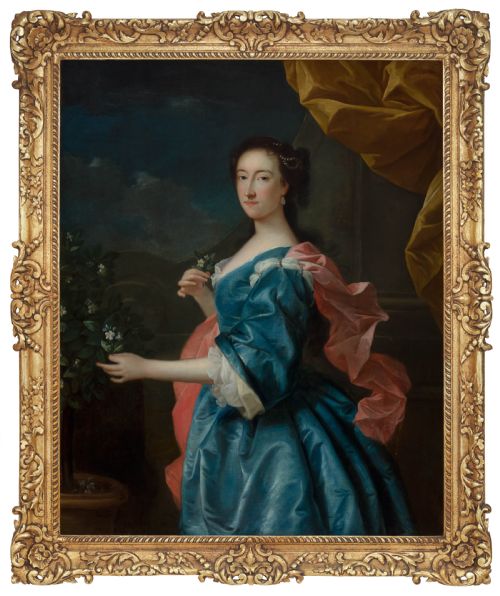
Subjects appear formally posed in domestic interiors or pastoral landscapes, frequently dressed in silks, lace, or bonnets that reflect the fashion of their day. Many pieces carry attributions to notable portraitists or originate from British and European schools working within distinct historical traditions.
Materials and Techniques
Painters built their compositions using oil pigments on stretched canvas or wooden boards, often layering translucent glazes to achieve depth in fabrics and skin tones. Works on paper utilise watercolour, pastel, or graphite, capturing softer textures and immediate linear details.
Printmakers employed mezzotint engraving on copper plates to translate painted portraits into rich tonal prints, while silhouette artists utilised reverse painting on glass with gold leaf accents. Frames constructed from wood, giltwood, and ebonised mouldings completed these presentation pieces.
Several ladies gaze out past the viewer holding sprigs of orange blossom, apparently more interested in horticulture than the artist.
Factors That Determine Quality
The skill of the brushwork and the anatomical accuracy of the hands, face, and drapery set individual pieces apart. Superior works demonstrate a confident handling of light and shadow that gives volume to the sitter and texture to their garments.
Condition and originality heavily influence the standing of a piece, including the preservation of the original paint surface or paper pigment without excessive overpainting. The quality of the framing, whether period giltwood or later revival moulding, also contributes to the integrity of the artwork.
Sir Godfrey Kneller·Sir Joshua Reynolds·Sir Martin Archer Shee·George Willison·Jeremiah Davison·Michael Dahl·Thomas Murray·John Vanderbank·Thomas Beach·Sir Allan Ramsay·John Russell·Henry Pickering·Francis Cotes·James Maubert·Sydney Wilson
The Georgian Lady Portrait Art Glossary
- Mezzotint
- A printmaking process where the copper plate is roughened to produce dark tones, then scraped and burnished to create light areas. This technique allowed printmakers to replicate the soft tonal gradations of oil paintings.
- Portrait miniature
- A small, highly detailed painting executed on vellum, card, or ivory, often housed in a protective case or frame. These intimate pieces were frequently commissioned as personal tokens.
- Reverse painting on glass
- An art form where the image is painted directly onto the back of a glass panel, viewed from the unpainted front side. This method imparts a distinct glossy finish and protects the pigment.
- Artist proof
- An impression of a print taken before the main edition is printed, approved by the creator for its quality. These proofs often command particular interest among collectors.
- British Baroque
- An artistic style prevalent in the late seventeenth and early eighteenth centuries characterised by grand gestures and theatrical drapery. It heavily influenced early portraiture in Britain.
Georgian Lady Portrait Art: Frequently Asked Questions
How do I date a Georgian portrait?
Dating relies heavily on the sitter's costume, hairstyle, and the construction methods of the canvas or frame. Contemporary inscriptions, artist signatures, and stylistic traits aligned with known painting schools also help narrow the period.
Fashion changes during the eighteenth and nineteenth centuries provide strict chronological clues, as silhouettes, necklines, and fabrics evolved rapidly between the early Georgian era and the Regency period.
What is the difference between an oil painting and a mezzotint?
An oil painting is a unique, hand-painted artwork created directly on canvas, panel, or board using pigment suspended in oil. Each brushstroke is singular to the artist's hand.
A mezzotint is a print created from an engraved metal plate, allowing multiple impressions to be made from a single master image. While printed, historical mezzotints were often inked and finished by hand.
How were portrait miniatures displayed?
Portrait miniatures were often designed to be portable, kept in small leather cases, worn as pendants, or set into the lids of snuff boxes. Their intimate scale made them suitable for personal keeping rather than large wall display.
Over time, many miniatures were fitted into decorative wall frames or arranged in groups within domestic interiors, preserving their delicate painted surfaces behind glass.
What subjects appear in these portraits besides named sitters?
Many portraits depict anonymous sitters identified only by familial titles, descriptive names, or general character studies. These works frequently focus on fashionable young ladies, children, or couples in pastoral or domestic settings.
The inclusion of symbolic elements like orange trees, books, or specific dress often indicated the social standing, wealth, or interests of the individuals portrayed, even when their exact identities were lost.
How should I care for antique portrait art?
Protect oil paintings and works on paper from direct sunlight and excessive humidity fluctuations to prevent fading, warping, or cracking of the pigments. Maintaining a stable indoor environment preserves the structural integrity of both the canvas and the original frame.
Avoid using liquid cleaners on historical surfaces; instead, consult a professional conservator for any cleaning or restoration work needed to maintain the condition of the artwork.