



Reverse Painted Glass Art
Reverse painted glass art brings together delicate pigment applied directly to the rear of the pane and the reflective sheen of the glass itself.
Reverse Painted Glass Art
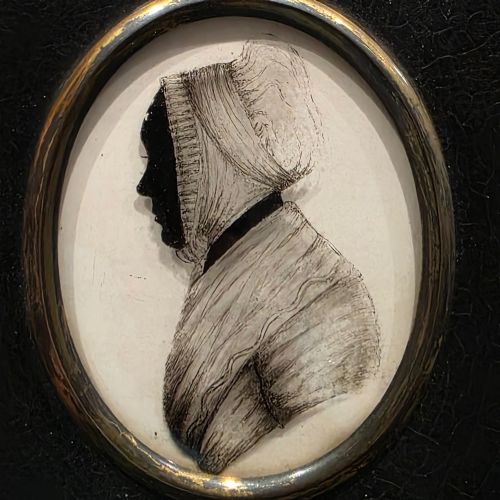
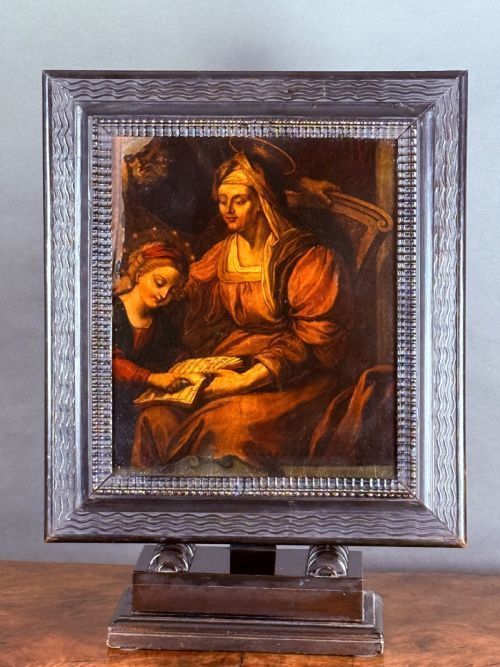
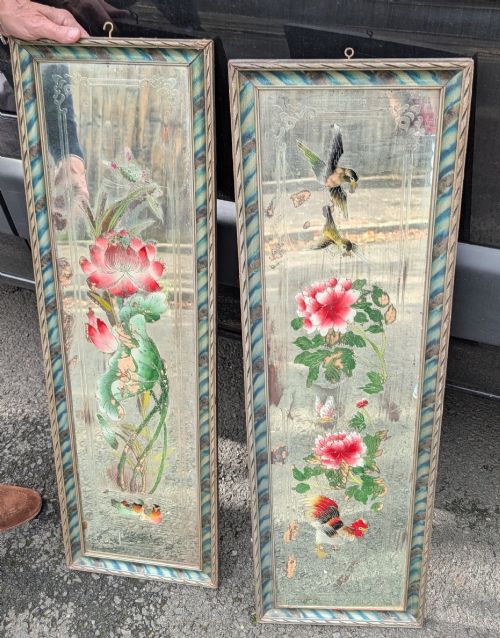
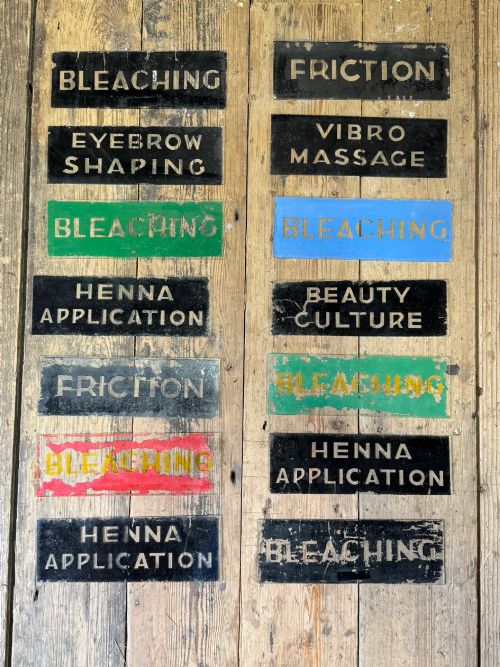
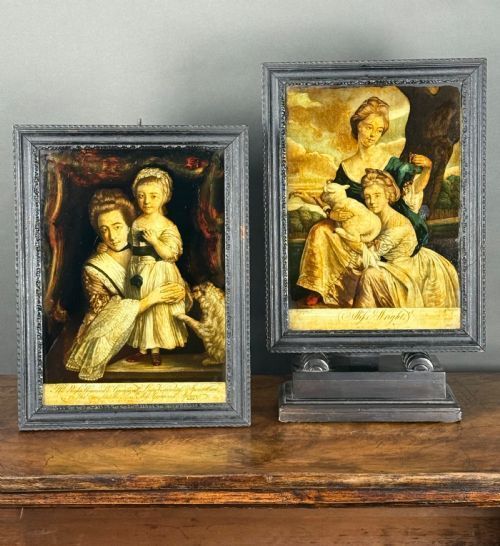
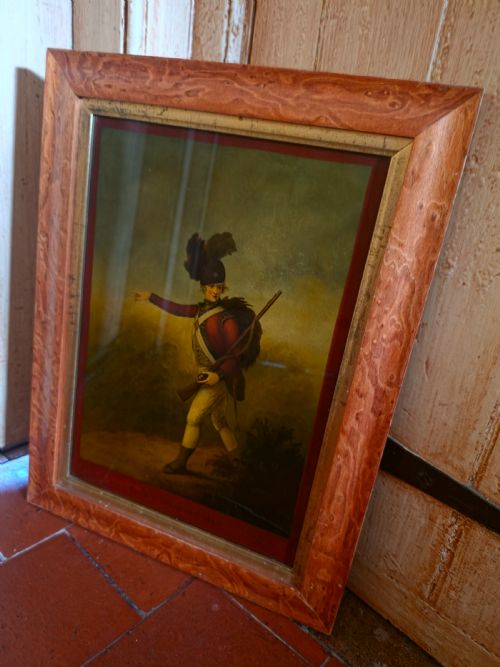
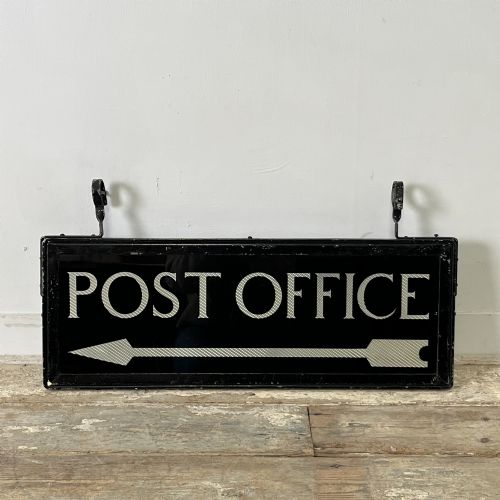
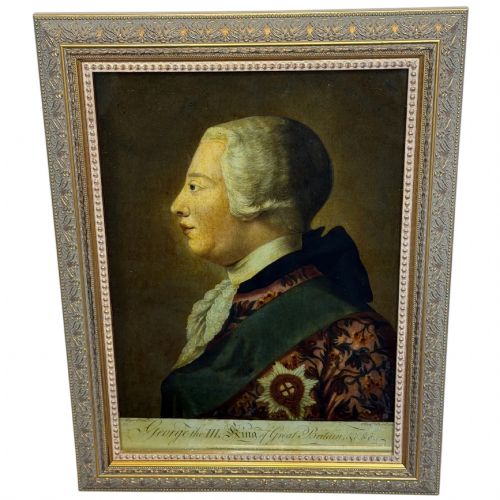
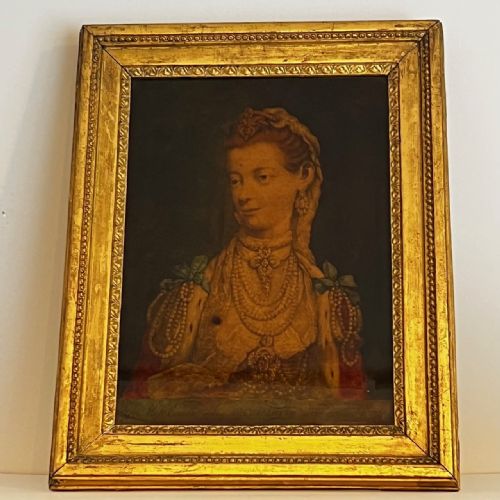
Reverse painted glass art encompasses wall art, silhouette miniatures, wall mirrors, and framed prints produced across the eighteenth, nineteenth, and early twentieth centuries. When you search for reverse painted glass art, you encounter portrait miniatures, religious subjects, classical allegories, and trade signs created using glass, wood, and paper.
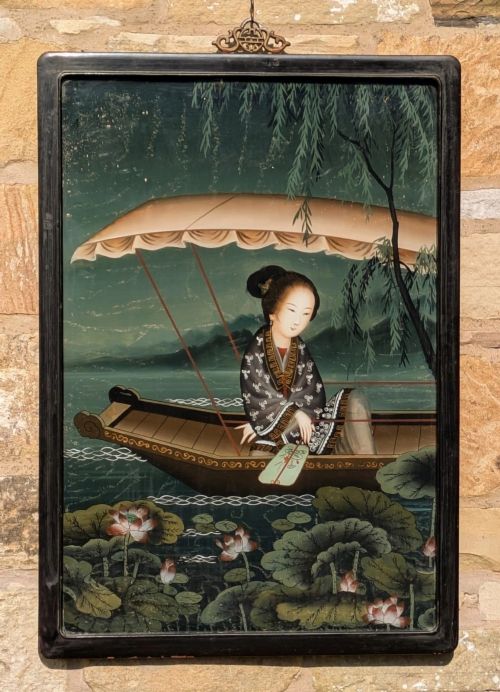
The most common examples on this page span Georgian, Regency, and Victorian periods, alongside Chinese export pieces and twentieth-century signage. These works rely on pigment, oil paint, and gold leaf applied behind glass so the image resolves through the smooth front surface.
Materials and construction
Makers utilised transparent glass as the primary substrate, applying oil paint, pigment, and gold leaf directly to the reverse side. This technique required the artist to paint fine details and foreground elements first, building background layers last so the finished composition looked correct when viewed from the front.
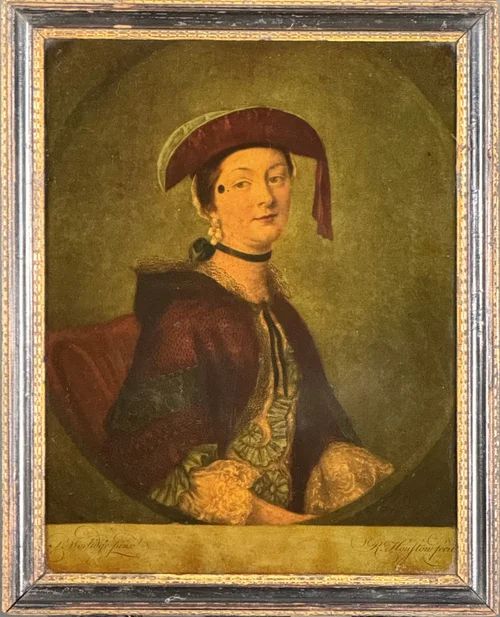
Mezzotints and printed engravings were often transferred face down onto the glass, then carefully coloured by hand using pigments and oils. Wooden frames, brass mounts, and paper backings frequently support these fragile glass panels.
Listings feature eighteenth-century mezzotints, nineteenth-century silhouettes, and twentieth-century glass signs using oil paint, gold leaf, and paper.
Distinctions in execution
The standard of reverse painted glass art rests upon the precision of the brushwork and the preservation of the delicate pigment layer behind the glass. Finer examples display meticulous hand-colouring, crisp transfer lines, and well-preserved metallic leaf.
Earlier eighteenth-century mezzotints and detailed Chinese export mirror panels demonstrate greater complexity than later mass-produced signage or standard decorative prints. The clarity of the glass and the stability of the backing paper also influence the overall integrity of the piece.
Fletcher·Sebastiaan Vrancx·Charles Spooner·Richard Purcell·Frye·Abraham Cooper·W Bishop·Richard Phillips·Takabatake Kasho
The Reverse Painted Glass Art Glossary
- Mezzotint
- A printmaking method based on rasterising an image by roughing a metal plate with thousands of little points. These prints were often transferred to glass and hand-coloured.
- Eglomise
- A technique where cold gilding and painting are applied to the rear of glass panels. This process creates a mirror-like or metallic sheen behind the artwork.
- Crystoleom
- A Victorian method of applying a colour print to glass, clearing the paper base, and hand-painting the result from behind. These pieces became popular during the nineteenth century.
- Chinoiserie
- A European artistic style reflecting Chinese motifs and techniques. This aesthetic appears frequently on export mirrors and glass panels.
- Silhouette
- A portrait profile filled in with a solid dark colour, often painted on glass in miniature form. These small works capture sitters in sharp outline.
Reverse Painted Glass Art: Frequently Asked Questions
Are these pieces painted directly on the glass?
Many works apply oil paint and pigment straight onto the rear of the glass panel.
Others utilise transferred mezzotint prints that are subsequently hand-coloured from behind.
Why is the image viewed from the back?
The technique requires the artist to paint fine foreground details first and background layers last.
Viewing the piece through the smooth front panel protects the fragile pigments from direct damage.
How can I date an antique glass painting?
Examine the framing materials, the type of glass used, and the style of the paper backing.
Subject matter and inscriptions relating to known historical figures also help narrow the period of creation.