



Wood Framed Glass Art
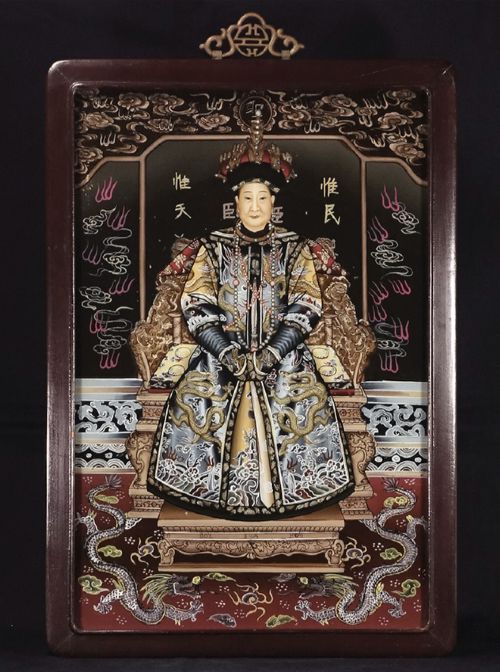
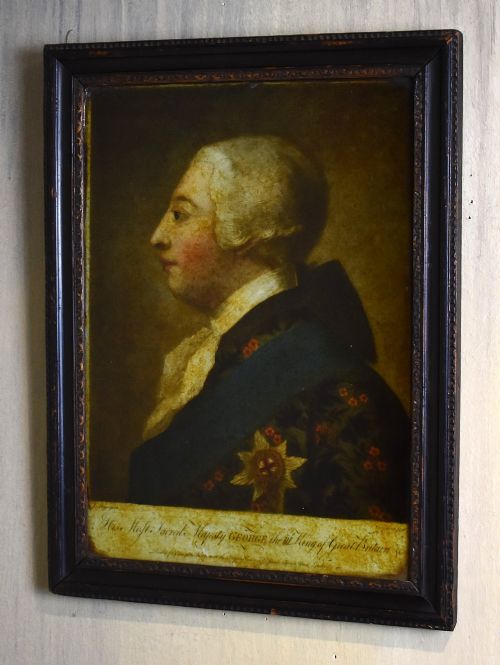
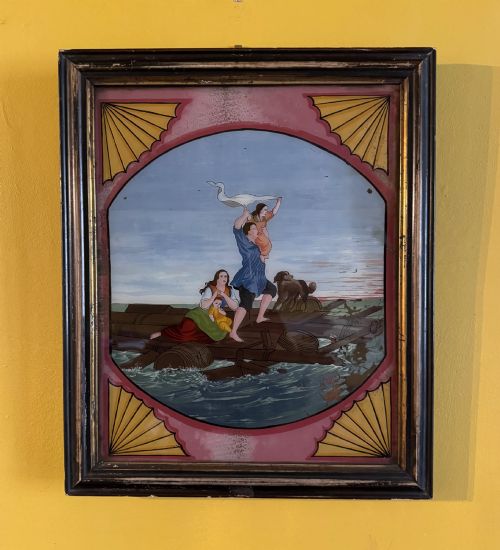
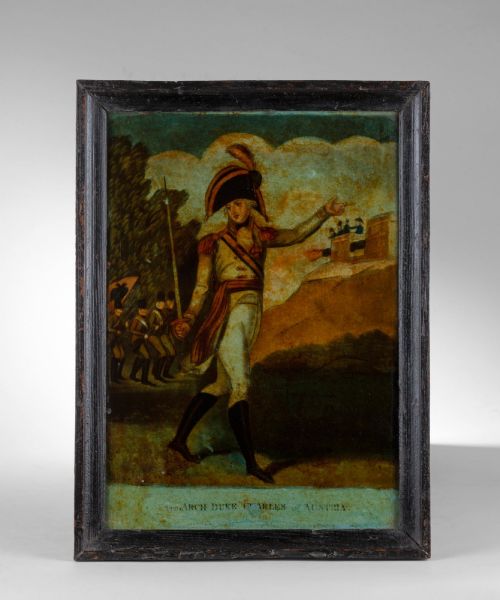
Wood framed glass art brings together timber and painted, printed or mirrored glass across centuries of decorative work.
Wood Framed Glass Art
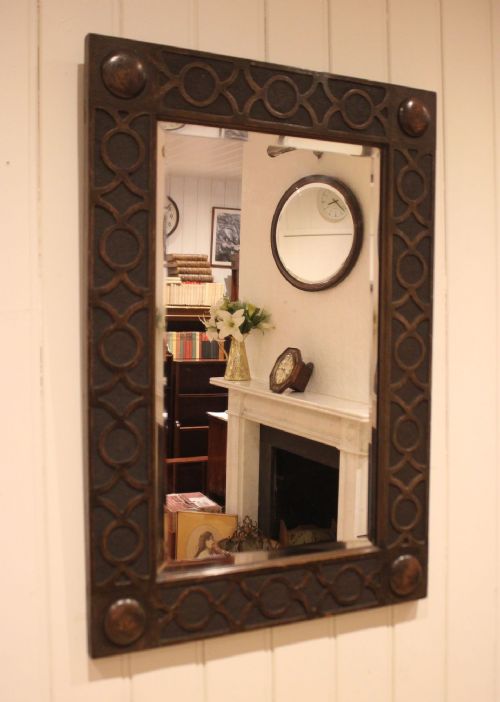
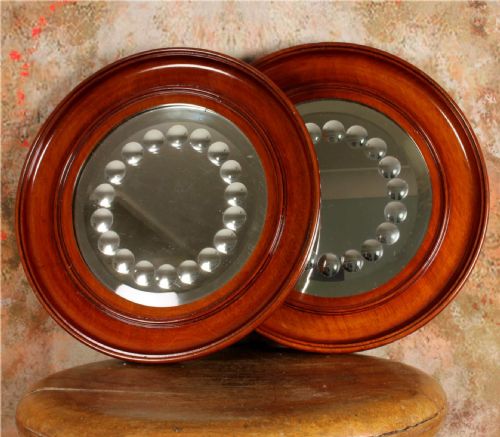
When searching for wood framed glass art, buyers encounter a diverse selection of wall pieces, mirrors and decorative items enclosed in timber surrounds. The pieces span periods from the Georgian and Regency eras through the Victorian and Edwardian decades into the 1920s.
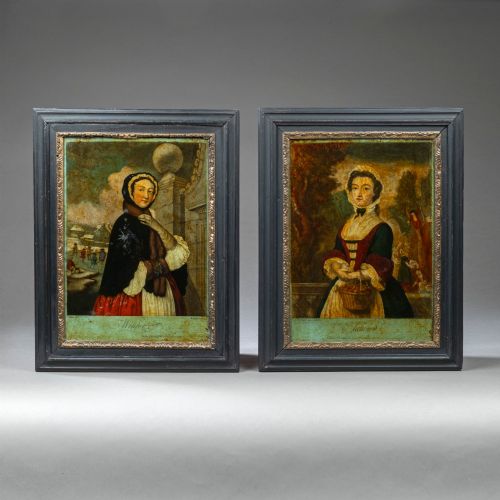
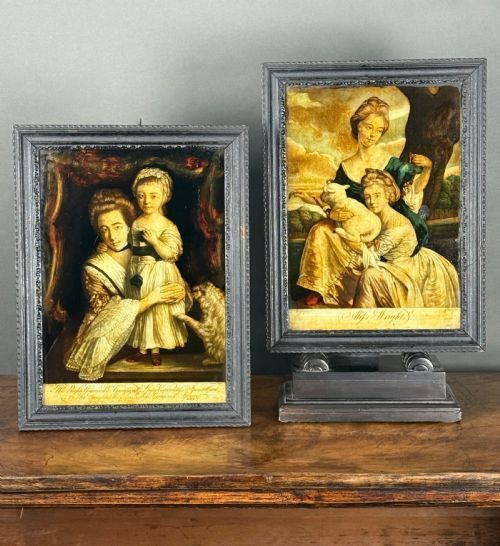
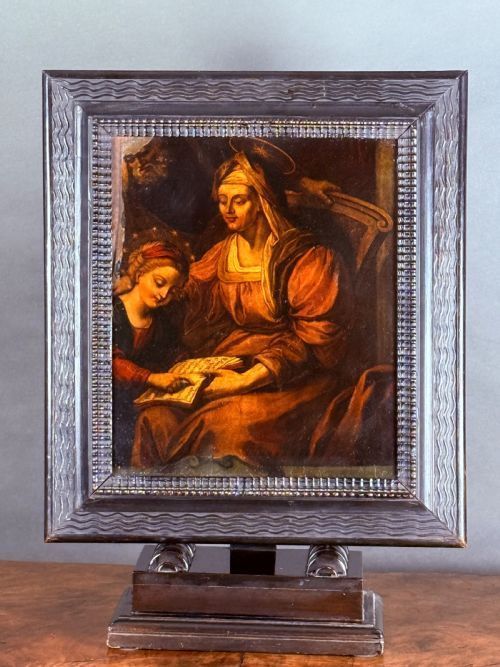
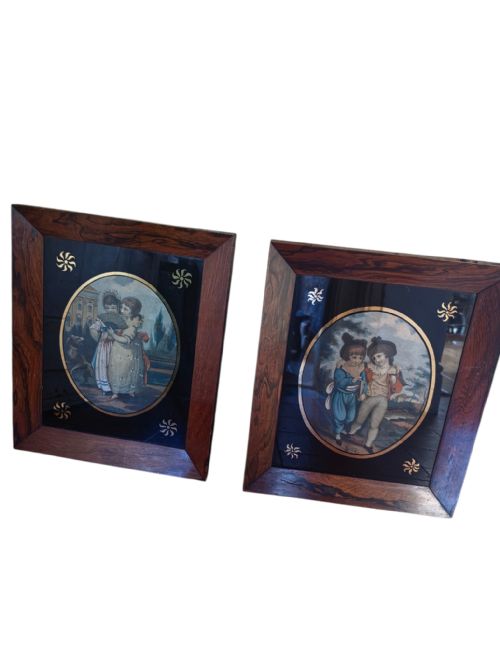
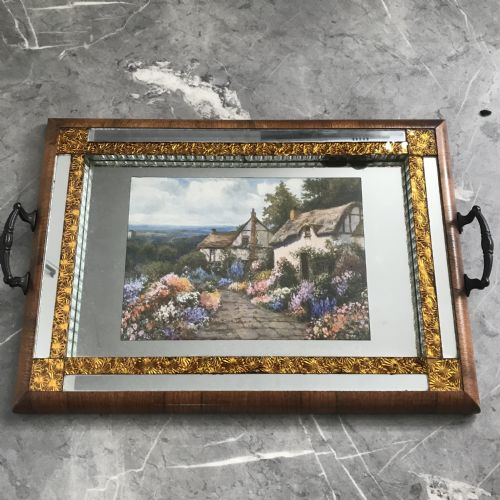
Reverse glass paintings, mezzotints, prints and autochromes dominate the selection, alongside wall mirrors, trays and shadow box dioramas. Oak, rosewood, walnut veneer and giltwood frequently form the surrounds that protect and display the glass panels within.
Materials and construction
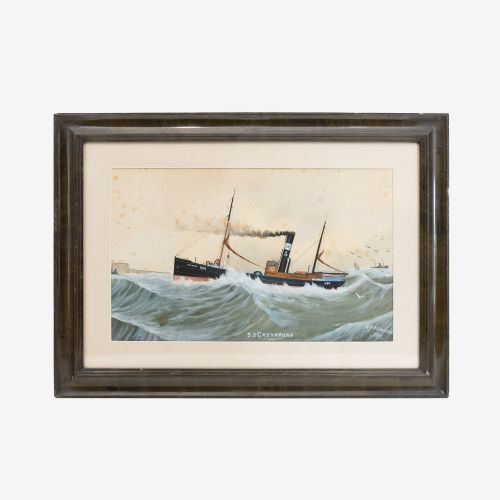
Makers utilised glass, pigment, oil paint, watercolour and gouache applied directly to panels or printed using techniques such as mezzotint and crystoleum. Reverse glass painting required artists to paint details in correct sequence from the front layer back.
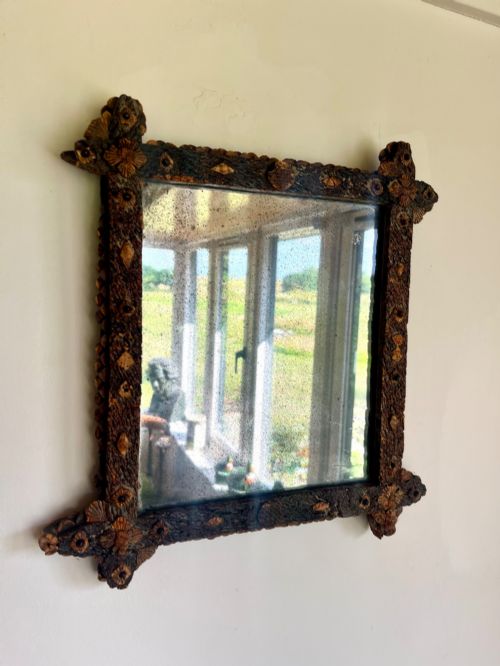
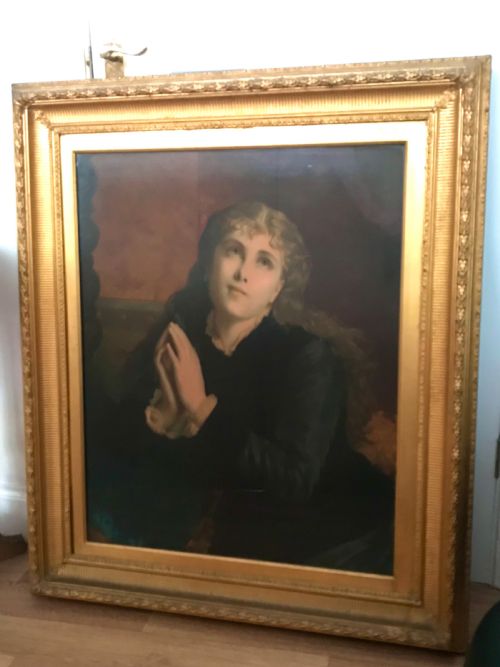
Timber frames in oak, rosewood, walnut and carved giltwood were constructed to house these fragile glass surfaces securely. Cork tramp art and inlaid woodwork provided alternative textured surrounds for mirrors and dioramas.
Wood Framed Glass Art Retail Price Guide 2026
Typical asking prices for wood framed glass art among the pieces listed under this phrase on Sellingantiques today, from the lower quarter to the upper quarter. They describe what is for sale here now, not the wider market.
Listings feature items from the 18th century, Regency period, Victorian era, Edwardian period and the 1920s.
Assessing quality
Quality rests upon the skill evident in the glass decoration and the integrity of the timber frame. Finer works display meticulous brushwork, precise reverse application of pigments and well-preserved surface details.
The choice and joinery of the wood frame further define the standard of a piece. Solid oak, figured walnut veneer and carved giltwood elevate the overall craftsmanship above utilitarian alternatives.
Alexander Harwood·Takabatake Kasho·Stuart Armfield
The Wood Framed Glass Art Glossary
- Reverse glass painting
- A technique where an artist paints on the reverse side of a glass sheet so the image is viewed correctly through the front. This method protects the pigment from dust and environmental damage.
- Crystoleum
- A Victorian method of applying a hand-coloured print to glass, making it translucent, and then painting behind it with oil colours. The result is a glossy, luminous image resembling an oil painting.
- Autochrome
- An early colour photography process on glass developed by the Lumière brothers. These plates display luminous, painterly qualities.
- Tramp art
- A form of woodwork popular in the nineteenth and early twentieth centuries where small pieces of scrap wood, such as cigar boxes, are notched and layered. Frames made in this style have distinctive stepped, geometric relief.
- Giltwood
- Timber coated with a thin layer of gold leaf or gold paint. It provides a reflective, ornate border for devotional icons and fine prints.
Wood Framed Glass Art: Frequently Asked Questions
What is reverse glass painting?
Reverse glass painting involves applying pigment directly to the back of a glass panel. The artist works backwards, painting foreground details first so they appear correctly oriented from the front.
This technique protects the paint layer from air and moisture, keeping colours remarkably vibrant over centuries.
How should I hang these pieces?
Wood framed glass art requires secure wall fixings suited to the combined weight of the timber and glass. Wall mirrors and heavy framed panels need appropriate brackets fastened directly into wall studs.
Keep pieces away from direct sunlight to prevent fading in painted pigments, prints and paper elements.
What periods do these pieces represent?
The selection spans the Georgian, Regency, Victorian and Edwardian eras, extending into the 1920s and 1930s. Earlier examples often feature religious subjects or historical portraits.
Later pieces include Art Deco mirrored trays, illuminated wall decorations and twentieth-century still life paintings.
What is a crystoleum?
A crystoleum is a Victorian or Edwardian creation made by taking a paper print, cementing it face down to glass, rubbing away the paper backing, and then hand-colouring the remaining transparent image from behind with oil paints.
This process produced a rich, glossy finish that combines the precision of printmaking with the depth of painting.