
Georgian Lady Painting
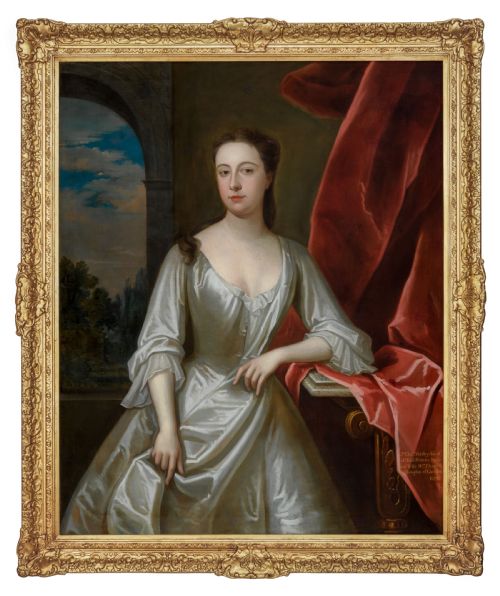
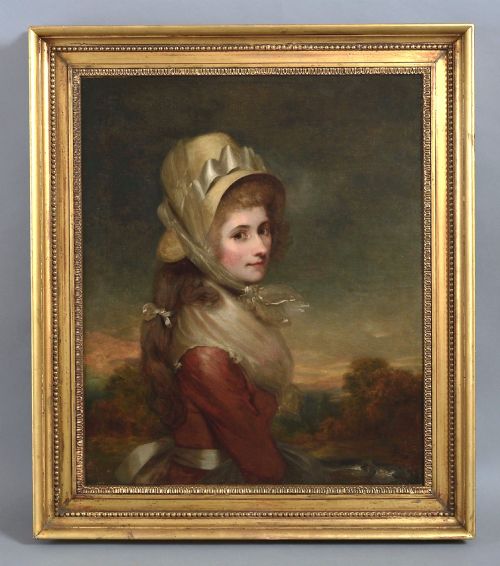
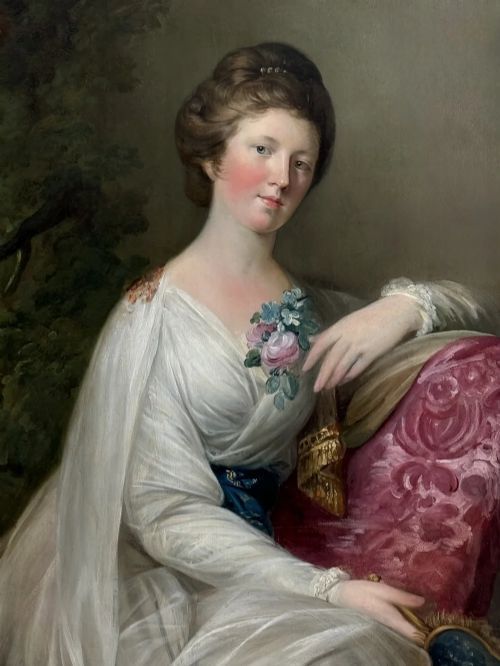
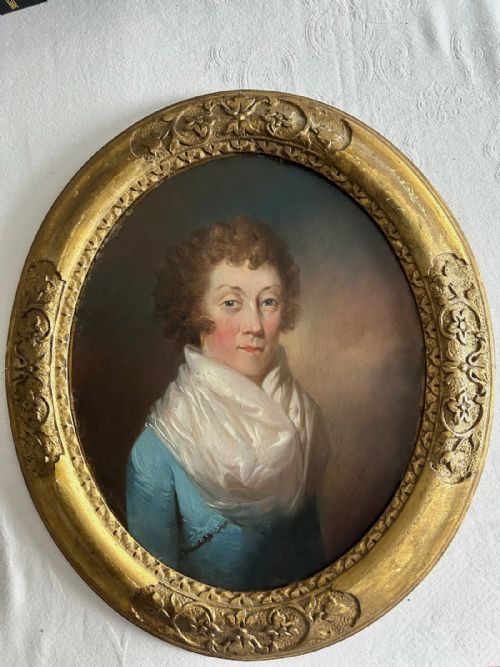
When you search for a georgian lady painting, you enter a world of oil on canvas and delicate miniature watercolours that capture eighteenth and nineteenth-century sitters.
Georgian Lady Painting
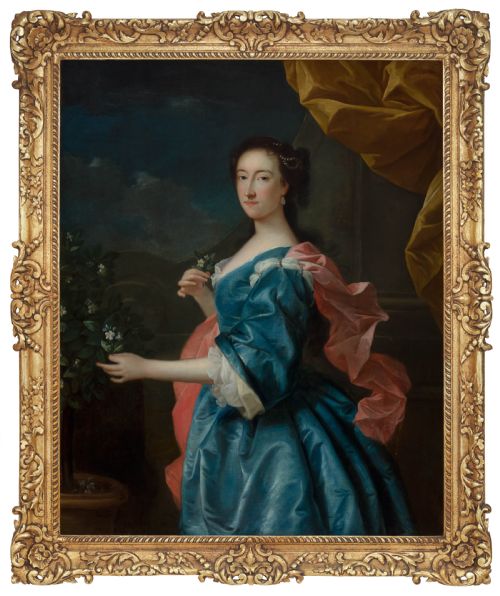
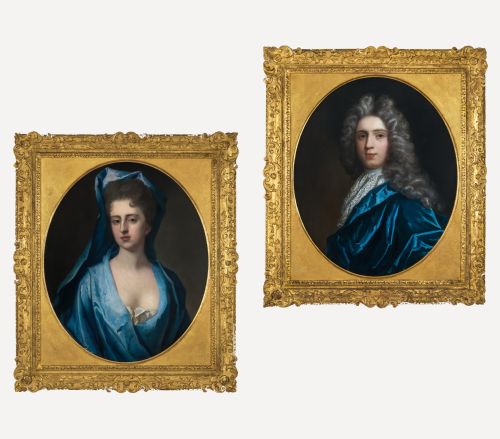
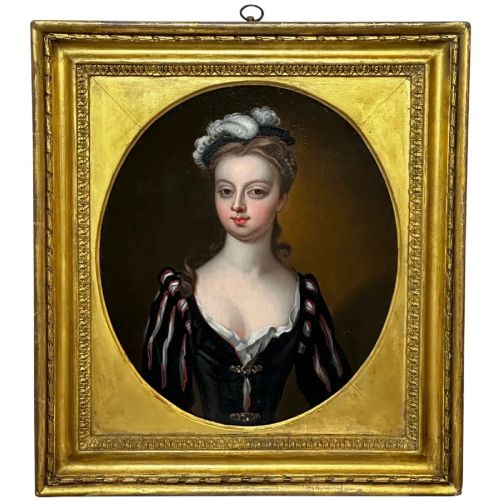
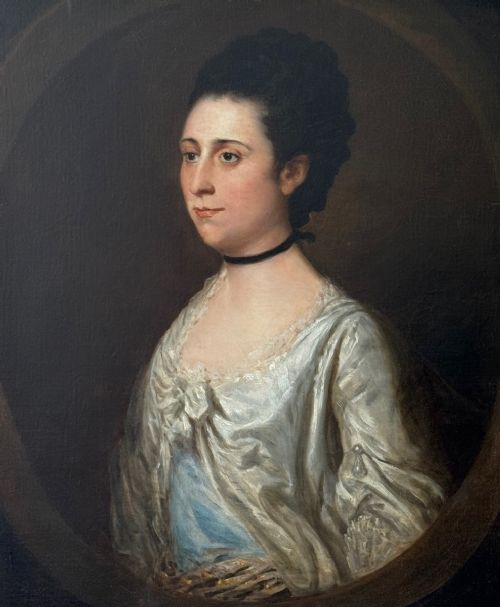
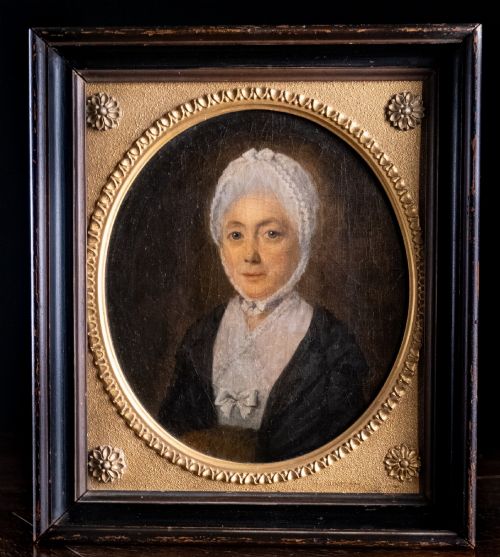
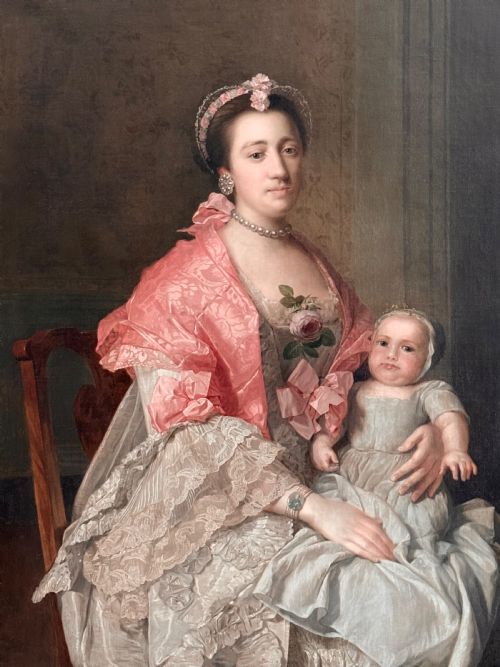
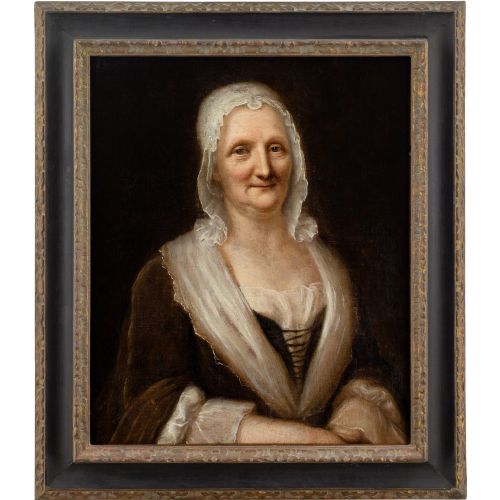
A georgian lady painting brings historical portraiture into a modern interior, predominantly taking the form of oil on canvas or delicate paper works from the eighteenth and nineteenth centuries.
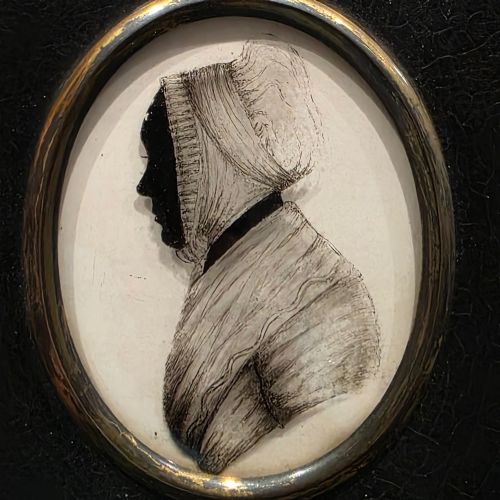
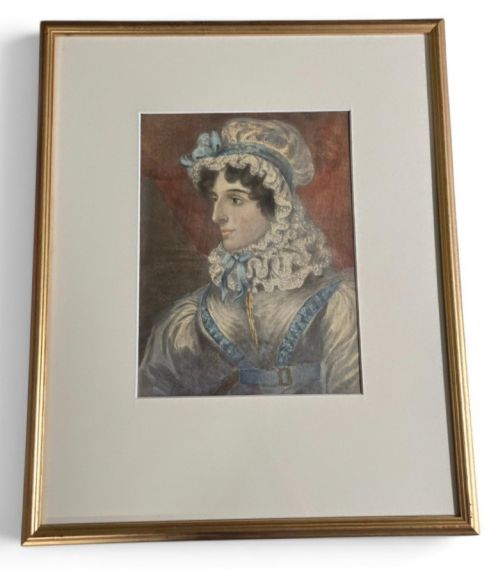
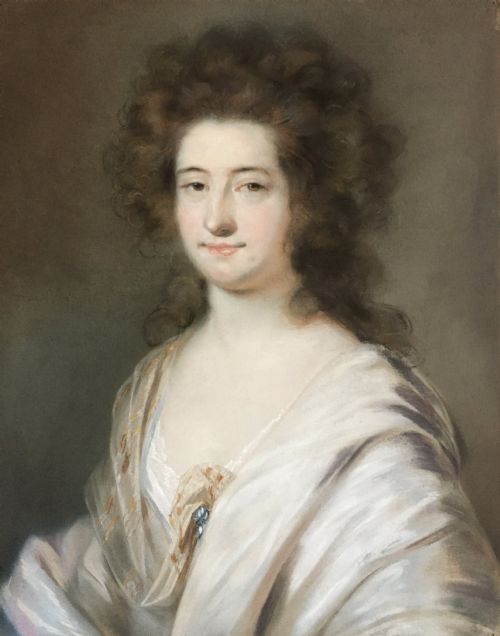
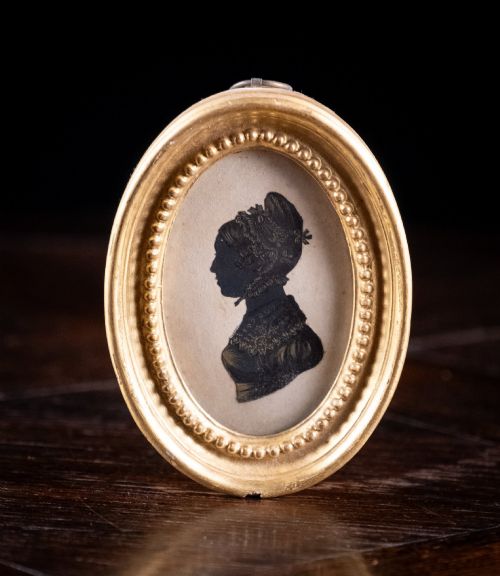
You are most likely to encounter oil portraits depicting named or anonymous sitters alongside profile silhouettes, miniatures, and pastel works framed in wood or giltwood.
The selections span British Baroque, Regency, and Neoclassical idioms, often presenting sitters in formal attire or landscape settings typical of the period.
How they were made
Artists applied oil paint to stretched canvas or prepared panels, frequently building depth through layered glazes and detailed brushwork for garments and lace.
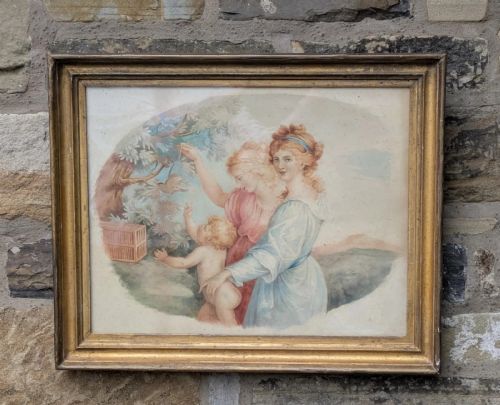
Watercolour, gouache, and pastel were employed on paper or vellum, occasionally protected beneath glass within ebonised or gilded frames.
Silhouettes utilised reverse painting techniques on glass or delicate cutting and shading on paper to capture the profile of the sitter.
Listings feature works spanning the seventeenth century through to the Edwardian era, rendered in oil, watercolour, and pastel.
What varies in quality
The skill of the hand defines the upper tier, where anatomical precision, lifelike skin tones, and expressive eyes distinguish professional studio output from provincial copies.
Conservation history and original framing significantly influence the integrity of a piece, with untouched painted surfaces and period giltwood frames commanding greater appreciation.
The distinction between a named artist's documented studio and an anonymous follower of a style creates a natural hierarchy within portraiture.
Sir Godfrey Kneller·Sir Martin Archer Shee·George Willison·Jeremiah Davison·Michael Dahl·Thomas Murray·John Russell·John Vanderbank·Thomas Beach·Sir Allan Ramsay·Richard Cosway·Adriana Verelst·Henry Pickering·Thomas Gainsborough·James Maubert·Joseph Highmore·William Shuter
The Georgian Lady Painting Glossary
- Giltwood
- Wood carved and coated with gold leaf or gold paint, frequently used for traditional picture frames during the eighteenth and nineteenth centuries.
- Grisaille
- A painting executed entirely in shades of grey or neutral monochrome, often used to emulate sculpture or create preliminary portrait studies.
- Pastel
- A medium consisting of powdered pigment mixed with a binder and pressed into sticks, valued for its soft texture and blended colour transitions on paper.
- Miniature
- A small-scale portrait, often painted on ivory, vellum, or card, designed for intimate viewing or portable display.
- Provenance
- The documented history of ownership of an antique, establishing its authenticity and lineage back to its origin.
Georgian Lady Painting: Frequently Asked Questions
How do I date a portrait?
Dating relies on the sitter's costume, hairstyle, and framing materials, combined with any visible inscriptions or signatures on the canvas or reverse.
Comparison with documented works by contemporary artists helps narrow the decade of creation.
Were these painted from life?
Many formal portraits were commissioned from life during sitters' visits to an artist's studio, requiring multiple sittings for the face and hands.
Posthumous copies and idealised studies also exist within the broader category of period portraiture.
How should I hang them at home?
These works suit traditional living spaces or studies, hung at eye level away from direct sunlight to protect pigments and paper.
Pairing smaller miniatures or silhouettes in a grouped gallery arrangement creates a strong visual focal point.
What is the difference between an oil and a pastel?
Oils utilise suspended pigments in drying oils on canvas or panel, offering durability and rich, buildable depth.
Pastels use dry chalk-like pigments on paper that require protective glazing to prevent smudging over time.