
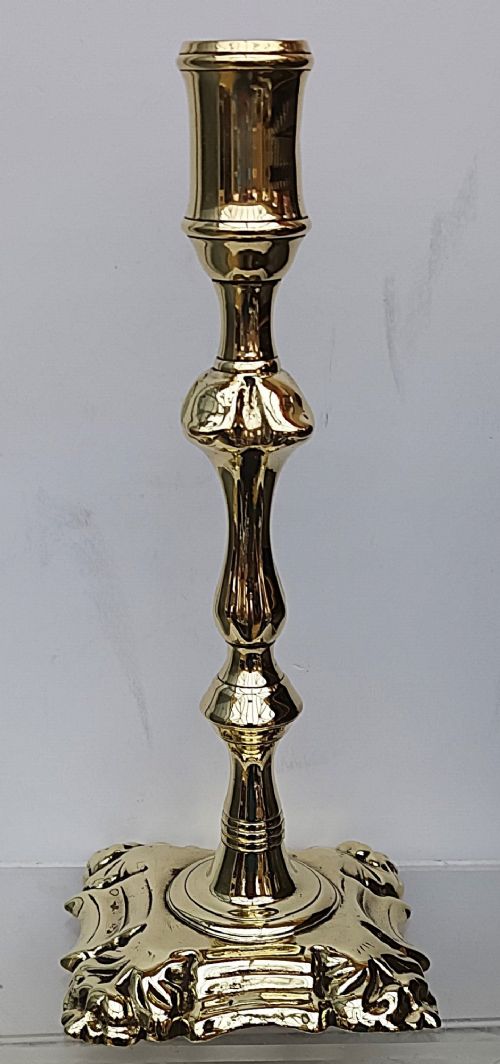


Georgian Knopped Candle Holders
Georgian knopped candle holders bring heavy brass columns and early domestic light into a room with genuine 18th-century presence.
Georgian Knopped Candle Holders
When you search for georgian knopped candle holders, you are looking at domestic lighting hardware designed to hold tallow candles upright on tables and mantelpieces. The pieces seen here span the eighteenth and nineteenth centuries, alongside later revival interpretations in sterling silver and silver plate.
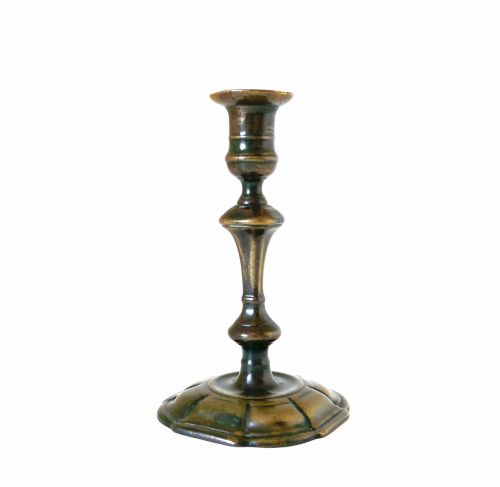
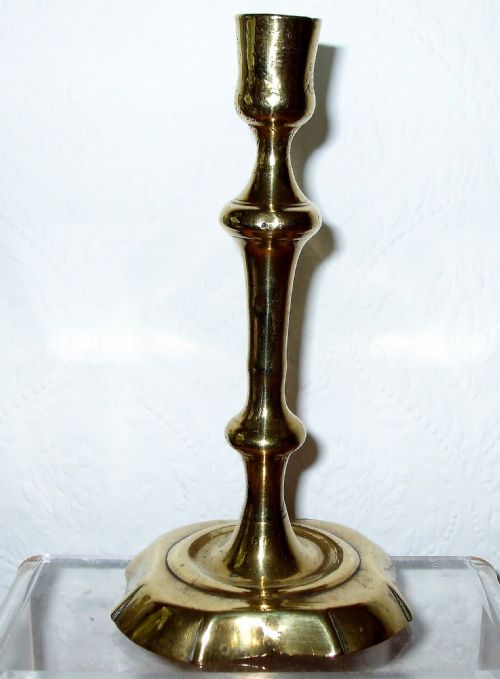
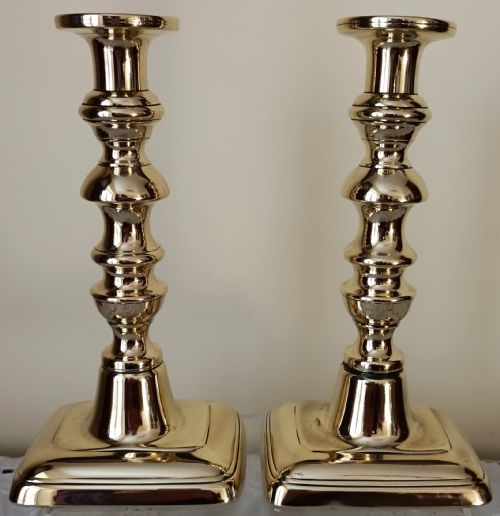
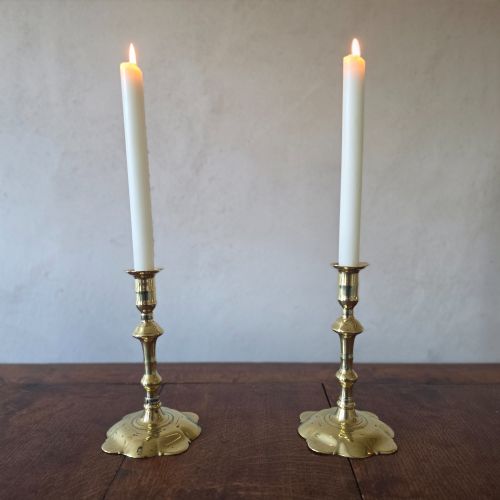
The form relies on cast brass columns featuring characteristic raised nodes, or knops, set above stepped or square bases. You are most likely to meet heavy brass pairs dating from the mid-eighteenth century, constructed with solid proportions and patinated surfaces.
The selection also includes later nineteenth-century examples and twentieth-century silver-plated candelabra referencing earlier George I and Georgian styles. Each piece demonstrates the functional weight and turned construction expected from period lighting equipment.
How they were made
The construction of these holders relies primarily on cast brass, shaped through metalworking techniques that produce thick-walled sockets and substantial bases. Metal components are cast in sections before being turned on a lathe and joined to form the finished column.
Later variants incorporate sterling silver or silver plate over base metals like EPNS, reflecting the industrial shifts of the nineteenth and twentieth centuries. The surface finishes range from bright plated silver to dark patinated brass developed through centuries of handling.
Materials across this selection span solid cast brass, sterling silver, silver plate, and EPNS, reflecting production dates from the eighteenth century into the twentieth.
What varies in quality
The distinction between average examples and the finest pieces lies in the crispness of the turning and the weight of the casting. Superior pieces display sharply defined knops and heavy, balanced bases that sit flat without wobble.
Surface preservation also separates the range, where untouched patinated brass outlasts over-polished metal that has lost its original casting texture. Maker marks on silver-plated and sterling variants provide further distinction for the serious collector.
J.T. & Co
The Georgian Knopped Candle Holders Glossary
- Knop
- A protruding, rounded knob or swelling on the stem of a candlestick. This decorative and structural feature helps break up the vertical line of the column.
- Candlestick
- A portable device designed to hold a single candle in a socket. Most period examples feature a removable drip pan or nozzle at the top.
- Candelabra
- A branched lighting fixture holding multiple candles simultaneously. These larger pieces often accommodate two or more lights on a central stem.
- Patina
- The surface sheen and colour acquired by brass and silver through age and use. This natural oxidation provides a visual indicator of authenticity.
- EPNS
- Electroplated nickel silver, a common base metal for silver-plated items produced from the nineteenth century onwards. It offers the appearance of solid silver at a different weight.
Georgian Knopped Candle Holders: Frequently Asked Questions
How do I clean brass candle holders?
Maintenance should be minimal to preserve the natural patina built up over centuries. Avoid harsh abrasive cleaners that strip the historic surface.
Dust gently with a soft dry cloth. Leave patinated dark surfaces untouched if you value the age marks.
How do I date an 18th-century candlestick?
Dating relies on examining the casting methods, base construction, and column profile. Eighteenth-century brass pieces often feature heavy multi-component assemblies.
Revival pieces from later centuries mimic these early forms but typically reveal different casting seams and finishing marks upon close inspection.
What is the difference between brass and silver plate?
Solid brass forms the standard material for early eighteenth-century lighting. It offers structural weight and a dark golden hue.
Silver plate and sterling silver appear in later nineteenth and twentieth-century pieces. These reflect changing dining table fashions toward bright reflective metals.