


Georgian Keepsake Box
A georgian keepsake box holds small treasures and personal items, bringing refined craft and tactile history directly into a modern room.
Georgian Keepsake Box
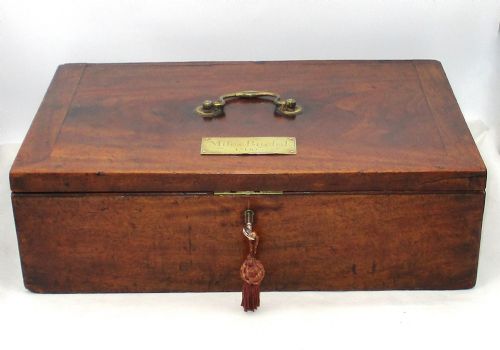
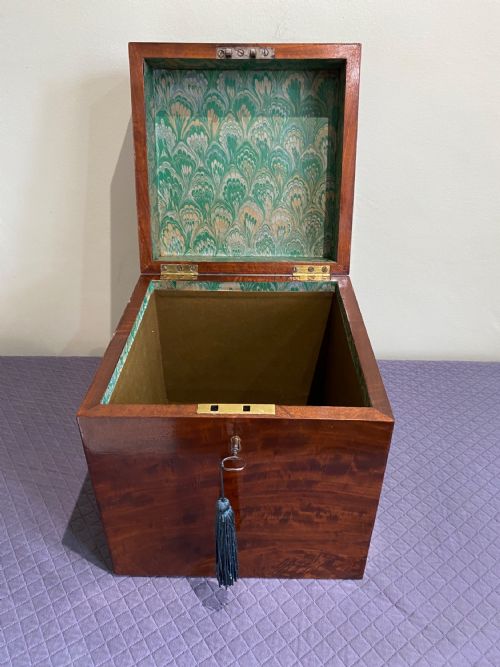
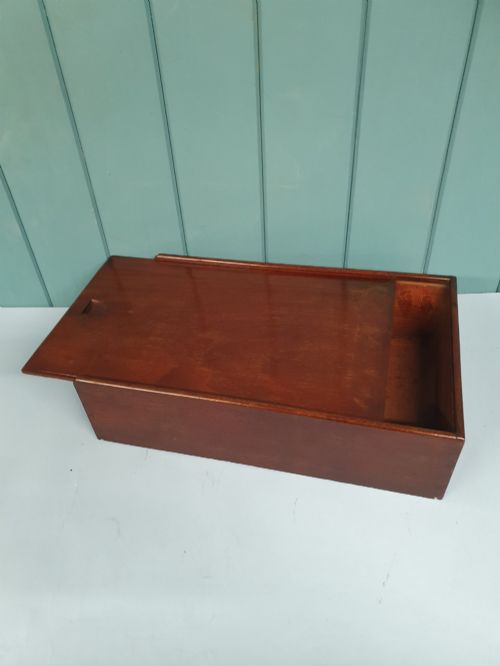
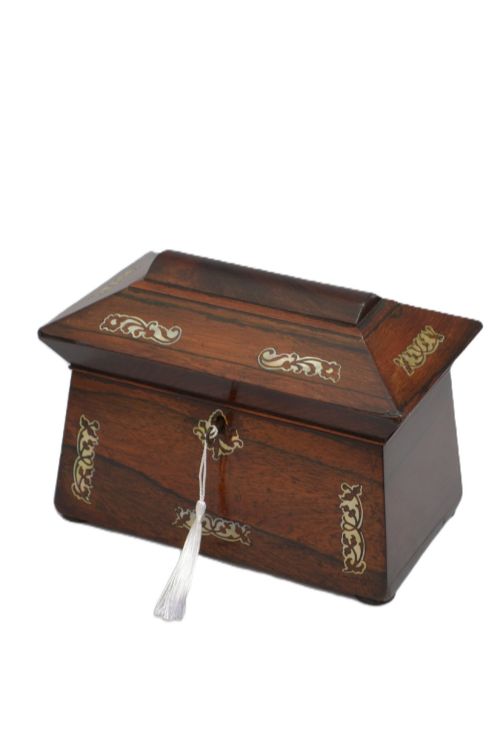
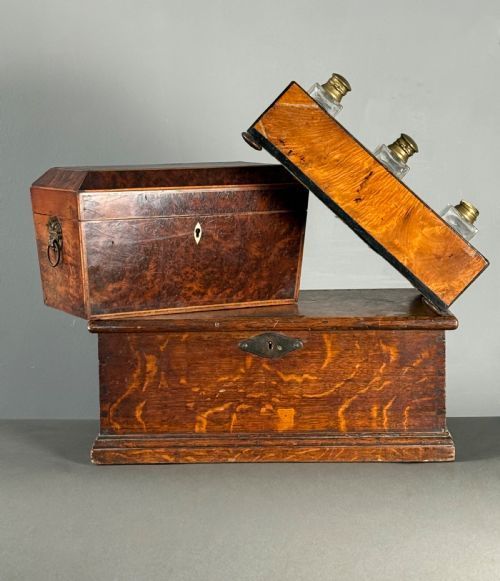
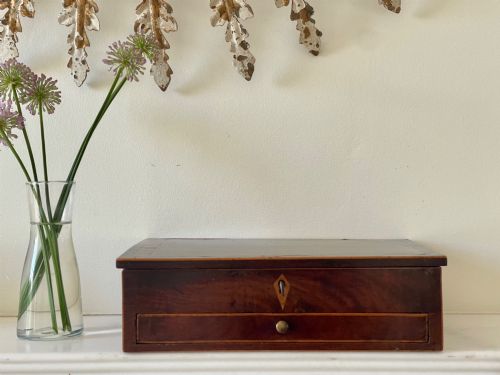
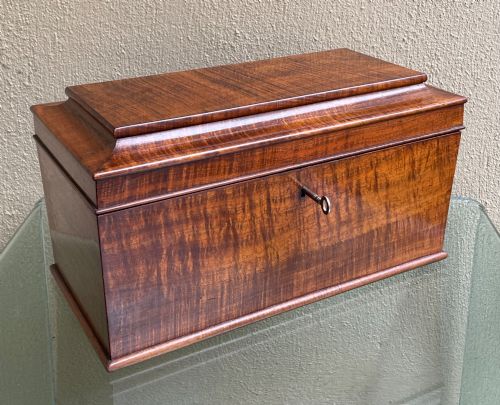
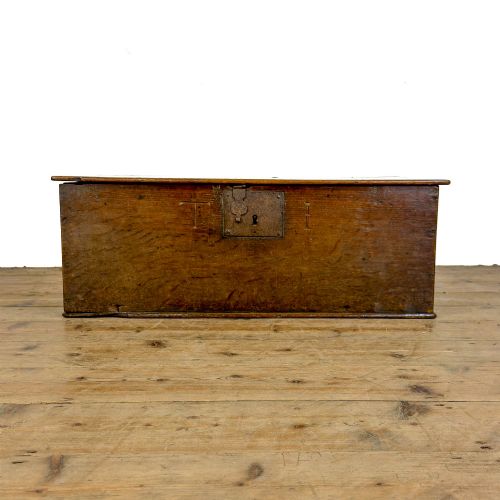
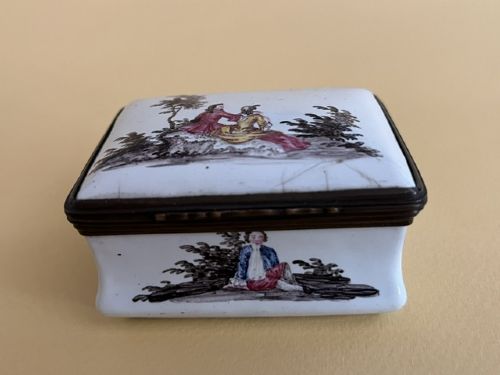
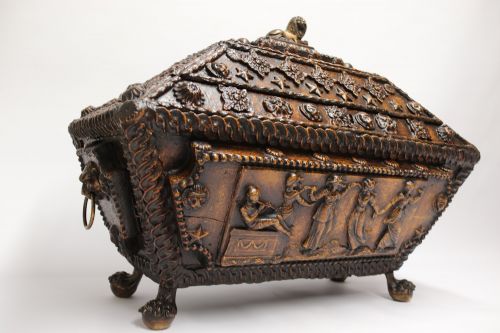
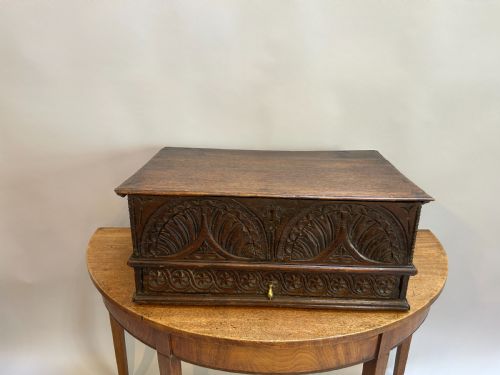
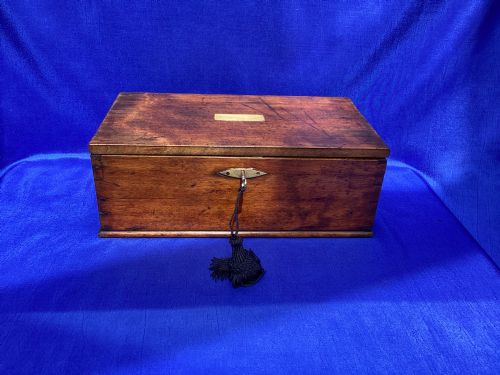
A georgian keepsake box appears in many forms across this selection, ranging from tea caddies and jewellery cases to document chests and bible boxes. These pieces originate primarily from the eighteenth and early nineteenth centuries, covering the Georgian and Regency periods.
Makers constructed these storage containers out of necessity for domestic organisation, utilising timber, leather, and metal to safeguard letters, trinkets, and valuables. Buyers frequently encounter mahogany and rosewood variants alongside specialised items decorated with enamel or brass.
The assortment spans utilitarian deed storage and ornate tabletop caskets, reflecting the diverse daily requirements of period households. Regional pieces such as Welsh country boxes sit alongside refined urban examples.
Materials and Construction
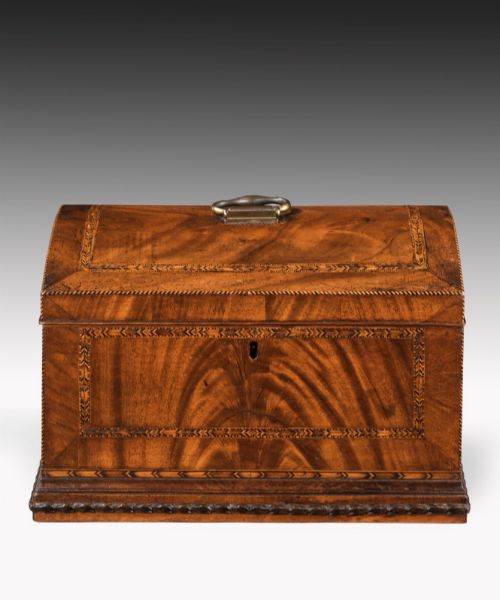
Cabinetmakers built these containers using dense hardwoods like mahogany, oak, walnut, and rosewood, often selecting figured veneers such as flame mahogany or burr yew for decorative impact. Secondary woods provided structural stability inside the carcass while exterior surfaces received careful polishing.
Metalwork played a crucial role in construction, with brass hinges, locks, and handles securing the lids and drawers. Artisans also incorporated bone, mother of pearl, and leather bindings to finish specialised caskets and sewing boxes.
Enamel and lacquer surface treatments appear on smaller pieces like patch boxes and chinoiserie items, demonstrating specialised painting and firing techniques. Gesso decoration and penwork provided further surface ornamentation on select Regency caskets.
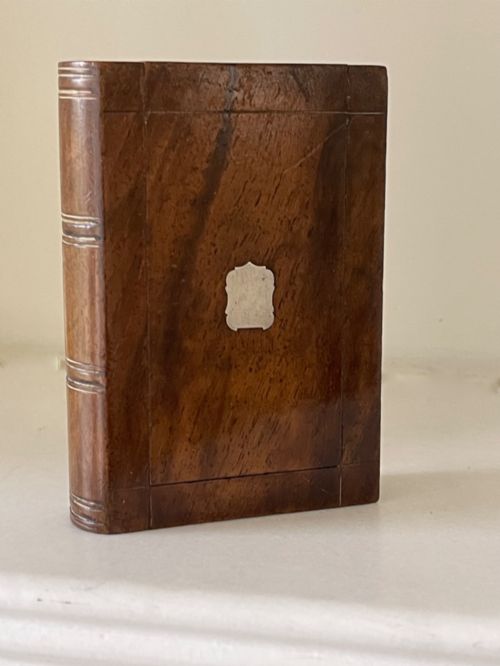
Book-shaped boxes allowed readers to hide personal letters and snuff in plain sight on library shelves.
Craft and Character
Quality in a georgian keepsake box rests on the choice of timber and the precision of the cabinetwork, where finely figured veneers and tight joinery separate standard items from superior productions. The integration of original brass hardware and working locks adds substantial merit to a surviving piece.
Preservation of original surface finishes and interior linings dictates the standing of an example within its type. Pieces that retain their fitted compartments or delicate painted details demonstrate greater original intention and care.
Holtzapffel and Co·Joseph Ash
The Georgian Keepsake Box Glossary
- Tea caddy
- A container designed to store loose tea leaves securely under lock and key. These boxes often feature internal compartments or mixing bowls.
- Vinaigrette
- A small metal box containing a perforated grille, used to hold a sponge soaked in aromatic vinegar. Victorians and Georgians carried these for freshening the air.
- Penwork
- A decorative technique utilising ink drawings on a prepared wood surface, often finished with varnish. Brighton chain pier boxes frequently display this detailed linear decoration.
- Patch box
- A small enamel or metal container used to hold cosmetic beauty patches. These delicate trinket boxes frequently feature mirror-lined lids and inscribed mottoes.
Georgian Keepsake Box: Frequently Asked Questions
What were georgian keepsake boxes used for?
These boxes stored precious personal effects, ranging from letters and documents to jewellery, tea, and sewing tools.
Owners kept their most valued possessions secure inside locked compartments within the main body of the box.
How do I date a georgian keepsake box?
Dating relies on identifying timber choices, construction techniques, and hardware styles characteristic of the eighteenth and early nineteenth centuries.
Later Regency pieces often showcase exotic veneers and brass inlay, while earlier Georgian items favour solid mahogany or oak.
How should I care for antique wood?
Keep wooden boxes away from direct sunlight and fluctuating heat sources to prevent timber from drying and splitting.
Regular dusting with a dry cloth maintains the polished surface without damaging the historic finish.
What is the difference between a tea caddy and a document box?
Tea caddies feature internal lidded canisters or foil-lined compartments specifically shaped to preserve dry tea leaves.
Document boxes provide open internal space designed to hold flat papers, deeds, and letters.