



Georgian Intaglio Seal
A georgian intaglio seal is a pocket-sized marker of identity and taste, cut into hardstone and mounted in gold or steel to press into hot wax.
Georgian Intaglio Seal
When you search for a georgian intaglio seal, you encounter small engraved stones set into desk seals, fob pendants, and rings. These pieces date principally from the Georgian and Victorian eras, spanning the eighteenth and nineteenth centuries.
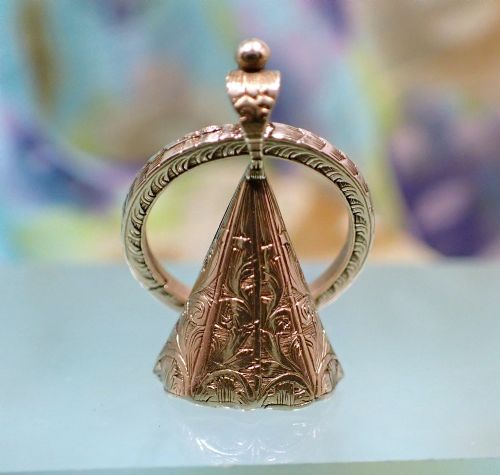
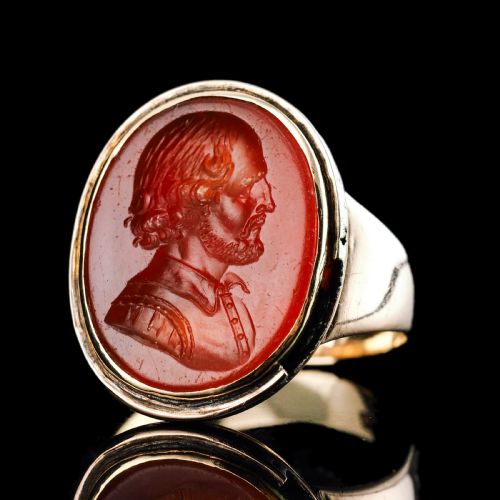
The versions most common on this page appear as fob seals and rings fashioned from gold or gilt metal. They frequently feature carved carnelian, chalcedony, or bloodstone bearing crests, initials, or classical figures.
How they were made
Goldsmiths shaped mounts in yellow gold, rose gold, silver, brass, and cut steel to hold the carved stones securely. Mounts often display ornate chased or cast details typical of Georgian and Victorian metalwork.
Lapidaries carved intaglio designs into hardstones such as carnelian, sardonyx, rock crystal, and chalcedony using small rotary drills. This negative carving ensures that the wax impression yields a sharp, raised positive image.
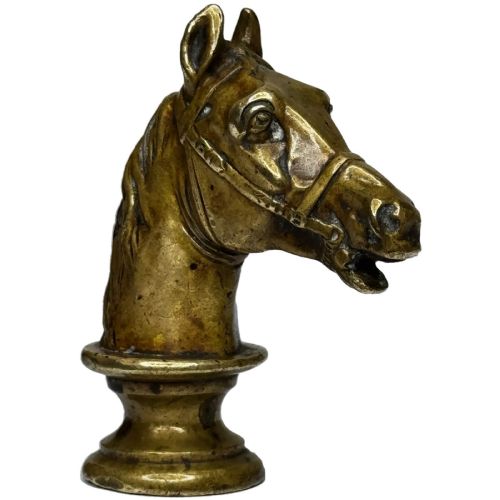
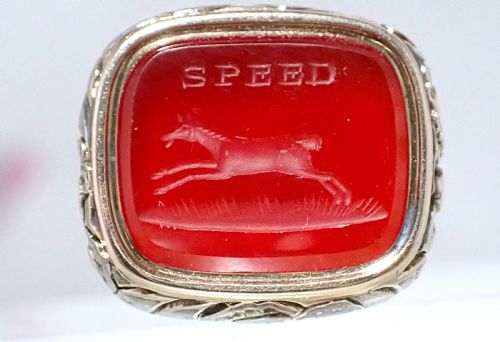
One stubborn nineteenth-century seal insists on shouting the word SPEED alongside a carved horse, just in case the post was running late.
What varies in quality
Quality rests upon the crispness and depth of the stone engraving, where skilled hand-carving creates sharp details in miniature. Softer lines or shallow cuts indicate a less accomplished hand at the bench.
The weight and purity of the metal mount also distinguish pieces, alongside the choice of hardstone. Heavier gold settings and unblemished stones command greater appreciation than lighter gilt metals or fractured minerals.
The Georgian Intaglio Seal Glossary
- Intaglio
- A design carved into the surface of a gemstone so that the impression produced in wax is in relief. This technique was widely utilised for personal signets and seals.
- Fob
- A short chain or ribbon with an attached ornament, such as a seal, that hung from a pocket watch. Many seals found today retain their original suspension loops.
- Hardstone
- A semi-precious gemstone such as carnelian, agate, chalcedony, or sardonyx used by lapidaries for carving. These minerals offered the durability required for repeated stamping into hot wax.
- Armorial
- Relating to heraldry, displaying a coat of arms or family crest. Seals bearing armorials were used to authenticate correspondence and legal documents.
- Cased gold
- A method where a thick layer of gold is bonded to a base metal core. This technique provided the appearance and wear of solid gold at a different cost.
Georgian Intaglio Seal: Frequently Asked Questions
What is a georgian intaglio seal used for?
These pieces served primarily to stamp hot sealing wax on letters and documents to close them securely and verify the sender's identity. The carved design functioned as a personal signature.
Today, collectors wear them as pendants on chains or display them on desks as small sculptural objects. They continue to function as seals if pressed into wax.
How do I wear a fob seal?
Fob seals work well suspended from a short chain around the neck as a pendant or charm. They hang securely from standard jump rings attached to their original loops.
Alternatively, you can attach them to a pocket watch chain or a heavy waistcoat chain in the traditional manner. Their substantial weight keeps them hanging straight.
How do I care for my seal?
Clean the hardstone gently with warm soapy water and a soft brush to remove old wax residue from the intaglio grooves. Avoid harsh chemical dips that might damage softer stones or discolour the metal.
Store the piece separately in a lined box to prevent the hardstone from scratching against other jewellery. Gold and steel mounts benefit from occasional wiping with a soft cloth.
Are the initials on the seal meaningful?
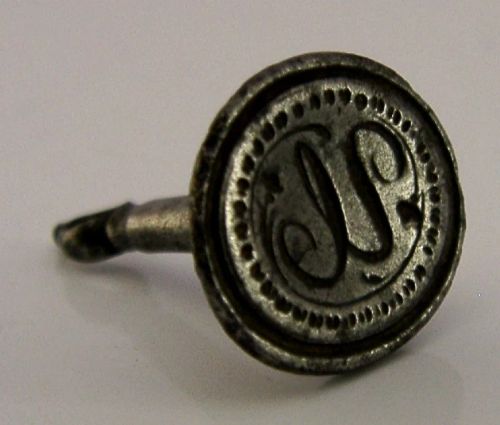
Many seals feature engraved initials or monograms chosen by the original owner to mark personal correspondence. These ciphers often combine multiple letters in an artistic script.
Armorial seals display specific family crests or coats of arms linked to historical genealogy. Researching these heraldic symbols can sometimes reveal the lineage of the first owner.