




Antique Seal Pendant
An antique seal pendant hangs from a chain or ribbon, carrying centuries of personal marks and heraldry set into hard stone.
Antique Seal Pendant
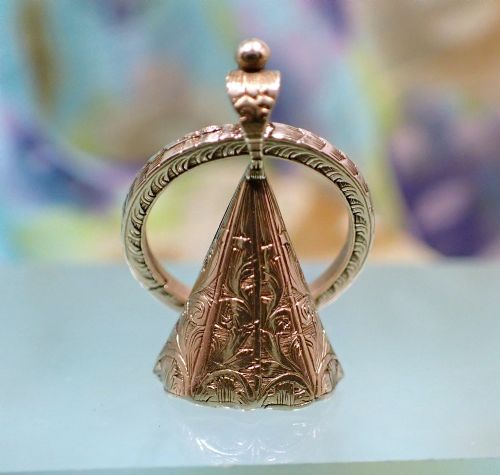
When you search for an antique seal pendant, you encounter pieces designed originally to stamp hot wax on correspondence and documents. These functional items transitioned into decorative pendants, charms and fob seals worn upon watch chains or necklets.
The pieces you meet most often on this page date from the Georgian and Victorian eras, alongside Edwardian examples. They take the form of swivel fobs, stationary seals and watch keys combined with intaglio stones.
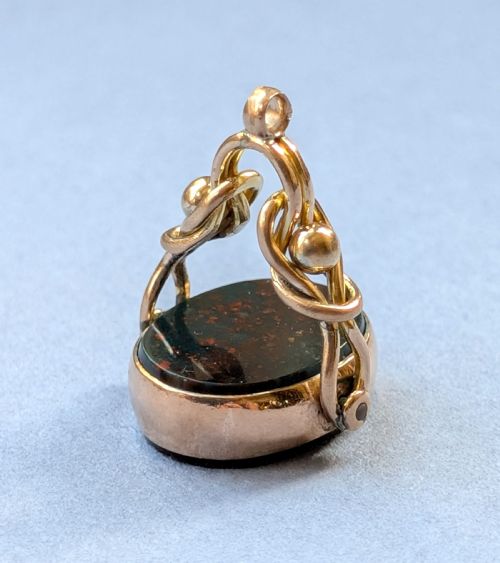
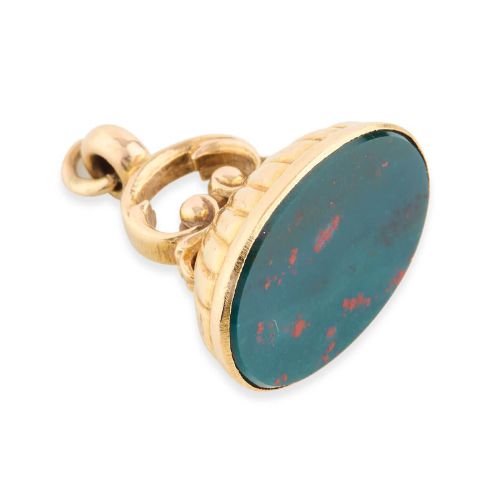
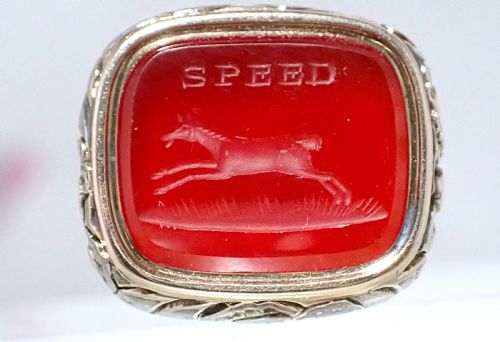
Makers fashioned these objects in gold, gilt metal and silver, mounting carved stones such as carnelian, bloodstone, agate and chalcedony. Many bear engraved initials, crests, classical figures or mottos.
Collectors find both simple gold mounts and ornate cast designs featuring lions, horses, elephants and neoclassical motifs. Each piece preserves a tangible link to personal identification and correspondence from past centuries.
Materials and construction
Goldsmiths worked in nine-carat, fifteen-carat and eighteen-carat gold, alongside silver and gilt metal casings. They cast, chased and engraved metal mounts to form ornate bezels, scrolls and swivel frames.
Lapidaries shaped natural stones including carnelian, bloodstone, agate, chalcedony, sardonyx, amethyst, citrine and rock crystal into tablets and pyramids. They polished these minerals to a smooth finish before cutting intaglio designs directly into the stone face.
Listings span multiple eras from mid-eighteenth century Georgian examples to early twentieth century Edwardian pieces, utilising carnelian, bloodstone, agate and gold.
Standard and execution
Quality rests upon the crispness of the stone engraving and the depth of the intaglio relief. Sharp details on figures, crests and lettering separate superior carvings from worn or soft impressions.
The weight and integrity of the metalwork distinguish finer pieces. Solid gold mounts with intricate chased decoration or ornate animal figures demonstrate superior craftsmanship compared to lightweight or hollow casings.
The Antique Seal Pendant Glossary
- Intaglio
- A design carved into a gemstone so that a raised impression is left when pressed into sealing wax. This technique reverses the image, ensuring the stamped result reads correctly.
- Carnelian
- A reddish-orange variety of chalcedony frequently used for intaglio seals. It provides a striking contrast against gold mounts.
- Fob seal
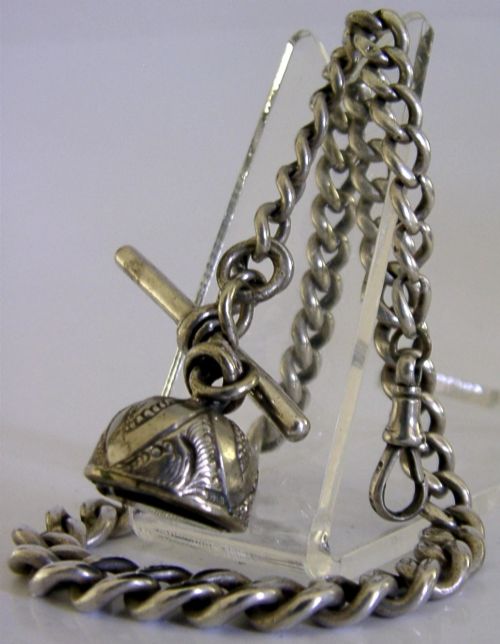
- A small seal pendant suspended from a pocket watch chain. Owners used them to stamp letters before the widespread adoption of envelopes.
- Swivel fob
- A seal mounted on a central axis that rotates to display different stones or a blank shield on reverse sides. This mechanism allowed multiple ciphers or initials on a single pendant.
- Bloodstone
- A dark green jasper flecked with red spots of iron oxide. It was a preferred stone for Georgian and Victorian signet seals.
Antique Seal Pendant: Frequently Asked Questions
What is an antique seal pendant?
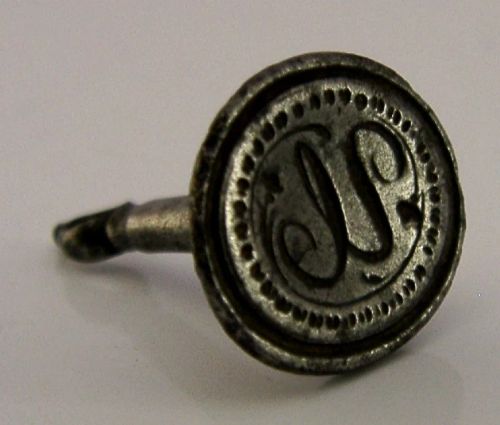
An antique seal pendant is a small decorative piece featuring a hardstone matrix engraved with a crest, initial or motif. Originally utilised for impressing hot sealing wax on letters, they survived as personal ornaments.
Today collectors wear them as charms or pendants on chains. They bridge the gap between functional Victorian stationery tools and wearable jewellery.
How do I date a seal pendant?
Dating relies on the metal hallmarks, mount styles and the cutting style of the intaglio stone. Georgian pieces often display heavy Neoclassical influences or simple gold casings, while Victorian examples introduce ornate cast animal motifs.
Examining the type of gold, such as nine-carat or fifteen-carat, alongside accompanying watch chains helps narrow the decade. Engraved dates on the stone or metal mount occasionally provide exact confirmation.
What stones are used in seals?
Common stones include carnelian, bloodstone, agate, chalcedony, sardonyx, amethyst and citrine. Lapidaries chose these hard minerals because they resisted wear during repeated pressing into hot wax.
Translucent stones like rock crystal and coloured glass pastes also appear in Georgian and Victorian mounts. Each material offered a distinct colour and texture for the engraved intaglio.
How were seal pendants worn?
Owners attached these seals to pocket watch chains, waistcoat fobs or ribbons during the eighteenth and nineteenth centuries. The seal hung alongside watch keys and coins as a mark of status and utility.
Modern wearers adapt them as necklace pendants on gold chains. Their small scale and detailed metalwork make them versatile charms for daily wear.