

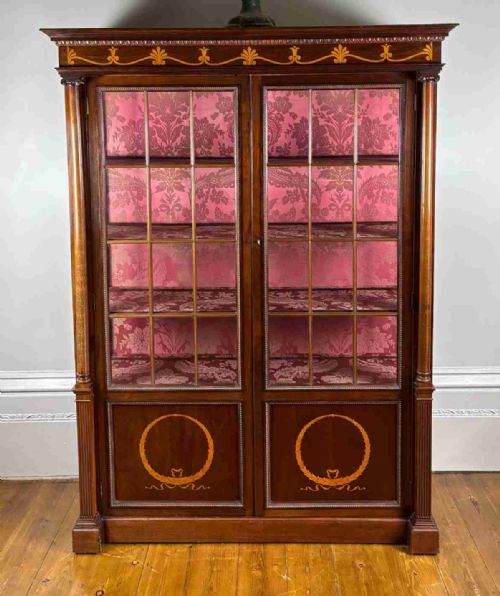
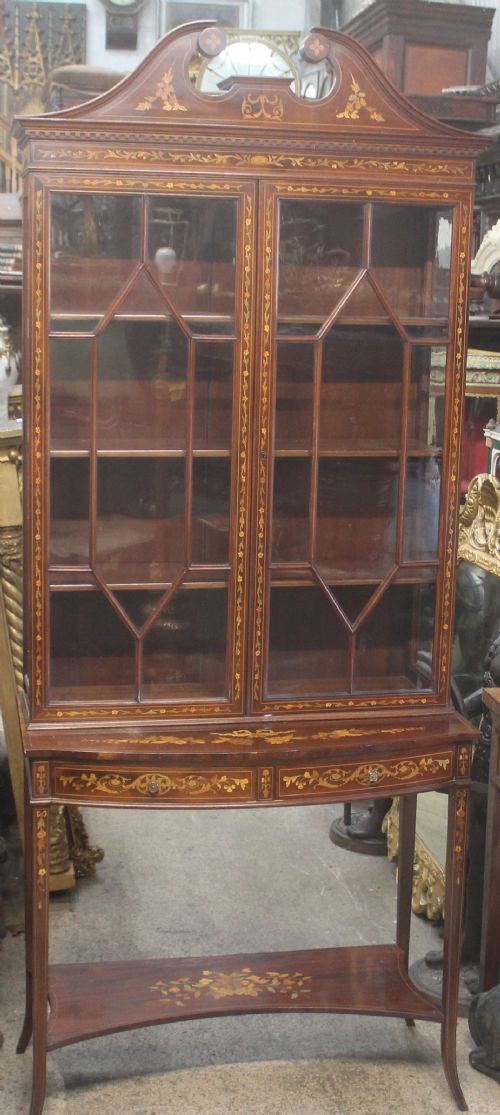
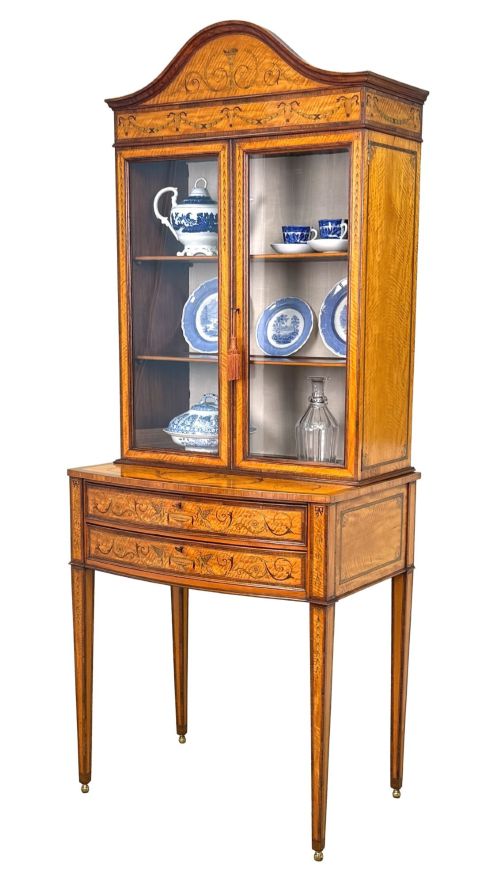
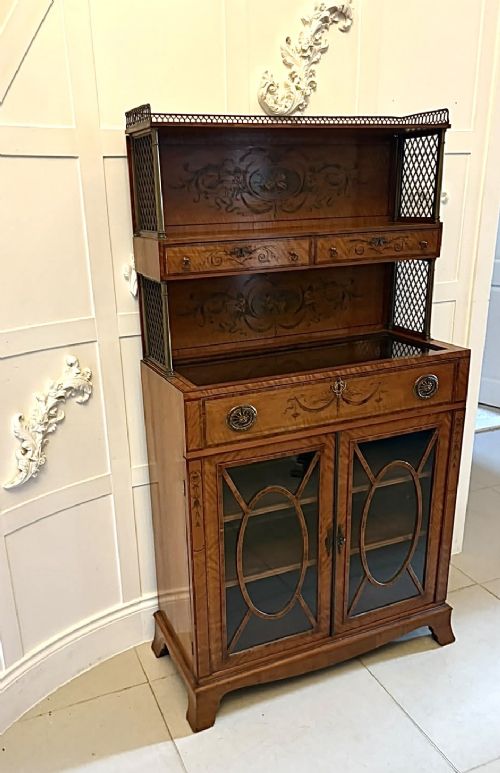





Georgian Inlaid Vitrine
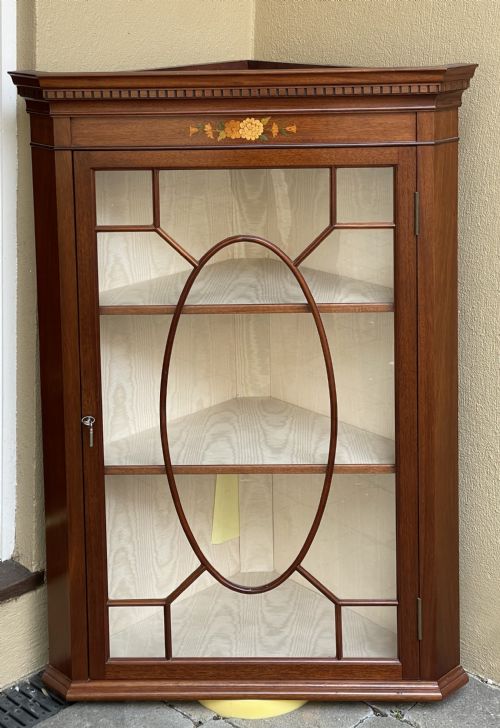
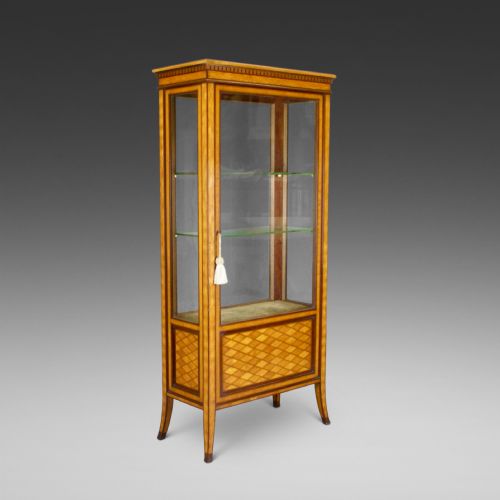
A georgian inlaid vitrine brings refined glazed display to a room, using fine timbers and delicate marquetry to showcase prized possessions.
Georgian Inlaid Vitrine
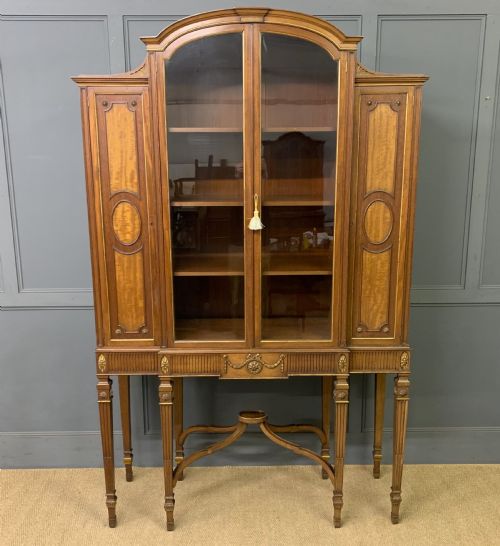
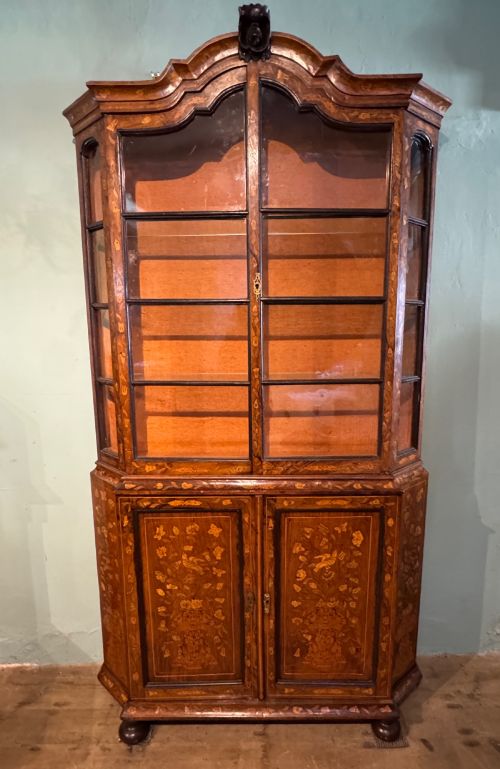
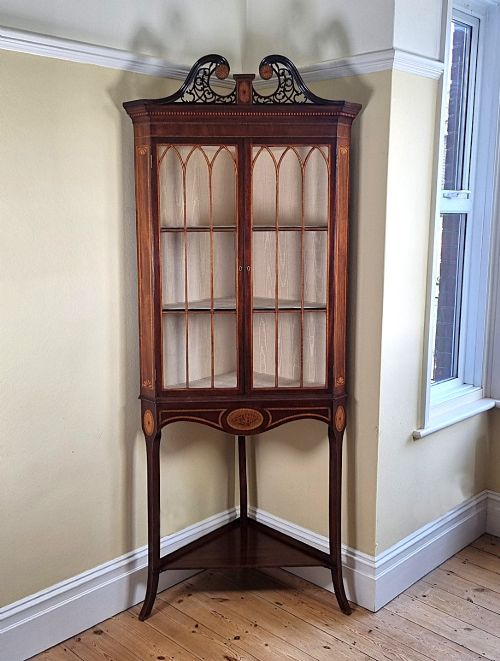
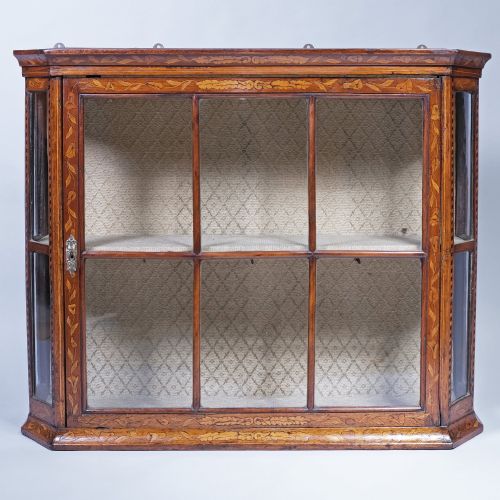
A georgian inlaid vitrine encompasses display cabinets, corner cabinets, wall cabinets, and display tables designed to exhibit precious objects behind glass. When searching for a georgian inlaid vitrine, buyers encounter pieces spanning eighteenth-century origins through to Edwardian and later revivals.
Materials and construction
Cabinet makers utilised dense hardwoods such as mahogany and walnut for structural integrity, applying contrasting satinwood and fruitwood veneers for decorative impact. Brass hardware provides functional mounts, while glazed doors and panels protect contents from dust.
Inlay and marquetry techniques involve precise cutting of various timber veneers to create floral, geometric, or neoclassical motifs across the surface. Cabinets incorporate glass panels within timber frames, supported occasionally by claw feet, stands, or bracket bases.
Georgian Inlaid Vitrine Retail Price Guide 2026
Typical asking prices for georgian inlaid vitrine among the pieces listed under this phrase on Sellingantiques today, from the lower quarter to the upper quarter. They describe what is for sale here now, not the wider market.
Claw feet anchor several mahogany cabinets, giving stationary furniture a surprisingly spirited stance on the floor.
Factors separating quality tiers
Quality reveals itself in the crispness of the marquetry work and the choice of timber veneers, where finer grain and tighter figuring elevate a piece. The integration of structural elements, from glazing bars to joinery, determines the overall refinement.
Proportion and stylistic cohesion distinguish superior examples, particularly in revival pieces that emulate eighteenth-century precedents. The clarity of the glass, the precision of brass fittings, and the stability of stands or corner mountings further separate the tiers.
Edwards & Roberts·Waring and Gillow
The Georgian Inlaid Vitrine Glossary
- Vitrine
- A glass-fronted cabinet designed specifically for the display of curiosities, porcelain, and fine objects. These pieces utilise transparent panels to allow viewing from multiple angles.
- Marquetry
- An elaborate decorative technique of applying thin veneer pieces to a structural surface to form pictorial or geometric patterns. Makers use varied coloured woods to achieve tonal contrast.
- Satinwood
- A luminous, hard timber native to Ceylon and India, prized for its yellow-gold colour and satiny sheen. It frequently appears as a contrasting veneer in stringing and panel inlay.
- Bombé
- A swelling, outward-curving furniture profile seen on certain continental cabinet forms. This bulging contour requires advanced woodworking skill to execute cleanly.
- Bijouterie cabinet
- A specialised display table or cabinet with a glazed top and sides, created for holding small jewels and trinkets. These low-profile cases lift smaller items closer to eye level.
Georgian Inlaid Vitrine: Frequently Asked Questions
Where should a corner cabinet be placed?
Corner cabinets make efficient use of unutilised room angles, turning dead space into a focal point for display.
They sit flush against intersecting walls, drawing the eye upward while housing collections without dominating floor space.
How do display tables differ from wall cabinets?
Display tables offer a horizontal surface with glazed compartments, allowing items to be viewed from above as well as from the sides.
Wall cabinets mount directly to vertical surfaces, freeing up floor space entirely while keeping fragile objects elevated and secure.
What defines Sheraton Revival style?
Sheraton Revival furniture draws inspiration from eighteenth-century neoclassical designs, prioritising straight tapered legs and delicate proportions.
These later interpretations frequently incorporate contrasting satinwood inlay, urn motifs, and symmetrical stringing across mahogany surfaces.
How should glass cabinets be maintained?
Maintain the timber frames using appropriate wax polishes while avoiding harsh chemical cleaners on the glass panels.
Ensure interior fabric linings remain dust-free through gentle brushing, protecting delicate display items from abrasive cleaning methods.