




Sheraton Chiffonier Cabinet
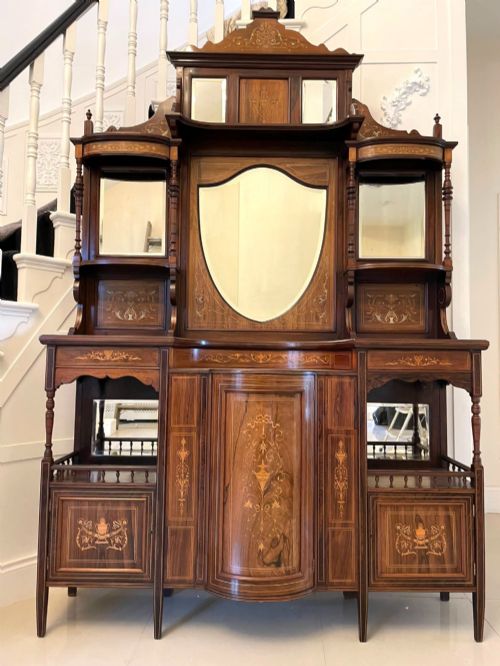
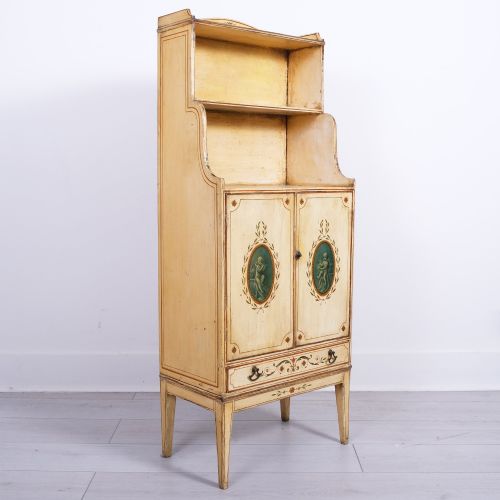
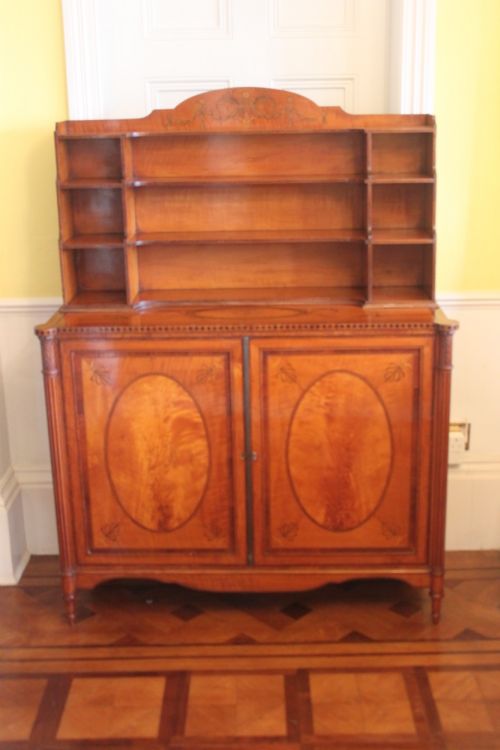
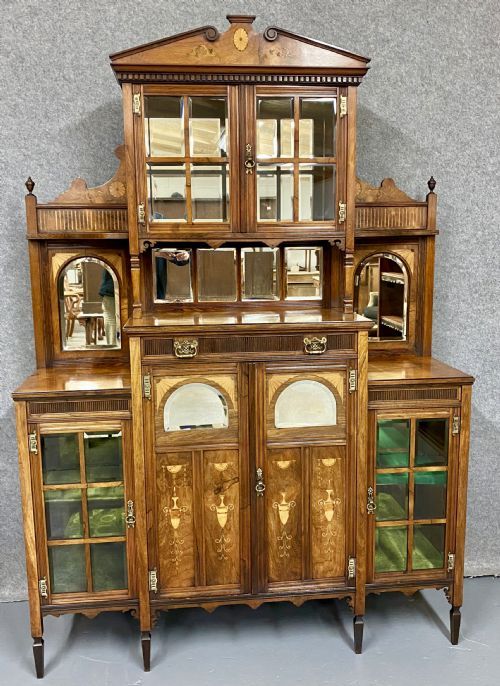
These sheraton chiffonier cabinet pieces bring refined inlaid timbers and elegant classical lines to a room.
Sheraton Chiffonier Cabinet
A sheraton chiffonier cabinet combines the functional low storage of a sideboard with refined neoclassical styling seen across Georgian, Victorian, and Edwardian periods. Buyers search for these pieces to introduce classical elegance and practical display space into a drawing room or dining room.
The pieces listed on this page predominantly feature Edwardian and Victorian interpretations of the style, alongside earlier Georgian examples. These side cabinets, display cabinets, and bookcases typically take the form of rosewood or mahogany furniture finished with delicate stringing and marquetry.
How they were made
Cabinet makers utilised dense timbers such as mahogany and rosewood as the structural base, often applying contrasting satinwood veneers and intricate inlay work. Brass hardware and glass panels complete the construction of these display cabinets and sideboards.
Surface decoration frequently involves painted details and satinwood inlay arranged in classical motifs. Artisans shaped timber into serpentine fronts and glazed door frames to balance utility with visual lightness.
Cabinet makers occasionally hid secret writing drawers inside these sideboards for clandestine correspondence.
What varies in quality
The finesse of the satinwood inlay and painted decoration distinguishes finer examples from standard production. Crispness in the botanical or classical motifs and the precision of the timber matching across the doors indicate higher workshop standards.
Selection of denser rosewood and mahogany timbers paired with original brass fittings elevates a piece. The fluidity of the serpentine shaping and the integrity of the glass panels determine the overall standing of the cabinet.
Edwards and Roberts·Gillows
The Sheraton Chiffonier Cabinet Glossary
- Sheraton
- A neoclassical design style drawing on the late eighteenth-century pattern books associated with Thomas Sheraton, characterised by straight tapered legs and delicate marquetry. This aesthetic inspired numerous revival pieces in later decades.
- Chiffonier
- A low sideboard or cabinet featuring shelves or enclosed storage, developed during the regency period for the display of china and books. It serves as a versatile alternative to taller bookcases.
- Marquetry
- The art of forming decorative patterns on woodwork by fitting together small pieces of coloured veneer. Artisans use contrasting timbers like satinwood and mahogany to create floral or geometric scenes.
- Serpentine front
- A curved furniture front featuring a convex centre flanked by concave wings. This technique requires considerable skill from the cabinet maker to execute smoothly.
- Satinwood
- A durable tropical timber with a lustrous golden yellow sheen used extensively for veneers and inlay work. It provides a bright contrast against darker woods like rosewood.
Sheraton Chiffonier Cabinet: Frequently Asked Questions
What is a sheraton chiffonier cabinet?
A sheraton chiffonier cabinet is a low storage and display piece characterised by neoclassical inlay, straight tapered legs, and refined timber veneers.
These cabinets bridge the gap between functional sideboards and decorative display furniture, originating in the Georgian era and inspiring later Victorian and Edwardian revivals.
How do I date a sheraton chiffonier cabinet?
Dating relies on examining the underlying timber, the style of the inlay, and construction methods. Georgian originals display distinct hand-cut joins and eighteenth-century proportions, whereas Victorian and Edwardian revival pieces often use denser rosewood and machine-finished secondary woods.
Design motifs also shift over time, with Edwardian interpretations tending toward lighter satinwood panels and profuse stringing compared to their earlier counterparts.
Where should I place a sheraton chiffonier cabinet?
These cabinets suit drawing rooms, dining spaces, or hallways where their display surfaces and glazed doors can be appreciated. Their relatively shallow depth allows them to sit comfortably against walls without dominating the floor area.
Keeping them away from direct sunlight protects delicate satinwood veneers and painted decorations from fading over time.
How do I care for rosewood and satinwood?
Maintenance requires regular dusting with a soft, dry cloth and avoiding silicone-based polishes that can build up on the antique surface. Traditional wax feeds the timber and preserves the natural lustre of the veneer.
Maintaining stable room humidity prevents the timber from drying out and keeps inlay work secure within the surrounding wood.