

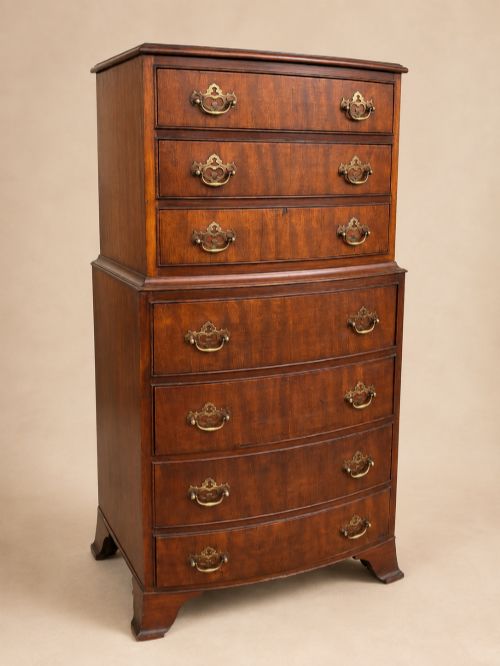
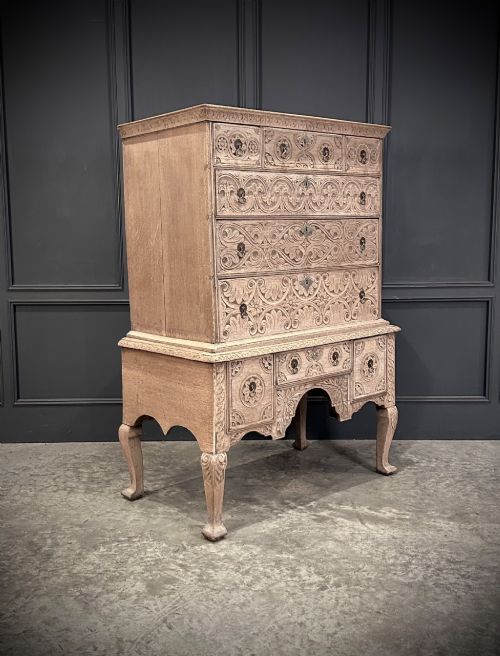
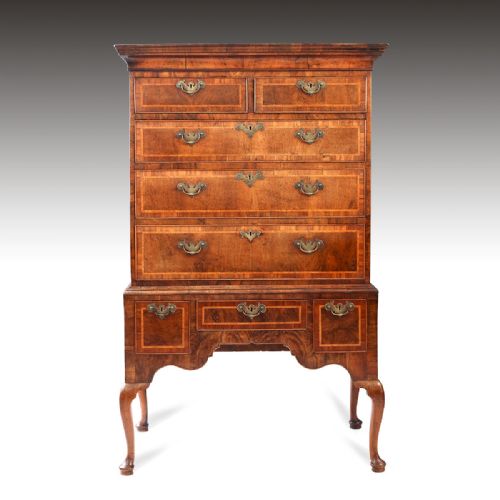
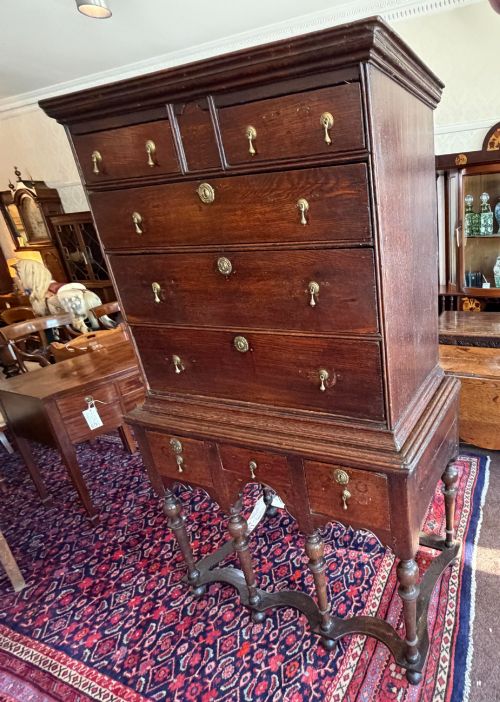
Georgian Highboy Chest
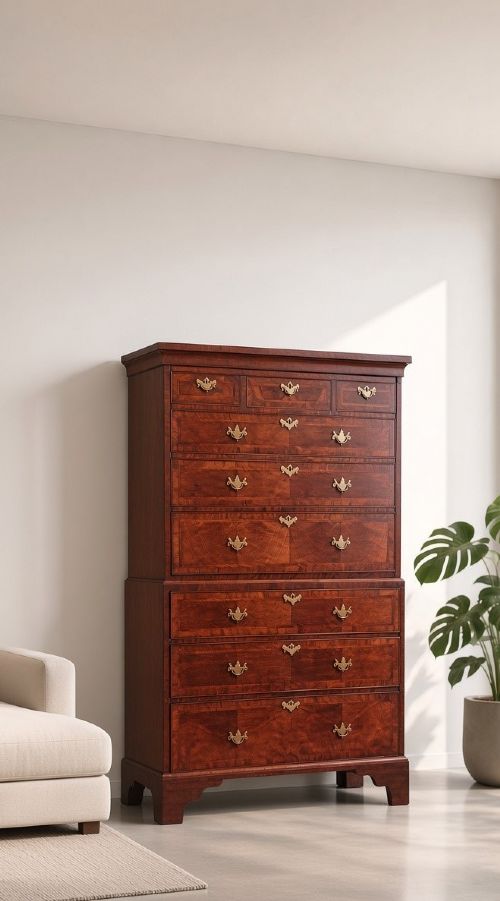
A georgian highboy chest brings towering vertical storage and layered drawer configurations into a room, offering both practical utility and architectural presence.
Georgian Highboy Chest
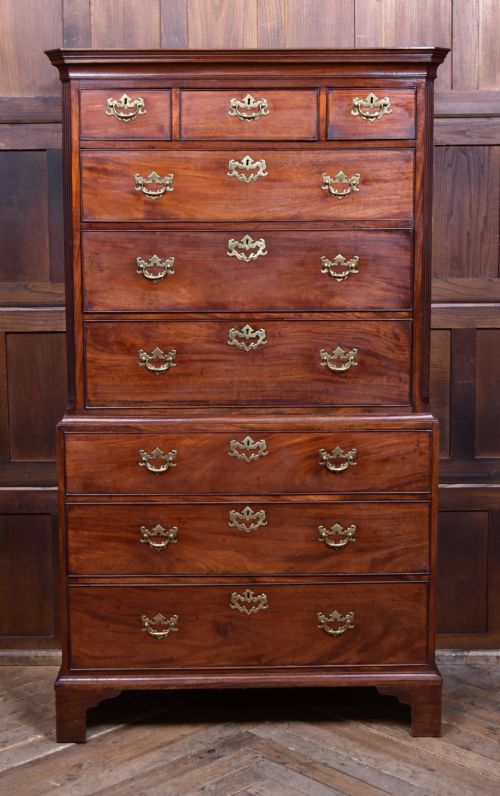
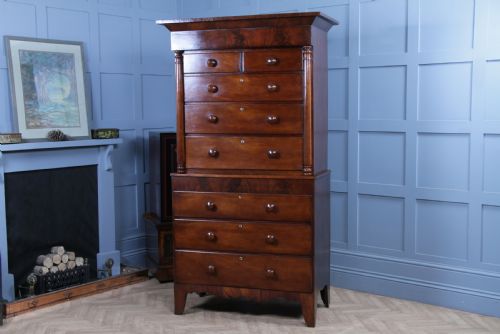
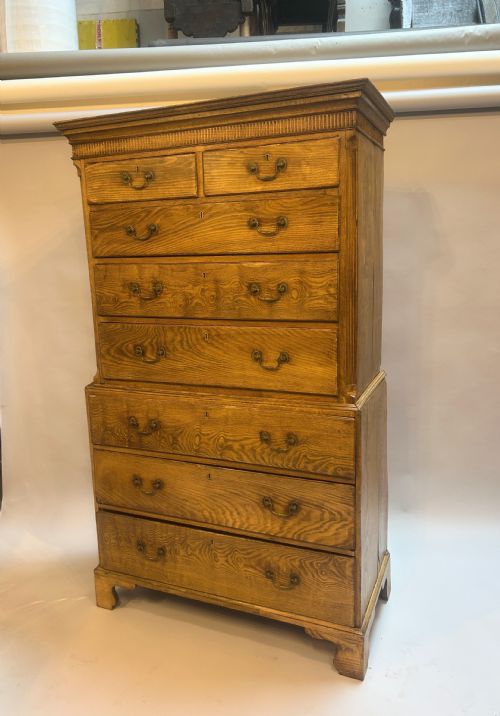
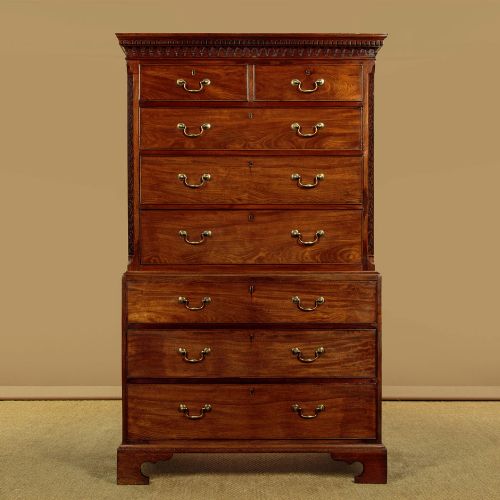
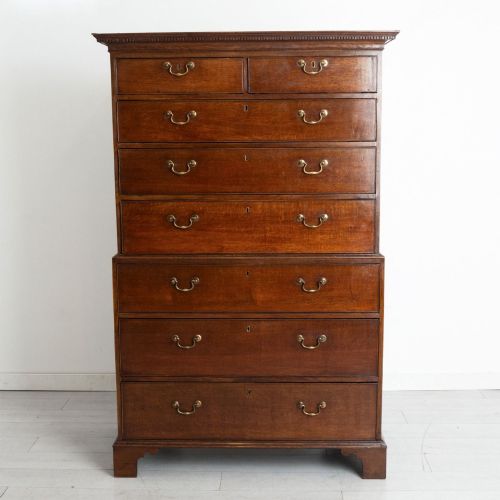
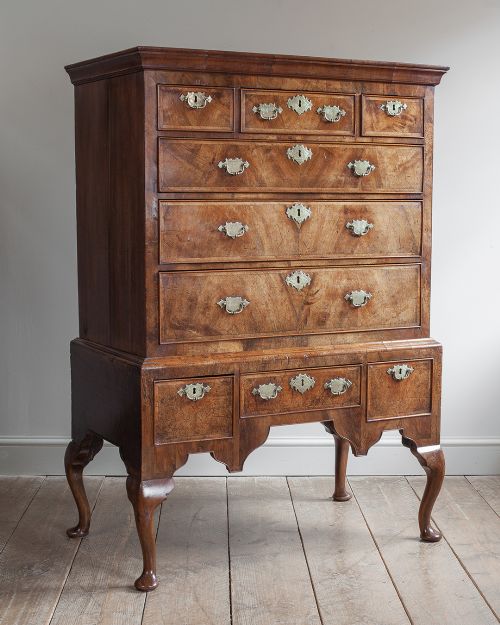
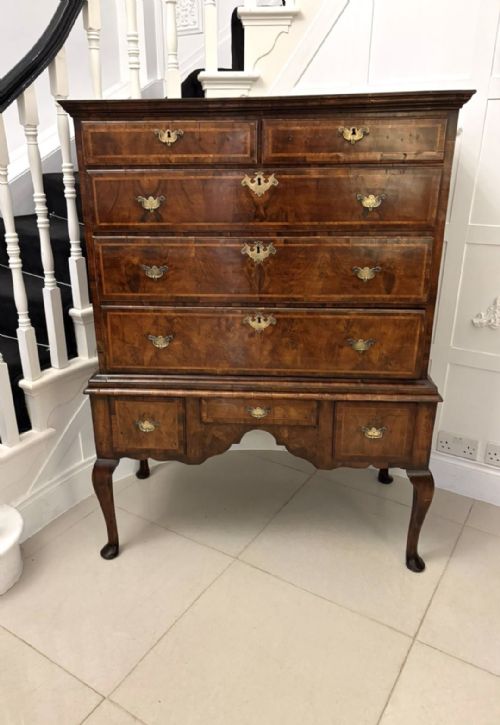
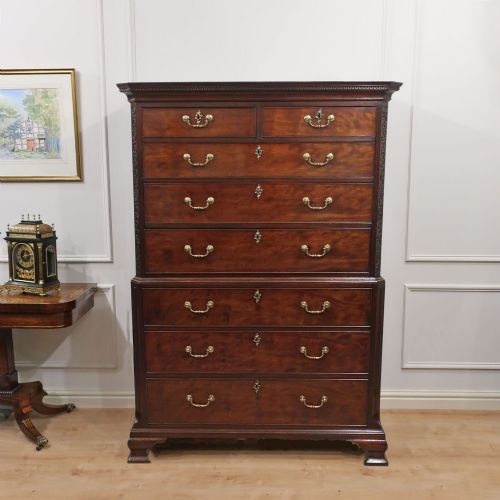
When searching for a georgian highboy chest, you are looking at substantial case furniture designed to maximise storage by stacking drawers vertically rather than horizontally. These pieces typically take the form of a chest on chest or a chest on stand, dividing the storage into an upper and lower section.
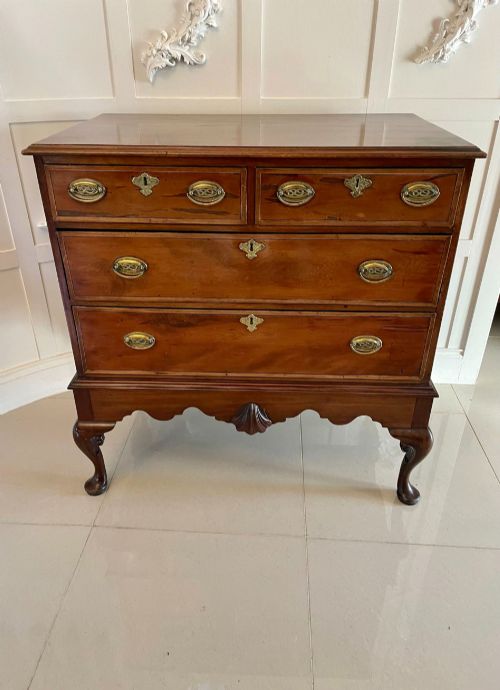
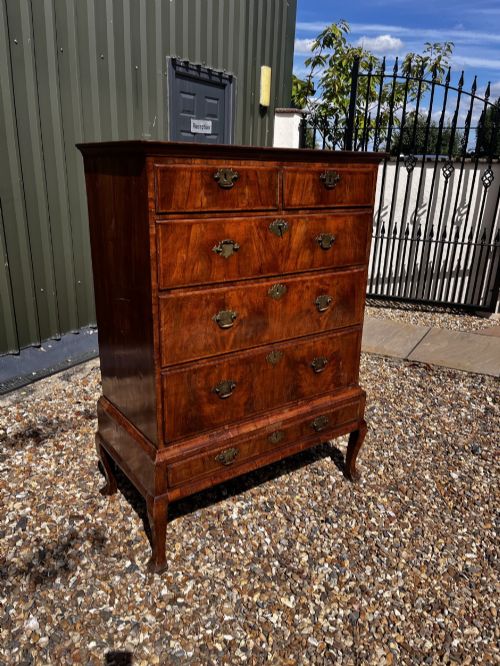
The versions you are most likely to encounter on this page span the eighteenth century and the Georgian period, alongside later revival pieces from the twentieth century. They appear in varied formats, including tallboys, secretaire variants fitted with writing drawers, and compact designs raised on legs.
How They Were Made
Cabinetmakers constructed these pieces primarily using timbers such as mahogany, oak, and walnut, frequently selecting figured veneers like burr walnut and elm to create patterned surfaces on the drawer fronts. Solid secondary woods formed the internal carcases and drawer linings.
Construction relied on traditional joinery methods to support the tall, heavy structure, while metalwork hardware such as brass handles and escutcheons secured the drawer fronts and added functional detail.
Georgian Highboy Chest Retail Price Guide 2026
Typical asking prices for georgian highboy chest among the pieces listed under this phrase on Sellingantiques today, from the lower quarter to the upper quarter. They describe what is for sale here now, not the wider market.
Listings for this phrase include examples spanning the 18th century, Georgian period, and Edwardian eras, constructed in mahogany, oak, and walnut.
What Varies in Quality
The distinction between standard examples and the finest pieces often rests on the selection and matching of timber veneers, where highly figured burr walnut or carefully aligned mahogany grain elevates the visual harmony of the facade. Proportion and the integrity of the original mouldings also define the success of the design.
Finer pieces retain their original brass handles, feet, and surface patination, whereas altered or heavily restored examples may show mismatched replacement hardware or reconstituted sections across the upper and lower halves.
The Georgian Highboy Chest Glossary
- Chest on chest
- A tall storage unit formed of two stacked sections, where a wider lower chest supports a slightly smaller upper chest.
- Chest on stand
- A cabinet or set of drawers elevated on a separate framework of legs rather than resting directly on the floor.
- Tallboy
- A traditional term used interchangeably with a tall chest of drawers or chest on chest.
- Secretaire
- A drawer fitted with a drop-front writing surface and small interior compartments for correspondence.
- Veneer
- A thin layer of finely figured wood applied over a secondary timber carcase to create a decorative exterior surface.
Georgian Highboy Chest: Frequently Asked Questions
What is the difference between a highboy and a tallboy?
A highboy traditionally refers to a chest on a tall leg stand, whereas a tallboy often describes a chest on chest design with stacked drawer sections.
Both terms describe tall vertical storage pieces developed to maximise capacity within a compact floor footprint.
How do I date an 18th century chest on chest?
Dating relies on examining the construction methods of the drawer linings, the timber choices, and the style of the bracket feet or cornices.
Earlier pieces from the Queen Anne and George I periods often feature walnut veneers, while later Georgian examples frequently utilise solid mahogany.
Where should I place a tall chest in a room?
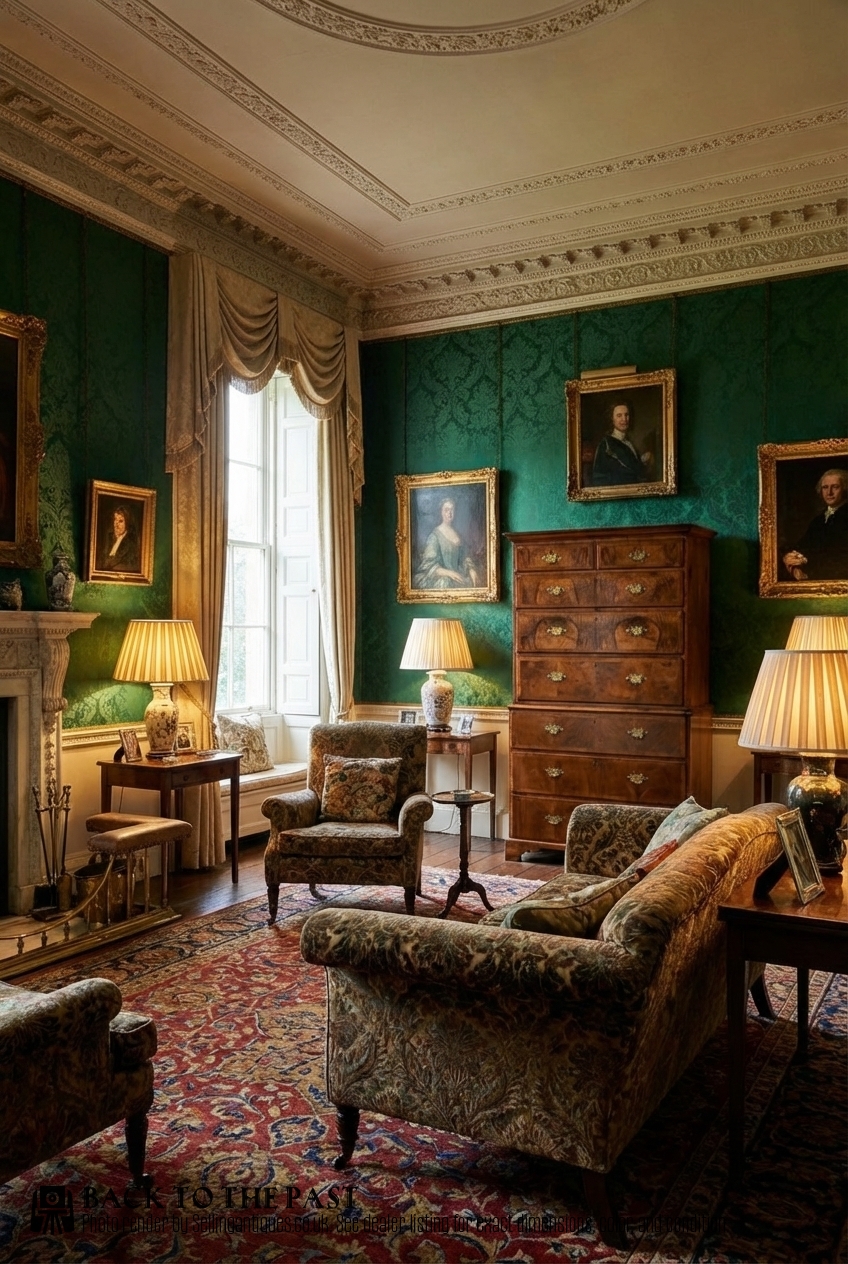
Because of their vertical height, these chests suit bedrooms, landings, or high-ceilinged reception rooms where they provide substantial storage without occupying excessive floor space.
Ensure the wall clearance allows the piece to sit securely, particularly if it incorporates a separate stand or heavy upper section.
Are all highboy chests made of solid mahogany?
Many examples combine solid structural timbers with decorative veneers applied to the drawer fronts and primary surfaces.
Walnut, burr elm, and mahogany frequently appear as veneers over softer secondary woods like oak or pine.