







Georgian Green Wine Glasses
Georgian green wine glasses bring deep forest hues and wonderful tactile weight to the table.
Georgian Green Wine Glasses
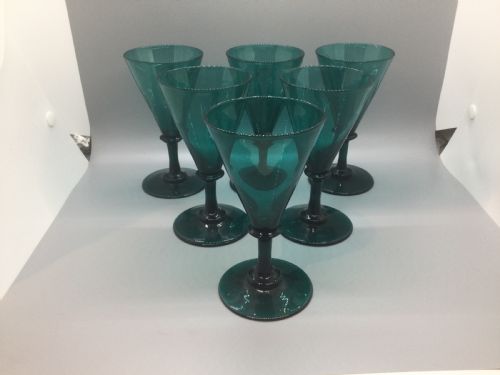
When you search for georgian green wine glasses, you are looking at drinking vessels shaped during the eighteenth and early nineteenth centuries. These items range from single dram glasses and rummers to matched sets originating from English workshops. Most examples meet the eye in deep forest or emerald tones rather than pale shades.
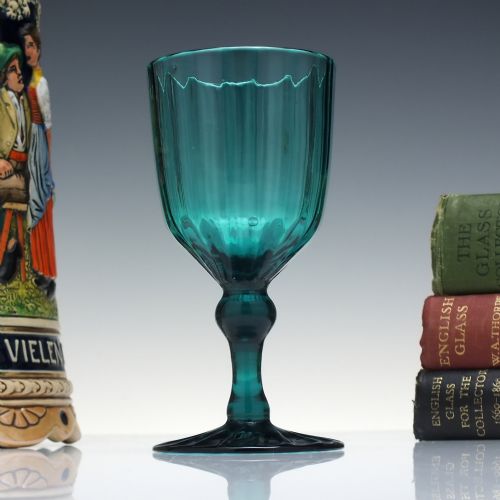
The selection commonly includes rib moulded forms alongside hollow-stemmed roemers and trumpet bowls. Sets of six appear alongside individual tavern glasses and export pieces. Each vessel carries the characteristic heft of lead glass from the period.
How they were made
Grief and skill shaped these objects through free-blowing and mould-blowing techniques using lead glass. Craftsmen added metallic oxides to the molten batch to achieve the distinct green and turquoise coloration. Pontil scars remain on the undersides where the glassblower snapped the rod after finishing the bowl and stem.
Rib moulding created tactile fluting down the sides of the bowls while hollow stems required careful manipulation of the hot metal. Artisans formed export roemers and wine glasses by joining separate blown components while the material remained pliable.
Georgian Green Wine Glasses Retail Price Guide 2026
Typical asking prices for georgian green wine glasses among the pieces listed under this phrase on Sellingantiques today, from the lower quarter to the upper quarter. They describe what is for sale here now, not the wider market.
Some eighteenth-century drinkers preferred deep green bowls because the dark tint helped conceal sediment in unfiltered table wine.
What varies in quality
The depth and saturation of the green glass separate ordinary vessels from the finest examples. Rich emerald and turquoise tones command attention alongside even wall thickness and well-balanced proportions. Superior pieces display minimal surface bubbles and clean rib moulding.
Completeness of a set elevates the standing of these drinking vessels significantly. Matched groups of six show greater consistency in height and bowl formation than assembled pairs or single items.
The Georgian Green Wine Glasses Glossary
- Rib Moulded
- Formed by blowing molten glass into a patterned dip-mould to create raised vertical ridges along the body. This technique added both grip and visual texture to the vessel.
- Roemer
- A traditional Germanic drinking vessel featuring a wide bowl and a large hollow stem wrapped with prunts or threads. English glasshouses adopted this heavy-footed form for wine and export use.
- Pontil Mark
- A rough scar left on the base of hand-blown glass where the pontil rod was attached during manufacture. Its presence confirms traditional hot-working methods.
- Lead Glass
- Heavy glass containing lead oxide that increased clarity, weight, and working time for the gaffer. Georgian drinking vessels relied heavily on this dense material.
Georgian Green Wine Glasses: Frequently Asked Questions
Are these glasses safe for daily use?
These eighteenth-century drinking vessels are generally fragile and best reserved for special occasions or display. Hand washing in lukewarm water preserves the antique lead glass.
Sudden temperature changes can crack old glass, so hot liquids and dishwashers must be avoided entirely.
How do I spot a reproduction?
Genuine Georgian items exhibit appropriate wear beneath the base around the pontil scar. Modern replicas often feel too light and lack the rich variation found in period coloured glass.
Examine the thickness of the rim and the depth of the green hue under natural light to understand the age of the material.
What is Bristol green glass?
Bristol green refers to the deep dark green shade produced by West Country glasshouses during the Georgian era. This colour became popular for wine bottles, roemers, and export glassware.
The term now describes deep forest-toned pieces from that specific manufacturing tradition.
Why are some stems hollow?
Hollow stems on roemers and wine glasses reduced the weight of heavy lead metal while maintaining a substantial appearance. This construction method was common in Germanic and English export vessels from the late eighteenth century.
The cavity connects directly to the interior of the bowl.