
Georgian Glass Glassware
Georgian glass glassware brings the weight and lively tool marks of the eighteenth and early nineteenth centuries straight to the table.
Georgian Glass Glassware
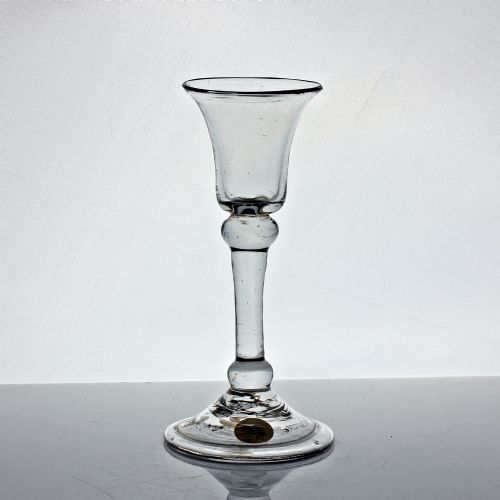
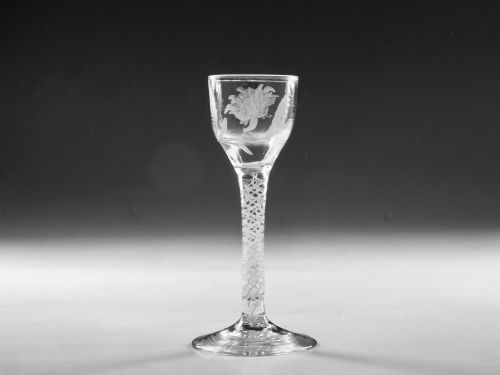
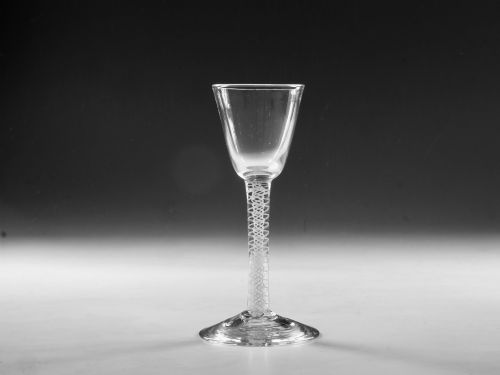
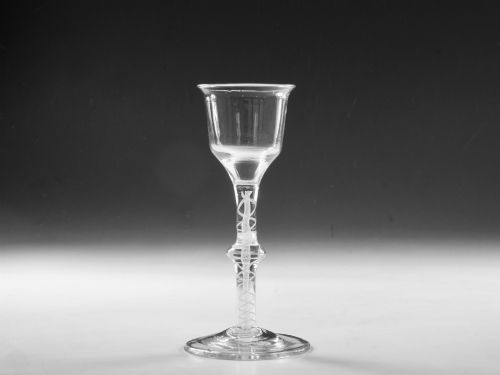
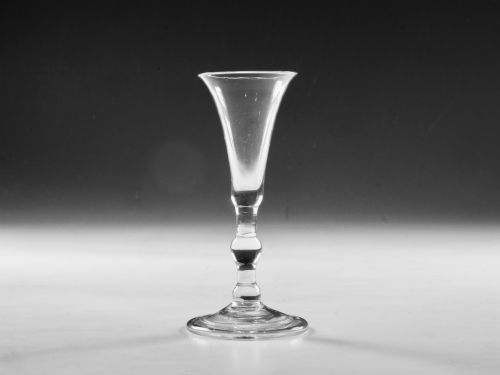
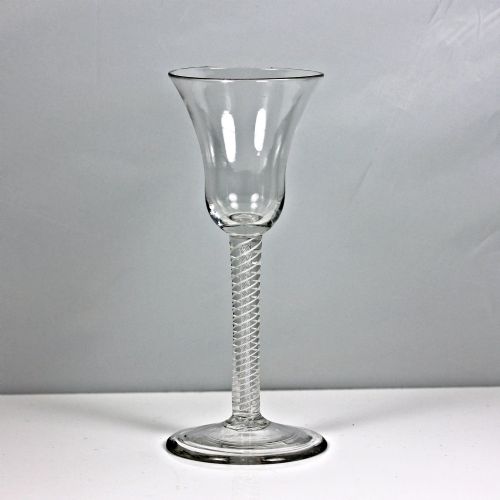
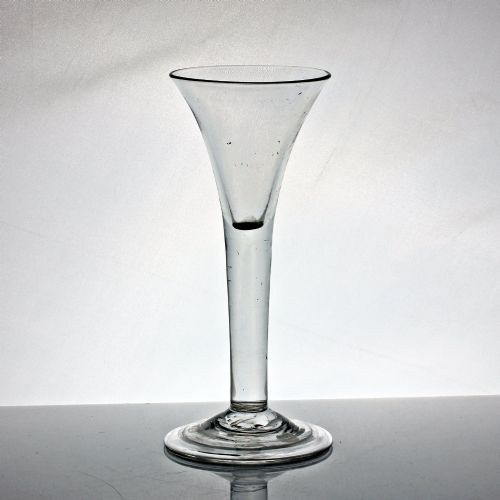
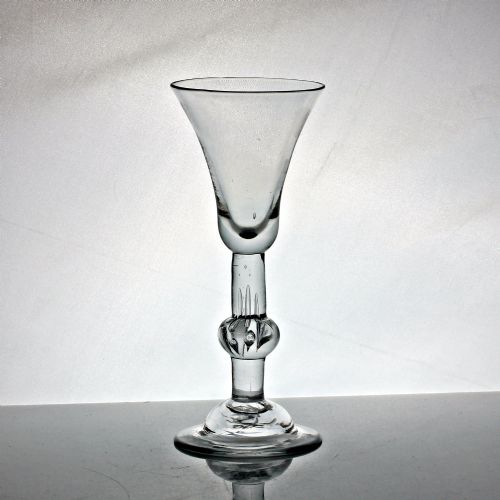
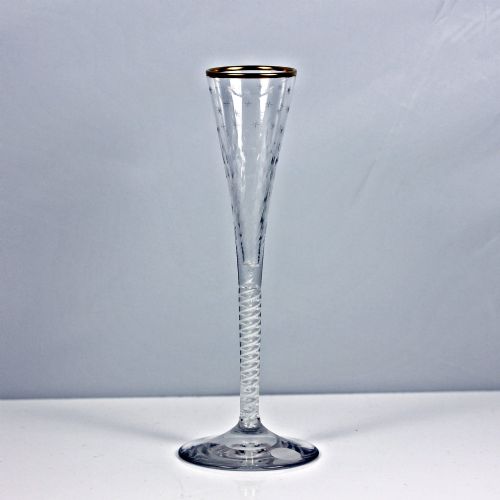
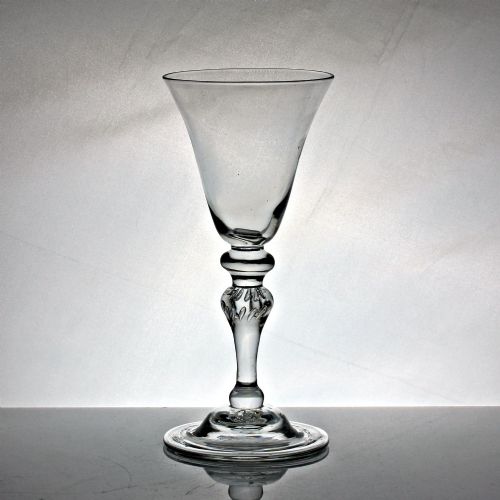
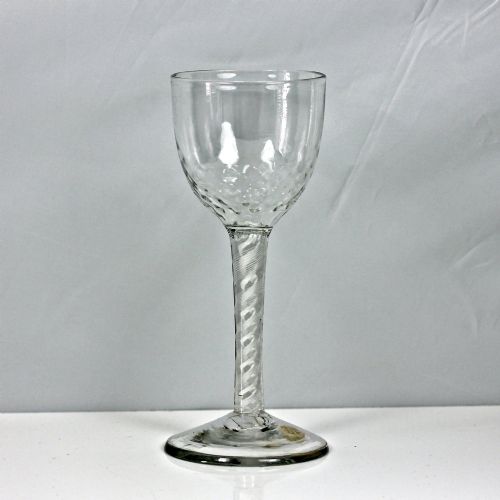
Most examples originate from English glasshouses, though the evidence includes pieces from Scotland, Germany, Bohemia and Belgium. Drinking glasses dominate the selection, spanning simple bowls on plain stems, air twists and heavier commemorative or serving vessels.
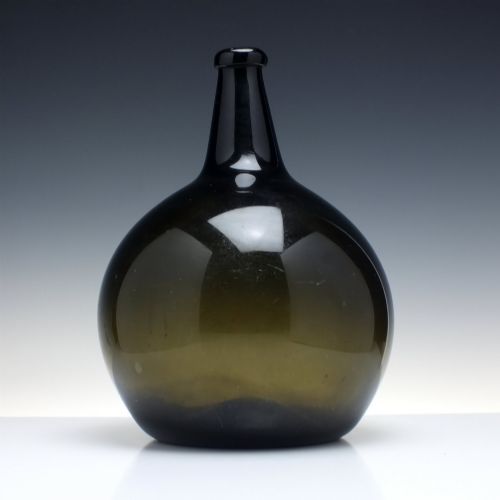
Tableware from this period moves between domestic utility and decorative display. Items like wine bottles, oil lamps and decanters served functional roles in period dining, while tazzas and jelly glasses held sweetmeats and desserts.
Standard and Execution
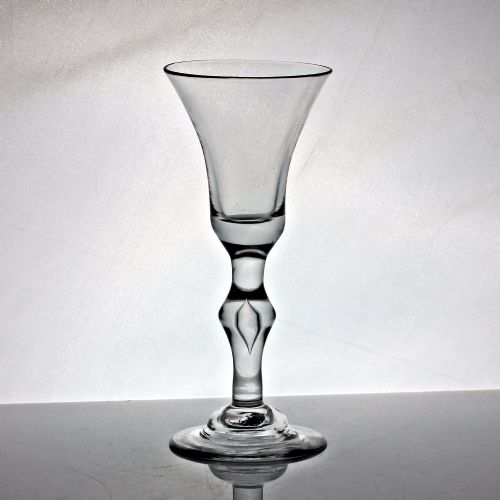
Quality rests upon the clarity of the metal, the balance of the proportions and the crispness of any engraved or cut decoration. Heavier metal with good light refraction distinguishes better crystal pieces from standard utility wares.
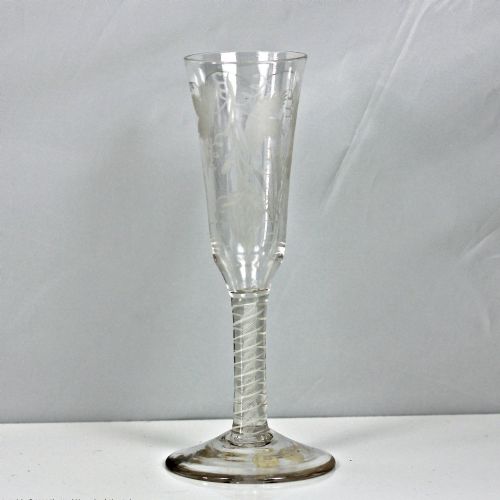
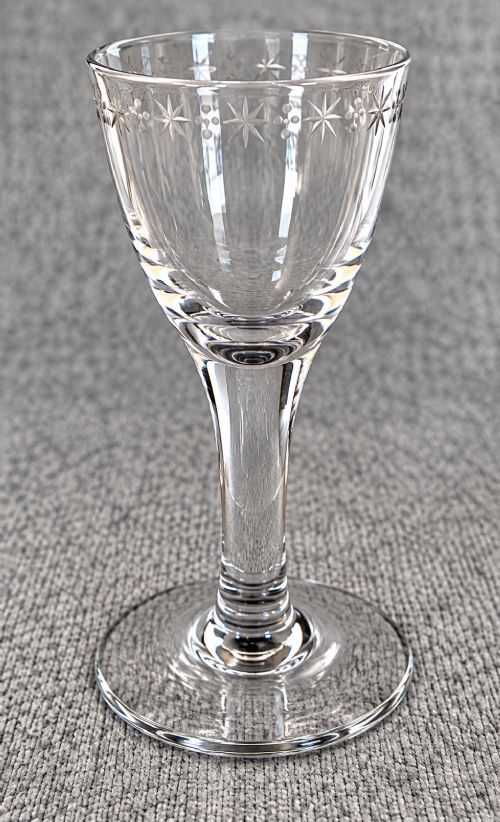
The skill of the glassblower shows in the symmetry of the bowl, the straightness of the stem and the even distribution of twist threads or air bubbles. Engraving depth and detail, whether depicting hops, barley or Jacobite symbols, mark out superior craftsmanship.
Secondary handling marks and the stability of the foot finish indicate the care taken during cooling and finishing in the glasshouse.
Some Bristol blue decanters managed to survive centuries of toasts despite holding enough rum to fell a naval captain.
Atelier of James Giles
The Georgian Glass Glassware Glossary
- Air twist
- A stem containing elongated air bubbles drawn out into spirals during manufacture. This technique required considerable skill to maintain even distribution.
- Opaque twist
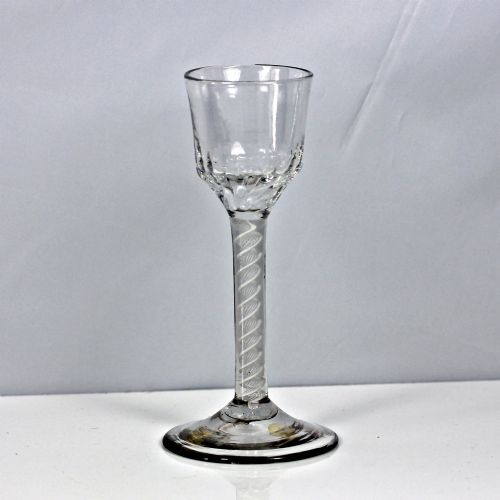
- A stem featuring white or coloured enamel glass threads drawn into spiral threads inside clear metal. These threads contrast sharply with the surrounding clear glass.
- Folded foot
- A base edge turned underneath during shaping to form a double layer of glass. This provided reinforcement for fragile drinking vessels.
- Rummer
- A heavy, large-capacity drinking glass used for punch, rum or beer. They typically feature short stems and substantial bowls.
- Wrythen
- A decorative spiral ribbing pattern formed while the glass was hot by twisting the molten gather. It creates a subtle optical movement in the wall of the vessel.
Georgian Glass Glassware: Frequently Asked Questions
What is georgian glass glassware?
It comprises hand-blown drinking vessels, decanters and tableware produced during the Georgian and Regency periods. The category encompasses wine glasses, rummers, decanters and specialised table items.
These pieces reflect the transition from lightweight lead glass to heavier cut crystal styles over the eighteenth and early nineteenth centuries.
How were georgian wine glasses used?
They served wine and celebratory toasts during formal meals and gatherings. Different bowl shapes suited specific beverages like ale, drams or wine.
Their small capacities compared to modern glassware reflect the high cost and strength of historical wines and spirits.
How do I tell air twist stems apart?
Air twists contain enclosed spiralling bubbles of air within the stem, created by manipulating trapped air during blowing. They differ from opaque twists, which use solid white enamel glass threads.
Single series and multi-spiral variations change the visual density of the pattern inside the stem.
Can I use antique glassware daily?
Many people enjoy living with these pieces by using robust rummers or decanters for everyday dining. Hand washing in warm water preserves the fragile lead metal.
Avoiding sudden temperature changes protects the hand-blown material from thermal shock.