




Georgian Glass Flask
Georgian glass flask pieces are heavy lead glass and flint glass vessels shaped for spirits and scent, prized for cabinet display and pocket carriage.
Georgian Glass Flask
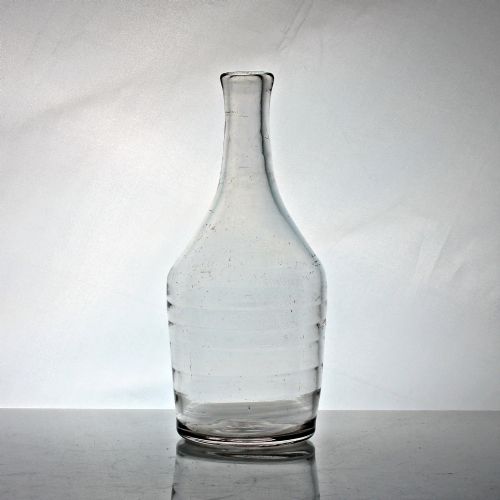
A georgian glass flask is a vessel for carrying spirits or scent, spanning the eighteenth and nineteenth centuries in both domestic and pocket forms. These pieces include shoulder carafes, scent bottles, hip flasks, and gimmel flasks.
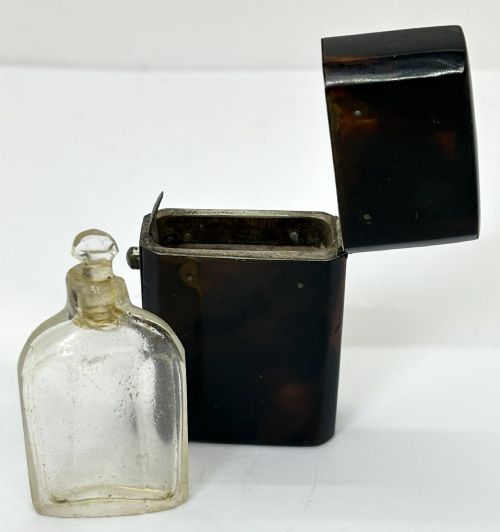
The versions most commonly met on this page range from plain lead glass pocket vessels to polychrome enamelled schnapps flasks and quilt moulded Nailsea pieces. They cross into related forms such as decanters, carafes, and tortoiseshell holders fitted with silver perfume bottles.
How they were made
Makers utilised blown glass, lead glass, and flint glass, often shaping vessels in mould and quilt patterns characteristic of Nailsea production. Engraving, polychrome enamelling, and cutting were applied directly to the surface.
Pocket and scent pieces frequently incorporate fitted elements of sterling silver, silver-gilt, leather, and tortoiseshell. These supplementary materials require delicate joinery to secure the glass flasks within protective holders and etui cases.
The periods represented stretch from the eighteenth century, through the Georgian and Victorian eras, up to nineteen twenty.
What varies in quality
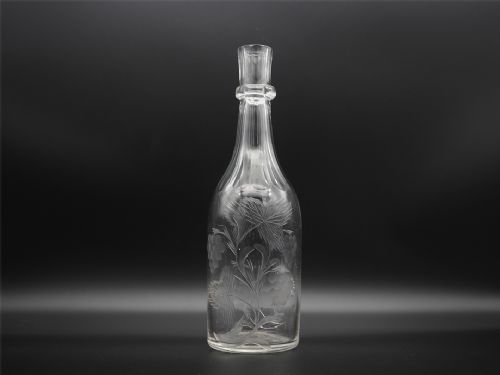
The distinction between ordinary utility glass and superior examples lies in the depth and clarity of the metal and the precision of surface decoration. Engraved symbols like Jacobite motifs or intricate polychrome enamel demand higher skill than plain blown forms.
Completeness dictates standing at the top of the range, particularly in fitted tortoiseshell or silver-gilt necessaire sets retaining original tools. Secondary quality shows in simpler cut glass carafes and unadorned pocket flasks lacking supplementary metalwork.
W A Ellwick Ltd·Nailsea Glassworks
The Georgian Glass Flask Glossary
- Lead glass
- Glass containing lead oxide for higher refractive index and weight. It gives these flasks a distinct clarity and ringing tone.
- Nailsea
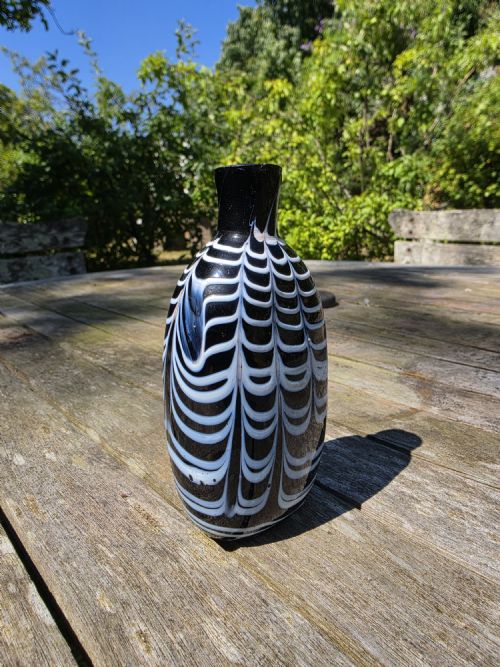
- A style of glasswork associated with Somerset, known for looped and quilt moulded patterns. Flasks from this tradition show characteristic white or coloured trailing.
- Silver-gilt
- Silver that has been coated with a thin layer of gold. It appears on high status bottle mounts and scent bottle caps.
- Etui
- A small ornamental case holding needles, tweezers, and cosmetic tools. They accompany perfume bottles in fitted tortoiseshell sets.
Georgian Glass Flask: Frequently Asked Questions
What is a gimmel flask?
A gimmel flask is a double container formed from two conjoined glass chambers, allowing the owner to carry two separate liquids in one pocket piece. They require specialised glassblowing skill to align and fuse the compartments without weakening the structure.
Examples from the Georgian period often feature engraved decoration across the surface. They survive in lesser numbers than single pocket flasks.
How do I identify Nailsea glass?
Nailsea glass is identified by its distinct quilt moulding and looped white or coloured interior glass trails. The technique produces a characteristic textured surface on pocket flasks.
Pieces originating from this tradition date from the late eighteenth century into the nineteenth century. They stand apart from plain blown lead glass through their patterned appearance.
Were these flasks used for spirits or scent?
These vessels served both purposes depending on their size and mountings. Larger carafes and spirit flasks held liquors like schnapps or Calvados for travel and table service.
Smaller bottles and those housed in tortoiseshell etui sets contained perfume or smelling salts. Silver caps and glass stoppers kept volatile scents secure.
How should I clean antique glass?
Antique glass requires gentle cleaning with warm water and mild soap, avoiding harsh scrubbing that can damage old surfaces or engraved details. Silver mounts and tortoiseshell cases need separate care to prevent moisture damage.
Submerging pieces with fitted leather or metal components should be avoided. Professional conservation is recommended for fragile enamelled or Jacobite engraved flasks.