




18th Century Glass Flask
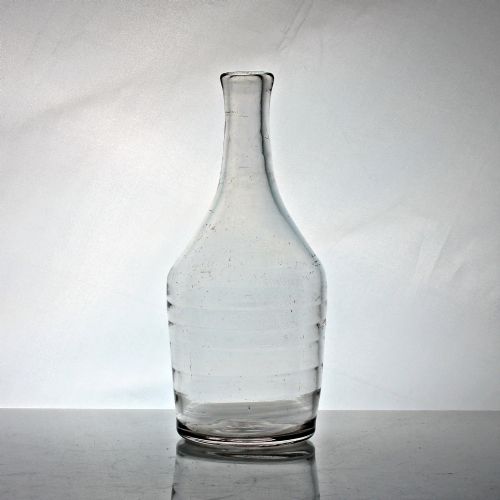
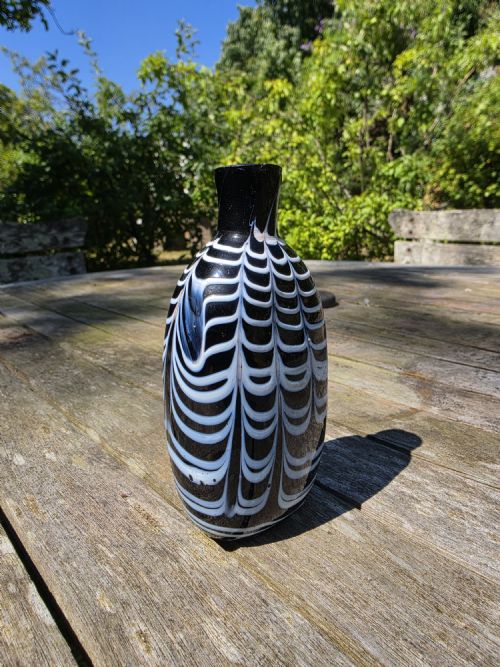
These 18th century glass flask pieces are historic pocket and table vessels offering genuine tactile connection to Georgian daily life.
18th Century Glass Flask
When you search for an 18th century glass flask, you encounter vessels produced across Georgian Britain and continental Europe for spirits, perfumes, and personal use. The selection spans utilitarian serving bottles alongside delicate scent containers and decorated pocket pieces.
You are most likely to meet Georgian examples on this page, often featuring blown glass construction with enamel decoration, wheel engraving, or distinctive regional traits such as German folk art painting or Swiss milk glass forms.
How they were made
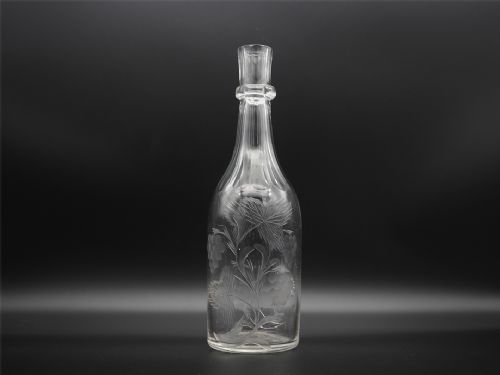
Makers utilised free-blown and mold-blown techniques using lead glass or flint glass, shaping molten material by hand before cooling in annealing kilns. Artisans added applied threads, such as Lynn rings on carafes, to improve grip.
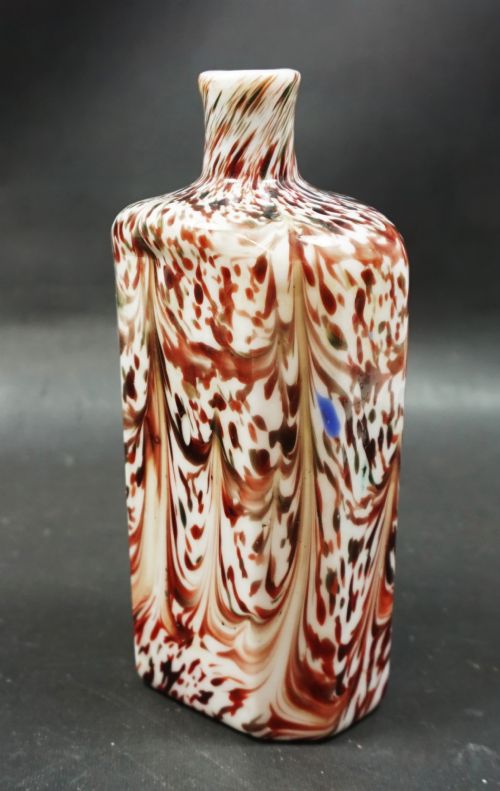
Decoration relied on skilled hand-painting with polychrome enamel, meticulous diamond-point or wheel engraving, and applied splattered effects on milk glass surfaces to achieve visual depth.
Some perfume bottles arrived equipped with miniature tweezers and bodkins, proving that Georgian pocket maintenance was serious business.
What varies in quality
Quality rests on the crispness of the hand-engraving and the stability of the polychrome enamels, where finer examples display precise brushwork and balanced compositions rather than hurried application. The clarity of the metal itself, whether clear flint glass or solid milk glass, dictates the visual refinement of the piece.
The sophistication of auxiliary elements, such as silver mounts or fitted etui tool sets housed alongside scent bottles, marks the distinction between standard domestic items and luxury commissions intended for wealthy patrons.
Georgian Nailsea Glassworks
The 18th Century Glass Flask Glossary
- Flint glass
- A heavy, brilliant form of glass containing lead oxide that increased clarity and weight. It became the favoured material for fine Georgian tablewares and serving vessels.
- Nailsea Glassworks
- A prominent English glasshouse known for creative experimentation with milk glass and splattered coloured glass patterns. Pieces from this tradition display distinctive decorative looping and splashes.
- Jacobite
- Pertaining to the political movement supporting the exiled Stuarts, often symbolised on mid-century glassware through covert engraved emblems and portraits. These encrypted symbols expressed loyalty among supporters.
- Schnapps flask
- A pocket-sized container designed to hold spirits, frequently decorated with enamel motifs or regional folk art designs. They served personal, portable use during travel or social gatherings.
18th Century Glass Flask: Frequently Asked Questions
What were glass flasks used for?
These vessels served diverse functions ranging from holding personal perfumes and smelling salts to storing pocket spirits like schnapps and calvados during travel. Table versions acted as serving carafes for dining.
Their portable nature meant they were built to be handled, carried in pockets, or kept close at hand in fitted travel cases alongside specialised grooming tools.
How are Georgian flasks dated?
Dating relies on stylistic clues, manufacturing techniques such as pontil mark characteristics, and specific decorative motifs associated with particular decades. Engraved political symbols or specific enamelling palettes also offer chronological markers.
Comparison with documented examples in museum archives helps confirm whether a piece originates from mid-century production or the late Georgian era.
Are all these flasks British?
The selection includes both British pieces from English houses and continental European examples from Germany, Switzerland, and Bohemia. Regional techniques and enamel styles help distinguish origin.
Continental pieces often display distinct folk art traditions and colour palettes that separate them clearly from domestic English production.