
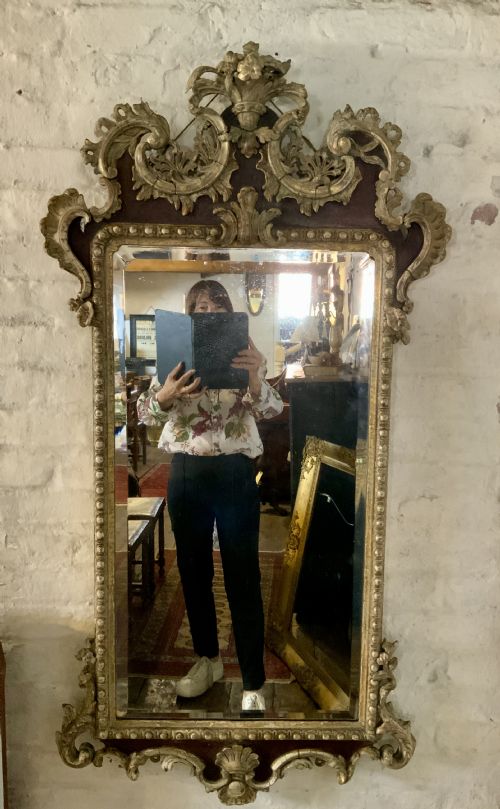
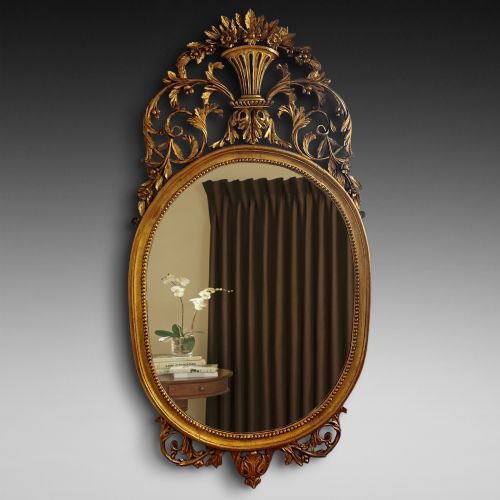
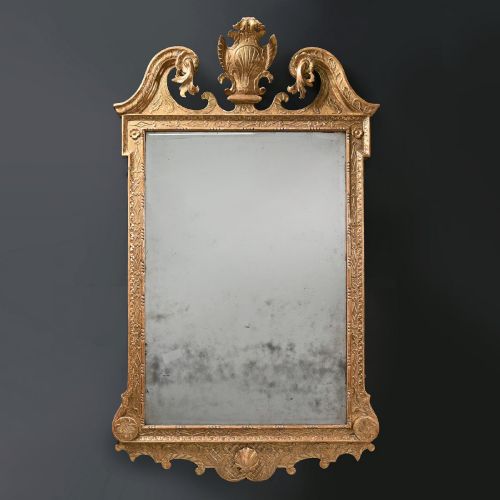
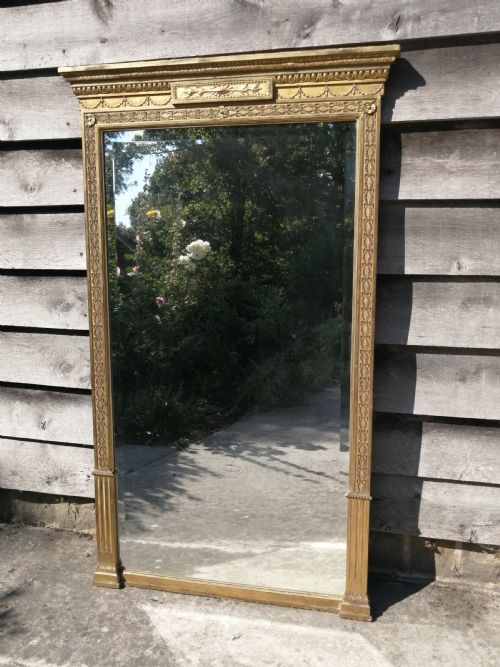

Georgian Giltwood Pier Mirror
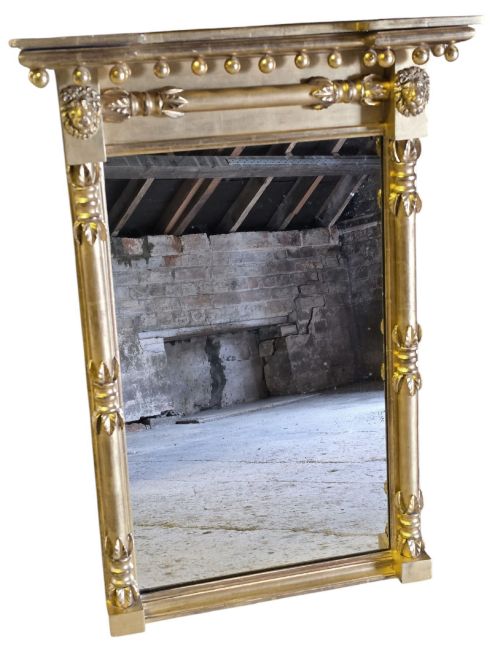
A georgian giltwood pier mirror brings vertical elegance and reflected light to a tall wall space between windows.
Georgian Giltwood Pier Mirror
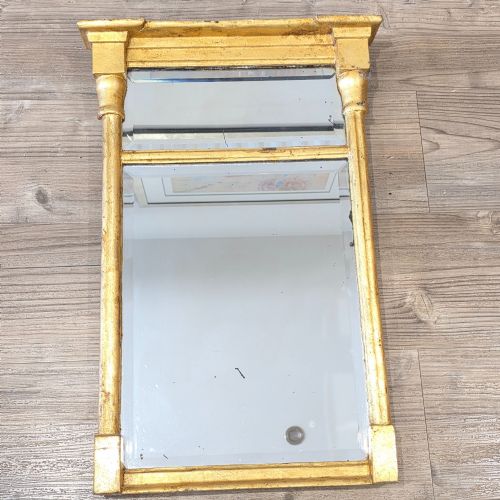
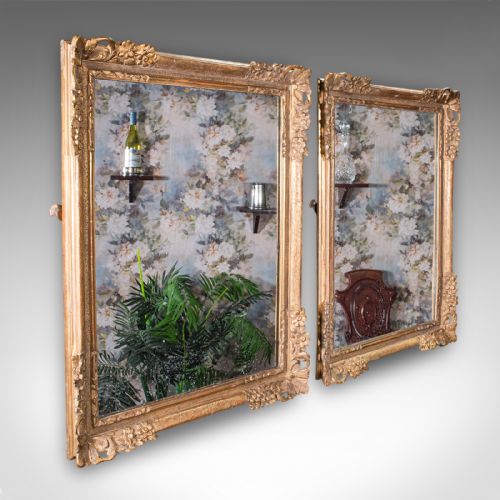
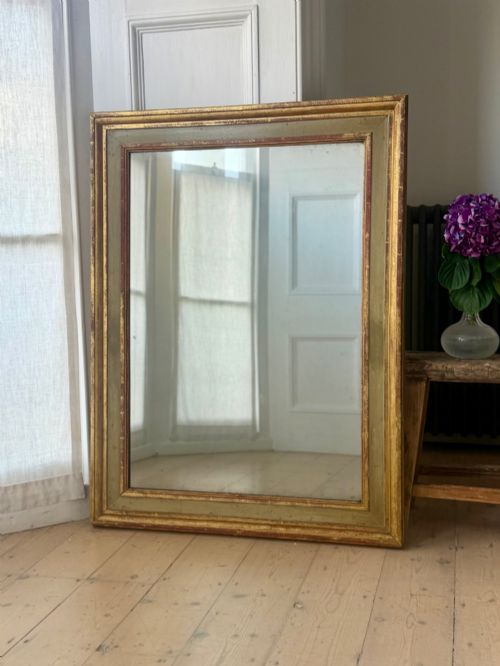
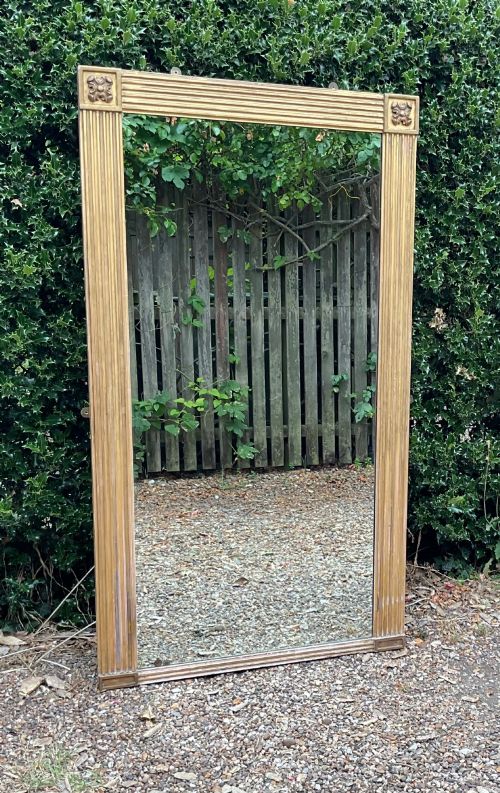
When searching for a georgian giltwood pier mirror, a buyer encounters tall wall-hanging glasses designed to occupy the narrow wall space between windows. The pieces on this page span the Georgian, Regency, and eighteenth-century periods, alongside later nineteenth-century revivals and Edwardian interpretations.
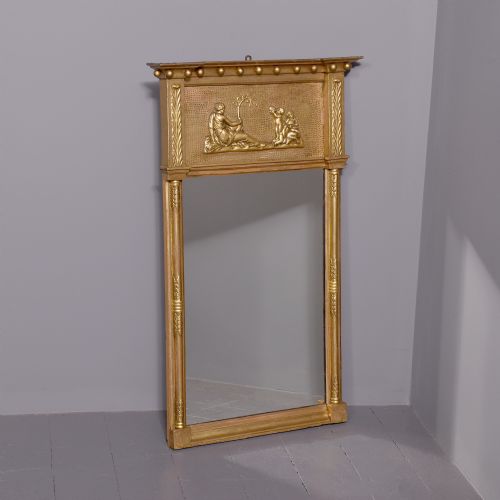
Most examples take the form of vertical pier mirrors or pier glasses, frequently accompanied by console tables or featuring decorative upper panels. The selection includes works in George I, George II, George III, and Regency styles, alongside Chinese Chippendale and Adam revival designs.
How They Were Made
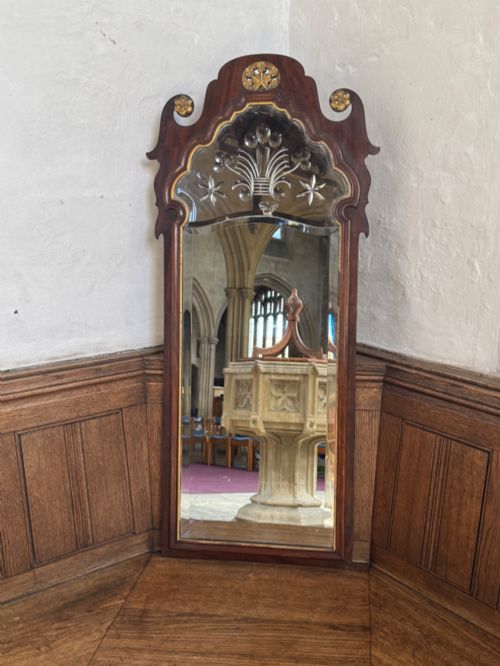
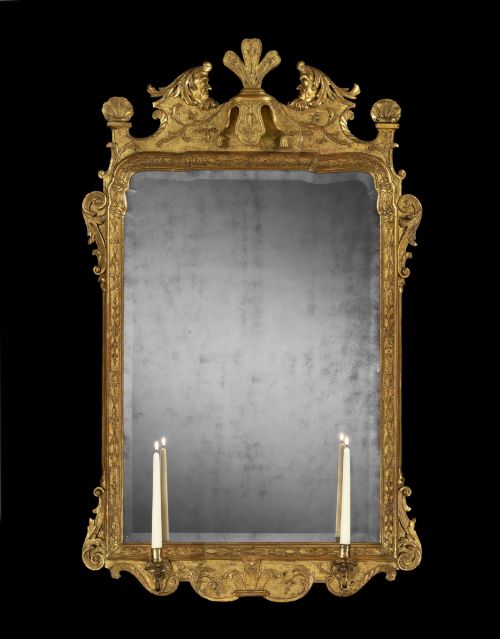
The frames are constructed primarily from carved wood, walnut, or mahogany, coated in gesso before receiving layers of gold leaf or giltwood finish. Mercury glass and original mirror plates appear alongside reverse cut plates and decorated upper sections.
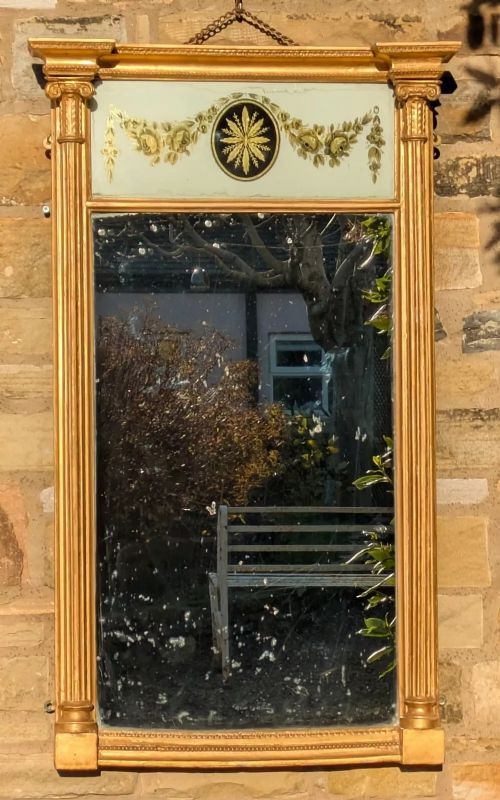
Specialist techniques such as verre églomisé panels provide contrasting decorative sections above the main glass, while brass and parcel gilt details add tonal variation to the carved wooden surfaces.
Several mirrors include valet and dressing variations, ready for past occupants to check their cravats before stepping out.
What Varies in Quality
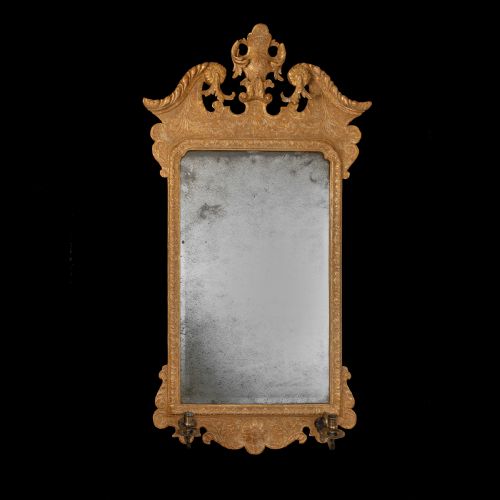
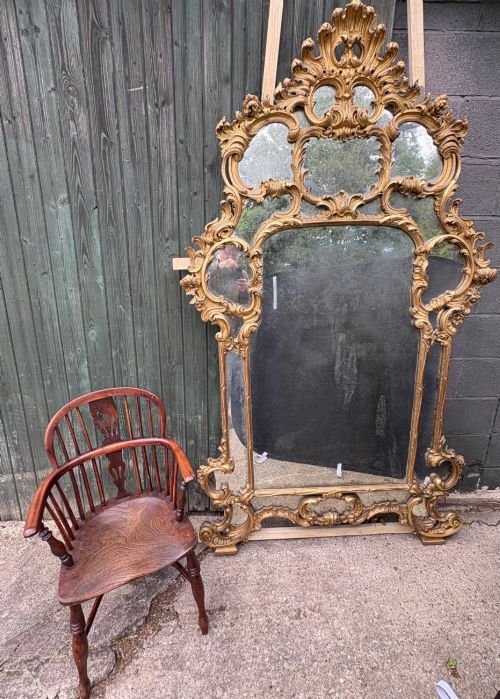
The depth and crispness of the carved wood and gesso ornamentation dictate the visual strength of the frame, distinguishing finely detailed architectural motifs from softer, later castings. Surviving original mirror plates and untouched gilding hold greater historical integrity than replaced elements.
Proportion between the glass plate and the surrounding frame dictates the balance of the piece, where harmonious scale elevates an interior mirror from a simple reflector to a focal point.
William Kent·John Belchier
The Georgian Giltwood Pier Mirror Glossary
- Giltwood
- Wood covered with thin sheets of gold leaf over a prepared gesso ground. This technique provides the characteristic bright metallic finish seen on formal period frames.
- Gesso
- A plaster-like mixture applied to wooden frames to create a smooth surface for carving and gilding. It allows for sharp relief details in decorative mouldings.
- Pier glass
- A tall mirror designed to hang on the narrow pier of wall between two windows. These glasses were often placed above matching console tables.
- Verre églomisé
- A process of cold painting and gilding on the reverse side of glass panels. It frequently appears as a decorative upper section in Regency pier mirrors.
- Parcel gilt
- A finish where portions of a wooden or painted surface are selectively gilded while other areas reveal the underlying wood. Walnut and mahogany frames often utilise this method.
Georgian Giltwood Pier Mirror: Frequently Asked Questions
Where should a pier mirror be hung?
These mirrors are traditionally designed for the narrow expanse of wall between two windows, where they bounce natural light back into the room.
They also sit effectively above low console tables or mantelpieces to create a sense of heightened vertical space.
What is verre églomisé?
Verre églomisé is a decorative technique involving painting and applying gold leaf to the reverse side of a glass panel.
It produces a deep, reflective pictorial or geometric panel typically positioned above the main mirror plate in Regency pieces.
How do I identify a George II mirror?
George II designs often feature heavy architectural framing, carved gesso ornamentation, and rich mahogany or walnut structures with parcel gilt highlights.
Prominent scrollwork and classical motifs frequently define this mid-eighteenth-century aesthetic.
Are original mirror plates common?
Original plates retain authentic foxing, subtle distortions, and age spots that evidence centuries of history.
Many pieces preserve these early glasses, though replacement plates also occur across the surviving inventory.