
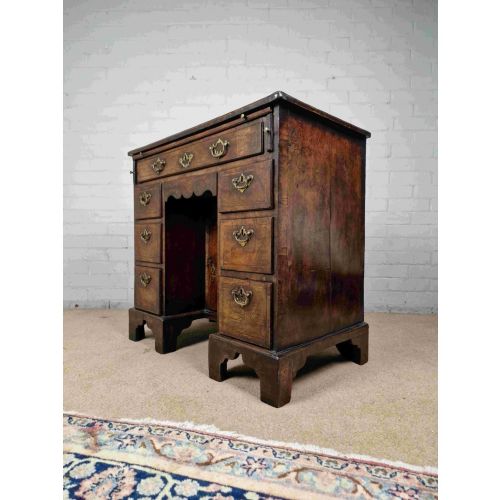
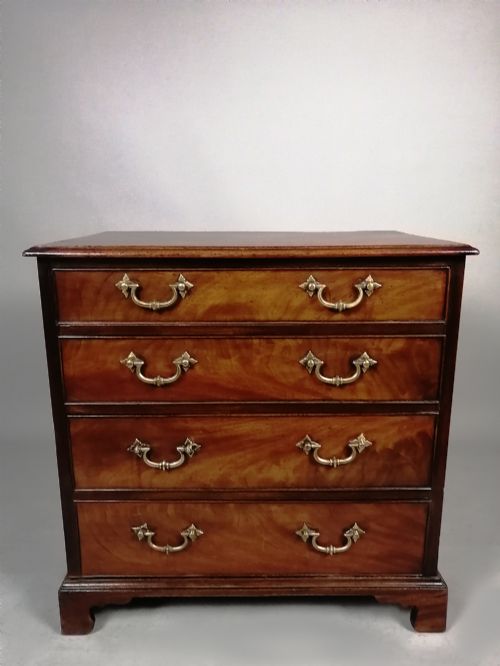
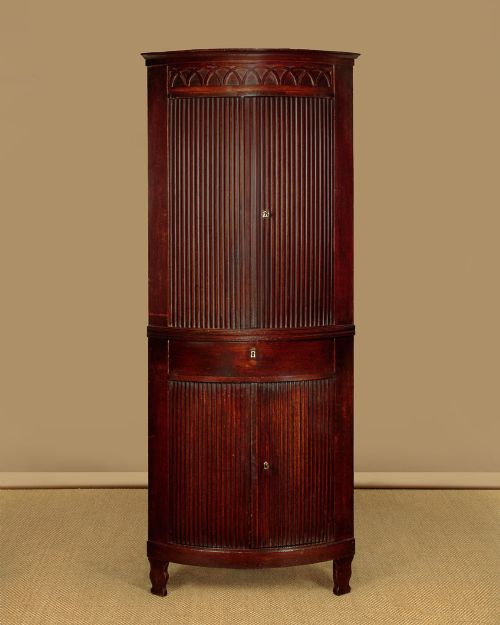
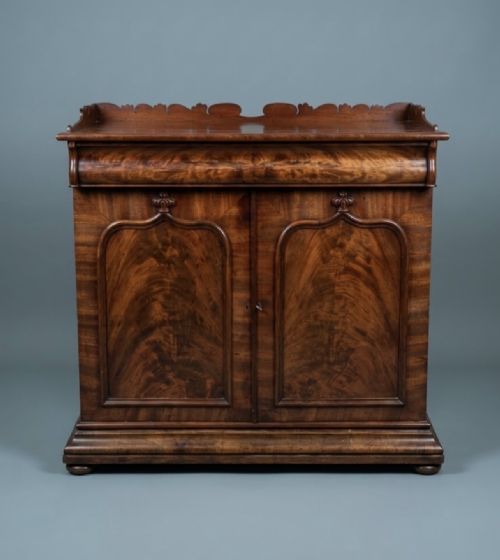


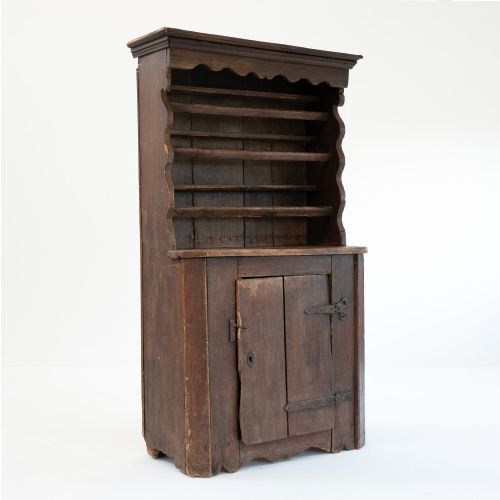
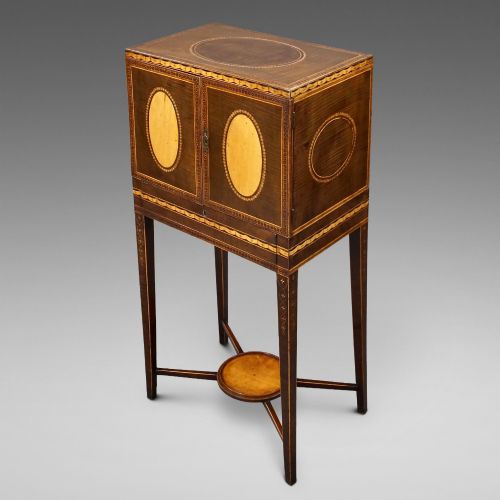
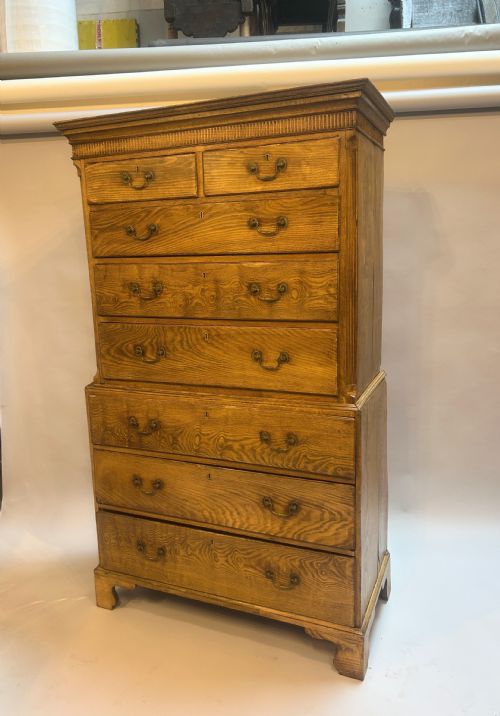
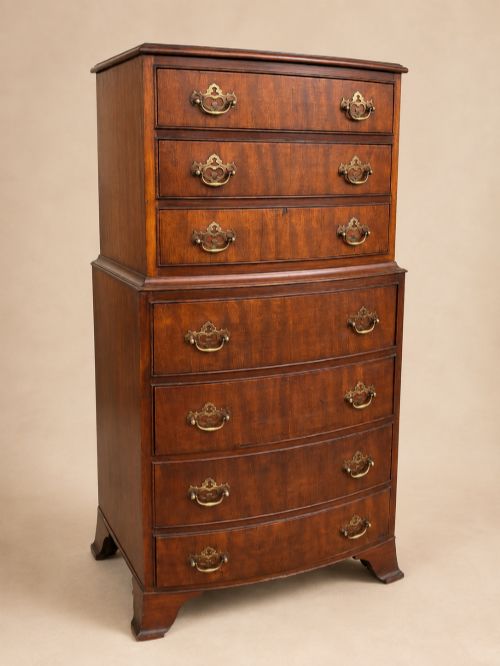
Georgian Furniture Cabinet
When you seek a georgian furniture cabinet, you pursue the solid timbers and practical forms that defined domestic storage across the eighteenth and nineteenth centuries.
Georgian Furniture Cabinet
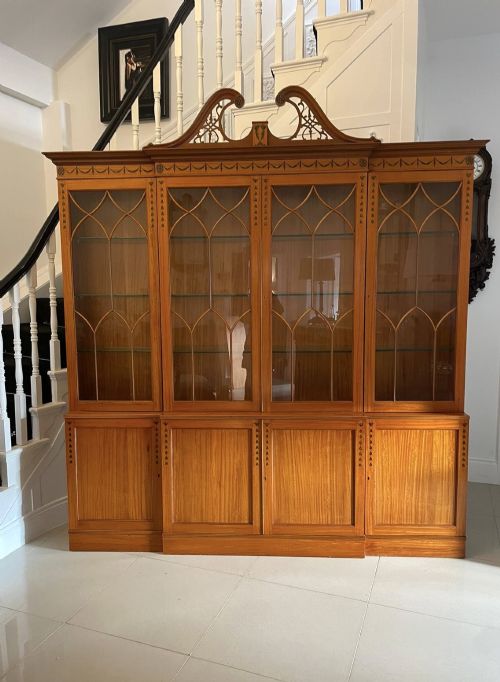
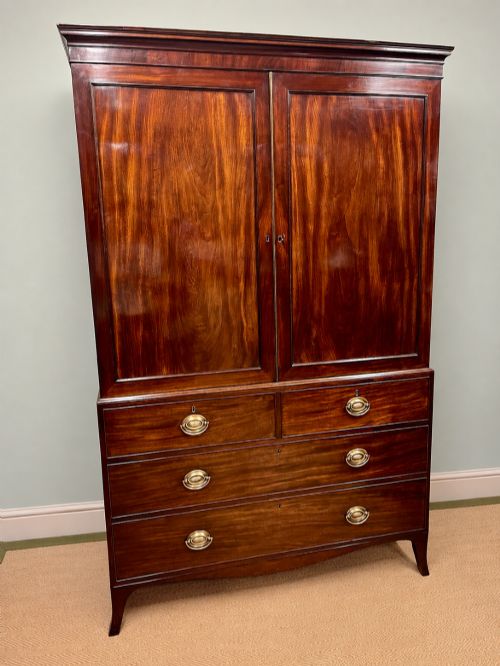
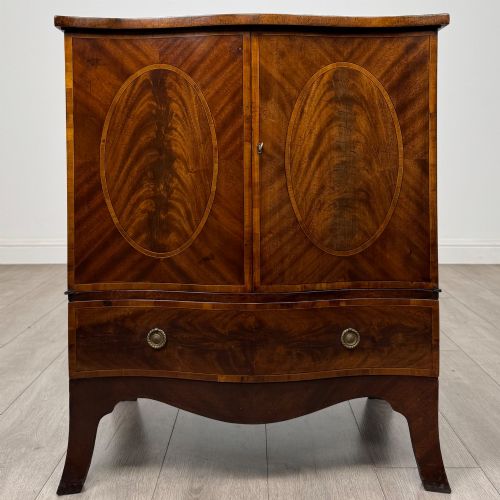
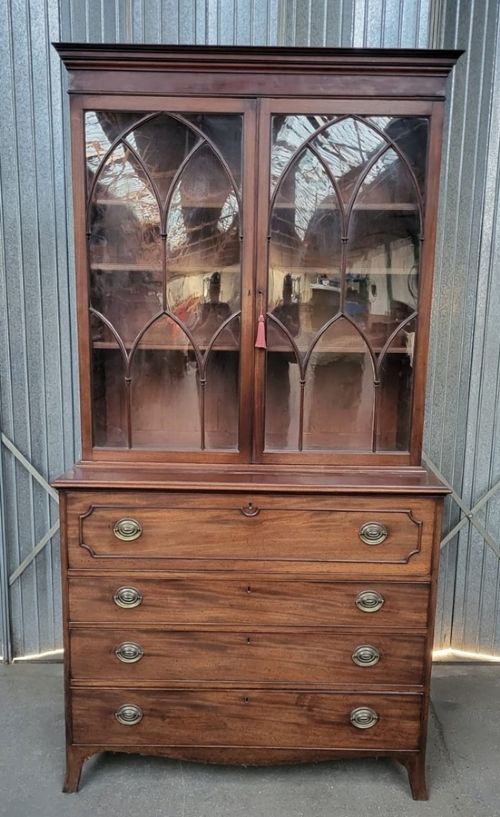
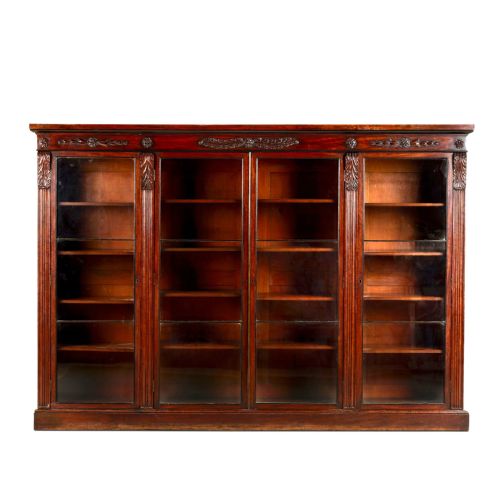
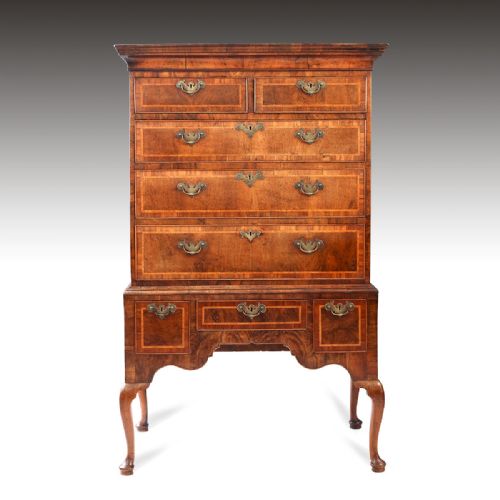
A georgian furniture cabinet encompasses various storage forms built primarily during the eighteenth and nineteenth centuries, including sideboards, corner cupboards, linen presses, and bureau bookcases. Buyers frequently encounter tallboys, chests of drawers, and display cabinets constructed in styles ranging from Queen Anne and George II to Regency and Sheraton Revival.
The selection ranges from large library bookcase cabinets and breakfront display pieces down to compact bedside tables and fold-away washstands. Regional pieces in oak, elm, and painted pine sit alongside refined urban examples in mahogany, walnut, and satinwood.
Materials and Construction
Cabinet makers utilised dense native and imported timbers, notably mahogany, oak, and walnut, often applying decorative veneers such as burr walnut, flame mahogany, and harewood over secondary woods. Inlaid details in contrasting woods, brass hardware, and glass panes for astral glazed doors required precise joinery and cabinet-making skills.
Surface finishes involved traditional polish and paintwork, evidenced by original painted decoration, lacquered surfaces, and ebonised treatments. Secondary woods like pine appear in carcases, while specialised folding and secretaire mechanisms demonstrated advanced mechanical ingenuity.
Distinctions in Quality
The highest standard of georgian furniture cabinet is distinguished by the selection of richly figured timbers, such as highly matched flame mahogany or burr walnut, rather than plain stock. Superior pieces display restrained, precise inlay work, well-proportioned architectural cornices, and original brass fittings that integrate harmoniously with the primary design.
Construction integrity separates workshop production, where secondary timbers are neatly fitted and drawer linings show consistent dovetailing, from simpler commercial output. The presence of original glazing, intact painted decoration, and unaltered mechanisms elevates certain examples above standard utilitarian storage.
The Georgian Furniture Cabinet Glossary
- Astral glazed
- Refers to glass doors divided by slender wooden framework or bars that form geometric patterns. This technique allowed display cabinets to showcase porcelain and books while protecting the contents.
- Bureau bookcase
- A dual-purpose form combining a sloping writing flap that conceals pigeonholes and small drawers with enclosed shelving above. It served as a combined desk and library storage unit.
- Chest on chest
- A tall storage unit comprising one chest of drawers stacked directly on top of a larger lower chest, also known as a tallboy. This form maximised vertical storage space in bedrooms.
- Linen press
- A tall cupboard featuring upper sliding trays or shelves originally designed to store household linens flat. Lower sections typically incorporate additional drawer storage.
- Secretaire
- A desk form featuring a pull-out or drop-front writing drawer fitted with small compartments and pigeonholes. It integrated secretarial utility into larger cabinetry like bookcases and sideboards.
Georgian Furniture Cabinet: Frequently Asked Questions
How do I identify a genuine period piece?
Examine the secondary timbers inside drawers and at the back of the carcase, where older pieces show hand-cut dovetails and tool marks consistent with historical workshop practices. Look for timber shrinkage, oxidation, and construction methods that match the declared century.
Compare the proportions and decorative vocabulary, such as bracket feet or cornice details, against established period styles like George III or Regency. Alterations or later replacements of hardware and glass often signal subsequent modification rather than original condition.
Where should I place a large cabinet?
Tall library bookcases and breakfront display cabinets require substantial wall space and stable floor levels to prevent tipping, particularly in older properties with uneven foundations. Position them away from direct sunlight and heat sources to protect sensitive wood veneers and antique glass.
Smaller side cabinets and corner cupboards adapt well to more intimate living spaces, effectively utilising awkward angles in dining rooms or hallways. Ensure adequate clearance for doors and fold-away writing desks to open fully without obstruction.
What is the difference between a side cabinet and a sideboard?
Sideboards generally feature a long, low format designed specifically for dining room service, incorporating central drawers flanked by cupboards or cellarette drawers for bottles. They emerged strongly during the Regency and late eighteenth century to aid formal dining arrangements.
Side cabinets encompass a broader category of freestanding storage furniture with doors, often used in living rooms or libraries to hold books or display objects. Their proportions tend to be more upright and varied than the standardised elongated profile of a dining sideboard.
How do I care for polished wood surfaces?
Maintain polished mahogany, walnut, and satinwood by dusting regularly with a soft, dry cloth to prevent abrasive particle accumulation. Avoid silicone-based sprays and excessive moisture, which can degrade historic finishes and lift delicate veneers.
Apply traditional beeswax sparingly when the timber appears dry, buffing gently to preserve the natural lustre. Consistent indoor humidity levels prevent the wood from splitting and keep inlaid details secure within the carcase.