
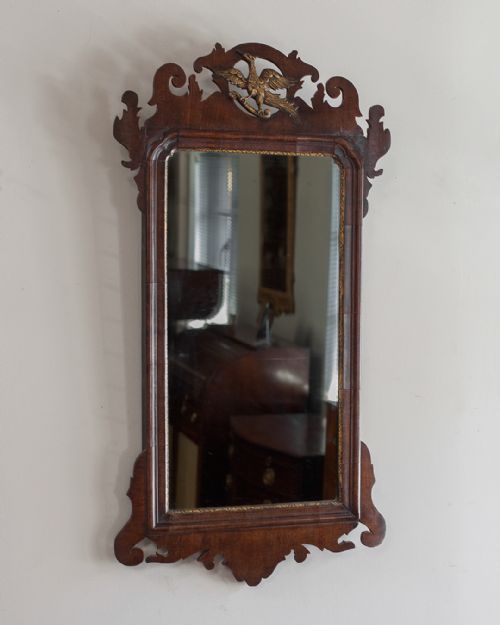
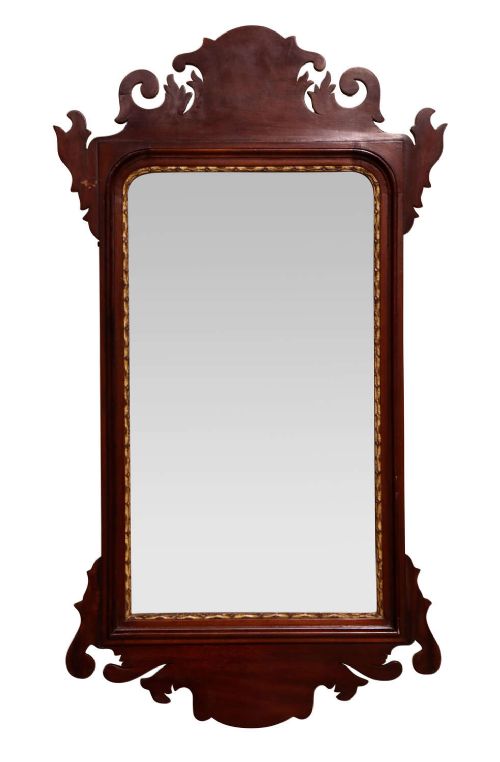
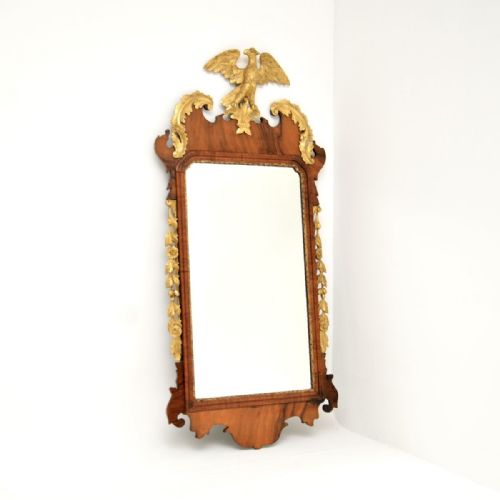
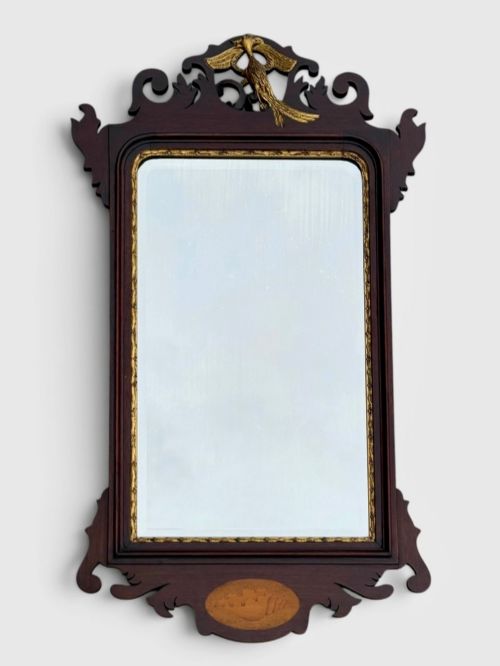




Georgian Fretwork Wall Mirror
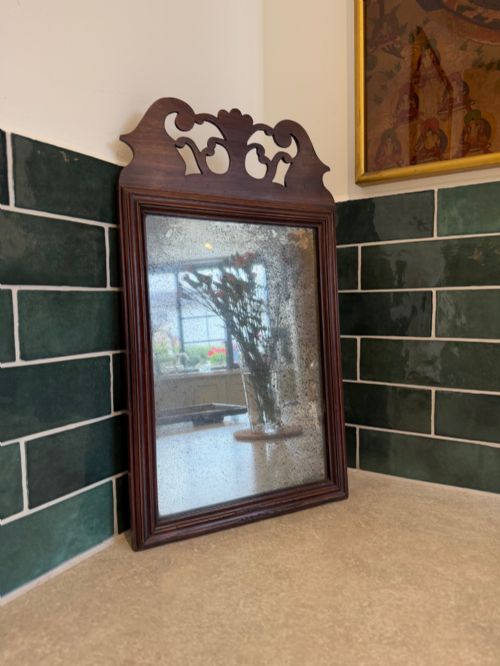
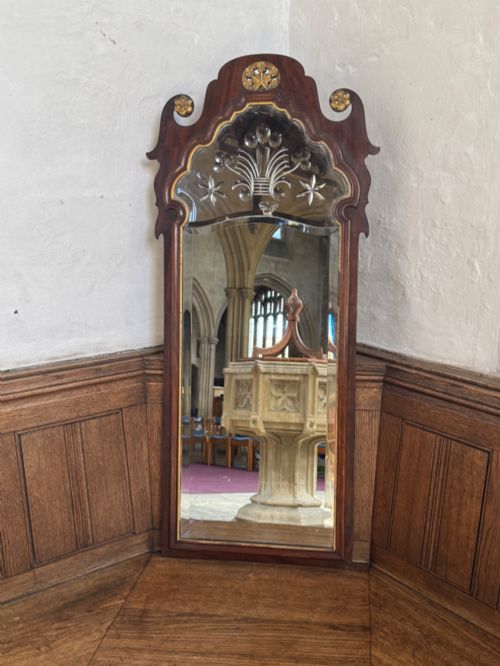
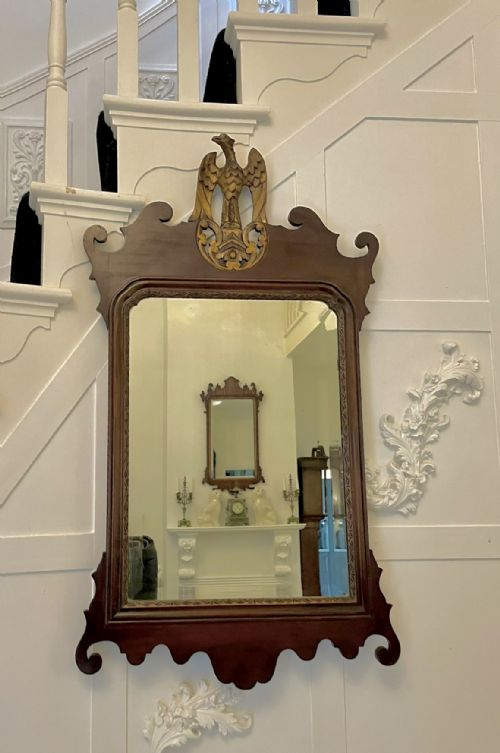
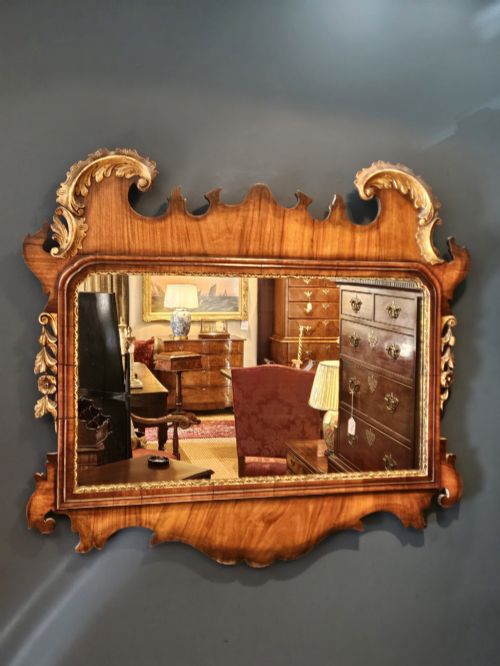
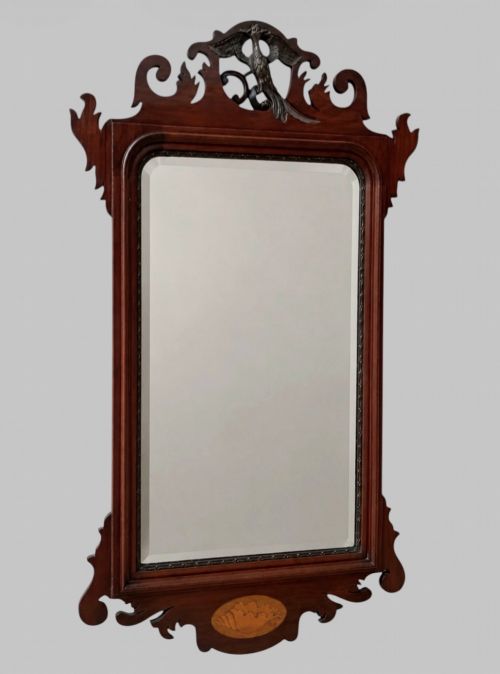
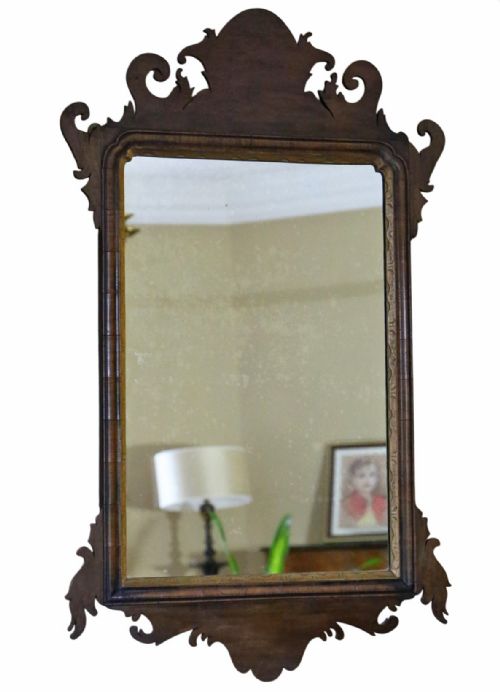
A georgian fretwork wall mirror brings architectural grace to a room through delicate fret-cut wood and classic proportions.
Georgian Fretwork Wall Mirror
A georgian fretwork wall mirror is a hanging looking glass distinguished by a flat frame with intricate scroll-cut silhouettes. These pieces originate in the eighteenth century and reappear in revival forms across the Victorian and Edwardian periods.
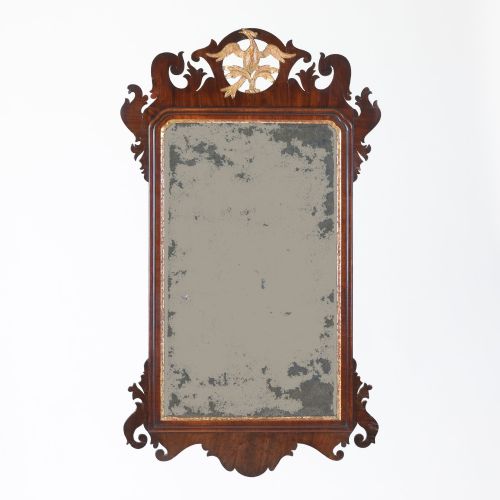
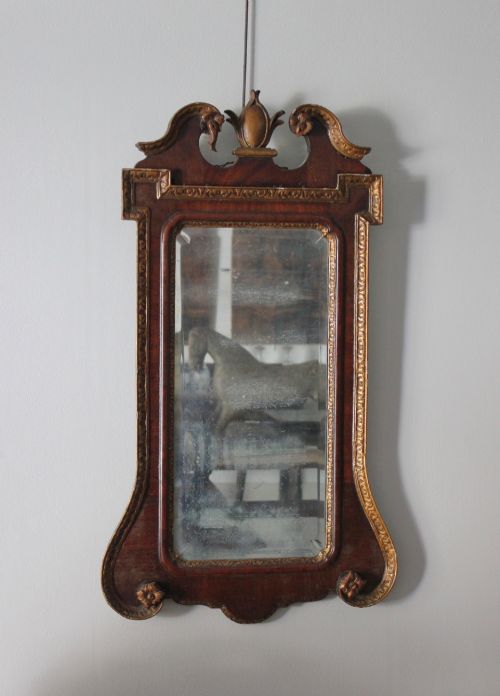
The versions met most frequently combine mahogany or walnut with fret-cut crests and aprons, often featuring giltwood accents or carved details like the emblematic Ho Ho bird. The selection ranges from compact wall piers to larger landscape and overmantel formats.
How they were made
Cabinetmakers constructed these frames using dense hardwoods like mahogany and walnut, frequently applying fine burr veneers or parcel-gilt highlights. Fret patterns were meticulously pierced by hand using a fretsaw to achieve the signature pierced scrollwork.
Mirror plates were traditionally silvered by hand, resulting in subtle imperfections, while later examples often incorporate bevel-edged glass. Gilt decoration was typically applied as gold leaf over a prepared gesso base on carved wooden details like side scrolls and crests.
Listings feature walnut, mahogany, and sycamore woods alongside giltwood accents across eighteenth-century and revival periods.
What varies in quality
The refinement of the fret-cut piercing dictates visual success, with superior examples displaying crisp, deeply carved margins and balanced symmetry. Finer pieces also retain their original gilding and early glass plates rather than later replacements.
The choice of timber underpins the overall presence, where richly figured mahogany or burr walnut veneer elevates the piece beyond standard production. Original construction integrity in the delicate fret scrolls and corner joints remains central to the standing of any mirror.
The Georgian Fretwork Wall Mirror Glossary
- Fretwork
- Openwork ornamentation cut into thin boards with a saw. This technique creates the characteristic silhouette of pierced scrolls seen on the borders.
- Parcel-gilt
- Partly gilded with gold leaf. This treatment highlights specific carved elements such as inner mouldings or crest motifs against the dark wood ground.
- Ho Ho bird
- A stylized Chinese phoenix motif frequently carved onto the crests of eighteenth-century frames. It adds a symbolic and decorative focal point to the top scroll.
- Pier glass
- A tall mirror designed to hang on the wall between windows. These pieces often feature narrower proportions to fit specific architectural wall spaces.
Georgian Fretwork Wall Mirror: Frequently Asked Questions
How do I date a fretwork mirror?
Dating relies on timber choice, construction methods, and the style of the fret-cut silhouette. Eighteenth-century versions typically use solid mahogany or walnut with hand-cut pierced boards, while later revivals from the Victorian and Edwardian eras show different backing boards and machine techniques.
Secondary indicators include the character of the mirror glass and the wear on the wooden joints. Original silvered plates and period fixings provide reliable clues to the age of the piece.
Where should I hang a wall mirror?
These mirrors suit spaces above mantelpieces, console tables, or key focal points in a reception room. Their vertical proportions and reflective qualities help bounce light into darker corners while adding traditional texture to the wall.
Ensure the hanging fixings are securely anchored into solid wall structure to support the weight of the hardwood frame and glass safely.
Are the mirror plates original?
Original glass plates often exhibit minor foxing, subtle distortion, or dark speckling accumulated over centuries. Replacement plates generally appear brighter, flatter, and lack the characteristic ripple of early hand-blown glass.
Examining the backboards and the putty or glazier's points holding the glass in place helps determine whether the plate has remained undisturbed since manufacture.
What is the difference between George II and George III styles?
George II designs often lean towards heavier walnut frames with architectural pediments and rich gilt accents. George III examples frequently embrace lighter mahogany and more exuberant Chippendale rococo or Chinese taste fretwork.
The evolution moves from solid, dark walnut architectural symmetry toward dynamic, pierced mahogany scrolls and naturalistic bird motifs.